Polityk
Mohammed Badie
1943 - obecnie
WYŚWIETLENIA PL.WIKIPEDIA (PV)
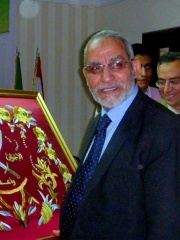
 Mohammed Badie
Jego biografia jest dostępna w 29 różnych językach w Wikipedii. Mohammed Badie jest 4483. najpopularniejszym polityk (spadek z 2481. w 2024 roku), 213. najpopularniejszą biografią Egipt (spadek z 141. w 2019 roku) oraz 102. najpopularniejszym polityk Egipt.
Wskaźniki rozpoznawalności
160k
Wyświetlenia strony
Ostatnie 12 miesięcy
67.21
HPI
Indeks historycznej popularności
Ciekawostki z danych
7 sie
Mohammed Badie obchodzi urodziny tego samego dnia (7 sierpnia) co Mata Hari, Elizabeth Báthory i Edgar the Peaceful.
Wyświetlenia strony Mohammed Badie według języka
Wśród przedstawicieli zawodu Polityk
Wśród przedstawicieli zawodu „Polityk” Mohammed Badie zajmuje 4,481. miejsce na 19,576. Przed nim są Julius Paulus Prudentissimus, As-Salih Ayyub, António, Prior of Crato, Kim Yong-il, Malcolm I of Scotland, i Aristobulus IV. Po nim są Heng Samrin, Eric XI of Sweden, Publius Licinius Crassus, Ugyen Wangchuck, John George, Elector of Brandenburg, i George William, Duke of Brunswick-Lüneburg.
Najpopularniejsi w Wikipedii: Polityk
Zobacz wszystkie rankingi
Julius Paulus Prudentissimus
190 - 220
HPI: 67.22
Miejsce: 4,477
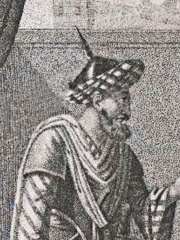
As-Salih Ayyub
1205 - 1249
HPI: 67.22
Miejsce: 4,478
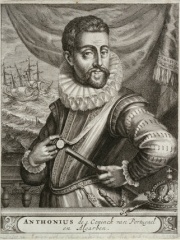
António, Prior of Crato
1531 - 1595
HPI: 67.22
Miejsce: 4,479

Kim Yong-il
1944 - obecnie
HPI: 67.22
Miejsce: 4,480
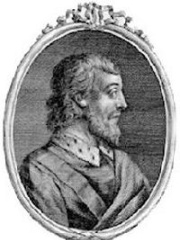
Malcolm I of Scotland
801 - 954
HPI: 67.21
Miejsce: 4,481
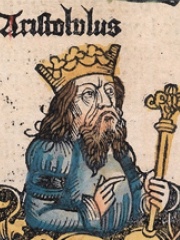
Aristobulus IV
31 BC - 7 BC
HPI: 67.21
Miejsce: 4,482
Mohammed Badie
1943 - obecnie
HPI: 67.21
Miejsce: 4,483
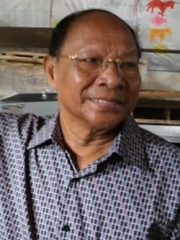
Heng Samrin
1934 - obecnie
HPI: 67.21
Miejsce: 4,484
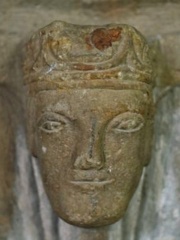
Eric XI of Sweden
1216 - 1250
HPI: 67.21
Miejsce: 4,485
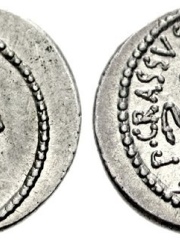
Publius Licinius Crassus
86 BC - 53 BC
HPI: 67.21
Miejsce: 4,486
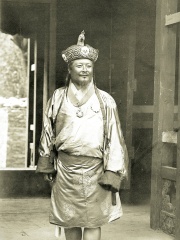
Ugyen Wangchuck
1862 - 1926
HPI: 67.21
Miejsce: 4,487
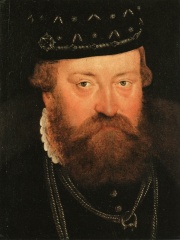
John George, Elector of Brandenburg
1525 - 1598
HPI: 67.21
Miejsce: 4,488
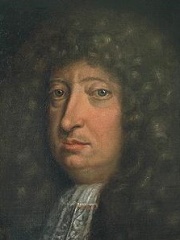
George William, Duke of Brunswick-Lüneburg
1624 - 1705
HPI: 67.21
Miejsce: 4,489

Współcześni
Wśród osób urodzonych w 1943 roku Mohammed Badie zajmuje 92. miejsce. Przed nim są José María Balcázar, Richard Smalley, Barbara Bouchet, Chantal Mouffe, Oskar Lafontaine, i Maktoum bin Rashid Al Maktoum. Po nim są Wanda Rutkiewicz, Rodney Alcala, Piet Keizer, Roy Andersson, Mikhail Leonidovich Gromov, i Ken Thompson.
Inne osoby urodzone w 1943 roku
Zobacz wszystkie rankingi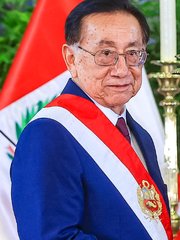
José María Balcázar
POLITICIAN
1943 - obecnie
HPI: 67.61
Miejsce: 86
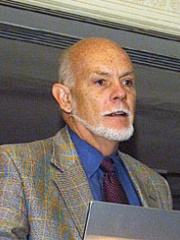
Richard Smalley
CHEMIST
1943 - 2005
HPI: 67.54
Miejsce: 87
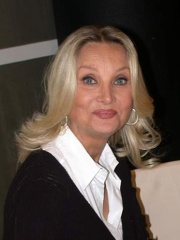
Barbara Bouchet
ACTOR
1943 - obecnie
HPI: 67.40
Miejsce: 88
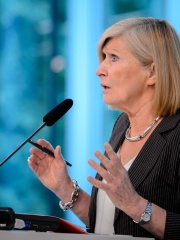
Chantal Mouffe
PHILOSOPHER
1943 - obecnie
HPI: 67.40
Miejsce: 89
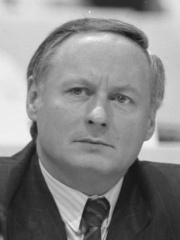
Oskar Lafontaine
POLITICIAN
1943 - obecnie
HPI: 67.33
Miejsce: 90
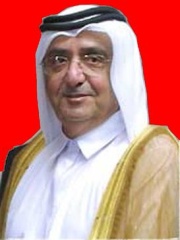
Maktoum bin Rashid Al Maktoum
POLITICIAN
1943 - 2006
HPI: 67.31
Miejsce: 91
Mohammed Badie
POLITICIAN
1943 - obecnie
HPI: 67.21
Miejsce: 92
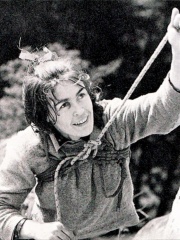
Wanda Rutkiewicz
MOUNTAINEER
1943 - 1992
HPI: 67.19
Miejsce: 93
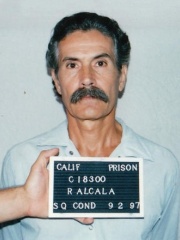
Rodney Alcala
EXTREMIST
1943 - 2021
HPI: 67.19
Miejsce: 94
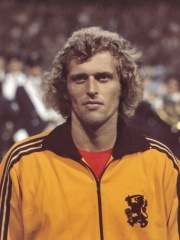
Piet Keizer
SOCCER PLAYER
1943 - 2017
HPI: 67.16
Miejsce: 95
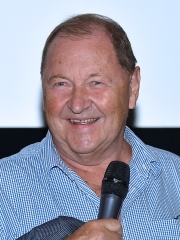
Roy Andersson
FILM DIRECTOR
1943 - obecnie
HPI: 67.14
Miejsce: 96
Mikhail Leonidovich Gromov
MATHEMATICIAN
1943 - obecnie
HPI: 67.11
Miejsce: 97
Ken Thompson
COMPUTER SCIENTIST
1943 - obecnie
HPI: 67.07
Miejsce: 98
W kraju Egipt
Wśród osób urodzonych w kraju Egipt Mohammed Badie zajmuje 213. miejsce na 642. Przed nim są Tetisheri (-1600), Meketaten (-1348), Hemiunu (-2500), An-Nasir Muhammad (1285), Dhul-Nun al-Misri (796), i As-Salih Ayyub (1205). Po nim są Al-Tahawi (853), Farida of Egypt (1921), Neferure (-1500), Al-Maqrizi (1364), Psusennes II (-1100), i Abdel Halim Hafez (1929).
Inne osoby urodzone w kraju Egipt
Zobacz wszystkie rankingi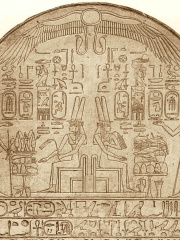
Tetisheri
POLITICIAN
1600 BC - 1540 BC
HPI: 67.40
Miejsce: 207
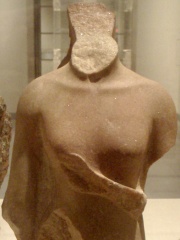
Meketaten
COMPANION
1348 BC - 1338 BC
HPI: 67.38
Miejsce: 208
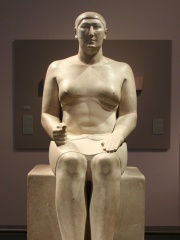
Hemiunu
ARCHITECT
2500 BC - 2501 BC
HPI: 67.31
Miejsce: 209
An-Nasir Muhammad
POLITICIAN
1285 - 1341
HPI: 67.30
Miejsce: 210

Dhul-Nun al-Misri
PHILOSOPHER
796 - 859
HPI: 67.23
Miejsce: 211
As-Salih Ayyub
POLITICIAN
1205 - 1249
HPI: 67.22
Miejsce: 212
Mohammed Badie
POLITICIAN
1943 - obecnie
HPI: 67.21
Miejsce: 213

Al-Tahawi
LAWYER
853 - 935
HPI: 67.02
Miejsce: 214
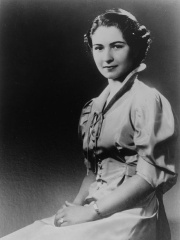
Farida of Egypt
COMPANION
1921 - 1988
HPI: 66.98
Miejsce: 215
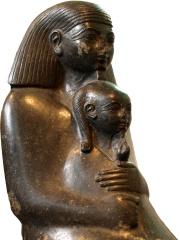
Neferure
POLITICIAN
1500 BC - 1500 BC
HPI: 66.95
Miejsce: 216

Al-Maqrizi
HISTORIAN
1364 - 1442
HPI: 66.91
Miejsce: 217
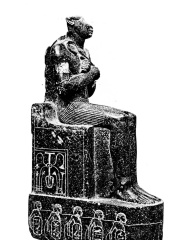
Psusennes II
PHYSICIAN
1100 BC - 945 BC
HPI: 66.89
Miejsce: 218
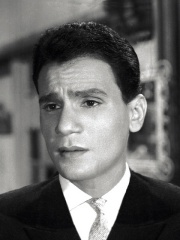
Abdel Halim Hafez
MUSICIAN
1929 - 1977
HPI: 66.87
Miejsce: 219
Wśród przedstawicieli zawodu Polityk w kraju Egipt
Wśród przedstawicieli zawodu „Polityk” urodzonych w kraju Egipt Mohammed Badie zajmuje 102. miejsce. Przed nim są Mentuhotep III (-2050), Autobiography of Harkhuf (-2300), Kiya (-1400), Tetisheri (-1600), An-Nasir Muhammad (1285), i As-Salih Ayyub (1205). Po nim są Neferure (-1500), Abd al-Aziz ibn Musa (700), Al-Mustansir Billah (1029), Neferkaure (-2150), Abdel Hakim Amer (1919), i Al-Musta'li (1076).
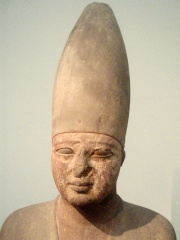
Mentuhotep III
2050 BC - 2005 BC
HPI: 67.63
Miejsce: 96
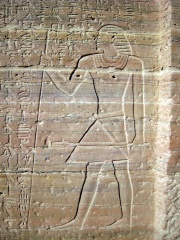
Autobiography of Harkhuf
2300 BC - 2259 BC
HPI: 67.47
Miejsce: 97
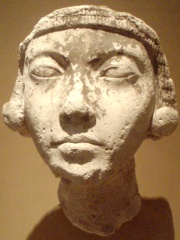
Kiya
1400 BC - 1400 BC
HPI: 67.46
Miejsce: 98
Tetisheri
1600 BC - 1540 BC
HPI: 67.40
Miejsce: 99
An-Nasir Muhammad
1285 - 1341
HPI: 67.30
Miejsce: 100
As-Salih Ayyub
1205 - 1249
HPI: 67.22
Miejsce: 101
Mohammed Badie
1943 - obecnie
HPI: 67.21
Miejsce: 102
Neferure
1500 BC - 1500 BC
HPI: 66.95
Miejsce: 103

Abd al-Aziz ibn Musa
700 - 716
HPI: 66.86
Miejsce: 104
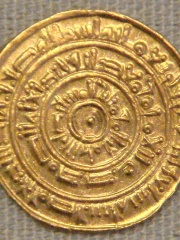
Al-Mustansir Billah
1029 - 1094
HPI: 66.71
Miejsce: 105
Neferkaure
2150 BC - 2200 BC
HPI: 66.70
Miejsce: 106
Abdel Hakim Amer
1919 - 1967
HPI: 66.44
Miejsce: 107
Al-Musta'li
1076 - 1101
HPI: 66.31
Miejsce: 108




