政治家
Aníbal Torres
1942 - 至今

 Aníbal Torres
知名度指标
19k
页面浏览量
过去12个月
54.14
HPI
历史知名度指数
Aníbal Torres的各语言页面浏览量
在政治家中
在政治家中,Aníbal Torres排名第16,032位(共19,576人)。 排在他之前的有:Joshua Chamberlain, Mohamed Amin Didi, Peter Altmaier, Grigol Vashadze, Yuri Shchekochikhin, 和Juhan Parts. 排在他之后的有:Ashur-nirari I, Aden Madobe, Stefanie Clausen, Michel Roger, Ritt Bjerregaard, 和Hédi Annabi.
维基百科上最受欢迎的政治家
查看全部排名
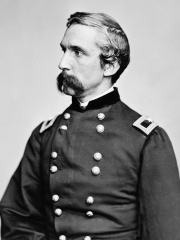
Joshua Chamberlain
1828 - 1914
HPI: 54.15
排名: 16,033
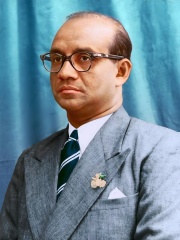
Mohamed Amin Didi
1910 - 1954
HPI: 54.14
排名: 16,034

Peter Altmaier
1958 - 至今
HPI: 54.14
排名: 16,035

Grigol Vashadze
1958 - 至今
HPI: 54.14
排名: 16,036

Yuri Shchekochikhin
1950 - 2003
HPI: 54.14
排名: 16,037

Juhan Parts
1966 - 至今
HPI: 54.14
排名: 16,038
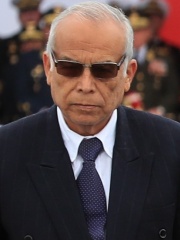
Aníbal Torres
1942 - 至今
HPI: 54.14
排名: 16,039

Ashur-nirari I
1600 BC - 1600 BC
HPI: 54.14
排名: 16,040
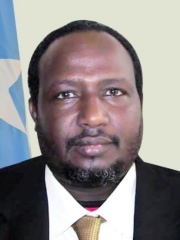
Aden Madobe
1956 - 至今
HPI: 54.14
排名: 16,041

Stefanie Clausen
1900 - 1981
HPI: 54.13
排名: 16,042

Michel Roger
1949 - 至今
HPI: 54.13
排名: 16,043

Ritt Bjerregaard
1941 - 2023
HPI: 54.13
排名: 16,044

Hédi Annabi
1943 - 2010
HPI: 54.13
排名: 16,045

同时代人物
在1942年出生的人中,Aníbal Torres排名第561位。 排在他之前的有:Laila Freivalds, Gabriel Núñez, José Luis González Dávila, James Soong, Zoltán Nemere, 和Wayne Newton. 排在他之后的有:Donald E. Williams, Edmond Baraffe, Jaime Graça, Aníbal Ruiz, Martin Cruz Smith, 和Michael Crawford.
其他1942年出生的人
查看全部排名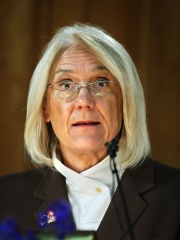
Laila Freivalds
POLITICIAN
1942 - 至今
HPI: 54.23
排名: 555

Gabriel Núñez
SOCCER PLAYER
1942 - 2021
HPI: 54.22
排名: 556

José Luis González Dávila
SOCCER PLAYER
1942 - 1995
HPI: 54.18
排名: 557

James Soong
POLITICIAN
1942 - 至今
HPI: 54.16
排名: 558

Zoltán Nemere
ATHLETE
1942 - 2001
HPI: 54.15
排名: 559

Wayne Newton
SINGER
1942 - 至今
HPI: 54.15
排名: 560
Aníbal Torres
POLITICIAN
1942 - 至今
HPI: 54.14
排名: 561

Donald E. Williams
ASTRONAUT
1942 - 2016
HPI: 54.12
排名: 562

Edmond Baraffe
SOCCER PLAYER
1942 - 2020
HPI: 54.11
排名: 563
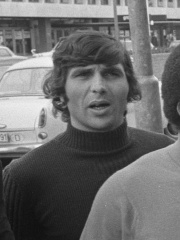
Jaime Graça
SOCCER PLAYER
1942 - 2012
HPI: 54.11
排名: 564

Aníbal Ruiz
SOCCER PLAYER
1942 - 2017
HPI: 54.10
排名: 565
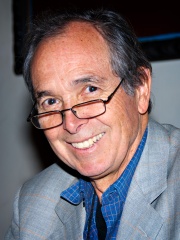
Martin Cruz Smith
WRITER
1942 - 2025
HPI: 54.08
排名: 566

Michael Crawford
ACTOR
1942 - 至今
HPI: 54.06
排名: 567
在秘鲁
在出生于秘鲁的人中,Aníbal Torres排名第139位(共NaN人)。 排在他之前的有:Juan Francisco de Vidal (1800), Clorinda Matto de Turner (1854), Lizardo Rodríguez Nue (1910), Demetrio Neyra (1908), Betty Missiego (1938), 和Marcos Calderón (1928). 排在他之后的有:Gustavo Jiménez (1886), Juan Alfonso Valle (1905), Juan Crisóstomo Torrico (1808), Juan Seminario (1936), Lizardo Montero Flores (1832), 和Domingo García (1904).
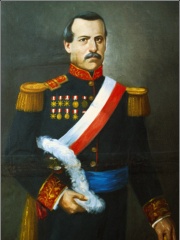
Juan Francisco de Vidal
POLITICIAN
1800 - 1863
HPI: 54.38
排名: 133
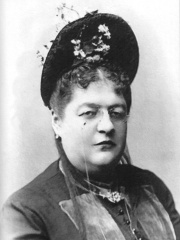
Clorinda Matto de Turner
WRITER
1854 - 1909
HPI: 54.37
排名: 134

Lizardo Rodríguez Nue
SOCCER PLAYER
1910 - 至今
HPI: 54.36
排名: 135

Demetrio Neyra
SOCCER PLAYER
1908 - 1957
HPI: 54.35
排名: 136

Betty Missiego
SINGER
1938 - 至今
HPI: 54.22
排名: 137
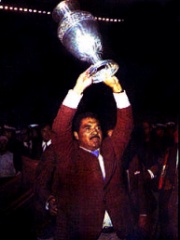
Marcos Calderón
SOCCER PLAYER
1928 - 1987
HPI: 54.20
排名: 138
Aníbal Torres
POLITICIAN
1942 - 至今
HPI: 54.14
排名: 139
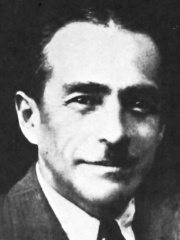
Gustavo Jiménez
POLITICIAN
1886 - 1933
HPI: 54.02
排名: 140

Juan Alfonso Valle
SOCCER PLAYER
1905 - 至今
HPI: 53.98
排名: 141
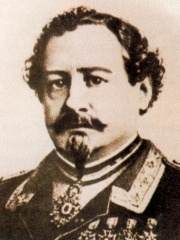
Juan Crisóstomo Torrico
POLITICIAN
1808 - 1875
HPI: 53.97
排名: 142
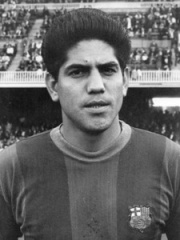
Juan Seminario
SOCCER PLAYER
1936 - 至今
HPI: 53.82
排名: 143
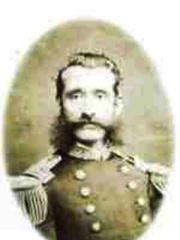
Lizardo Montero Flores
POLITICIAN
1832 - 1905
HPI: 53.69
排名: 144

Domingo García
SOCCER PLAYER
1904 - 1986
HPI: 53.53
排名: 145
在秘鲁的政治家中
在出生于秘鲁的政治家中,Aníbal Torres排名第66位。 排在他之前的有:Serapio Calderón (1843), José Bernardo de Tagle y Portocarrero, 4th Marquess of Torre Tagle (1779), Manuel Menéndez (1793), Manuel Pardo (1834), Juan Antonio Pezet (1809), 和Juan Francisco de Vidal (1800). 排在他之后的有:Gustavo Jiménez (1886), Juan Crisóstomo Torrico (1808), Lizardo Montero Flores (1832), Justiniano Borgoño (1836), Justo Figuerola (1771), 和Manuel Ignacio de Vivanco (1806).
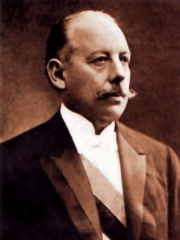
Serapio Calderón
1843 - 1922
HPI: 55.17
排名: 60
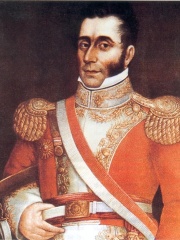
José Bernardo de Tagle y Portocarrero, 4th Marquess of Torre Tagle
1779 - 1825
HPI: 54.59
排名: 61
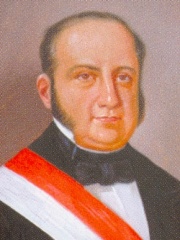
Manuel Menéndez
1793 - 1847
HPI: 54.53
排名: 62
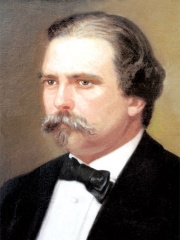
Manuel Pardo
1834 - 1878
HPI: 54.53
排名: 63
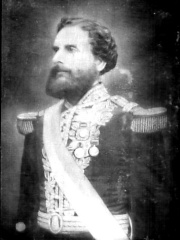
Juan Antonio Pezet
1809 - 1879
HPI: 54.49
排名: 64
Juan Francisco de Vidal
1800 - 1863
HPI: 54.38
排名: 65
Aníbal Torres
1942 - 至今
HPI: 54.14
排名: 66
Gustavo Jiménez
1886 - 1933
HPI: 54.02
排名: 67
Juan Crisóstomo Torrico
1808 - 1875
HPI: 53.97
排名: 68
Lizardo Montero Flores
1832 - 1905
HPI: 53.69
排名: 69
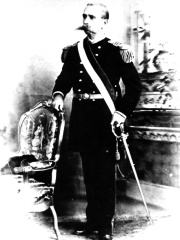
Justiniano Borgoño
1836 - 1921
HPI: 53.46
排名: 70
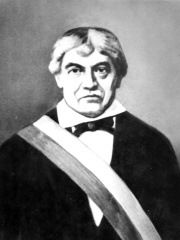
Justo Figuerola
1771 - 1854
HPI: 53.40
排名: 71
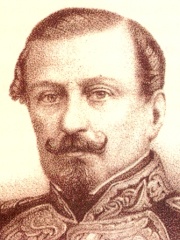
Manuel Ignacio de Vivanco
1806 - 1873
HPI: 53.39
排名: 72




