Personnalité religieuse
Pietro Riario
1447 - 1474
PAGES VUES SUR FR.WIKIPEDIA (PV)
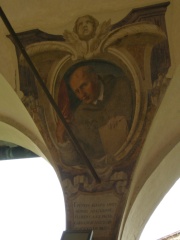
 Pietro Riario
Sa biographie est disponible en 18 langues sur Wikipédia (en hausse par rapport à 17 en 2024). Pietro Riario est le 1,757th personnalité religieuse le plus populaire (en baisse du 1,654th en 2024), la 2,317th biographie la plus populaire d'Italie (en hausse du 2,416th en 2019), ainsi que le 421st personnalité religieuse d'Italie le plus populaire.
Indicateurs de mémorabilité
8.4k
Pages vues
12 derniers mois
62.02
HPI
Indice de popularité historique
Faits marquants
18
La biographie de Pietro Riario couvre 18 éditions linguistiques de Wikipédia et obtient un Indice de Popularité Historique de 62.02.
Pages vues de Pietro Riario par langue
Parmi les Personnalité religieuse
Parmi les Personnalité religieuse, Pietro Riario occupe le rang 1,757 sur 3,189. Avant lui viennent John Morton, Quirinus of Sescia, Tekla Juniewicz, Jacques de Vitry, Juan García Rodríguez, et Francisco Álvarez Martínez. Après lui viennent Epaphras, Emil Krebs, Alexander of Bergamo, Willibald, Soga no Umako, et Antonio Caggiano.
Personnalité religieuse les plus populaires sur Wikipédia
Voir tous les classements
John Morton
1420 - 1500
HPI : 62.03
Rang : 1,751
Quirinus of Sescia
300 - 309
HPI : 62.03
Rang : 1,752
Tekla Juniewicz
1906 - 2022
HPI : 62.03
Rang : 1,753
Jacques de Vitry
1170 - 1240
HPI : 62.03
Rang : 1,754
Juan García Rodríguez
1948 - présent
HPI : 62.02
Rang : 1,755
Francisco Álvarez Martínez
1925 - 2022
HPI : 62.02
Rang : 1,756
Pietro Riario
1447 - 1474
HPI : 62.02
Rang : 1,757
Epaphras
100 - 100
HPI : 62.00
Rang : 1,758
Emil Krebs
1867 - 1930
HPI : 62.00
Rang : 1,759
Alexander of Bergamo
201 - 303
HPI : 62.00
Rang : 1,760
Willibald
700 - 787
HPI : 61.99
Rang : 1,761

Soga no Umako
551 - 626
HPI : 61.98
Rang : 1,762

Antonio Caggiano
1889 - 1979
HPI : 61.98
Rang : 1,763

Contemporains
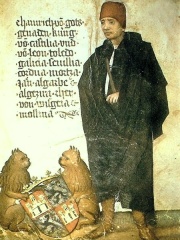
Parmi les personnes nées en 1447, Pietro Riario occupe le rang 7. Avant lui viennent Bayezid II, Chenghua Emperor, Albert IV, Duke of Bavaria, Philippe de Commines, Giovanni Antonio Amadeo, et Catherine of Genoa. Après lui viennent Eberhard II, Duke of Württemberg, Constantine II of Georgia, et Maria of Serbia, Queen of Bosnia. Parmi les personnes décédées en 1474, Pietro Riario occupe le rang 6. Avant lui viennent Guillaume Du Fay, Henry IV of Castile, 1st Dalai Lama, Mahmud Pasha Angelović, et Ali Qushji. Après lui viennent Eric II, Duke of Pomerania, Nicolò Marcello, et Juan Pacheco.
Autres personnes nées en 1447
Voir tous les classements
Bayezid II
POLITICIAN
1447 - 1512
HPI : 83.64
Rang : 1
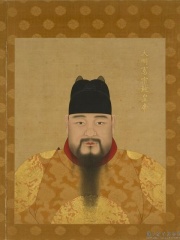
Chenghua Emperor
POLITICIAN
1447 - 1487
HPI : 70.94
Rang : 2
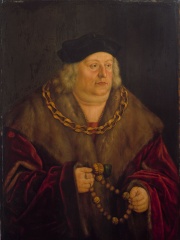
Albert IV, Duke of Bavaria
POLITICIAN
1447 - 1508
HPI : 66.34
Rang : 3
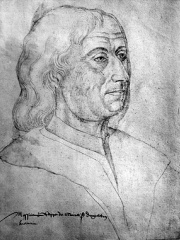
Philippe de Commines
WRITER
1447 - 1511
HPI : 64.80
Rang : 4
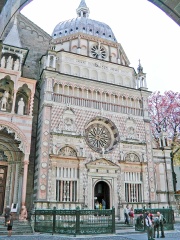
Giovanni Antonio Amadeo
ARCHITECT
1447 - 1522
HPI : 63.06
Rang : 5
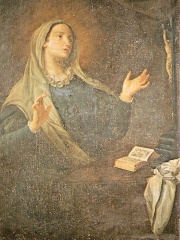
Catherine of Genoa
RELIGIOUS FIGURE
1447 - 1510
HPI : 62.83
Rang : 6
Pietro Riario
RELIGIOUS FIGURE
1447 - 1474
HPI : 62.02
Rang : 7
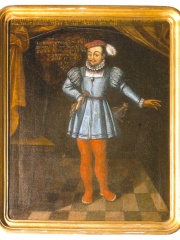
Eberhard II, Duke of Württemberg
POLITICIAN
1447 - 1504
HPI : 60.86
Rang : 8
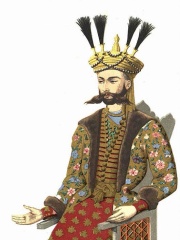
Constantine II of Georgia
POLITICIAN
1447 - 1505
HPI : 60.47
Rang : 9
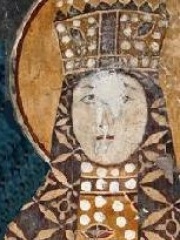
Maria of Serbia, Queen of Bosnia
POLITICIAN
1447 - 1500
HPI : 60.29
Rang : 10
Autres personnes décédées en 1474
Voir tous les classements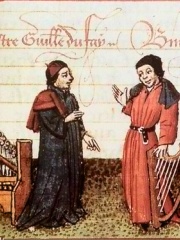
Guillaume Du Fay
COMPOSER
1397 - 1474
HPI : 79.12
Rang : 1
Henry IV of Castile
WRITER
1425 - 1474
HPI : 72.11
Rang : 2

1st Dalai Lama
POLITICIAN
1391 - 1474
HPI : 71.36
Rang : 3
Mahmud Pasha Angelović
POLITICIAN
1420 - 1474
HPI : 66.84
Rang : 4
Ali Qushji
ASTRONOMER
1403 - 1474
HPI : 63.65
Rang : 5
Pietro Riario
RELIGIOUS FIGURE
1447 - 1474
HPI : 62.02
Rang : 6
Eric II, Duke of Pomerania
NOBLEMAN
1418 - 1474
HPI : 61.71
Rang : 7
Nicolò Marcello
POLITICIAN
1397 - 1474
HPI : 59.00
Rang : 8

Juan Pacheco
ATHLETE
1419 - 1474
HPI : 57.52
Rang : 9
En Italie
Parmi les personnes nées en Italie, Pietro Riario occupe le rang 2,317 sur 5,905. Avant lui viennent Cristoforo Buondelmonti (1385), Achille Silvestrini (1923), Ernesto Cesàro (1859), Antonio Di Natale (1977), Stefano Casiraghi (1960), et John, Duke of Durazzo (1294). Après lui viennent Lucius Domitius Ahenobarbus (-98), Constantin Hansen (1804), Lucrezia d'Este (1535), Ninetto Davoli (1948), Laura Betti (1927), et Alexander of Bergamo (201).
Autres personnes nées en Italie
Voir tous les classements
Cristoforo Buondelmonti
EXPLORER
1385 - 1430
HPI : 62.03
Rang : 2,311
Achille Silvestrini
RELIGIOUS FIGURE
1923 - 2019
HPI : 62.03
Rang : 2,312
Ernesto Cesàro
MATHEMATICIAN
1859 - 1906
HPI : 62.03
Rang : 2,313
Antonio Di Natale
SOCCER PLAYER
1977 - présent
HPI : 62.03
Rang : 2,314

Stefano Casiraghi
BUSINESSPERSON
1960 - 1990
HPI : 62.02
Rang : 2,315
John, Duke of Durazzo
NOBLEMAN
1294 - 1336
HPI : 62.02
Rang : 2,316
Pietro Riario
RELIGIOUS FIGURE
1447 - 1474
HPI : 62.02
Rang : 2,317

Lucius Domitius Ahenobarbus
POLITICIAN
98 BC - 48 BC
HPI : 62.02
Rang : 2,318
Constantin Hansen
PAINTER
1804 - 1880
HPI : 62.01
Rang : 2,319
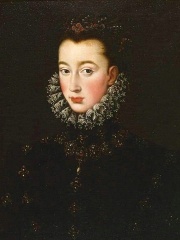
Lucrezia d'Este
NOBLEMAN
1535 - 1598
HPI : 62.01
Rang : 2,320
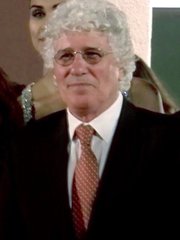
Ninetto Davoli
ACTOR
1948 - présent
HPI : 62.01
Rang : 2,321
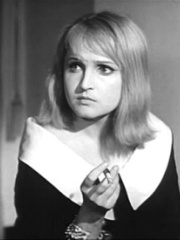
Laura Betti
ACTOR
1927 - 2004
HPI : 62.00
Rang : 2,322
Alexander of Bergamo
RELIGIOUS FIGURE
201 - 303
HPI : 62.00
Rang : 2,323
Parmi les Personnalité religieuse en Italie
Parmi les Personnalité religieuse nés en Italie, Pietro Riario occupe le rang 421. Avant lui viennent Clare of Montefalco (1268), Lanfranc (1005), Giuseppe Betori (1947), Teodolfo Mertel (1806), Gaspar del Bufalo (1786), et Achille Silvestrini (1923). Après lui viennent Alexander of Bergamo (201), Felix of Nola (300), Saint Homobonus (1117), Antonio Barberini (1607), Giovanni Morone (1509), et Antonio Maria Vegliò (1938).
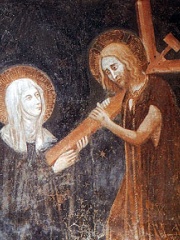
Clare of Montefalco
1268 - 1308
HPI : 62.27
Rang : 415
Lanfranc
1005 - 1089
HPI : 62.26
Rang : 416
Giuseppe Betori
1947 - présent
HPI : 62.20
Rang : 417
Teodolfo Mertel
1806 - 1899
HPI : 62.09
Rang : 418
Gaspar del Bufalo
1786 - 1837
HPI : 62.04
Rang : 419
Achille Silvestrini
1923 - 2019
HPI : 62.03
Rang : 420
Pietro Riario
1447 - 1474
HPI : 62.02
Rang : 421
Alexander of Bergamo
201 - 303
HPI : 62.00
Rang : 422
Felix of Nola
300 - 313
HPI : 61.96
Rang : 423
Saint Homobonus
1117 - 1197
HPI : 61.96
Rang : 424
Antonio Barberini
1607 - 1671
HPI : 61.91
Rang : 425
Giovanni Morone
1509 - 1580
HPI : 61.80
Rang : 426
Antonio Maria Vegliò
1938 - présent
HPI : 61.77
Rang : 427




