Trener
Vicente del Bosque
1950 - obecnie
PL.WIKIPEDIA PAGE VIEWS (PV)
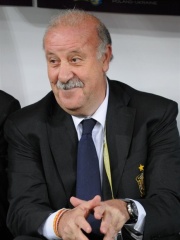
 Vicente del Bosque
Jego biografia jest dostępna w 54 różnych językach w Wikipedii. Vicente del Bosque jest 17. najpopularniejszym trener (spadek z 14. w 2024 roku), 95. najpopularniejszą biografią Hiszpania (spadek z 84. w 2019 roku) oraz 3. najpopularniejszym trener Hiszpania.
Memorability Metrics
470k
Page Views
Past 12 months
74.89
HPI
Historical Popularity Index
Page views of Vicente del Bosque by language
Among Treners
Among treners, Vicente del Bosque ranks 17 out of 471. Before him are Leo Beenhakker, Hansi Flick, Guus Hiddink, Rafael Benítez, Giovanni Trapattoni, and Marco van Basten. After him are Luiz Felipe Scolari, Rinus Michels, Marcello Lippi, Luis Aragonés, Jürgen Klopp, and Diego Simeone.
Most Popular Treners in Wikipedia
Go to all Rankings
Leo Beenhakker
1942 - 2025
HPI: 75.46
Rank: 11
Hansi Flick
1965 - Present
HPI: 75.42
Rank: 12
Guus Hiddink
1946 - Present
HPI: 75.16
Rank: 13
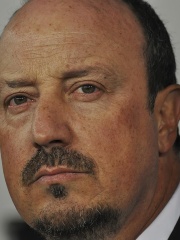
Rafael Benítez
1960 - Present
HPI: 75.12
Rank: 14
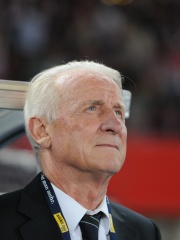
Giovanni Trapattoni
1939 - Present
HPI: 75.09
Rank: 15
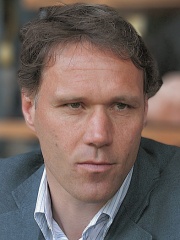
Marco van Basten
1964 - Present
HPI: 74.92
Rank: 16
Vicente del Bosque
1950 - Present
HPI: 74.89
Rank: 17
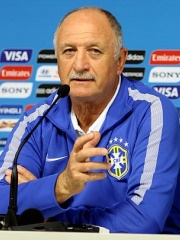
Luiz Felipe Scolari
1948 - Present
HPI: 74.40
Rank: 18
Rinus Michels
1928 - 2005
HPI: 74.34
Rank: 19
Marcello Lippi
1948 - Present
HPI: 74.05
Rank: 20
Luis Aragonés
1938 - 2014
HPI: 74.00
Rank: 21
Jürgen Klopp
1967 - Present
HPI: 73.67
Rank: 22
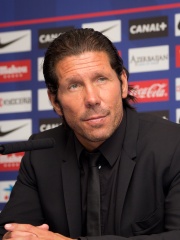
Diego Simeone
1970 - Present
HPI: 73.34
Rank: 23

Contemporaries
Among people born in 1950, Vicente del Bosque ranks 11. Before him are Agnetha Fältskog, Georg Bednorz, Sergey Lavrov, Abdullah Gül, Tom Petty, and Jay Leno. After him are Sahle-Work Zewde, Stevie Wonder, Jim Mattis, Goran Bregović, Steve Wozniak, and Gilles Villeneuve.
Others Born in 1950
Go to all Rankings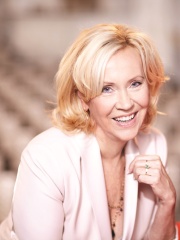
Agnetha Fältskog
SINGER
1950 - Present
HPI: 76.85
Rank: 5
Georg Bednorz
PHYSICIST
1950 - Present
HPI: 76.58
Rank: 6
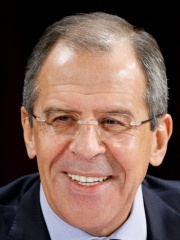
Sergey Lavrov
POLITICIAN
1950 - Present
HPI: 76.47
Rank: 7
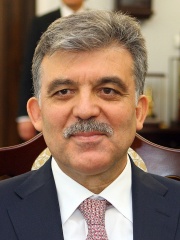
Abdullah Gül
POLITICIAN
1950 - Present
HPI: 75.95
Rank: 8
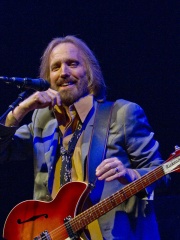
Tom Petty
MUSICIAN
1950 - 2017
HPI: 75.53
Rank: 9
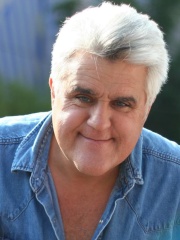
Jay Leno
PRESENTER
1950 - Present
HPI: 75.44
Rank: 10
Vicente del Bosque
COACH
1950 - Present
HPI: 74.89
Rank: 11

Sahle-Work Zewde
POLITICIAN
1950 - Present
HPI: 74.61
Rank: 12
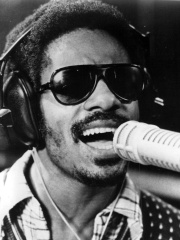
Stevie Wonder
SINGER
1950 - Present
HPI: 73.96
Rank: 13
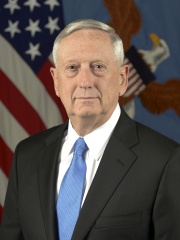
Jim Mattis
POLITICIAN
1950 - Present
HPI: 73.59
Rank: 14
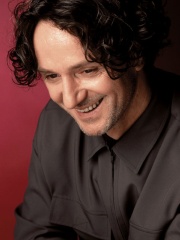
Goran Bregović
MUSICIAN
1950 - Present
HPI: 73.47
Rank: 15
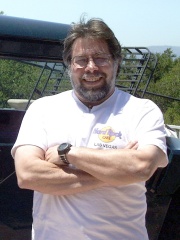
Steve Wozniak
INVENTOR
1950 - Present
HPI: 73.34
Rank: 16
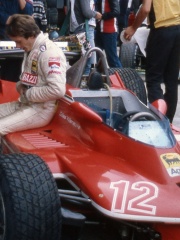
Gilles Villeneuve
RACING DRIVER
1950 - 1982
HPI: 73.07
Rank: 17
In Hiszpania
Among people born in Hiszpania, Vicente del Bosque ranks 95 out of NaN. Before him are Juan Gris (1887), Alfonso XII of Spain (1857), Rafael Benítez (1960), Fernando Álvarez de Toledo, 3rd Duke of Alba (1507), Vasco Núñez de Balboa (1475), and Joaquín Rodrigo (1901). After him are Peter III of Aragon (1239), José Ortega y Gasset (1883), Alfonso VI of León and Castile (1040), Magnus Maximus (335), Alfonso V of Aragon (1396), and Blanche of Castile (1188).
Others born in Hiszpania
Go to all Rankings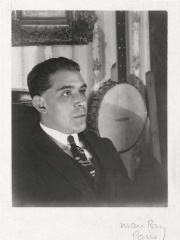
Juan Gris
PAINTER
1887 - 1927
HPI: 75.25
Rank: 89
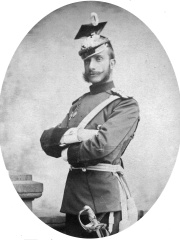
Alfonso XII of Spain
POLITICIAN
1857 - 1885
HPI: 75.25
Rank: 90
Rafael Benítez
COACH
1960 - Present
HPI: 75.12
Rank: 91
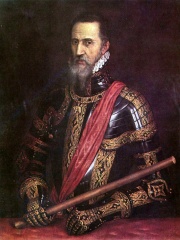
Fernando Álvarez de Toledo, 3rd Duke of Alba
POLITICIAN
1507 - 1582
HPI: 75.10
Rank: 92
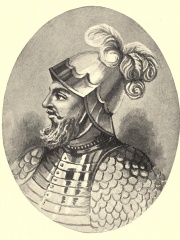
Vasco Núñez de Balboa
EXPLORER
1475 - 1519
HPI: 75.02
Rank: 93
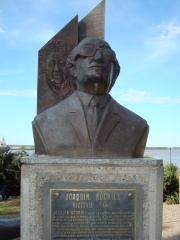
Joaquín Rodrigo
COMPOSER
1901 - 1999
HPI: 74.98
Rank: 94
Vicente del Bosque
COACH
1950 - Present
HPI: 74.89
Rank: 95
Peter III of Aragon
POLITICIAN
1239 - 1285
HPI: 74.77
Rank: 96
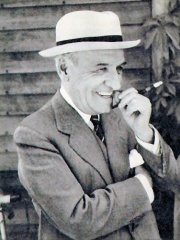
José Ortega y Gasset
PHILOSOPHER
1883 - 1955
HPI: 74.71
Rank: 97
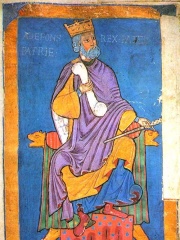
Alfonso VI of León and Castile
POLITICIAN
1040 - 1109
HPI: 74.67
Rank: 98
Magnus Maximus
POLITICIAN
335 - 388
HPI: 74.65
Rank: 99
Alfonso V of Aragon
POLITICIAN
1396 - 1458
HPI: 74.44
Rank: 100
Blanche of Castile
COMPANION
1188 - 1252
HPI: 74.27
Rank: 101
Among Treners In Hiszpania
Among treners born in Hiszpania, Vicente del Bosque ranks 3. Before him are Pep Guardiola (1971), and Rafael Benítez (1960). After him are Luis Aragonés (1938), Tito Vilanova (1968), Luis de la Fuente (1961), César Rodríguez Álvarez (1920), Unai Emery (1971), José Villalonga (1919), Juande Ramos (1954), Ramón Encinas (1893), and Benito Floro (1952).
Pep Guardiola
1971 - Present
HPI: 77.30
Rank: 1
Rafael Benítez
1960 - Present
HPI: 75.12
Rank: 2
Vicente del Bosque
1950 - Present
HPI: 74.89
Rank: 3
Luis Aragonés
1938 - 2014
HPI: 74.00
Rank: 4
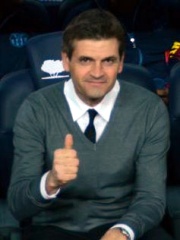
Tito Vilanova
1968 - 2014
HPI: 69.02
Rank: 5

Luis de la Fuente
1961 - Present
HPI: 68.89
Rank: 6
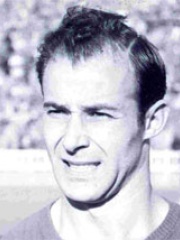
César Rodríguez Álvarez
1920 - 1995
HPI: 67.71
Rank: 7
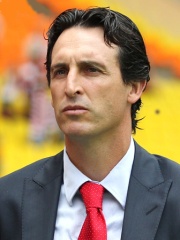
Unai Emery
1971 - Present
HPI: 65.81
Rank: 8

José Villalonga
1919 - 1973
HPI: 65.65
Rank: 9
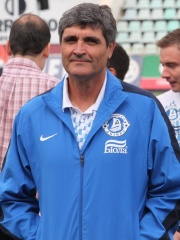
Juande Ramos
1954 - Present
HPI: 63.27
Rank: 10
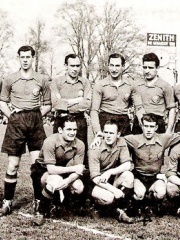
Ramón Encinas
1893 - 1967
HPI: 59.38
Rank: 11
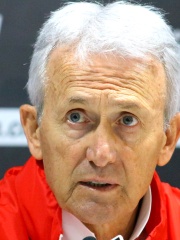
Benito Floro
1952 - Present
HPI: 58.60
Rank: 12




