Trainer
Luiz Felipe Scolari
1948 - heute
DE.WIKIPEDIA-SEITENAUFRUFE (PV)
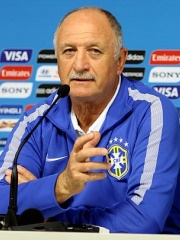
 Luiz Felipe Scolari
Seine Biografie ist in 58 verschiedenen Sprachen auf Wikipedia verfügbar. Luiz Felipe Scolari ist der 18th beliebteste Trainer (gesunken vom 16th im Jahr 2024), die 20th beliebteste Biografie aus Brasilien (gestiegen vom 24th im Jahr 2019) und der beliebteste aus Brasilien Trainer.
Bekanntheitsmetriken
390k
Seitenaufrufe
Letzte 12 Monate
74.40
HPI
Historischer Popularitätsindex
Daten-Einblicke
Seitenaufrufe von Luiz Felipe Scolari nach Sprache
Unter Trainer
Unter Trainer belegt Luiz Felipe Scolari Rang 18 von 563. Vor ihm stehen Hansi Flick, Guus Hiddink, Rafael Benítez, Giovanni Trapattoni, Marco van Basten, und Vicente del Bosque. Nach ihm folgen Rinus Michels, Marcello Lippi, Luis Aragonés, Jürgen Klopp, Diego Simeone, und Sven-Göran Eriksson.
Die beliebtesten Trainer auf Wikipedia
Zu allen Ranglisten

Hansi Flick
1965 - heute
HPI: 75.42
Rang: 12
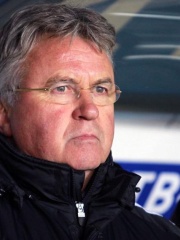
Guus Hiddink
1946 - heute
HPI: 75.16
Rang: 13
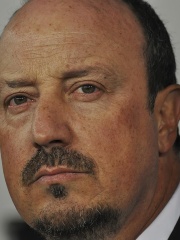
Rafael Benítez
1960 - heute
HPI: 75.12
Rang: 14
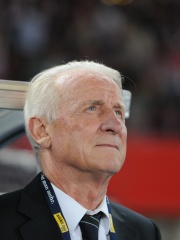
Giovanni Trapattoni
1939 - heute
HPI: 75.09
Rang: 15
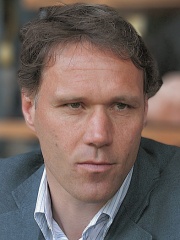
Marco van Basten
1964 - heute
HPI: 74.92
Rang: 16
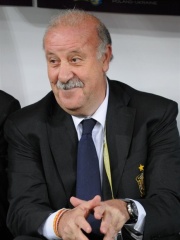
Vicente del Bosque
1950 - heute
HPI: 74.89
Rang: 17
Luiz Felipe Scolari
1948 - heute
HPI: 74.40
Rang: 18
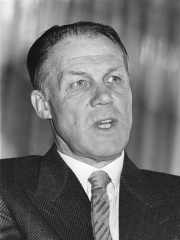
Rinus Michels
1928 - 2005
HPI: 74.34
Rang: 19
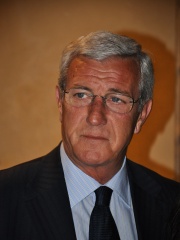
Marcello Lippi
1948 - heute
HPI: 74.05
Rang: 20
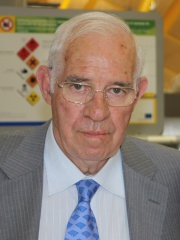
Luis Aragonés
1938 - 2014
HPI: 74.00
Rang: 21

Jürgen Klopp
1967 - heute
HPI: 73.67
Rang: 22

Diego Simeone
1970 - heute
HPI: 73.34
Rang: 23
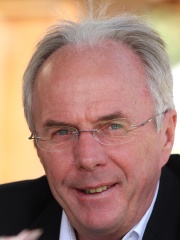
Sven-Göran Eriksson
1948 - 2024
HPI: 73.26
Rang: 24

Zeitgenossen
Unter den im Jahr 1948 Geborenen belegt Luiz Felipe Scolari Rang 22. Vor ihm stehen Hassan Rouhani, Eddie Jordan, Maurizio Gucci, Linda McMahon, Jan Palach, und Jeremy Irons. Nach ihm folgen Marcelo Rebelo de Sousa, Nick Drake, Charles Taylor, Khalifa bin Zayed Al Nahyan, Klaus Meine, und Olivia Newton-John.
Weitere im Jahr 1948 Geborene
Zu allen Ranglisten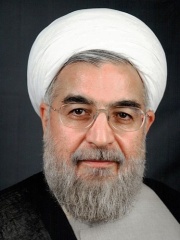
Hassan Rouhani
POLITICIAN
1948 - heute
HPI: 75.45
Rang: 16
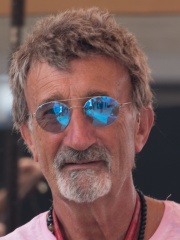
Eddie Jordan
BUSINESSPERSON
1948 - 2025
HPI: 75.29
Rang: 17
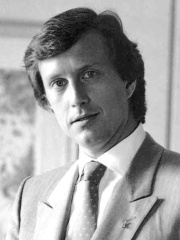
Maurizio Gucci
FASHION DESIGNER
1948 - 1995
HPI: 75.14
Rang: 18

Linda McMahon
BUSINESSPERSON
1948 - heute
HPI: 75.06
Rang: 19

Jan Palach
SOCIAL ACTIVIST
1948 - 1969
HPI: 75.04
Rang: 20

Jeremy Irons
ACTOR
1948 - heute
HPI: 74.81
Rang: 21
Luiz Felipe Scolari
COACH
1948 - heute
HPI: 74.40
Rang: 22
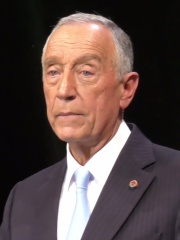
Marcelo Rebelo de Sousa
POLITICIAN
1948 - heute
HPI: 74.29
Rang: 23
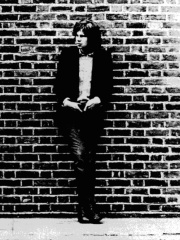
Nick Drake
MUSICIAN
1948 - 1974
HPI: 74.28
Rang: 24
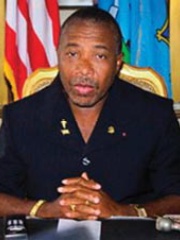
Charles Taylor
POLITICIAN
1948 - heute
HPI: 74.24
Rang: 25

Khalifa bin Zayed Al Nahyan
POLITICIAN
1948 - 2022
HPI: 74.16
Rang: 26

Klaus Meine
SINGER
1948 - heute
HPI: 74.15
Rang: 27

Olivia Newton-John
ACTOR
1948 - 2022
HPI: 74.12
Rang: 28
In Brasilien
Unter den in Brasilien Geborenen belegt Luiz Felipe Scolari Rang 20 von 2,779. Vor ihm stehen Jairzinho (1944), Sócrates (1954), Didi (1928), Rivellino (1946), Nelson Piquet (1952), und Roberto Carlos (1973). Nach ihm folgen Emerson Fittipaldi (1946), Getúlio Vargas (1882), Jorge Amado (1912), Carlos Alberto Torres (1944), João Havelange (1916), und Antônio Carlos Jobim (1927).
Weitere in Brasilien geborene Personen
Zu allen Ranglisten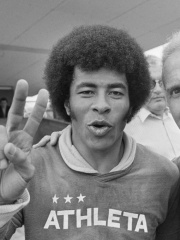
Jairzinho
SOCCER PLAYER
1944 - heute
HPI: 75.49
Rang: 14
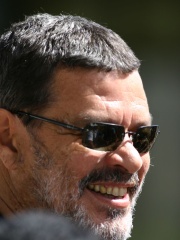
Sócrates
SOCCER PLAYER
1954 - 2011
HPI: 75.47
Rang: 15
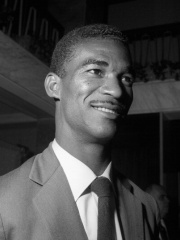
Didi
SOCCER PLAYER
1928 - 2001
HPI: 75.31
Rang: 16
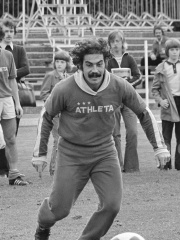
Rivellino
SOCCER PLAYER
1946 - heute
HPI: 75.24
Rang: 17
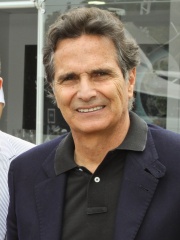
Nelson Piquet
RACING DRIVER
1952 - heute
HPI: 74.83
Rang: 18

Roberto Carlos
SOCCER PLAYER
1973 - heute
HPI: 74.66
Rang: 19
Luiz Felipe Scolari
COACH
1948 - heute
HPI: 74.40
Rang: 20
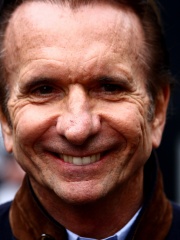
Emerson Fittipaldi
RACING DRIVER
1946 - heute
HPI: 74.29
Rang: 21
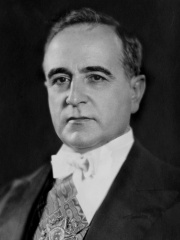
Getúlio Vargas
POLITICIAN
1882 - 1954
HPI: 74.28
Rang: 22
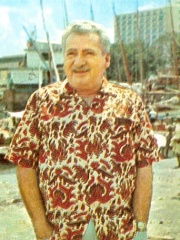
Jorge Amado
WRITER
1912 - 2001
HPI: 73.92
Rang: 23
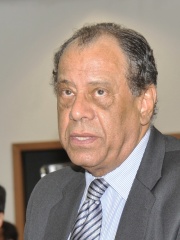
Carlos Alberto Torres
SOCCER PLAYER
1944 - 2016
HPI: 73.89
Rang: 24
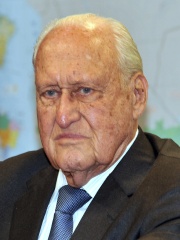
João Havelange
BUSINESSPERSON
1916 - 2016
HPI: 73.88
Rang: 25
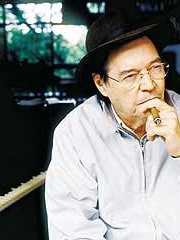
Antônio Carlos Jobim
MUSICIAN
1927 - 1994
HPI: 73.87
Rang: 26
Unter Trainer in Brasilien
Unter den in Brasilien geborenen Trainer belegt Luiz Felipe Scolari Rang 1. Nach ihm folgen Carlos Alberto Parreira (1943), Vicente Feola (1909), Leonardo Araújo (1969), Vanderlei Luxemburgo (1952), Sebastião Lazaroni (1950), Mazinho (1966), Adhemar Pimenta (1896), Zé Mário (1949), José Faria (1933), Oswaldo de Oliveira (1950), und Mano Menezes (1962).
Luiz Felipe Scolari
1948 - heute
HPI: 74.40
Rang: 1
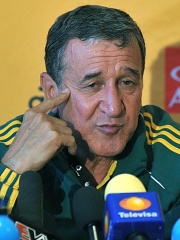
Carlos Alberto Parreira
1943 - heute
HPI: 72.47
Rang: 2
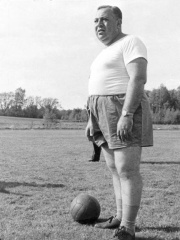
Vicente Feola
1909 - 1975
HPI: 66.88
Rang: 3

Leonardo Araújo
1969 - heute
HPI: 65.61
Rang: 4
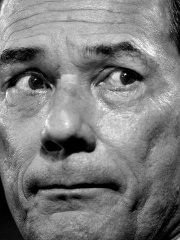
Vanderlei Luxemburgo
1952 - heute
HPI: 64.36
Rang: 5
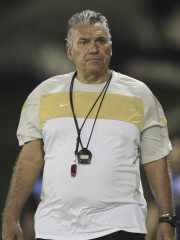
Sebastião Lazaroni
1950 - heute
HPI: 63.01
Rang: 6
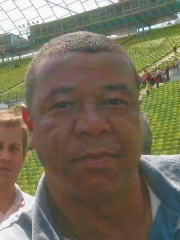
Mazinho
1966 - heute
HPI: 62.32
Rang: 7
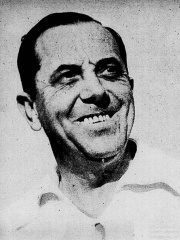
Adhemar Pimenta
1896 - 1970
HPI: 58.80
Rang: 8

Zé Mário
1949 - heute
HPI: 58.29
Rang: 9

José Faria
1933 - 2013
HPI: 57.83
Rang: 10

Oswaldo de Oliveira
1950 - heute
HPI: 57.15
Rang: 11

Mano Menezes
1962 - heute
HPI: 56.83
Rang: 12




