Postać religijna
Sophronius of Jerusalem
560 - 638
PL.WIKIPEDIA PAGE VIEWS (PV)
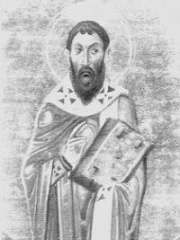
 Sophronius of Jerusalem
Jego biografia jest dostępna w 30 różnych językach w Wikipedii. Sophronius of Jerusalem jest 1000. najpopularniejszym postać religijna (spadek z 948. w 2024 roku), 73. najpopularniejszą biografią Syria (spadek z 62. w 2019 roku) oraz 10. najpopularniejszym postać religijna Syria.
Memorability Metrics
36k
Page Views
Past 12 months
66.98
HPI
Historical Popularity Index
Page views of Sophronius of Jerusalem by language
Among Postać religijnas
Among postać religijnas, Sophronius of Jerusalem ranks 1,000 out of 3,187. Before him are Benedict the Moor, Gotthard of Hildesheim, Jeremias II of Constantinople, Ascanio Sforza, Paula of Rome, and Otto of Bamberg. After him are Frumentius, Basil Fool for Christ, Peter Mogila, Leopold Mandić, John of Matha, and Vilna Gaon.
Most Popular Postać Religijnas in Wikipedia
Go to all Rankings

Benedict the Moor
1526 - 1589
HPI: 67.02
Rank: 994
Gotthard of Hildesheim
960 - 1038
HPI: 67.02
Rank: 995
Jeremias II of Constantinople
1536 - 1595
HPI: 67.01
Rank: 996
Ascanio Sforza
1455 - 1505
HPI: 67.01
Rank: 997
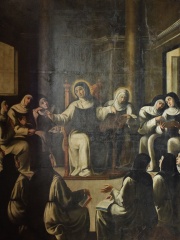
Paula of Rome
347 - 406
HPI: 67.00
Rank: 998
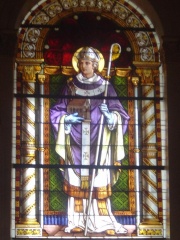
Otto of Bamberg
1060 - 1139
HPI: 66.99
Rank: 999
Sophronius of Jerusalem
560 - 638
HPI: 66.98
Rank: 1,000
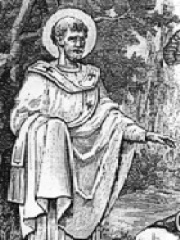
Frumentius
400 - 383
HPI: 66.97
Rank: 1,001
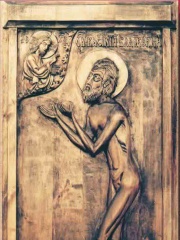
Basil Fool for Christ
1468 - 1552
HPI: 66.96
Rank: 1,002
Peter Mogila
1596 - 1647
HPI: 66.94
Rank: 1,003
Leopold Mandić
1866 - 1942
HPI: 66.93
Rank: 1,004
John of Matha
1150 - 1213
HPI: 66.89
Rank: 1,005
Vilna Gaon
1720 - 1797
HPI: 66.86
Rank: 1,006

Contemporaries
Among people born in 560, Sophronius of Jerusalem ranks 2. Before him is Isidore of Seville. After him are Tassilo I of Bavaria, Constantina, and Labīd. Among people deceased in 638, Sophronius of Jerusalem ranks 2. Before him is Pope Honorius I. After him is Sergius I of Constantinople.
Others Born in 560
Go to all Rankings
Isidore of Seville
RELIGIOUS FIGURE
560 - 636
HPI: 78.62
Rank: 1
Sophronius of Jerusalem
RELIGIOUS FIGURE
560 - 638
HPI: 66.98
Rank: 2

Tassilo I of Bavaria
POLITICIAN
560 - 609
HPI: 61.08
Rank: 3
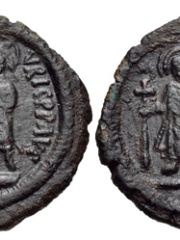
Constantina
POLITICIAN
560 - 605
HPI: 60.13
Rank: 4

Labīd
WRITER
560 - 661
HPI: 58.11
Rank: 5
Others Deceased in 638
Go to all Rankings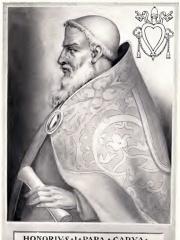
Pope Honorius I
RELIGIOUS FIGURE
585 - 638
HPI: 77.98
Rank: 1
Sophronius of Jerusalem
RELIGIOUS FIGURE
560 - 638
HPI: 66.98
Rank: 2

Sergius I of Constantinople
POLITICIAN
565 - 638
HPI: 64.27
Rank: 3
In Syria
Among people born in Syria, Sophronius of Jerusalem ranks 73 out of NaN. Before him are Apollinaris of Laodicea (310), Seleucus VI Epiphanes (-150), Herodian (170), Maher al-Assad (1967), Fakhr al-Mulk Radwan (1080), and Julia Maesa (165). After him are Farid al-Atrash (1910), Ibrahim ibn al-Walid (700), Adib Shishakli (1909), Ibn al-Shatir (1304), Abu Tammam (788), and Tuman bay II (1474).
Others born in Syria
Go to all Rankings
Apollinaris of Laodicea
RELIGIOUS FIGURE
310 - 390
HPI: 67.99
Rank: 67
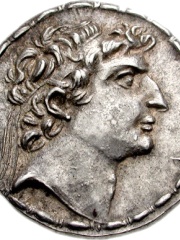
Seleucus VI Epiphanes
POLITICIAN
150 BC - 94 BC
HPI: 67.62
Rank: 68

Herodian
WRITER
170 - 250
HPI: 67.46
Rank: 69

Maher al-Assad
MILITARY PERSONNEL
1967 - Present
HPI: 67.15
Rank: 70

Fakhr al-Mulk Radwan
POLITICIAN
1080 - 1113
HPI: 67.13
Rank: 71

Julia Maesa
POLITICIAN
165 - 224
HPI: 67.06
Rank: 72
Sophronius of Jerusalem
RELIGIOUS FIGURE
560 - 638
HPI: 66.98
Rank: 73
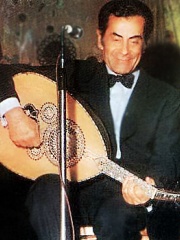
Farid al-Atrash
MUSICIAN
1910 - 1974
HPI: 66.85
Rank: 74
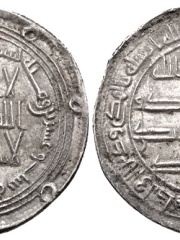
Ibrahim ibn al-Walid
POLITICIAN
700 - 750
HPI: 66.85
Rank: 75
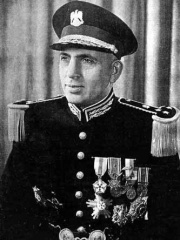
Adib Shishakli
POLITICIAN
1909 - 1964
HPI: 66.38
Rank: 76

Ibn al-Shatir
MATHEMATICIAN
1304 - 1375
HPI: 66.33
Rank: 77
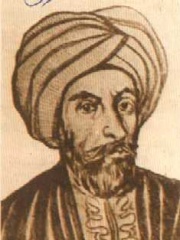
Abu Tammam
WRITER
788 - 846
HPI: 66.21
Rank: 78
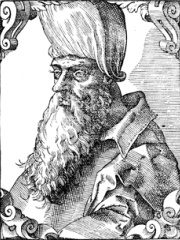
Tuman bay II
POLITICIAN
1474 - 1517
HPI: 66.05
Rank: 79
Among Postać religijnas In Syria
Among postać religijnas born in Syria, Sophronius of Jerusalem ranks 10. Before him are Ibn Qayyim al-Jawziyya (1292), Romanos the Melodist (490), Émile Benveniste (1902), Ananias of Damascus (100), Maron (301), and Apollinaris of Laodicea (310). After him are Youssef Absi (1946), Gregory Peter XX Ghabroyan (1934), Ignatius IV of Antioch (1920), John X of Antioch (1955), Eulogius of Alexandria (501), and Ibn Asakir (1105).

Ibn Qayyim al-Jawziyya
1292 - 1350
HPI: 70.56
Rank: 4
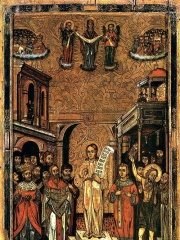
Romanos the Melodist
490 - 556
HPI: 69.91
Rank: 5

Émile Benveniste
1902 - 1976
HPI: 69.73
Rank: 6

Ananias of Damascus
100 - 100
HPI: 69.72
Rank: 7
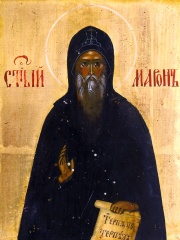
Maron
301 - 410
HPI: 68.60
Rank: 8
Apollinaris of Laodicea
310 - 390
HPI: 67.99
Rank: 9
Sophronius of Jerusalem
560 - 638
HPI: 66.98
Rank: 10
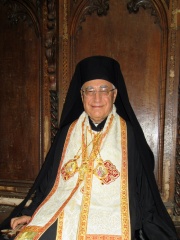
Youssef Absi
1946 - Present
HPI: 65.92
Rank: 11

Gregory Peter XX Ghabroyan
1934 - 2021
HPI: 64.25
Rank: 12
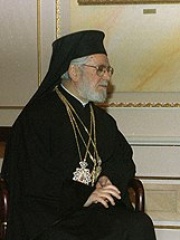
Ignatius IV of Antioch
1920 - 2012
HPI: 64.07
Rank: 13

John X of Antioch
1955 - Present
HPI: 63.92
Rank: 14
Eulogius of Alexandria
501 - 608
HPI: 63.89
Rank: 15

Ibn Asakir
1105 - 1176
HPI: 63.08
Rank: 16




