Figura religiosa
Ibn Asakir
1105 - 1176

 Ibn Asakir
La sua biografia è disponibile in 21 lingue su Wikipedia (in aumento rispetto a 19 nel 2024). Ibn Asakir è il 1550° figura religiosa più popolare (in calo dal 1114° nel 2024), la 112ª biografia più popolare della Siria (in calo dal 71ª nel 2019) e il 16° figura religiosa più popolare della Siria.
Metriche di memorabilità
40k
Visualizzazioni
Ultimi 12 mesi
63.08
HPI
Indice di popolarità storica
Visualizzazioni della pagina di Ibn Asakir per lingua
Tra Figura religiosa
Tra Figura religiosa, Ibn Asakir occupa la posizione 1,550 su 3,187. Prima di lui ci sono Thomas Williams, John XIV of Constantinople, Ahmad al-Tijani, Naropa, Rimbert, e Jean Zerbo. Dopo di lui ci sono Hujr ibn Adi, Michael the Syrian, Benjamin I of Constantinople, Abdullah ibn Ja'far, Juan Carlos Aramburu, e Hudson Taylor.
Figura religiosa più popolari su Wikipedia
Vai a tutte le classifiche
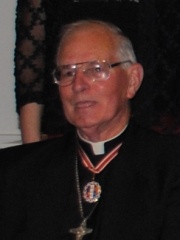
Thomas Williams
1930 - 2023
HPI: 63.11
Posizione: 1,544
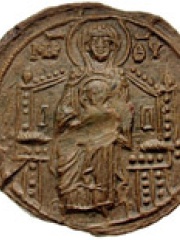
John XIV of Constantinople
1282 - 1347
HPI: 63.11
Posizione: 1,545
Ahmad al-Tijani
1735 - 1815
HPI: 63.09
Posizione: 1,546

Naropa
1016 - 1100
HPI: 63.09
Posizione: 1,547

Rimbert
830 - 888
HPI: 63.09
Posizione: 1,548
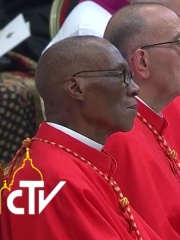
Jean Zerbo
1943 - presente
HPI: 63.09
Posizione: 1,549
Ibn Asakir
1105 - 1176
HPI: 63.08
Posizione: 1,550
Hujr ibn Adi
600 - 660
HPI: 63.08
Posizione: 1,551

Michael the Syrian
1126 - 1199
HPI: 63.07
Posizione: 1,552
Benjamin I of Constantinople
1871 - 1946
HPI: 63.07
Posizione: 1,553
Abdullah ibn Ja'far
650 - 680
HPI: 63.06
Posizione: 1,554
Juan Carlos Aramburu
1912 - 2004
HPI: 63.05
Posizione: 1,555
Hudson Taylor
1832 - 1905
HPI: 63.05
Posizione: 1,556

Contemporanei
Tra le persone nate nel 1105, Ibn Asakir occupa la posizione 6. Prima di lui ci sono Alfonso VII of León and Castile, Melisende, Queen of Jerusalem, Władysław II the Exile, Mahmud II, e Philip of Sweden. Dopo di lui ci sono Herman III, Margrave of Baden, e Ingrid Ragnvaldsdotter. Tra le persone decedute nel 1176, Ibn Asakir occupa la posizione 4. Prima di lui ci sono Richard de Clare, 2nd Earl of Pembroke, Emperor Rokujō, e Mikhail of Vladimir. Dopo di lui ci sono Matthias I, Duke of Lorraine, e Rosamund Clifford.
Altre persone nate nel 1105
Vai a tutte le classifiche
Alfonso VII of León and Castile
POLITICIAN
1105 - 1157
HPI: 70.86
Posizione: 1

Melisende, Queen of Jerusalem
POLITICIAN
1105 - 1161
HPI: 69.88
Posizione: 2
Władysław II the Exile
POLITICIAN
1105 - 1159
HPI: 67.48
Posizione: 3
Mahmud II
POLITICIAN
1105 - 1131
HPI: 66.64
Posizione: 4

Philip of Sweden
POLITICIAN
1105 - 1118
HPI: 65.95
Posizione: 5
Ibn Asakir
RELIGIOUS FIGURE
1105 - 1176
HPI: 63.08
Posizione: 6

Herman III, Margrave of Baden
POLITICIAN
1105 - 1160
HPI: 62.66
Posizione: 7
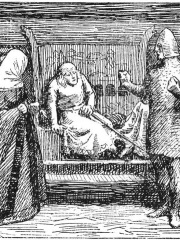
Ingrid Ragnvaldsdotter
COMPANION
1105 - 1161
HPI: 57.24
Posizione: 8
Altre persone decedute nel 1176
Vai a tutte le classifiche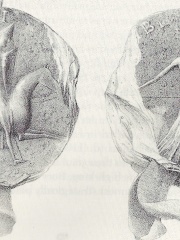
Richard de Clare, 2nd Earl of Pembroke
RELIGIOUS FIGURE
1130 - 1176
HPI: 66.26
Posizione: 1
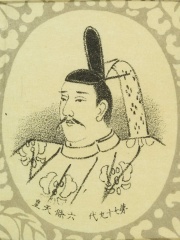
Emperor Rokujō
POLITICIAN
1164 - 1176
HPI: 65.43
Posizione: 2
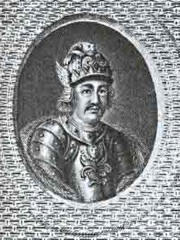
Mikhail of Vladimir
POLITICIAN
1145 - 1176
HPI: 63.27
Posizione: 3
Ibn Asakir
RELIGIOUS FIGURE
1105 - 1176
HPI: 63.08
Posizione: 4
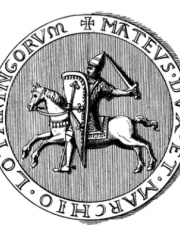
Matthias I, Duke of Lorraine
NOBLEMAN
1119 - 1176
HPI: 60.29
Posizione: 5

Rosamund Clifford
POLITICIAN
1150 - 1176
HPI: 58.42
Posizione: 6
In Siria
Tra le persone nate in Siria, Ibn Asakir occupa la posizione 112 su NaN. Prima di lui ci sono Muhammad Naji al-Otari (1944), Farouk al-Sharaa (1938), Soraya Tarzi (1899), Dawoud Rajiha (1947), Alciphron (200), e Evagrius Scholasticus (536). Dopo di lui ci sono John Moschus (550), Gregory III Laham (1933), Numenius of Apamea (200), Tiridates II of Parthia (-100), Walid Muallem (1941), e Salih Muslim (1951).
Altre persone nate in Siria
Vai a tutte le classifiche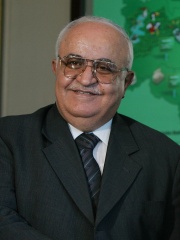
Muhammad Naji al-Otari
POLITICIAN
1944 - presente
HPI: 63.82
Posizione: 106
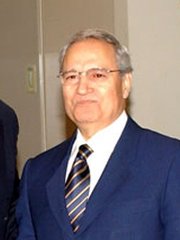
Farouk al-Sharaa
POLITICIAN
1938 - presente
HPI: 63.61
Posizione: 107
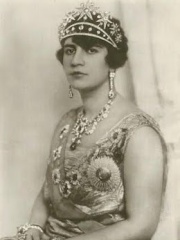
Soraya Tarzi
POLITICIAN
1899 - 1968
HPI: 63.50
Posizione: 108
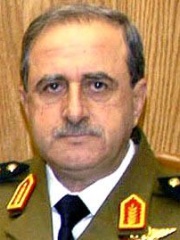
Dawoud Rajiha
POLITICIAN
1947 - 2012
HPI: 63.33
Posizione: 109

Alciphron
WRITER
200 - 200
HPI: 63.19
Posizione: 110

Evagrius Scholasticus
HISTORIAN
536 - 594
HPI: 63.17
Posizione: 111
Ibn Asakir
RELIGIOUS FIGURE
1105 - 1176
HPI: 63.08
Posizione: 112

John Moschus
WRITER
550 - 619
HPI: 63.04
Posizione: 113
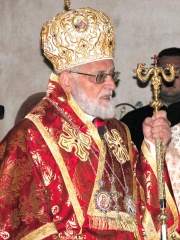
Gregory III Laham
RELIGIOUS FIGURE
1933 - presente
HPI: 63.03
Posizione: 114

Numenius of Apamea
PHILOSOPHER
200 - 200
HPI: 62.99
Posizione: 115
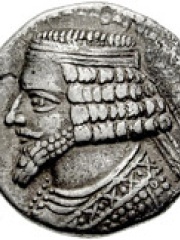
Tiridates II of Parthia
POLITICIAN
100 BC - 100 BC
HPI: 62.98
Posizione: 116
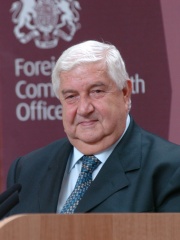
Walid Muallem
POLITICIAN
1941 - 2020
HPI: 62.73
Posizione: 117
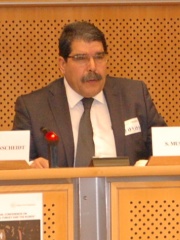
Salih Muslim
POLITICIAN
1951 - 2026
HPI: 62.60
Posizione: 118
Tra Figura religiosa in Siria
Tra Figura religiosa nati in Siria, Ibn Asakir occupa la posizione 16. Prima di lui ci sono Sophronius of Jerusalem (560), Youssef Absi (1946), Gregory Peter XX Ghabroyan (1934), Ignatius IV of Antioch (1920), John X of Antioch (1955), e Eulogius of Alexandria (501). Dopo di lui ci sono Gregory III Laham (1933), Ignatius Moses I Daoud (1930), Ignatius Joseph III Yonan (1944), Ignatius Aphrem II (1965), Cosmas of Maiuma (675), e Hilarion Capucci (1922).
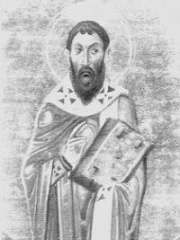
Sophronius of Jerusalem
560 - 638
HPI: 66.98
Posizione: 10
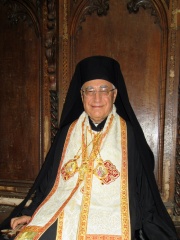
Youssef Absi
1946 - presente
HPI: 65.92
Posizione: 11

Gregory Peter XX Ghabroyan
1934 - 2021
HPI: 64.25
Posizione: 12
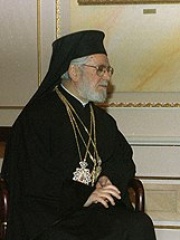
Ignatius IV of Antioch
1920 - 2012
HPI: 64.07
Posizione: 13
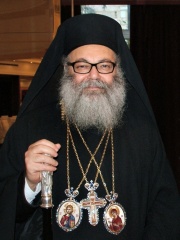
John X of Antioch
1955 - presente
HPI: 63.92
Posizione: 14
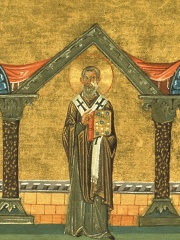
Eulogius of Alexandria
501 - 608
HPI: 63.89
Posizione: 15
Ibn Asakir
1105 - 1176
HPI: 63.08
Posizione: 16
Gregory III Laham
1933 - presente
HPI: 63.03
Posizione: 17

Ignatius Moses I Daoud
1930 - 2012
HPI: 62.37
Posizione: 18
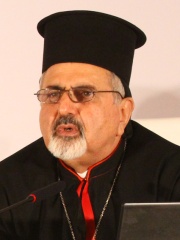
Ignatius Joseph III Yonan
1944 - presente
HPI: 61.18
Posizione: 19
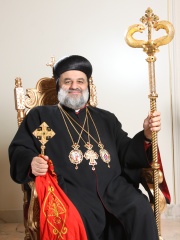
Ignatius Aphrem II
1965 - presente
HPI: 60.08
Posizione: 20
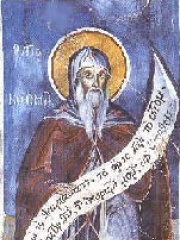
Cosmas of Maiuma
675 - 760
HPI: 59.94
Posizione: 21
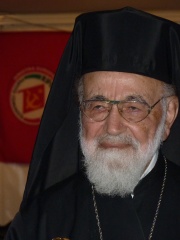
Hilarion Capucci
1922 - 2017
HPI: 59.09
Posizione: 22




