Polityk
Procopius
325 - 366
WYŚWIETLENIA PL.WIKIPEDIA (PV)
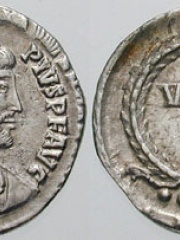
 Procopius
Jego biografia jest dostępna w 28 różnych językach w Wikipedii. Procopius jest 4720. najpopularniejszym polityk (spadek z 3837. w 2024 roku), 459. najpopularniejszą biografią Turcja (spadek z 404. w 2019 roku) oraz 240. najpopularniejszym polityk Turcja.
Wskaźniki rozpoznawalności
24k
Wyświetlenia strony
Ostatnie 12 miesięcy
66.93
HPI
Indeks historycznej popularności
Ciekawostki z danych
#14,523
Ponad 16 wieków po śmierci Procopius wciąż zajmuje 14,523. miejsce wśród wszystkich postaci w Pantheonie.
1 sty
Procopius obchodzi urodziny tego samego dnia (1 stycznia) co Mary, mother of Jesus, Saint Peter i Laozi.
Wyświetlenia strony Procopius według języka
Wśród przedstawicieli zawodu Polityk
Wśród przedstawicieli zawodu „Polityk” Procopius zajmuje 4,718. miejsce na 19,576. Przed nim są Micheline Calmy-Rey, José Luis Rodríguez Zapatero, Arnulf, Duke of Bavaria, Uskhal Khan Tögüs Temür, Hosokawa Gracia, i Blanche of Namur. Po nim są Charles Louis, Hereditary Prince of Baden, Eduardo Duhalde, Jayavarman II, Naresuan, Ivan Sratsimir of Bulgaria, i Peter II, Count of Alençon.
Najpopularniejsi w Wikipedii: Polityk
Zobacz wszystkie rankingi

Micheline Calmy-Rey
1945 - obecnie
HPI: 66.94
Miejsce: 4,714

José Luis Rodríguez Zapatero
1960 - obecnie
HPI: 66.94
Miejsce: 4,715
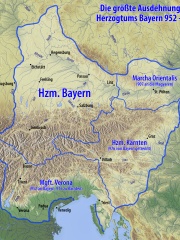
Arnulf, Duke of Bavaria
885 - 937
HPI: 66.94
Miejsce: 4,716
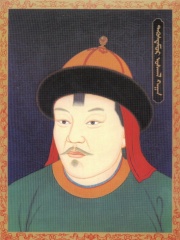
Uskhal Khan Tögüs Temür
1342 - 1388
HPI: 66.93
Miejsce: 4,717

Hosokawa Gracia
1563 - 1600
HPI: 66.93
Miejsce: 4,718
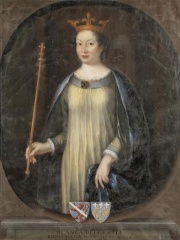
Blanche of Namur
1320 - 1363
HPI: 66.93
Miejsce: 4,719
Procopius
325 - 366
HPI: 66.93
Miejsce: 4,720
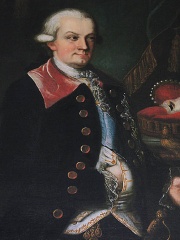
Charles Louis, Hereditary Prince of Baden
1755 - 1801
HPI: 66.93
Miejsce: 4,721
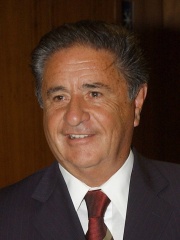
Eduardo Duhalde
1941 - obecnie
HPI: 66.93
Miejsce: 4,722

Jayavarman II
800 - 835
HPI: 66.93
Miejsce: 4,723

Naresuan
1555 - 1605
HPI: 66.93
Miejsce: 4,724
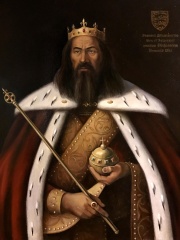
Ivan Sratsimir of Bulgaria
1324 - 1397
HPI: 66.92
Miejsce: 4,725

Peter II, Count of Alençon
1340 - 1404
HPI: 66.92
Miejsce: 4,726

Współcześni
Wśród osób urodzonych w 325 roku Procopius zajmuje 4. miejsce. Przed nim są Ezana of Axum, Constantina, i Constantius Gallus. Po nim są Saint Marcella, i Oribasius. Wśród osób zmarłych w 366 roku Procopius zajmuje 3. miejsce. Przed nim są Pope Liberius, i Saint Marinus. Po nim jest Acacius of Caesarea.
Inne osoby urodzone w 325 roku
Zobacz wszystkie rankingi
Ezana of Axum
POLITICIAN
325 - 360
HPI: 71.76
Miejsce: 1
Constantina
COMPANION
325 - 354
HPI: 68.42
Miejsce: 2
Constantius Gallus
POLITICIAN
325 - 354
HPI: 68.19
Miejsce: 3
Procopius
POLITICIAN
325 - 366
HPI: 66.93
Miejsce: 4
Saint Marcella
RELIGIOUS FIGURE
325 - 410
HPI: 66.40
Miejsce: 5

Oribasius
WRITER
325 - 403
HPI: 62.54
Miejsce: 6
Inne osoby zmarłe w 366 roku
Zobacz wszystkie rankingi
Pope Liberius
RELIGIOUS FIGURE
310 - 366
HPI: 77.41
Miejsce: 1
Saint Marinus
RELIGIOUS FIGURE
275 - 366
HPI: 73.29
Miejsce: 2
Procopius
POLITICIAN
325 - 366
HPI: 66.93
Miejsce: 3

Acacius of Caesarea
RELIGIOUS FIGURE
300 - 366
HPI: 62.89
Miejsce: 4
W kraju Turcja
Wśród osób urodzonych w kraju Turcja Procopius zajmuje 459. miejsce na 1,347. Przed nim są Ferdi Tayfur (1945), Theodore I Palaiologos (1355), Hethum I, King of Armenia (1215), Gülbahar Hatun (1453), Eubulides (-500), i Mithridates I of Pontus (-400). Po nim są Irene Angelina (1181), Symeon the New Theologian (949), Mundus (450), Chryses of Troy (null), Theophanes the Greek (1340), i George Kedrenos (1100).
Inne osoby urodzone w kraju Turcja
Zobacz wszystkie rankingi
Ferdi Tayfur
ACTOR
1945 - 2025
HPI: 66.99
Miejsce: 453

Theodore I Palaiologos
POLITICIAN
1355 - 1407
HPI: 66.99
Miejsce: 454
Hethum I, King of Armenia
POLITICIAN
1215 - 1270
HPI: 66.98
Miejsce: 455
Gülbahar Hatun
POLITICIAN
1453 - 1505
HPI: 66.98
Miejsce: 456
Eubulides
PHILOSOPHER
500 BC - 400 BC
HPI: 66.97
Miejsce: 457

Mithridates I of Pontus
POLITICIAN
400 BC - 266 BC
HPI: 66.96
Miejsce: 458
Procopius
POLITICIAN
325 - 366
HPI: 66.93
Miejsce: 459
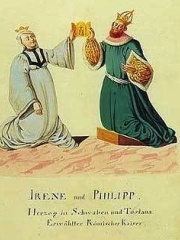
Irene Angelina
COMPANION
1181 - 1208
HPI: 66.91
Miejsce: 460
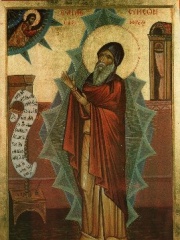
Symeon the New Theologian
WRITER
949 - 1022
HPI: 66.91
Miejsce: 461

Mundus
MILITARY PERSONNEL
450 - 536
HPI: 66.88
Miejsce: 462
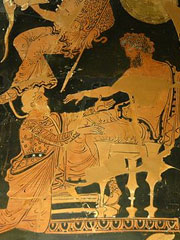
Chryses of Troy
POLITICIAN
HPI: 66.88
Miejsce: 463
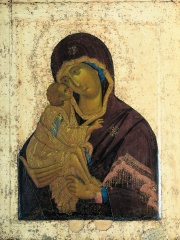
Theophanes the Greek
PAINTER
1340 - 1410
HPI: 66.87
Miejsce: 464

George Kedrenos
HISTORIAN
1100 - 1100
HPI: 66.85
Miejsce: 465
Wśród przedstawicieli zawodu Polityk w kraju Turcja
Wśród przedstawicieli zawodu „Polityk” urodzonych w kraju Turcja Procopius zajmuje 240. miejsce. Przed nim są Menua (-900), Jovan Vladimir (990), Theodore I Palaiologos (1355), Hethum I, King of Armenia (1215), Gülbahar Hatun (1453), i Mithridates I of Pontus (-400). Po nim są Chryses of Troy (null), Diodotus Tryphon (-150), Artaphernes (-600), Astyanax (null), Emine Erdoğan (1955), i Latife Uşşaki (1898).
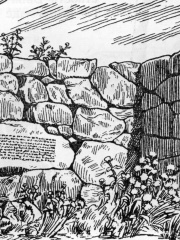
Menua
900 BC - 786 BC
HPI: 66.99
Miejsce: 234
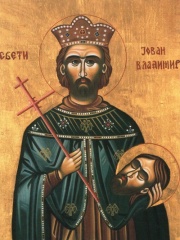
Jovan Vladimir
990 - 1016
HPI: 66.99
Miejsce: 235
Theodore I Palaiologos
1355 - 1407
HPI: 66.99
Miejsce: 236
Hethum I, King of Armenia
1215 - 1270
HPI: 66.98
Miejsce: 237
Gülbahar Hatun
1453 - 1505
HPI: 66.98
Miejsce: 238
Mithridates I of Pontus
400 BC - 266 BC
HPI: 66.96
Miejsce: 239
Procopius
325 - 366
HPI: 66.93
Miejsce: 240
Chryses of Troy
HPI: 66.88
Miejsce: 241
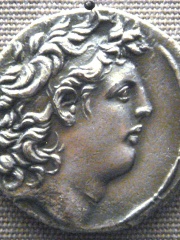
Diodotus Tryphon
150 BC - 138 BC
HPI: 66.84
Miejsce: 242
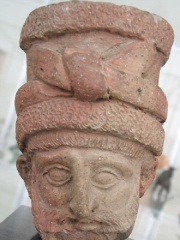
Artaphernes
600 BC - 493 BC
HPI: 66.84
Miejsce: 243
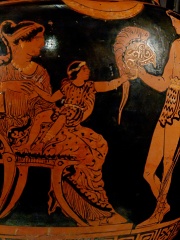
Astyanax
HPI: 66.70
Miejsce: 244

Emine Erdoğan
1955 - obecnie
HPI: 66.70
Miejsce: 245
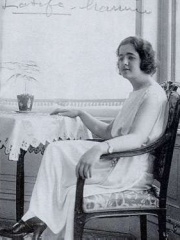
Latife Uşşaki
1898 - 1975
HPI: 66.64
Miejsce: 246




