Politico
Ezana of Axum
325 - 360
VISUALIZZAZIONI SU IT.WIKIPEDIA (PV)
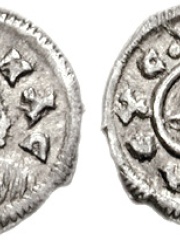
 Ezana of Axum
La sua biografia è disponibile in 36 lingue su Wikipedia (in aumento rispetto a 33 nel 2024). Ezana of Axum è il 2164° politico più popolare (in aumento dal 13366° nel 2024), la 11ª biografia più popolare dell'Etiopia (in aumento dal 37ª nel 2019) e il 9° politico più popolare dell'Etiopia.
Metriche di memorabilità
76k
Visualizzazioni
Ultimi 12 mesi
71.76
HPI
Indice di popolarità storica
Dati in evidenza
+40k
Ezana of Axum ha guadagnato 40,080 posizioni nella classifica HPI globale di Pantheon, passando dal n. 46,898 al n. 6,823.
#11 / 163
Ezana of Axum occupa la posizione n. 11 tra le 163 persone di Pantheon nate in Etiopia, nel 7% più alto del gruppo.
Visualizzazioni della pagina di Ezana of Axum per lingua
Tra Politico
Tra Politico, Ezana of Axum occupa la posizione 2,163 su 20,022. Prima di lui ci sono Magnus IV of Norway, Elizabeth of Luxembourg, Cynric, Yolande de Polastron, Alboin, e Johann Friedrich Struensee. Dopo di lui ci sono Jahangir, Ernest, Duke of Austria, Henry II, Count of Champagne, Yuan Shao, Werner von Fritsch, e Kavad I.
Politico più popolari su Wikipedia
Vai a tutte le classifiche
Magnus IV of Norway
1115 - 1139
HPI: 71.77
Posizione: 2,158
Elizabeth of Luxembourg
1409 - 1442
HPI: 71.77
Posizione: 2,159

Cynric
450 - 560
HPI: 71.77
Posizione: 2,160

Yolande de Polastron
1749 - 1793
HPI: 71.77
Posizione: 2,161
Alboin
530 - 572
HPI: 71.77
Posizione: 2,162
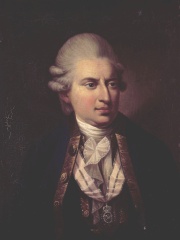
Johann Friedrich Struensee
1737 - 1772
HPI: 71.77
Posizione: 2,163
Ezana of Axum
325 - 360
HPI: 71.76
Posizione: 2,164
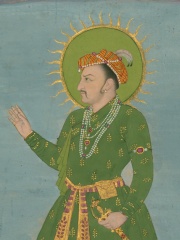
Jahangir
1569 - 1627
HPI: 71.76
Posizione: 2,165
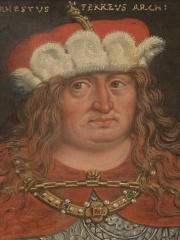
Ernest, Duke of Austria
1377 - 1424
HPI: 71.75
Posizione: 2,166
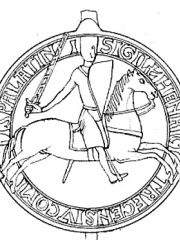
Henry II, Count of Champagne
1166 - 1197
HPI: 71.75
Posizione: 2,167
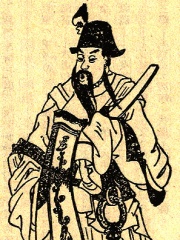
Yuan Shao
154 - 202
HPI: 71.75
Posizione: 2,168
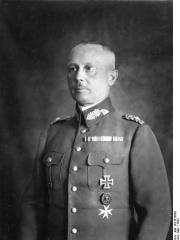
Werner von Fritsch
1880 - 1939
HPI: 71.75
Posizione: 2,169
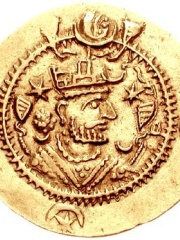
Kavad I
473 - 531
HPI: 71.74
Posizione: 2,170

Contemporanei
Tra le persone nate nel 325, Ezana of Axum occupa la posizione 1. Dopo di lui ci sono Constantina, Constantius Gallus, Procopius, Saint Marcella, e Oribasius. Tra le persone decedute nel 360, Ezana of Axum occupa la posizione 1. Dopo di lui ci sono Helena, Eusebia, e Arshak II.
Altre persone nate nel 325
Vai a tutte le classificheEzana of Axum
POLITICIAN
325 - 360
HPI: 71.76
Posizione: 1

Constantina
COMPANION
325 - 354
HPI: 68.42
Posizione: 2
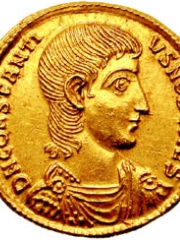
Constantius Gallus
POLITICIAN
325 - 354
HPI: 68.19
Posizione: 3
Procopius
POLITICIAN
325 - 366
HPI: 66.93
Posizione: 4
Saint Marcella
RELIGIOUS FIGURE
325 - 410
HPI: 66.40
Posizione: 5

Oribasius
WRITER
325 - 403
HPI: 62.54
Posizione: 6
Altre persone decedute nel 360
Vai a tutte le classificheEzana of Axum
POLITICIAN
325 - 360
HPI: 71.76
Posizione: 1
Helena
COMPANION
301 - 360
HPI: 62.49
Posizione: 2
Eusebia
COMPANION
400 - 360
HPI: 61.68
Posizione: 3
Arshak II
POLITICIAN
400 - 360
HPI: 59.58
Posizione: 4
In Etiopia
Tra le persone nate in Etiopia, Ezana of Axum occupa la posizione 11 su 163. Prima di lui ci sono Sahle-Work Zewde (1950), Menelik I (-954), Yohannes IV (1837), Abraha (600), Tewodros II (1818), e Mengistu Haile Mariam (1937). Dopo di lui ci sono Lij Iyasu of Ethiopia (1895), Onuphrius (320), Ahmad ibn Ibrahim al-Ghazi (1506), Abiy Ahmed (1976), Gebre Mesqel Lalibela (1200), e Ismaïl Omar Guelleh (1946).
Altre persone nate in Etiopia
Vai a tutte le classifiche
Sahle-Work Zewde
POLITICIAN
1950 - presente
HPI: 74.61
Posizione: 5
Menelik I
POLITICIAN
954 a.C. - 930 a.C.
HPI: 72.93
Posizione: 6
Yohannes IV
POLITICIAN
1837 - 1889
HPI: 72.37
Posizione: 7

Abraha
MILITARY PERSONNEL
600 - 600
HPI: 72.37
Posizione: 8
Tewodros II
POLITICIAN
1818 - 1868
HPI: 72.00
Posizione: 9
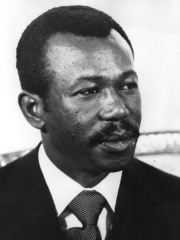
Mengistu Haile Mariam
POLITICIAN
1937 - presente
HPI: 71.78
Posizione: 10
Ezana of Axum
POLITICIAN
325 - 360
HPI: 71.76
Posizione: 11
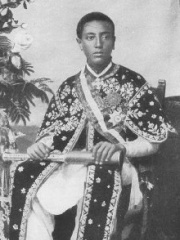
Lij Iyasu of Ethiopia
POLITICIAN
1895 - 1935
HPI: 71.27
Posizione: 12
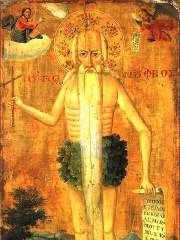
Onuphrius
RELIGIOUS FIGURE
320 - 400
HPI: 71.17
Posizione: 13
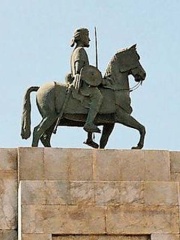
Ahmad ibn Ibrahim al-Ghazi
POLITICIAN
1506 - 1543
HPI: 70.30
Posizione: 14

Abiy Ahmed
POLITICIAN
1976 - presente
HPI: 70.15
Posizione: 15
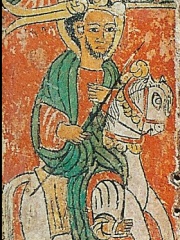
Gebre Mesqel Lalibela
POLITICIAN
1200 - 1221
HPI: 69.20
Posizione: 16

Ismaïl Omar Guelleh
POLITICIAN
1946 - presente
HPI: 68.60
Posizione: 17
Tra Politico in Etiopia
Tra Politico nati in Etiopia, Ezana of Axum occupa la posizione 9. Prima di lui ci sono Zewditu (1876), Sahle-Work Zewde (1950), Menelik I (-954), Yohannes IV (1837), Tewodros II (1818), e Mengistu Haile Mariam (1937). Dopo di lui ci sono Lij Iyasu of Ethiopia (1895), Ahmad ibn Ibrahim al-Ghazi (1506), Abiy Ahmed (1976), Gebre Mesqel Lalibela (1200), Ismaïl Omar Guelleh (1946), e Amha Selassie (1916).
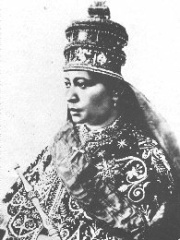
Zewditu
1876 - 1930
HPI: 76.79
Posizione: 3
Sahle-Work Zewde
1950 - presente
HPI: 74.61
Posizione: 4
Menelik I
954 a.C. - 930 a.C.
HPI: 72.93
Posizione: 5
Yohannes IV
1837 - 1889
HPI: 72.37
Posizione: 6
Tewodros II
1818 - 1868
HPI: 72.00
Posizione: 7
Mengistu Haile Mariam
1937 - presente
HPI: 71.78
Posizione: 8
Ezana of Axum
325 - 360
HPI: 71.76
Posizione: 9
Lij Iyasu of Ethiopia
1895 - 1935
HPI: 71.27
Posizione: 10
Ahmad ibn Ibrahim al-Ghazi
1506 - 1543
HPI: 70.30
Posizione: 11
Abiy Ahmed
1976 - presente
HPI: 70.15
Posizione: 12
Gebre Mesqel Lalibela
1200 - 1221
HPI: 69.20
Posizione: 13
Ismaïl Omar Guelleh
1946 - presente
HPI: 68.60
Posizione: 14
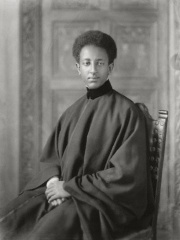
Amha Selassie
1916 - 1997
HPI: 68.02
Posizione: 15




