Kolarz
Maurizio Fondriest
1965 - obecnie
PL.WIKIPEDIA PAGE VIEWS (PV)
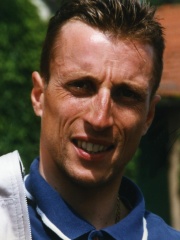
 Maurizio Fondriest
Jego biografia jest dostępna w 21 różnych językach w Wikipedii. Maurizio Fondriest jest 376. najpopularniejszym kolarz (spadek z 318. w 2024 roku), 4242. najpopularniejszą biografią Włochy (spadek z 4111. w 2019 roku) oraz 68. najpopularniejszym kolarz Włochy.
Memorability Metrics
23k
Page Views
Past 12 months
51.56
HPI
Historical Popularity Index
Page views of Maurizio Fondriest by language
Among Kolarzs
Among kolarzs, Maurizio Fondriest ranks 376 out of 1,613. Before him are Roberto Heras, Serhiy Honchar, Ronald Stretton, Robert Fowler, Joaquim Rodríguez, and Jens Voigt. After him are Marianne Vos, Richard Carapaz, Raymond Martin, Mads Pedersen, Dimitri Konyshev, and Michele Bartoli.
Most Popular Kolarzs in Wikipedia
Go to all Rankings
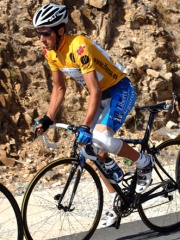
Roberto Heras
1974 - Present
HPI: 51.70
Rank: 370
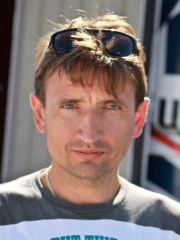
Serhiy Honchar
1970 - Present
HPI: 51.68
Rank: 371

Ronald Stretton
1930 - 2012
HPI: 51.66
Rank: 372

Robert Fowler
1931 - 2001
HPI: 51.65
Rank: 373
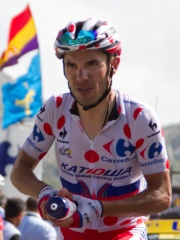
Joaquim Rodríguez
1979 - Present
HPI: 51.64
Rank: 374
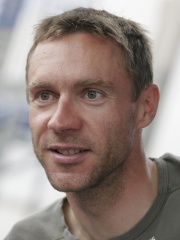
Jens Voigt
1971 - Present
HPI: 51.59
Rank: 375
Maurizio Fondriest
1965 - Present
HPI: 51.56
Rank: 376
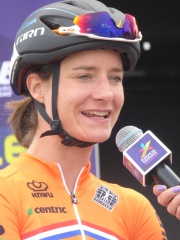
Marianne Vos
1987 - Present
HPI: 51.53
Rank: 377
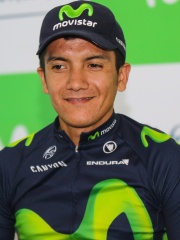
Richard Carapaz
1993 - Present
HPI: 51.47
Rank: 378
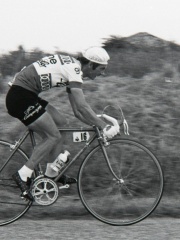
Raymond Martin
1949 - Present
HPI: 51.47
Rank: 379
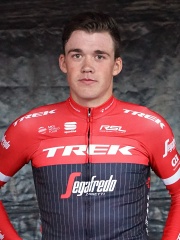
Mads Pedersen
1995 - Present
HPI: 51.46
Rank: 380
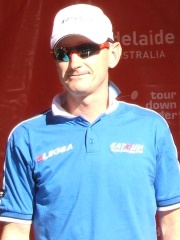
Dimitri Konyshev
1966 - Present
HPI: 51.39
Rank: 381
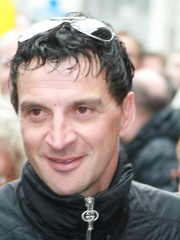
Michele Bartoli
1970 - Present
HPI: 51.37
Rank: 382

Contemporaries
Among people born in 1965, Maurizio Fondriest ranks 447. Before him are Larisa Lazutina, Igor Jijikine, Andrii Deshchytsia, Radion Gataullin, Mia Zapata, and Francesca Dellera. After him are Claudia Christian, Stepan Poltorak, Steve Yzerman, Stanislas Dehaene, François Baroin, and Ted King.
Others Born in 1965
Go to all Rankings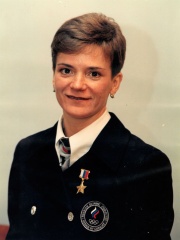
Larisa Lazutina
SKIER
1965 - Present
HPI: 51.66
Rank: 441
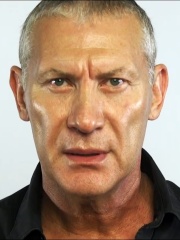
Igor Jijikine
ACTOR
1965 - Present
HPI: 51.65
Rank: 442
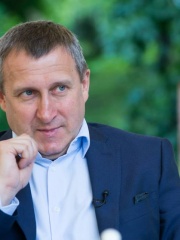
Andrii Deshchytsia
POLITICIAN
1965 - Present
HPI: 51.65
Rank: 443

Radion Gataullin
ATHLETE
1965 - Present
HPI: 51.61
Rank: 444
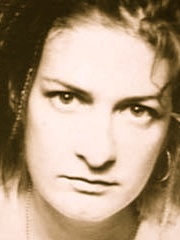
Mia Zapata
MUSICIAN
1965 - 1993
HPI: 51.60
Rank: 445

Francesca Dellera
ACTOR
1965 - Present
HPI: 51.59
Rank: 446
Maurizio Fondriest
CYCLIST
1965 - Present
HPI: 51.56
Rank: 447
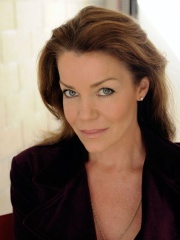
Claudia Christian
ACTOR
1965 - Present
HPI: 51.53
Rank: 448
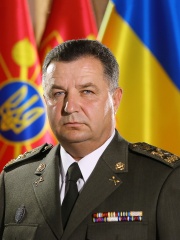
Stepan Poltorak
MILITARY PERSONNEL
1965 - Present
HPI: 51.51
Rank: 449
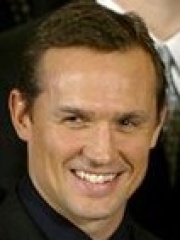
Steve Yzerman
HOCKEY PLAYER
1965 - Present
HPI: 51.50
Rank: 450
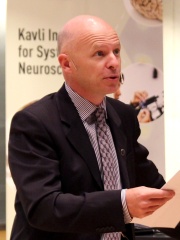
Stanislas Dehaene
BIOLOGIST
1965 - Present
HPI: 51.46
Rank: 451
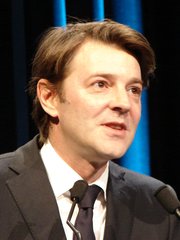
François Baroin
POLITICIAN
1965 - Present
HPI: 51.44
Rank: 452

Ted King
ACTOR
1965 - Present
HPI: 51.40
Rank: 453
In Włochy
Among people born in Włochy, Maurizio Fondriest ranks 4,242 out of NaN. Before him are Giacomo Bonaventura (1989), Pier Carlo Padoan (1950), Alessandro Pesenti-Rossi (1942), Luigi Piotti (1913), Francesca Dellera (1965), and Ezio Gamba (1958). After him are Gabriele Rossetti (1783), Uberto De Morpurgo (1896), Luca Bucci (1969), Angelo Scuri (1959), Fabrizio Miccoli (1979), and Antonio Donnarumma (1990).
Others born in Włochy
Go to all Rankings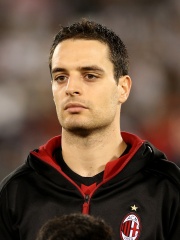
Giacomo Bonaventura
SOCCER PLAYER
1989 - Present
HPI: 51.63
Rank: 4,236
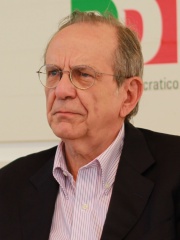
Pier Carlo Padoan
ECONOMIST
1950 - Present
HPI: 51.61
Rank: 4,237

Alessandro Pesenti-Rossi
RACING DRIVER
1942 - 2026
HPI: 51.61
Rank: 4,238
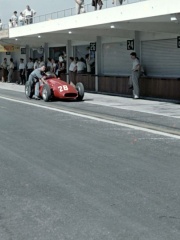
Luigi Piotti
RACING DRIVER
1913 - 1971
HPI: 51.60
Rank: 4,239
Francesca Dellera
ACTOR
1965 - Present
HPI: 51.59
Rank: 4,240

Ezio Gamba
WRESTLER
1958 - Present
HPI: 51.57
Rank: 4,241
Maurizio Fondriest
CYCLIST
1965 - Present
HPI: 51.56
Rank: 4,242

Gabriele Rossetti
ATHLETE
1783 - 1854
HPI: 51.55
Rank: 4,243
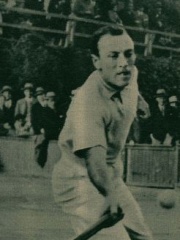
Uberto De Morpurgo
POLITICIAN
1896 - 1961
HPI: 51.54
Rank: 4,244

Luca Bucci
SOCCER PLAYER
1969 - Present
HPI: 51.53
Rank: 4,245

Angelo Scuri
ATHLETE
1959 - Present
HPI: 51.51
Rank: 4,246
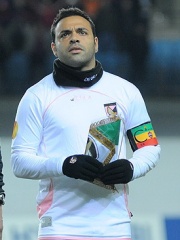
Fabrizio Miccoli
SOCCER PLAYER
1979 - Present
HPI: 51.51
Rank: 4,247

Antonio Donnarumma
SOCCER PLAYER
1990 - Present
HPI: 51.50
Rank: 4,248
Among Kolarzs In Włochy
Among kolarzs born in Włochy, Maurizio Fondriest ranks 68. Before him are Giovanni Micheletto (1889), Nino Borsari (1911), Gianbattista Baronchelli (1953), Michele Scarponi (1979), Guido Bontempi (1960), and Ugo Colombo (1940). After him are Michele Bartoli (1970), Andrea Tafi (1966), Franco Ballerini (1964), Marco Giovannetti (1962), Roberto Visentini (1957), and Eros Poli (1963).
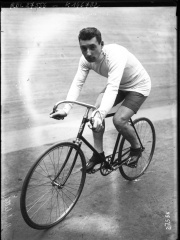
Giovanni Micheletto
1889 - 1958
HPI: 52.90
Rank: 62
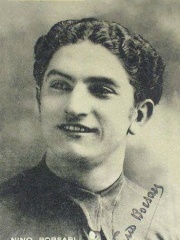
Nino Borsari
1911 - 1996
HPI: 52.65
Rank: 63
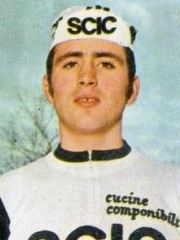
Gianbattista Baronchelli
1953 - Present
HPI: 52.57
Rank: 64
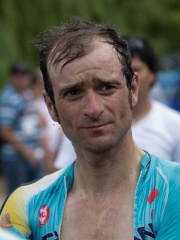
Michele Scarponi
1979 - 2017
HPI: 52.07
Rank: 65
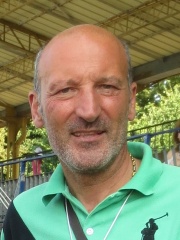
Guido Bontempi
1960 - Present
HPI: 51.94
Rank: 66
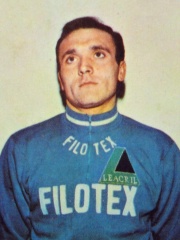
Ugo Colombo
1940 - 2019
HPI: 51.90
Rank: 67
Maurizio Fondriest
1965 - Present
HPI: 51.56
Rank: 68
Michele Bartoli
1970 - Present
HPI: 51.37
Rank: 69
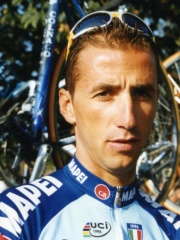
Andrea Tafi
1966 - Present
HPI: 51.27
Rank: 70
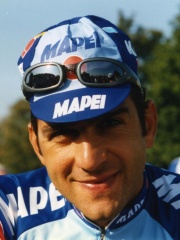
Franco Ballerini
1964 - 2010
HPI: 51.27
Rank: 71

Marco Giovannetti
1962 - Present
HPI: 51.08
Rank: 72

Roberto Visentini
1957 - Present
HPI: 50.88
Rank: 73
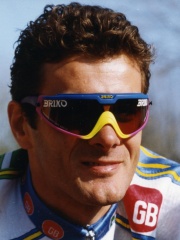
Eros Poli
1963 - Present
HPI: 50.27
Rank: 74




