Polityk
Liliana Segre
1930 - obecnie
PL.WIKIPEDIA PAGE VIEWS (PV)
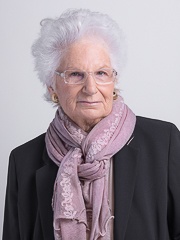
 Liliana Segre
Jej biografia jest dostępna w 22 różnych językach w Wikipedii (wzrost z 20 w 2024 roku). Liliana Segre jest 10825. najpopularniejszym polityk (spadek z 10419. w 2024 roku), 2671. najpopularniejszą biografią Włochy (spadek z 2662. w 2019 roku) oraz 670. najpopularniejszym polityk Włochy.
Memorability Metrics
230k
Page Views
Past 12 months
60.49
HPI
Historical Popularity Index
Page views of Liliana Segre by language
Among Polityks
Among polityks, Liliana Segre ranks 10,819 out of 19,576. Before her are Giancarlo de' Medici, Licinianus, Fyodor Sergeyev, Gyula Peidl, Yehuda Ashlag, and Albert V, Duke of Saxe-Coburg. After her are Paolo Renier, Peter T. King, Béhanzin, Mark of Cornwall, Josef Klaus, and Saadeddine Othmani.
Most Popular Polityks in Wikipedia
Go to all Rankings
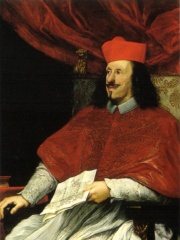
Giancarlo de' Medici
1611 - 1663
HPI: 60.50
Rank: 10,819

Licinianus
200 - 250
HPI: 60.50
Rank: 10,820
Fyodor Sergeyev
1883 - 1921
HPI: 60.50
Rank: 10,821
Gyula Peidl
1873 - 1943
HPI: 60.50
Rank: 10,822
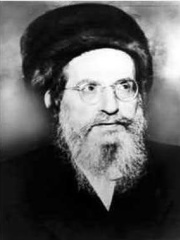
Yehuda Ashlag
1886 - 1954
HPI: 60.50
Rank: 10,823
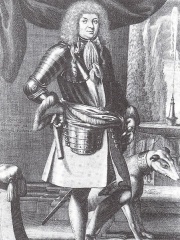
Albert V, Duke of Saxe-Coburg
1648 - 1699
HPI: 60.49
Rank: 10,824
Liliana Segre
1930 - Present
HPI: 60.49
Rank: 10,825
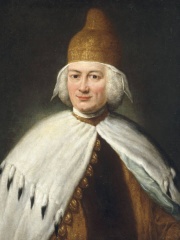
Paolo Renier
1710 - 1789
HPI: 60.49
Rank: 10,826

Peter T. King
1944 - Present
HPI: 60.49
Rank: 10,827
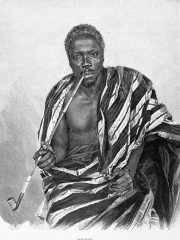
Béhanzin
1844 - 1906
HPI: 60.49
Rank: 10,828
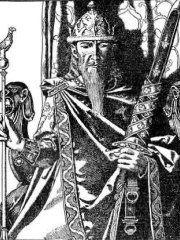
Mark of Cornwall
480 - 555
HPI: 60.49
Rank: 10,829
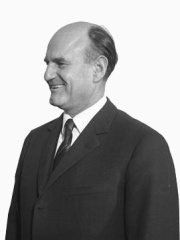
Josef Klaus
1910 - 2001
HPI: 60.49
Rank: 10,830
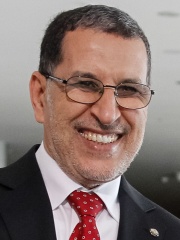
Saadeddine Othmani
1956 - Present
HPI: 60.49
Rank: 10,831

Contemporaries
Among people born in 1930, Liliana Segre ranks 238. Before her are Juan Gelman, Stuart Lewis-Evans, David Huddleston, Bora Kostić, Abdul Rahman Ghassemlou, and Ross Perot. After her are Stanley Myers, Salvatore De Giorgi, Elza Soares, Walter Mischel, Viktor Tsybulenko, and Gholamreza Takhti.
Others Born in 1930
Go to all Rankings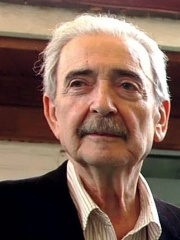
Juan Gelman
WRITER
1930 - 2014
HPI: 60.62
Rank: 232

Stuart Lewis-Evans
RACING DRIVER
1930 - 1958
HPI: 60.59
Rank: 233
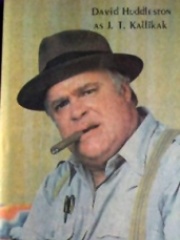
David Huddleston
ACTOR
1930 - 2016
HPI: 60.56
Rank: 234
Bora Kostić
SOCCER PLAYER
1930 - 2011
HPI: 60.55
Rank: 235
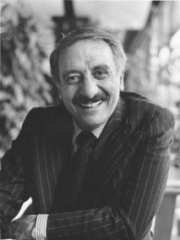
Abdul Rahman Ghassemlou
POLITICIAN
1930 - 1989
HPI: 60.54
Rank: 236

Ross Perot
POLITICIAN
1930 - 2019
HPI: 60.51
Rank: 237
Liliana Segre
POLITICIAN
1930 - Present
HPI: 60.49
Rank: 238
Stanley Myers
COMPOSER
1930 - 1993
HPI: 60.46
Rank: 239
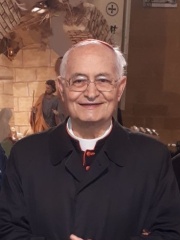
Salvatore De Giorgi
RELIGIOUS FIGURE
1930 - Present
HPI: 60.38
Rank: 240

Elza Soares
SINGER
1930 - 2022
HPI: 60.35
Rank: 241

Walter Mischel
PSYCHOLOGIST
1930 - 2018
HPI: 60.34
Rank: 242
Viktor Tsybulenko
ATHLETE
1930 - 2013
HPI: 60.29
Rank: 243
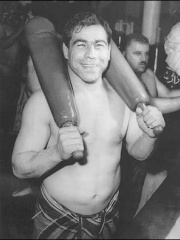
Gholamreza Takhti
WRESTLER
1930 - 1968
HPI: 60.29
Rank: 244
In Włochy
Among people born in Włochy, Liliana Segre ranks 2,671 out of NaN. Before her are Alex Zanardi (1966), Angelo Domenghini (1941), Andrea Cordero Lanza di Montezemolo (1925), Roberto Rosato (1943), Pietro Gradenigo (1251), and Giancarlo de' Medici (1611). After her are Paolo Renier (1710), Guido Masetti (1907), Princess Maria Luisa of Bourbon-Two Sicilies (1855), Franca Viola (1948), Roberto Farinacci (1892), and Guido Marini (1965).
Others born in Włochy
Go to all Rankings
Alex Zanardi
RACING DRIVER
1966 - 2026
HPI: 60.51
Rank: 2,665
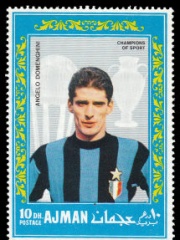
Angelo Domenghini
SOCCER PLAYER
1941 - Present
HPI: 60.51
Rank: 2,666

Andrea Cordero Lanza di Montezemolo
RELIGIOUS FIGURE
1925 - 2017
HPI: 60.50
Rank: 2,667
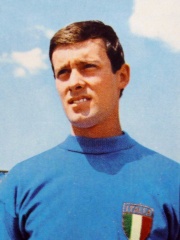
Roberto Rosato
SOCCER PLAYER
1943 - 2010
HPI: 60.50
Rank: 2,668
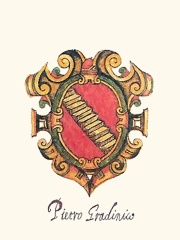
Pietro Gradenigo
POLITICIAN
1251 - 1311
HPI: 60.50
Rank: 2,669
Giancarlo de' Medici
POLITICIAN
1611 - 1663
HPI: 60.50
Rank: 2,670
Liliana Segre
POLITICIAN
1930 - Present
HPI: 60.49
Rank: 2,671
Paolo Renier
POLITICIAN
1710 - 1789
HPI: 60.49
Rank: 2,672
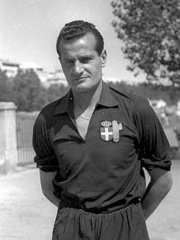
Guido Masetti
SOCCER PLAYER
1907 - 1993
HPI: 60.49
Rank: 2,673
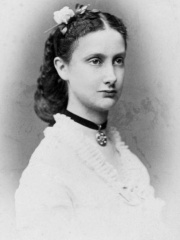
Princess Maria Luisa of Bourbon-Two Sicilies
POLITICIAN
1855 - 1874
HPI: 60.47
Rank: 2,674

Franca Viola
SOCIAL ACTIVIST
1948 - Present
HPI: 60.46
Rank: 2,675
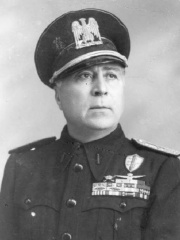
Roberto Farinacci
POLITICIAN
1892 - 1945
HPI: 60.46
Rank: 2,676
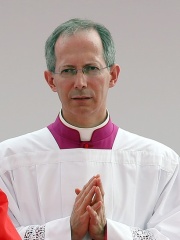
Guido Marini
RELIGIOUS FIGURE
1965 - Present
HPI: 60.46
Rank: 2,677
Among Polityks In Włochy
Among polityks born in Włochy, Liliana Segre ranks 670. Before her are Pietro Lando (1462), Archduke Anton Victor of Austria (1779), Alvise Pisani (1664), Laura Martinozzi (1639), Pietro Gradenigo (1251), and Giancarlo de' Medici (1611). After her are Paolo Renier (1710), Princess Maria Luisa of Bourbon-Two Sicilies (1855), Roberto Farinacci (1892), Appius Claudius Pulcher (-250), Carlo Ruzzini (1653), and Enrichetta d'Este (1702).
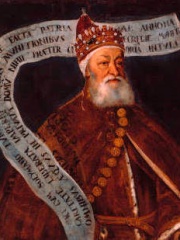
Pietro Lando
1462 - 1545
HPI: 60.64
Rank: 664
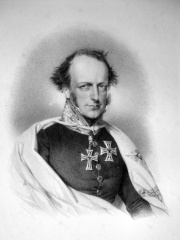
Archduke Anton Victor of Austria
1779 - 1835
HPI: 60.61
Rank: 665
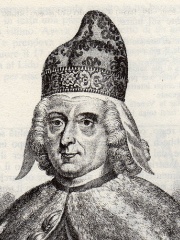
Alvise Pisani
1664 - 1741
HPI: 60.58
Rank: 666
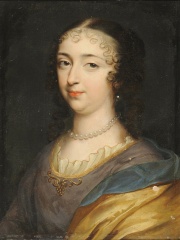
Laura Martinozzi
1639 - 1687
HPI: 60.56
Rank: 667
Pietro Gradenigo
1251 - 1311
HPI: 60.50
Rank: 668
Giancarlo de' Medici
1611 - 1663
HPI: 60.50
Rank: 669
Liliana Segre
1930 - Present
HPI: 60.49
Rank: 670
Paolo Renier
1710 - 1789
HPI: 60.49
Rank: 671
Princess Maria Luisa of Bourbon-Two Sicilies
1855 - 1874
HPI: 60.47
Rank: 672
Roberto Farinacci
1892 - 1945
HPI: 60.46
Rank: 673

Appius Claudius Pulcher
250 BC - 211 BC
HPI: 60.46
Rank: 674
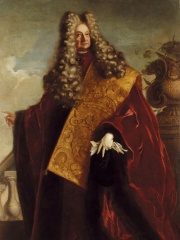
Carlo Ruzzini
1653 - 1735
HPI: 60.45
Rank: 675
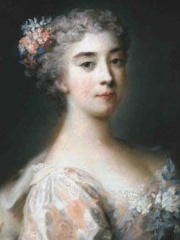
Enrichetta d'Este
1702 - 1777
HPI: 60.44
Rank: 676




