Piłkarz
Angelo Domenghini
1941 - obecnie
WYŚWIETLENIA PL.WIKIPEDIA (PV)
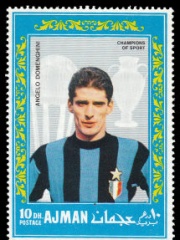
 Angelo Domenghini
Jego biografia jest dostępna w 28 różnych językach w Wikipedii (wzrost z 27 w 2024 roku). Angelo Domenghini jest 1279. najpopularniejszym piłkarz (spadek z 1184. w 2024 roku), 2668. najpopularniejszą biografią Włochy (wzrost z 2673. w 2019 roku) oraz 89. najpopularniejszym piłkarz Włochy.
Wskaźniki rozpoznawalności
36k
Wyświetlenia strony
Ostatnie 12 miesięcy
60.51
HPI
Indeks historycznej popularności
Wyświetlenia strony Angelo Domenghini według języka
Wśród przedstawicieli zawodu Piłkarz
Wśród przedstawicieli zawodu „Piłkarz” Angelo Domenghini zajmuje 1,276. miejsce na 21,273. Przed nim są Jean-Marc Bosman, Bernard Chiarelli, Mario Corso, Djibril Cissé, Bill Foulkes, i Jorge Olguín. Po nim są Branco, Roberto Rosato, Guido Masetti, Milovan Rajevac, Marcelino Martínez, i Willi Schulz.
Najpopularniejsi w Wikipedii: Piłkarz
Zobacz wszystkie rankingi
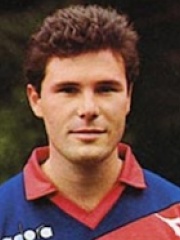
Jean-Marc Bosman
1964 - obecnie
HPI: 60.55
Miejsce: 1,273

Bernard Chiarelli
1934 - 2024
HPI: 60.53
Miejsce: 1,274
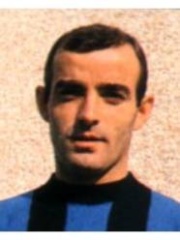
Mario Corso
1941 - 2020
HPI: 60.52
Miejsce: 1,275
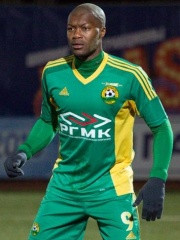
Djibril Cissé
1981 - obecnie
HPI: 60.52
Miejsce: 1,276
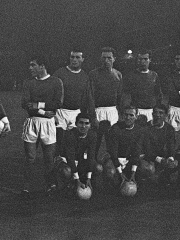
Bill Foulkes
1932 - 2013
HPI: 60.52
Miejsce: 1,277
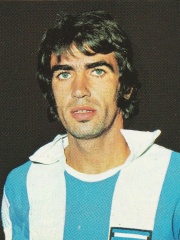
Jorge Olguín
1952 - obecnie
HPI: 60.51
Miejsce: 1,278
Angelo Domenghini
1941 - obecnie
HPI: 60.51
Miejsce: 1,279
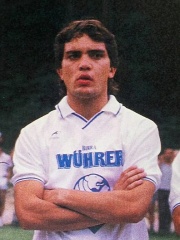
Branco
1964 - obecnie
HPI: 60.51
Miejsce: 1,280
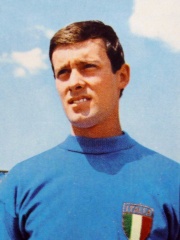
Roberto Rosato
1943 - 2010
HPI: 60.50
Miejsce: 1,281
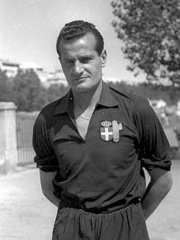
Guido Masetti
1907 - 1993
HPI: 60.49
Miejsce: 1,282

Milovan Rajevac
1954 - obecnie
HPI: 60.48
Miejsce: 1,283

Marcelino Martínez
1940 - obecnie
HPI: 60.48
Miejsce: 1,284
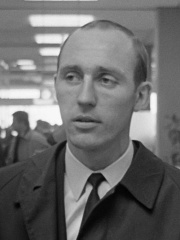
Willi Schulz
1938 - obecnie
HPI: 60.47
Miejsce: 1,285

Współcześni
Wśród osób urodzonych w 1941 roku Angelo Domenghini zajmuje 252. miejsce. Przed nim są Jesse Jackson, Sean Flynn, Robert Guéï, Chubby Checker, Mario Corso, i Leonid Kizim. Po nim są Percy Sledge, Patricio Guzmán, Eugène Terre'Blanche, Alfred Aho, Cristina Peri Rossi, i Boris Vallejo.
Inne osoby urodzone w 1941 roku
Zobacz wszystkie rankingi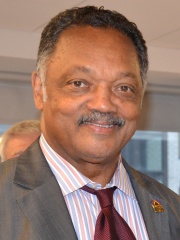
Jesse Jackson
SOCIAL ACTIVIST
1941 - 2026
HPI: 60.65
Miejsce: 246
Sean Flynn
PHOTOGRAPHER
1941 - 1970
HPI: 60.64
Miejsce: 247
Robert Guéï
POLITICIAN
1941 - 2002
HPI: 60.62
Miejsce: 248
Chubby Checker
SINGER
1941 - obecnie
HPI: 60.60
Miejsce: 249
Mario Corso
SOCCER PLAYER
1941 - 2020
HPI: 60.52
Miejsce: 250
Leonid Kizim
ASTRONAUT
1941 - 2010
HPI: 60.51
Miejsce: 251
Angelo Domenghini
SOCCER PLAYER
1941 - obecnie
HPI: 60.51
Miejsce: 252
Percy Sledge
SINGER
1941 - 2015
HPI: 60.51
Miejsce: 253
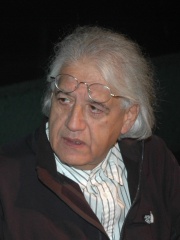
Patricio Guzmán
FILM DIRECTOR
1941 - obecnie
HPI: 60.51
Miejsce: 254
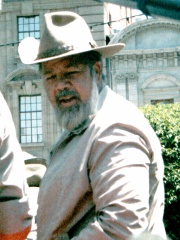
Eugène Terre'Blanche
EXTREMIST
1941 - 2010
HPI: 60.48
Miejsce: 255
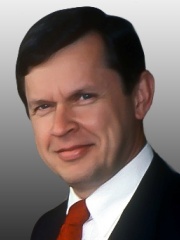
Alfred Aho
COMPUTER SCIENTIST
1941 - obecnie
HPI: 60.40
Miejsce: 256
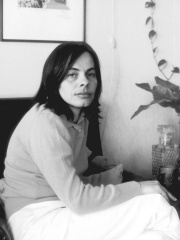
Cristina Peri Rossi
WRITER
1941 - obecnie
HPI: 60.33
Miejsce: 257
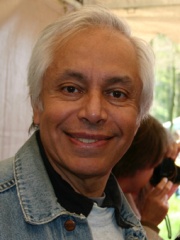
Boris Vallejo
PAINTER
1941 - obecnie
HPI: 60.27
Miejsce: 258
W kraju Włochy
Wśród osób urodzonych w kraju Włochy Angelo Domenghini zajmuje 2,668. miejsce na NaN. Przed nim są Mario Corso (1941), Nicola Vicentino (1511), Lucrezia Marinella (1571), Giovanni Pastrone (1883), Nino Ferrer (1934), i Alex Zanardi (1966). Po nim są Andrea Cordero Lanza di Montezemolo (1925), Roberto Rosato (1943), Pietro Gradenigo (1251), Giancarlo de' Medici (1611), Liliana Segre (1930), i Paolo Renier (1710).
Inne osoby urodzone w kraju Włochy
Zobacz wszystkie rankingiMario Corso
SOCCER PLAYER
1941 - 2020
HPI: 60.52
Miejsce: 2,662
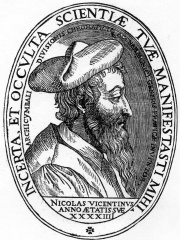
Nicola Vicentino
COMPOSER
1511 - 1576
HPI: 60.52
Miejsce: 2,663

Lucrezia Marinella
WRITER
1571 - 1653
HPI: 60.52
Miejsce: 2,664
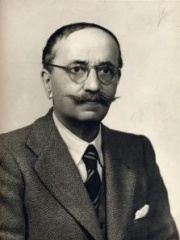
Giovanni Pastrone
FILM DIRECTOR
1883 - 1959
HPI: 60.52
Miejsce: 2,665
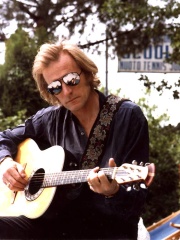
Nino Ferrer
SINGER
1934 - 1998
HPI: 60.51
Miejsce: 2,666
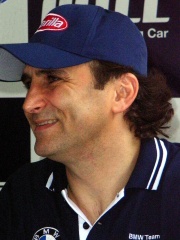
Alex Zanardi
RACING DRIVER
1966 - 2026
HPI: 60.51
Miejsce: 2,667
Angelo Domenghini
SOCCER PLAYER
1941 - obecnie
HPI: 60.51
Miejsce: 2,668

Andrea Cordero Lanza di Montezemolo
RELIGIOUS FIGURE
1925 - 2017
HPI: 60.50
Miejsce: 2,669
Roberto Rosato
SOCCER PLAYER
1943 - 2010
HPI: 60.50
Miejsce: 2,670
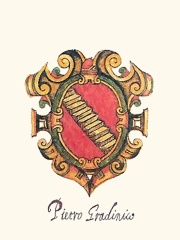
Pietro Gradenigo
POLITICIAN
1251 - 1311
HPI: 60.50
Miejsce: 2,671
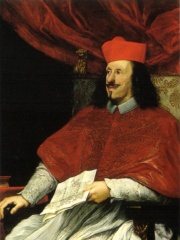
Giancarlo de' Medici
POLITICIAN
1611 - 1663
HPI: 60.50
Miejsce: 2,672
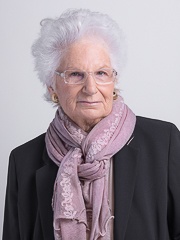
Liliana Segre
POLITICIAN
1930 - obecnie
HPI: 60.49
Miejsce: 2,673
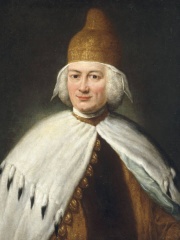
Paolo Renier
POLITICIAN
1710 - 1789
HPI: 60.49
Miejsce: 2,674
Wśród przedstawicieli zawodu Piłkarz w kraju Włochy
Wśród przedstawicieli zawodu „Piłkarz” urodzonych w kraju Włochy Angelo Domenghini zajmuje 89. miejsce. Przed nim są Pietro Vierchowod (1959), Umberto Caligaris (1901), Paolo Di Canio (1968), Leonardo Bonucci (1987), Daniele De Rossi (1983), i Mario Corso (1941). Po nim są Roberto Rosato (1943), Guido Masetti (1907), Amedeo Amadei (1921), Massimo Bonini (1959), Walter Mazzarri (1961), i Pietro Serantoni (1906).
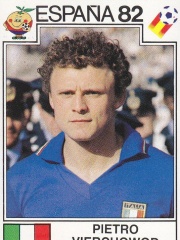
Pietro Vierchowod
1959 - obecnie
HPI: 60.92
Miejsce: 83
Umberto Caligaris
1901 - 1940
HPI: 60.80
Miejsce: 84
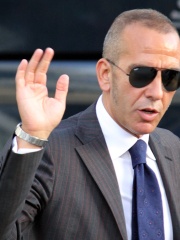
Paolo Di Canio
1968 - obecnie
HPI: 60.74
Miejsce: 85
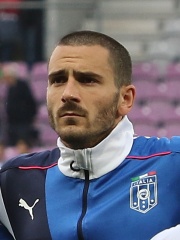
Leonardo Bonucci
1987 - obecnie
HPI: 60.60
Miejsce: 86
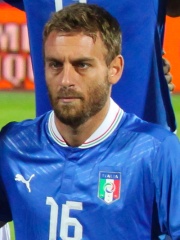
Daniele De Rossi
1983 - obecnie
HPI: 60.56
Miejsce: 87
Mario Corso
1941 - 2020
HPI: 60.52
Miejsce: 88
Angelo Domenghini
1941 - obecnie
HPI: 60.51
Miejsce: 89
Roberto Rosato
1943 - 2010
HPI: 60.50
Miejsce: 90
Guido Masetti
1907 - 1993
HPI: 60.49
Miejsce: 91
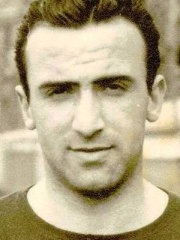
Amedeo Amadei
1921 - 2013
HPI: 60.40
Miejsce: 92
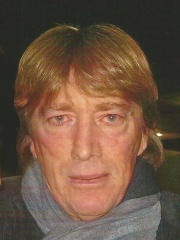
Massimo Bonini
1959 - obecnie
HPI: 60.39
Miejsce: 93
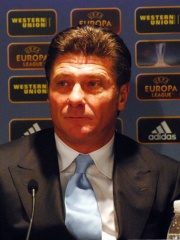
Walter Mazzarri
1961 - obecnie
HPI: 60.30
Miejsce: 94
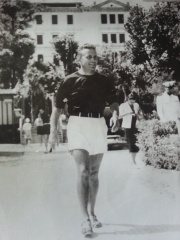
Pietro Serantoni
1906 - 1964
HPI: 60.19
Miejsce: 95




