Политик
Liliana Segre
1930 - настоящее время
ПРОСМОТРЫ RU.WIKIPEDIA (PV)
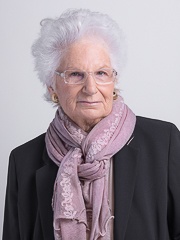
 Liliana Segre
Её биография доступна на 22 различных языках в Википедии (рост с 20 в 2024 году). Liliana Segre занимает 10827-е место среди самых популярных политик (снижение с 10419-е места в 2024 году), занимает 2673-е место среди самых популярных биографий из Италии (снижение с 2662-е места в 2019 году) и занимает 670-е место среди политик Италия.
Метрики памятности
230k
Просмотры страниц
За последние 12 месяцев
60.49
HPI
Индекс исторической популярности
Просмотры страницы Liliana Segre по языкам
Среди представителей профессии «Политик»
Среди представителей профессии «Политик» Liliana Segre занимает 10,821-е место из 19,576. Перед ней идут Giancarlo de' Medici, Licinianus, Fyodor Sergeyev, Gyula Peidl, Yehuda Ashlag, и Albert V, Duke of Saxe-Coburg. После неё идут Paolo Renier, Peter T. King, Béhanzin, Mark of Cornwall, Josef Klaus, и Saadeddine Othmani.
Самые популярные в Википедии: Политик
Все рейтинги
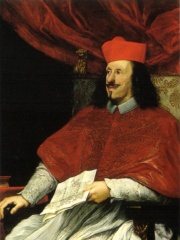
Giancarlo de' Medici
1611 - 1663
HPI: 60.50
Место: 10,821

Licinianus
200 - 250
HPI: 60.50
Место: 10,822
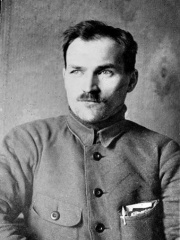
Fyodor Sergeyev
1883 - 1921
HPI: 60.50
Место: 10,823
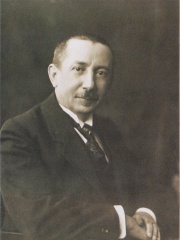
Gyula Peidl
1873 - 1943
HPI: 60.50
Место: 10,824
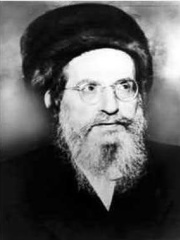
Yehuda Ashlag
1886 - 1954
HPI: 60.50
Место: 10,825
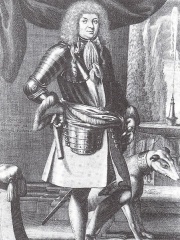
Albert V, Duke of Saxe-Coburg
1648 - 1699
HPI: 60.49
Место: 10,826
Liliana Segre
1930 - наст. время
HPI: 60.49
Место: 10,827
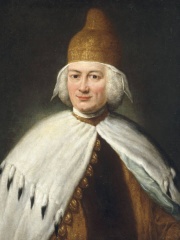
Paolo Renier
1710 - 1789
HPI: 60.49
Место: 10,828

Peter T. King
1944 - наст. время
HPI: 60.49
Место: 10,829
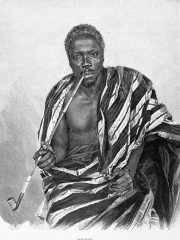
Béhanzin
1844 - 1906
HPI: 60.49
Место: 10,830
Mark of Cornwall
480 - 555
HPI: 60.49
Место: 10,831
Josef Klaus
1910 - 2001
HPI: 60.49
Место: 10,832
Saadeddine Othmani
1956 - наст. время
HPI: 60.49
Место: 10,833

Современники
Среди людей, родившихся в 1930 году, Liliana Segre занимает 238-е место. Перед ней идут Juan Gelman, Stuart Lewis-Evans, David Huddleston, Bora Kostić, Abdul Rahman Ghassemlou, и Ross Perot. После неё идут Stanley Myers, Salvatore De Giorgi, Elza Soares, Walter Mischel, Viktor Tsybulenko, и Gholamreza Takhti.
Другие люди, родившиеся в 1930 году
Все рейтинги
Juan Gelman
WRITER
1930 - 2014
HPI: 60.62
Место: 232

Stuart Lewis-Evans
RACING DRIVER
1930 - 1958
HPI: 60.59
Место: 233

David Huddleston
ACTOR
1930 - 2016
HPI: 60.56
Место: 234
Bora Kostić
SOCCER PLAYER
1930 - 2011
HPI: 60.55
Место: 235
Abdul Rahman Ghassemlou
POLITICIAN
1930 - 1989
HPI: 60.54
Место: 236
Ross Perot
POLITICIAN
1930 - 2019
HPI: 60.51
Место: 237
Liliana Segre
POLITICIAN
1930 - наст. время
HPI: 60.49
Место: 238
Stanley Myers
COMPOSER
1930 - 1993
HPI: 60.46
Место: 239
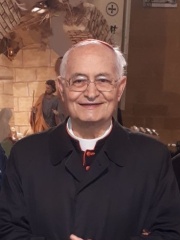
Salvatore De Giorgi
RELIGIOUS FIGURE
1930 - наст. время
HPI: 60.38
Место: 240

Elza Soares
SINGER
1930 - 2022
HPI: 60.35
Место: 241

Walter Mischel
PSYCHOLOGIST
1930 - 2018
HPI: 60.34
Место: 242
Viktor Tsybulenko
ATHLETE
1930 - 2013
HPI: 60.29
Место: 243
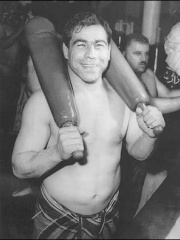
Gholamreza Takhti
WRESTLER
1930 - 1968
HPI: 60.29
Место: 244
В стране Италия
Среди людей, родившихся в стране Италия, Liliana Segre занимает 2,673-е место из NaN. Перед ней идут Alex Zanardi (1966), Angelo Domenghini (1941), Andrea Cordero Lanza di Montezemolo (1925), Roberto Rosato (1943), Pietro Gradenigo (1251), и Giancarlo de' Medici (1611). После неё идут Paolo Renier (1710), Guido Masetti (1907), Princess Maria Luisa of Bourbon-Two Sicilies (1855), Franca Viola (1948), Roberto Farinacci (1892), и Guido Marini (1965).
Другие люди, родившиеся в стране Италия
Все рейтинги
Alex Zanardi
RACING DRIVER
1966 - 2026
HPI: 60.51
Место: 2,667
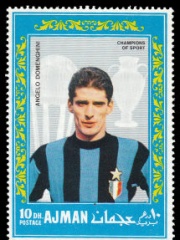
Angelo Domenghini
SOCCER PLAYER
1941 - наст. время
HPI: 60.51
Место: 2,668

Andrea Cordero Lanza di Montezemolo
RELIGIOUS FIGURE
1925 - 2017
HPI: 60.50
Место: 2,669
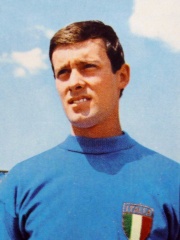
Roberto Rosato
SOCCER PLAYER
1943 - 2010
HPI: 60.50
Место: 2,670

Pietro Gradenigo
POLITICIAN
1251 - 1311
HPI: 60.50
Место: 2,671
Giancarlo de' Medici
POLITICIAN
1611 - 1663
HPI: 60.50
Место: 2,672
Liliana Segre
POLITICIAN
1930 - наст. время
HPI: 60.49
Место: 2,673
Paolo Renier
POLITICIAN
1710 - 1789
HPI: 60.49
Место: 2,674
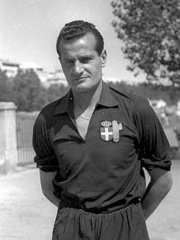
Guido Masetti
SOCCER PLAYER
1907 - 1993
HPI: 60.49
Место: 2,675
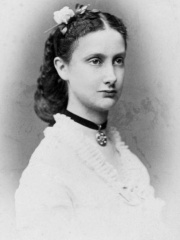
Princess Maria Luisa of Bourbon-Two Sicilies
POLITICIAN
1855 - 1874
HPI: 60.47
Место: 2,676

Franca Viola
SOCIAL ACTIVIST
1948 - наст. время
HPI: 60.46
Место: 2,677
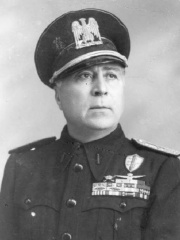
Roberto Farinacci
POLITICIAN
1892 - 1945
HPI: 60.46
Место: 2,678
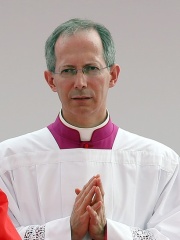
Guido Marini
RELIGIOUS FIGURE
1965 - наст. время
HPI: 60.46
Место: 2,679
Среди представителей профессии «Политик» в стране Италия
Среди представителей профессии «Политик», родившихся в стране Италия, Liliana Segre занимает 670-е место. Перед ней идут Pietro Lando (1462), Archduke Anton Victor of Austria (1779), Alvise Pisani (1664), Laura Martinozzi (1639), Pietro Gradenigo (1251), и Giancarlo de' Medici (1611). После неё идут Paolo Renier (1710), Princess Maria Luisa of Bourbon-Two Sicilies (1855), Roberto Farinacci (1892), Appius Claudius Pulcher (-250), Carlo Ruzzini (1653), и Enrichetta d'Este (1702).
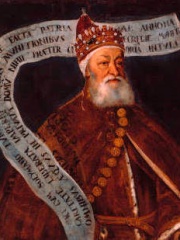
Pietro Lando
1462 - 1545
HPI: 60.64
Место: 664
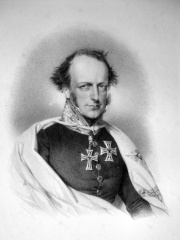
Archduke Anton Victor of Austria
1779 - 1835
HPI: 60.61
Место: 665
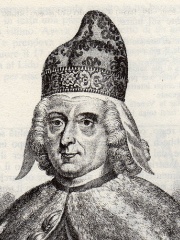
Alvise Pisani
1664 - 1741
HPI: 60.58
Место: 666
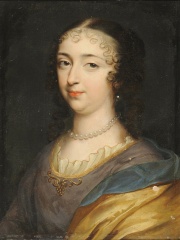
Laura Martinozzi
1639 - 1687
HPI: 60.56
Место: 667
Pietro Gradenigo
1251 - 1311
HPI: 60.50
Место: 668
Giancarlo de' Medici
1611 - 1663
HPI: 60.50
Место: 669
Liliana Segre
1930 - наст. время
HPI: 60.49
Место: 670
Paolo Renier
1710 - 1789
HPI: 60.49
Место: 671
Princess Maria Luisa of Bourbon-Two Sicilies
1855 - 1874
HPI: 60.47
Место: 672
Roberto Farinacci
1892 - 1945
HPI: 60.46
Место: 673

Appius Claudius Pulcher
250 BC - 211 BC
HPI: 60.46
Место: 674
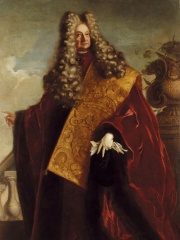
Carlo Ruzzini
1653 - 1735
HPI: 60.45
Место: 675
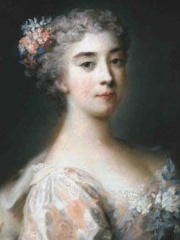
Enrichetta d'Este
1702 - 1777
HPI: 60.44
Место: 676




