Polityk
Kurt Beck
1949 - obecnie
WYŚWIETLENIA PL.WIKIPEDIA (PV)
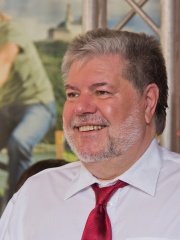
 Kurt Beck
Jego biografia jest dostępna w 28 różnych językach w Wikipedii. Kurt Beck jest 14604. najpopularniejszym polityk (spadek z 14020. w 2024 roku), 4561. najpopularniejszą biografią Niemcy (spadek z 4441. w 2019 roku) oraz 1177. najpopularniejszym polityk Niemcy.
Wskaźniki rozpoznawalności
60k
Wyświetlenia strony
Ostatnie 12 miesięcy
56.39
HPI
Indeks historycznej popularności
Wyświetlenia strony Kurt Beck według języka
Wśród przedstawicieli zawodu Polityk
Wśród przedstawicieli zawodu „Polityk” Kurt Beck zajmuje 14,598. miejsce na 19,576. Przed nim są Nurlan Balgimbayev, Walter Brack, Lou Tseng-Tsiang, Julius Saturninus, Publius Ostorius Scapula, i Lambert Simnel. Po nim są Jan Jacob Rochussen, Benerib, Volodymyr Lytvyn, Muhammad Gaddafi, Saud bin Abdulaziz Al Saud, i Friedrich Chrysander.
Najpopularniejsi w Wikipedii: Polityk
Zobacz wszystkie rankingi
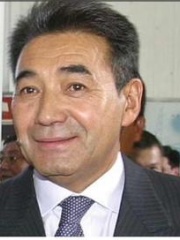
Nurlan Balgimbayev
1947 - 2015
HPI: 56.40
Miejsce: 14,598

Walter Brack
1880 - 1919
HPI: 56.39
Miejsce: 14,599
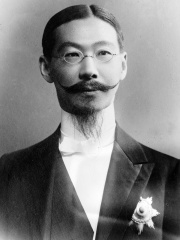
Lou Tseng-Tsiang
1871 - 1949
HPI: 56.39
Miejsce: 14,600
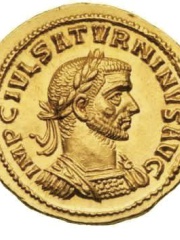
Julius Saturninus
210 - 280
HPI: 56.39
Miejsce: 14,601
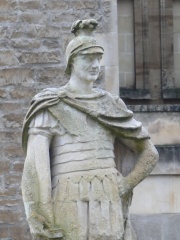
Publius Ostorius Scapula
15 - 52
HPI: 56.39
Miejsce: 14,602
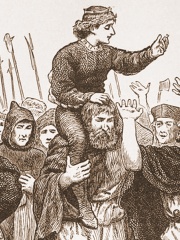
Lambert Simnel
1477 - 1525
HPI: 56.39
Miejsce: 14,603
Kurt Beck
1949 - obecnie
HPI: 56.39
Miejsce: 14,604
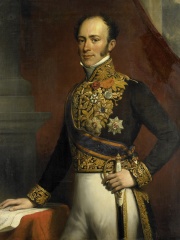
Jan Jacob Rochussen
1797 - 1871
HPI: 56.39
Miejsce: 14,605
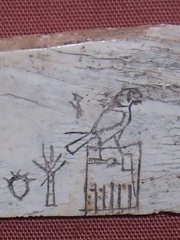
Benerib
HPI: 56.38
Miejsce: 14,606
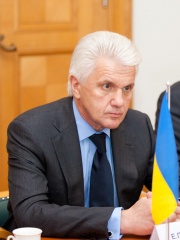
Volodymyr Lytvyn
1956 - obecnie
HPI: 56.38
Miejsce: 14,607

Muhammad Gaddafi
1970 - obecnie
HPI: 56.38
Miejsce: 14,608

Saud bin Abdulaziz Al Saud
1748 - 1814
HPI: 56.38
Miejsce: 14,609
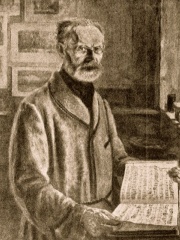
Friedrich Chrysander
1826 - 1901
HPI: 56.38
Miejsce: 14,610

Współcześni
Wśród osób urodzonych w 1949 roku Kurt Beck zajmuje 436. miejsce. Przed nim są William Lane Craig, Gil Scott-Heron, Jean Asselborn, Keith Rowley, Irena Degutienė, i Tatyana Anisimova. Po nim są Carlos Babington, Rick Springfield, Charles Fefferman, Oleg Atkov, Philippe Djian, i Nurit Peled-Elhanan.
Inne osoby urodzone w 1949 roku
Zobacz wszystkie rankingi
William Lane Craig
PHILOSOPHER
1949 - obecnie
HPI: 56.48
Miejsce: 430
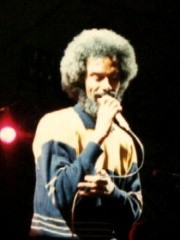
Gil Scott-Heron
SINGER
1949 - 2011
HPI: 56.44
Miejsce: 431
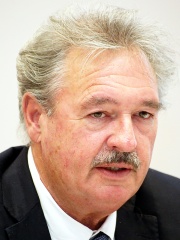
Jean Asselborn
POLITICIAN
1949 - obecnie
HPI: 56.42
Miejsce: 432
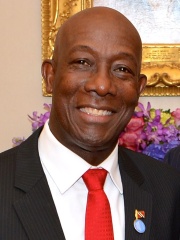
Keith Rowley
POLITICIAN
1949 - obecnie
HPI: 56.41
Miejsce: 433
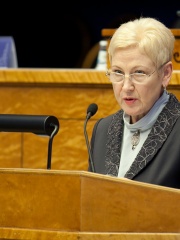
Irena Degutienė
POLITICIAN
1949 - obecnie
HPI: 56.41
Miejsce: 434

Tatyana Anisimova
ATHLETE
1949 - obecnie
HPI: 56.40
Miejsce: 435
Kurt Beck
POLITICIAN
1949 - obecnie
HPI: 56.39
Miejsce: 436
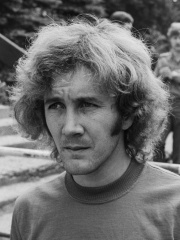
Carlos Babington
SOCCER PLAYER
1949 - obecnie
HPI: 56.39
Miejsce: 437

Rick Springfield
MUSICIAN
1949 - obecnie
HPI: 56.36
Miejsce: 438
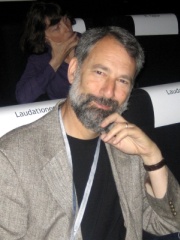
Charles Fefferman
MATHEMATICIAN
1949 - obecnie
HPI: 56.31
Miejsce: 439
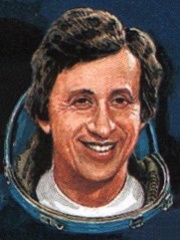
Oleg Atkov
ASTRONAUT
1949 - obecnie
HPI: 56.28
Miejsce: 440
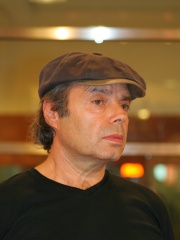
Philippe Djian
WRITER
1949 - obecnie
HPI: 56.27
Miejsce: 441
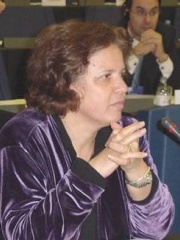
Nurit Peled-Elhanan
LINGUIST
1949 - obecnie
HPI: 56.24
Miejsce: 442
W kraju Niemcy
Wśród osób urodzonych w kraju Niemcy Kurt Beck zajmuje 4,561. miejsce na NaN. Przed nim są Helmut Dietl (1944), Princess Leopoldine of Baden (1837), Oliver Shanti (1948), Albrecht Thaer (1752), Walter Brack (1880), i Gustav von Alvensleben (1803). Po nim są Wilhelm Kreis (1873), Hedwig Dohm (1831), Friedrich Chrysander (1826), Hildrun Laufer-Claus (1939), Helmut Recknagel (1937), i Werner Krämer (1940).
Inne osoby urodzone w kraju Niemcy
Zobacz wszystkie rankingi
Helmut Dietl
FILM DIRECTOR
1944 - 2015
HPI: 56.41
Miejsce: 4,555
Princess Leopoldine of Baden
NOBLEMAN
1837 - 1903
HPI: 56.40
Miejsce: 4,556

Oliver Shanti
MUSICIAN
1948 - 2016
HPI: 56.40
Miejsce: 4,557
Albrecht Thaer
BIOLOGIST
1752 - 1828
HPI: 56.40
Miejsce: 4,558
Walter Brack
POLITICIAN
1880 - 1919
HPI: 56.39
Miejsce: 4,559
Gustav von Alvensleben
MILITARY PERSONNEL
1803 - 1881
HPI: 56.39
Miejsce: 4,560
Kurt Beck
POLITICIAN
1949 - obecnie
HPI: 56.39
Miejsce: 4,561
Wilhelm Kreis
ARCHITECT
1873 - 1955
HPI: 56.38
Miejsce: 4,562
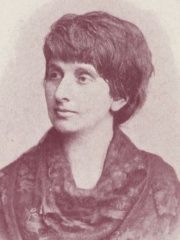
Hedwig Dohm
WRITER
1831 - 1919
HPI: 56.38
Miejsce: 4,563
Friedrich Chrysander
POLITICIAN
1826 - 1901
HPI: 56.38
Miejsce: 4,564
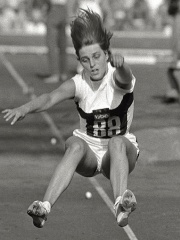
Hildrun Laufer-Claus
ATHLETE
1939 - obecnie
HPI: 56.38
Miejsce: 4,565
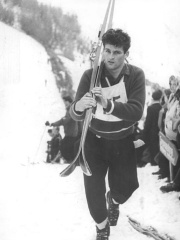
Helmut Recknagel
SKIER
1937 - obecnie
HPI: 56.37
Miejsce: 4,566

Werner Krämer
SOCCER PLAYER
1940 - 2010
HPI: 56.37
Miejsce: 4,567
Wśród przedstawicieli zawodu Polityk w kraju Niemcy
Wśród przedstawicieli zawodu „Polityk” urodzonych w kraju Niemcy Kurt Beck zajmuje 1,177. miejsce. Przed nim są Frederick IV, Duke of Saxe-Gotha-Altenburg (1774), Fritz Schäffer (1888), Theodor Blank (1905), Augustus Christian Frederick, Duke of Anhalt-Köthen (1769), Johanna Magdalena of Saxe-Altenburg (1656), i Walter Brack (1880). Po nim są Friedrich Chrysander (1826), Gustav Schuft (1878), Yosef Burg (1909), Aleida Assmann (1947), Eugen Bolz (1881), i Charles-Mathias Simons (1802).
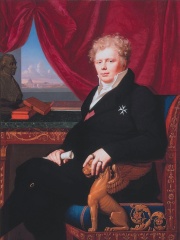
Frederick IV, Duke of Saxe-Gotha-Altenburg
1774 - 1825
HPI: 56.66
Miejsce: 1,171
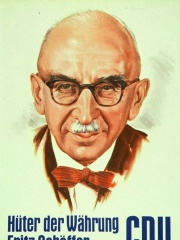
Fritz Schäffer
1888 - 1967
HPI: 56.59
Miejsce: 1,172
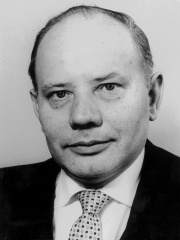
Theodor Blank
1905 - 1972
HPI: 56.53
Miejsce: 1,173

Augustus Christian Frederick, Duke of Anhalt-Köthen
1769 - 1812
HPI: 56.52
Miejsce: 1,174
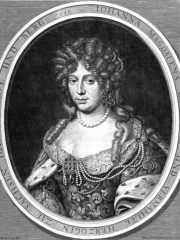
Johanna Magdalena of Saxe-Altenburg
1656 - 1686
HPI: 56.42
Miejsce: 1,175
Walter Brack
1880 - 1919
HPI: 56.39
Miejsce: 1,176
Kurt Beck
1949 - obecnie
HPI: 56.39
Miejsce: 1,177
Friedrich Chrysander
1826 - 1901
HPI: 56.38
Miejsce: 1,178

Gustav Schuft
1878 - 1948
HPI: 56.34
Miejsce: 1,179
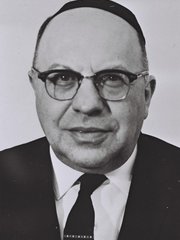
Yosef Burg
1909 - 1999
HPI: 56.34
Miejsce: 1,180
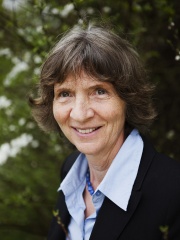
Aleida Assmann
1947 - obecnie
HPI: 56.30
Miejsce: 1,181
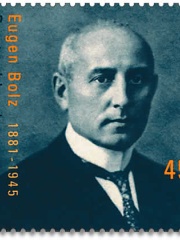
Eugen Bolz
1881 - 1945
HPI: 56.22
Miejsce: 1,182
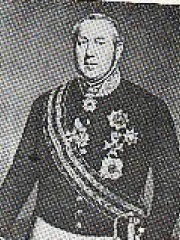
Charles-Mathias Simons
1802 - 1874
HPI: 56.21
Miejsce: 1,183




