Политик
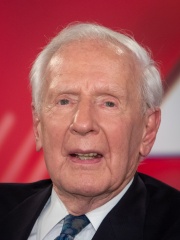
Klaus von Dohnanyi
1928 - настоящее время
ПРОСМОТРЫ RU.WIKIPEDIA (PV)
 Klaus von Dohnanyi
Его биография доступна на 18 различных языках в Википедии (рост с 17 в 2024 году). Klaus von Dohnanyi занимает 15225-е место среди самых популярных политик (снижение с 14095-е места в 2024 году), занимает 4828-е место среди самых популярных биографий из Германии (снижение с 4469-е места в 2019 году) и занимает 1203-е место среди политик Германия.
Метрики памятности
170k
Просмотры страниц
За последние 12 месяцев
55.44
HPI
Индекс исторической популярности
Интересные факты
18
Биография Klaus von Dohnanyi представлена в 18 языковых разделах Википедии, а Индекс исторической популярности составляет 55.44.
Просмотры страницы Klaus von Dohnanyi по языкам
Среди представителей профессии «Политик»
Среди представителей профессии «Политик» Klaus von Dohnanyi занимает 15,218-е место из 20,022. Перед ним идут Aspelta, José María Carreño, Emily de Jongh-Elhage, Quintus Marcius Rex, Cecília Meireles, и Rafael Ángel Calderón Fournier. После него идут Ramsey Clark, Geulah Cohen, George Sheldon, Gopala I, Augusts Voss, и Manuel Basilio Bustamante.
Самые популярные в Википедии: Политик
Все рейтинги

Aspelta
700 до н. э. - 600 до н. э.
HPI: 55.45
Место: 15,219
José María Carreño
1792 - 1849
HPI: 55.45
Место: 15,220

Emily de Jongh-Elhage
1946 - наст. время
HPI: 55.45
Место: 15,221

Quintus Marcius Rex
150 до н. э. - 61 до н. э.
HPI: 55.44
Место: 15,222
Cecília Meireles
1901 - 1964
HPI: 55.44
Место: 15,223
Rafael Ángel Calderón Fournier
1949 - наст. время
HPI: 55.44
Место: 15,224
Klaus von Dohnanyi
1928 - наст. время
HPI: 55.44
Место: 15,225
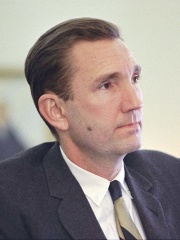
Ramsey Clark
1927 - 2021
HPI: 55.44
Место: 15,226
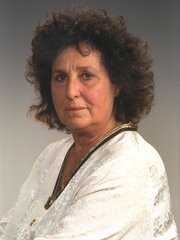
Geulah Cohen
1925 - 2019
HPI: 55.44
Место: 15,227

George Sheldon
1874 - 1907
HPI: 55.44
Место: 15,228

Gopala I
HPI: 55.43
Место: 15,229
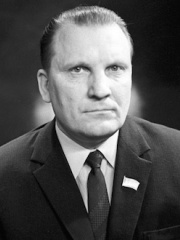
Augusts Voss
1919 - 1994
HPI: 55.43
Место: 15,230

Manuel Basilio Bustamante
1785 - 1863
HPI: 55.43
Место: 15,231

Современники
Среди людей, родившихся в 1928 году, Klaus von Dohnanyi занимает 429-е место. Перед ним идут Bruce Ames, Horst Stein, Cyril Mango, Rıdvan Bolatlı, Lucho Gatica, и Alice Drummond. После него идут Gunnar Andersson, Jean Dotto, Dara Singh, Walter Haummer, Koko Taylor, и Nunzio Gallo.
Другие люди, родившиеся в 1928 году
Все рейтинги
Bruce Ames
CHEMIST
1928 - 2024
HPI: 55.52
Место: 423
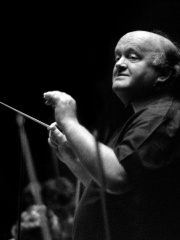
Horst Stein
MUSICIAN
1928 - 2008
HPI: 55.52
Место: 424

Cyril Mango
HISTORIAN
1928 - 2021
HPI: 55.52
Место: 425

Rıdvan Bolatlı
SOCCER PLAYER
1928 - 2022
HPI: 55.47
Место: 426
Lucho Gatica
SINGER
1928 - 2018
HPI: 55.46
Место: 427

Alice Drummond
ACTOR
1928 - 2016
HPI: 55.45
Место: 428
Klaus von Dohnanyi
POLITICIAN
1928 - наст. время
HPI: 55.44
Место: 429
Gunnar Andersson
SOCCER PLAYER
1928 - 1969
HPI: 55.42
Место: 430

Jean Dotto
CYCLIST
1928 - 2000
HPI: 55.33
Место: 431
Dara Singh
FILM DIRECTOR
1928 - 2012
HPI: 55.30
Место: 432

Walter Haummer
SOCCER PLAYER
1928 - 2008
HPI: 55.28
Место: 433

Koko Taylor
SINGER
1928 - 2009
HPI: 55.26
Место: 434
Nunzio Gallo
SINGER
1928 - 2008
HPI: 55.26
Место: 435
В стране Германия
Среди людей, родившихся в стране Германия, Klaus von Dohnanyi занимает 4,828-е место из 8,184. Перед ним идут Princess Marie of Hanover (1849), Paul Rudolf von Bilguer (1815), Johann August Ephraim Goeze (1731), Siegmar Wätzlich (1947), Wendelin Werner (1968), и Gabriele Reinsch (1963). После него идут Ralph Kronig (1904), Heinrich Hax (1900), Francis Buchholz (1954), Sarah Kirsch (1935), Tomislav Marić (1973), и Hartwig Gauder (1954).
Другие люди, родившиеся в стране Германия
Все рейтинги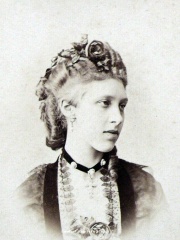
Princess Marie of Hanover
POLITICIAN
1849 - 1904
HPI: 55.46
Место: 4,822
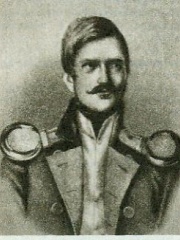
Paul Rudolf von Bilguer
POLITICIAN
1815 - 1840
HPI: 55.45
Место: 4,823
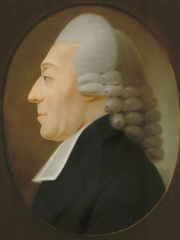
Johann August Ephraim Goeze
BIOLOGIST
1731 - 1793
HPI: 55.45
Место: 4,824
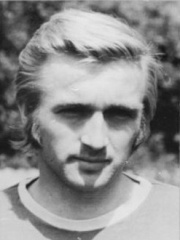
Siegmar Wätzlich
SOCCER PLAYER
1947 - 2019
HPI: 55.45
Место: 4,825

Wendelin Werner
MATHEMATICIAN
1968 - наст. время
HPI: 55.45
Место: 4,826

Gabriele Reinsch
ATHLETE
1963 - наст. время
HPI: 55.44
Место: 4,827
Klaus von Dohnanyi
POLITICIAN
1928 - наст. время
HPI: 55.44
Место: 4,828
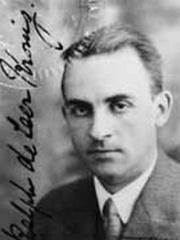
Ralph Kronig
PHYSICIST
1904 - 1995
HPI: 55.44
Место: 4,829

Heinrich Hax
MILITARY PERSONNEL
1900 - 1969
HPI: 55.44
Место: 4,830

Francis Buchholz
MUSICIAN
1954 - 2026
HPI: 55.43
Место: 4,831
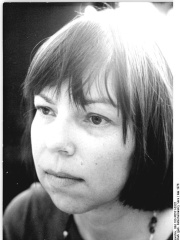
Sarah Kirsch
WRITER
1935 - 2013
HPI: 55.43
Место: 4,832

Tomislav Marić
SOCCER PLAYER
1973 - наст. время
HPI: 55.42
Место: 4,833

Hartwig Gauder
ATHLETE
1954 - 2020
HPI: 55.42
Место: 4,834
Среди представителей профессии «Политик» в стране Германия
Среди представителей профессии «Политик», родившихся в стране Германия, Klaus von Dohnanyi занимает 1,203-е место. Перед ним идут Claudia Roth (1955), Georg Friedrich von Martens (1756), Christian Lindner (1979), Helene Lange (1848), Princess Marie of Hanover (1849), и Paul Rudolf von Bilguer (1815). После него идут Ulrich Wehling (1952), Julius Curtius (1877), Paul Matschie (1861), Paul Warburg (1868), Walter Behrendt (1914), и Heinrich Held (1868).
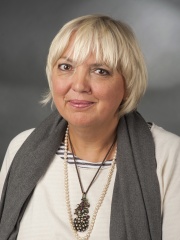
Claudia Roth
1955 - наст. время
HPI: 55.66
Место: 1,197
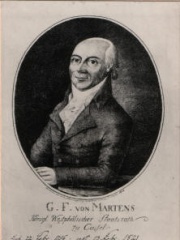
Georg Friedrich von Martens
1756 - 1821
HPI: 55.59
Место: 1,198
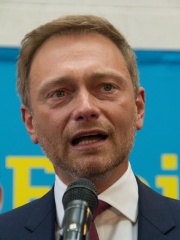
Christian Lindner
1979 - наст. время
HPI: 55.55
Место: 1,199
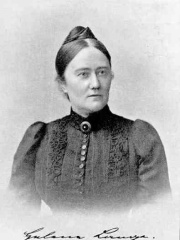
Helene Lange
1848 - 1930
HPI: 55.53
Место: 1,200
Princess Marie of Hanover
1849 - 1904
HPI: 55.46
Место: 1,201
Paul Rudolf von Bilguer
1815 - 1840
HPI: 55.45
Место: 1,202
Klaus von Dohnanyi
1928 - наст. время
HPI: 55.44
Место: 1,203

Ulrich Wehling
1952 - наст. время
HPI: 55.41
Место: 1,204
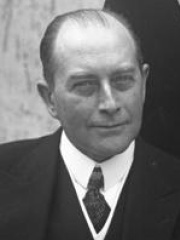
Julius Curtius
1877 - 1948
HPI: 55.34
Место: 1,205
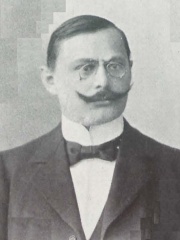
Paul Matschie
1861 - 1926
HPI: 55.33
Место: 1,206
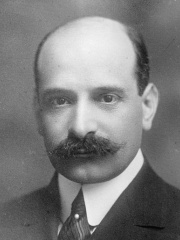
Paul Warburg
1868 - 1932
HPI: 55.22
Место: 1,207
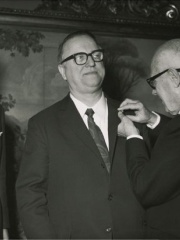
Walter Behrendt
1914 - 1997
HPI: 55.17
Место: 1,208
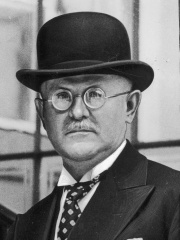
Heinrich Held
1868 - 1938
HPI: 55.12
Место: 1,209




