Polityk
Aleida Assmann
1947 - obecnie
WYŚWIETLENIA PL.WIKIPEDIA (PV)
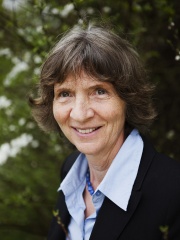
 Aleida Assmann
Jej biografia jest dostępna w 16 różnych językach w Wikipedii (wzrost z 15 w 2024 roku). Aleida Assmann jest 14663. najpopularniejszym polityk (spadek z 14231. w 2024 roku), 4586. najpopularniejszą biografią Niemcy (spadek z 4526. w 2019 roku) oraz 1181. najpopularniejszym polityk Niemcy.
Wskaźniki rozpoznawalności
36k
Wyświetlenia strony
Ostatnie 12 miesięcy
56.30
HPI
Indeks historycznej popularności
Wyświetlenia strony Aleida Assmann według języka
Wśród przedstawicieli zawodu Polityk
Wśród przedstawicieli zawodu „Polityk” Aleida Assmann zajmuje 14,657. miejsce na 19,576. Przed nią są Patricio Escobar, Laisenia Qarase, Skule Bårdsson, Gabriel Attal, Adalbero of Styria, i Grzegorz Braun. Po niej są Duleep Singh, Eanred of Northumbria, Elsa Laula Renberg, Motiur Rahman Nizami, Clifford Husbands, i Trpimir II of Croatia.
Najpopularniejsi w Wikipedii: Polityk
Zobacz wszystkie rankingi
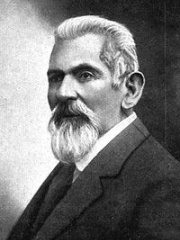
Patricio Escobar
1843 - 1912
HPI: 56.32
Miejsce: 14,657
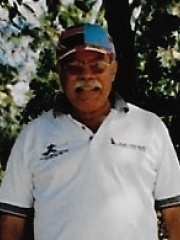
Laisenia Qarase
1941 - 2020
HPI: 56.32
Miejsce: 14,658
Skule Bårdsson
1189 - 1240
HPI: 56.31
Miejsce: 14,659
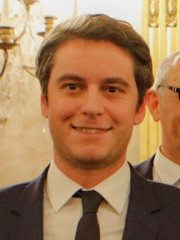
Gabriel Attal
1989 - obecnie
HPI: 56.30
Miejsce: 14,660

Adalbero of Styria
1100 - 1082
HPI: 56.30
Miejsce: 14,661
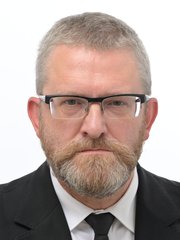
Grzegorz Braun
1967 - obecnie
HPI: 56.30
Miejsce: 14,662
Aleida Assmann
1947 - obecnie
HPI: 56.30
Miejsce: 14,663
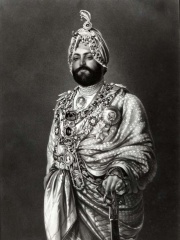
Duleep Singh
1838 - 1893
HPI: 56.30
Miejsce: 14,664
Eanred of Northumbria
750 - 841
HPI: 56.30
Miejsce: 14,665

Elsa Laula Renberg
1877 - 1931
HPI: 56.30
Miejsce: 14,666

Motiur Rahman Nizami
1943 - 2016
HPI: 56.29
Miejsce: 14,667
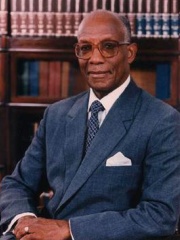
Clifford Husbands
1926 - 2017
HPI: 56.29
Miejsce: 14,668
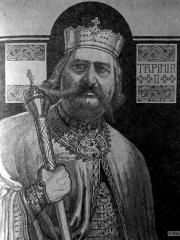
Trpimir II of Croatia
HPI: 56.29
Miejsce: 14,669

Współcześni
Wśród osób urodzonych w 1947 roku Aleida Assmann zajmuje 523. miejsce. Przed nią są Nurlan Balgimbayev, Terry Griffiths, Günther Kaufmann, Emiel Puttemans, Gregory Chaitin, i John Mayhew. Po niej są John Bruton, Renata Sorrah, Stefano Benni, Li Chan-myung, Heide Rosendahl, i Nolan Ryan.
Inne osoby urodzone w 1947 roku
Zobacz wszystkie rankingi
Nurlan Balgimbayev
POLITICIAN
1947 - 2015
HPI: 56.40
Miejsce: 517

Terry Griffiths
SNOOKER
1947 - 2024
HPI: 56.35
Miejsce: 518
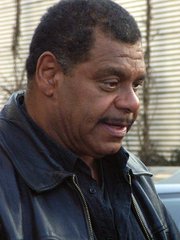
Günther Kaufmann
ACTOR
1947 - 2012
HPI: 56.34
Miejsce: 519
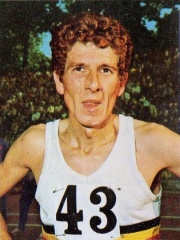
Emiel Puttemans
ATHLETE
1947 - obecnie
HPI: 56.32
Miejsce: 520

Gregory Chaitin
MATHEMATICIAN
1947 - obecnie
HPI: 56.31
Miejsce: 521

John Mayhew
MUSICIAN
1947 - 2009
HPI: 56.31
Miejsce: 522
Aleida Assmann
POLITICIAN
1947 - obecnie
HPI: 56.30
Miejsce: 523
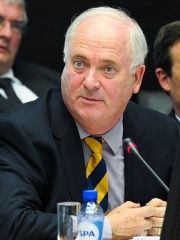
John Bruton
POLITICIAN
1947 - 2024
HPI: 56.28
Miejsce: 524

Renata Sorrah
ACTOR
1947 - obecnie
HPI: 56.27
Miejsce: 525
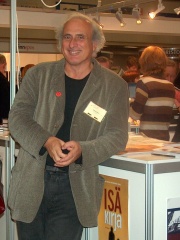
Stefano Benni
WRITER
1947 - 2025
HPI: 56.21
Miejsce: 526

Li Chan-myung
SOCCER PLAYER
1947 - obecnie
HPI: 56.20
Miejsce: 527
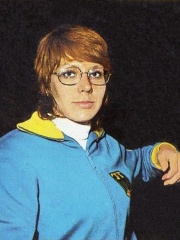
Heide Rosendahl
ATHLETE
1947 - obecnie
HPI: 56.19
Miejsce: 528

Nolan Ryan
BASEBALL PLAYER
1947 - obecnie
HPI: 56.17
Miejsce: 529
W kraju Niemcy
Wśród osób urodzonych w kraju Niemcy Aleida Assmann zajmuje 4,586. miejsce na NaN. Przed nią są Johann von Rist (1607), Heinrich Zschokke (1771), Yosef Burg (1909), Jörg Lucke (1942), Albrecht von Graefe (1828), i Julius Wilbrand (1839). Po niej są Georg Zacharias (1884), Heinz Wewers (1927), Dora Doll (1922), Karl George Lebrecht, Prince of Anhalt-Köthen (1730), Udo Beyer (1955), i Ludwig Knorr (1859).
Inne osoby urodzone w kraju Niemcy
Zobacz wszystkie rankingi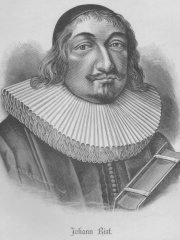
Johann von Rist
WRITER
1607 - 1667
HPI: 56.34
Miejsce: 4,580
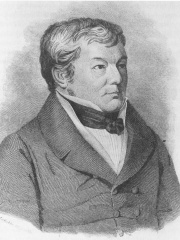
Heinrich Zschokke
WRITER
1771 - 1848
HPI: 56.34
Miejsce: 4,581
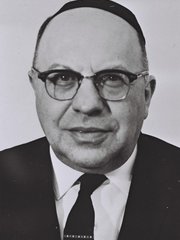
Yosef Burg
POLITICIAN
1909 - 1999
HPI: 56.34
Miejsce: 4,582
Jörg Lucke
ATHLETE
1942 - obecnie
HPI: 56.33
Miejsce: 4,583
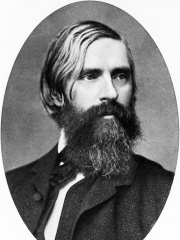
Albrecht von Graefe
PHYSICIAN
1828 - 1870
HPI: 56.33
Miejsce: 4,584

Julius Wilbrand
CHEMIST
1839 - 1906
HPI: 56.31
Miejsce: 4,585
Aleida Assmann
POLITICIAN
1947 - obecnie
HPI: 56.30
Miejsce: 4,586

Georg Zacharias
SWIMMER
1884 - 1953
HPI: 56.30
Miejsce: 4,587
Heinz Wewers
SOCCER PLAYER
1927 - 2008
HPI: 56.29
Miejsce: 4,588

Dora Doll
ACTOR
1922 - 2015
HPI: 56.29
Miejsce: 4,589
Karl George Lebrecht, Prince of Anhalt-Köthen
NOBLEMAN
1730 - 1789
HPI: 56.29
Miejsce: 4,590
Udo Beyer
ATHLETE
1955 - obecnie
HPI: 56.28
Miejsce: 4,591
Ludwig Knorr
CHEMIST
1859 - 1921
HPI: 56.28
Miejsce: 4,592
Wśród przedstawicieli zawodu Polityk w kraju Niemcy
Wśród przedstawicieli zawodu „Polityk” urodzonych w kraju Niemcy Aleida Assmann zajmuje 1,181. miejsce. Przed nią są Johanna Magdalena of Saxe-Altenburg (1656), Walter Brack (1880), Kurt Beck (1949), Friedrich Chrysander (1826), Gustav Schuft (1878), i Yosef Burg (1909). Po niej są Eugen Bolz (1881), Charles-Mathias Simons (1802), Johann Wadephul (1963), Gerhard Stoltenberg (1928), Joseph von Radowitz (1797), i Rudolf Scharping (1947).
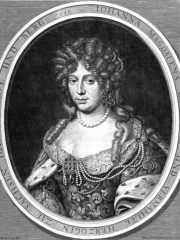
Johanna Magdalena of Saxe-Altenburg
1656 - 1686
HPI: 56.42
Miejsce: 1,175

Walter Brack
1880 - 1919
HPI: 56.39
Miejsce: 1,176

Kurt Beck
1949 - obecnie
HPI: 56.39
Miejsce: 1,177
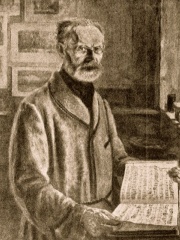
Friedrich Chrysander
1826 - 1901
HPI: 56.38
Miejsce: 1,178

Gustav Schuft
1878 - 1948
HPI: 56.34
Miejsce: 1,179
Yosef Burg
1909 - 1999
HPI: 56.34
Miejsce: 1,180
Aleida Assmann
1947 - obecnie
HPI: 56.30
Miejsce: 1,181
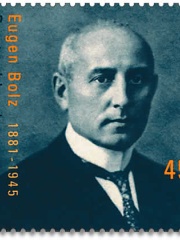
Eugen Bolz
1881 - 1945
HPI: 56.22
Miejsce: 1,182
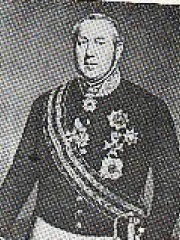
Charles-Mathias Simons
1802 - 1874
HPI: 56.21
Miejsce: 1,183
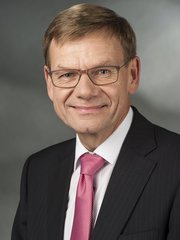
Johann Wadephul
1963 - obecnie
HPI: 56.19
Miejsce: 1,184
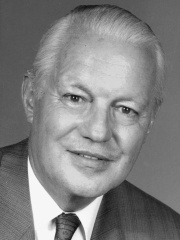
Gerhard Stoltenberg
1928 - 2001
HPI: 56.14
Miejsce: 1,185
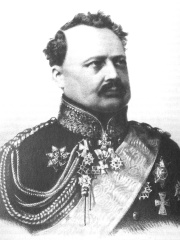
Joseph von Radowitz
1797 - 1853
HPI: 56.12
Miejsce: 1,186
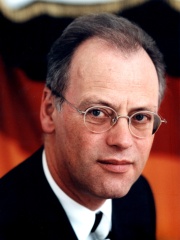
Rudolf Scharping
1947 - obecnie
HPI: 56.09
Miejsce: 1,187




