Postać religijna
João Braz de Aviz
1947 - obecnie
PL.WIKIPEDIA PAGE VIEWS (PV)
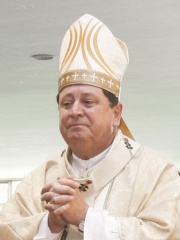
 João Braz de Aviz
Jego biografia jest dostępna w 23 różnych językach w Wikipedii (wzrost z 19 w 2024 roku). João Braz de Aviz jest 1434. najpopularniejszym postać religijna (wzrost z 1981. w 2024 roku), 153. najpopularniejszą biografią Brazylia (wzrost z 290. w 2019 roku) oraz 5. najpopularniejszym postać religijna Brazylia.
Memorability Metrics
22k
Page Views
Past 12 months
63.76
HPI
Historical Popularity Index
Page views of João Braz de Aviz by language
Among Postać religijnas
Among postać religijnas, João Braz de Aviz ranks 1,434 out of 3,187. Before him are Ludovico Ludovisi, Dymphna, Odilo Scherer, Dionysius of Corinth, Pedro Arrupe, and Simon of Trent. After him are Zanabazar, Antipope Theodoric, Mario Zenari, Luigi Orione, Fermin, and Carpocrates.
Most Popular Postać Religijnas in Wikipedia
Go to all Rankings
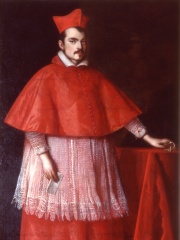
Ludovico Ludovisi
1595 - 1632
HPI: 63.80
Rank: 1,428
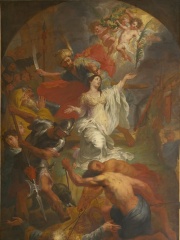
Dymphna
700 - 700
HPI: 63.80
Rank: 1,429
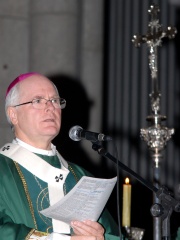
Odilo Scherer
1949 - Present
HPI: 63.79
Rank: 1,430

Dionysius of Corinth
150 - 171
HPI: 63.78
Rank: 1,431

Pedro Arrupe
1907 - 1991
HPI: 63.77
Rank: 1,432
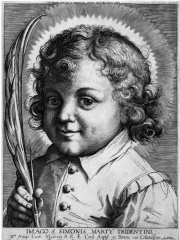
Simon of Trent
1472 - 1475
HPI: 63.76
Rank: 1,433
João Braz de Aviz
1947 - Present
HPI: 63.76
Rank: 1,434

Zanabazar
1635 - 1723
HPI: 63.74
Rank: 1,435

Antipope Theodoric
1100 - 1102
HPI: 63.74
Rank: 1,436
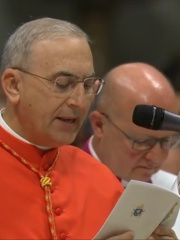
Mario Zenari
1946 - Present
HPI: 63.74
Rank: 1,437
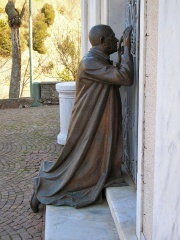
Luigi Orione
1872 - 1940
HPI: 63.74
Rank: 1,438
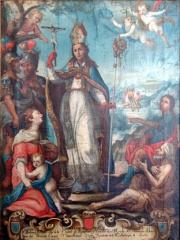
Fermin
272 - 303
HPI: 63.73
Rank: 1,439

Carpocrates
100 - 138
HPI: 63.72
Rank: 1,440

Contemporaries
Among people born in 1947, João Braz de Aviz ranks 186. Before him are David Byron, Helena Vondráčková, Mesut Yılmaz, Kerry Melville, Edward Yang, and James Cosmo. After him are Marion Ramsey, Babita, Sandie Shaw, Zdeněk Zeman, Marcello Semeraro, and Shakira Caine.
Others Born in 1947
Go to all Rankings
David Byron
SINGER
1947 - 1985
HPI: 63.94
Rank: 180

Helena Vondráčková
SINGER
1947 - Present
HPI: 63.94
Rank: 181

Mesut Yılmaz
POLITICIAN
1947 - 2020
HPI: 63.93
Rank: 182

Kerry Melville
TENNIS PLAYER
1947 - Present
HPI: 63.87
Rank: 183

Edward Yang
FILM DIRECTOR
1947 - 2007
HPI: 63.82
Rank: 184

James Cosmo
ACTOR
1947 - Present
HPI: 63.82
Rank: 185
João Braz de Aviz
RELIGIOUS FIGURE
1947 - Present
HPI: 63.76
Rank: 186

Marion Ramsey
ACTOR
1947 - 2021
HPI: 63.74
Rank: 187

Babita
ACTOR
1947 - Present
HPI: 63.68
Rank: 188
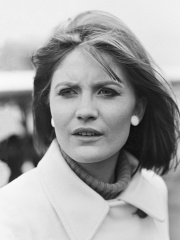
Sandie Shaw
SINGER
1947 - Present
HPI: 63.67
Rank: 189

Zdeněk Zeman
SOCCER PLAYER
1947 - Present
HPI: 63.65
Rank: 190
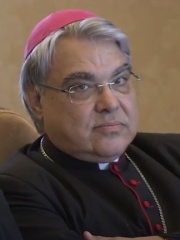
Marcello Semeraro
RELIGIOUS FIGURE
1947 - Present
HPI: 63.60
Rank: 191

Shakira Caine
ACTOR
1947 - Present
HPI: 63.57
Rank: 192
In Brazylia
Among people born in Brazylia, João Braz de Aviz ranks 153 out of NaN. Before him are Fernando Meirelles (1955), Princess Leopoldina of Brazil (1847), Peter Medawar (1915), Carlos José Castilho (1927), Lúcio (1978), and Odilo Scherer (1949). After him are Milton Nascimento (1942), Tarsila do Amaral (1886), Eurico Gaspar Dutra (1883), Fernanda Torres (1965), Lais Ribeiro (1990), and Aymoré Moreira (1912).
Others born in Brazylia
Go to all Rankings
Fernando Meirelles
FILM DIRECTOR
1955 - Present
HPI: 63.85
Rank: 147
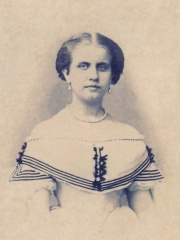
Princess Leopoldina of Brazil
POLITICIAN
1847 - 1871
HPI: 63.84
Rank: 148
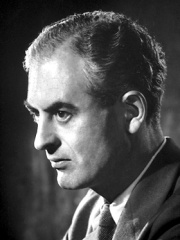
Peter Medawar
BIOLOGIST
1915 - 1987
HPI: 63.84
Rank: 149

Carlos José Castilho
SOCCER PLAYER
1927 - 1987
HPI: 63.82
Rank: 150

Lúcio
SOCCER PLAYER
1978 - Present
HPI: 63.80
Rank: 151
Odilo Scherer
RELIGIOUS FIGURE
1949 - Present
HPI: 63.79
Rank: 152
João Braz de Aviz
RELIGIOUS FIGURE
1947 - Present
HPI: 63.76
Rank: 153
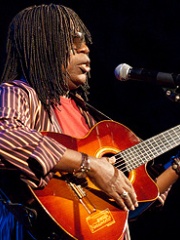
Milton Nascimento
MUSICIAN
1942 - Present
HPI: 63.76
Rank: 154
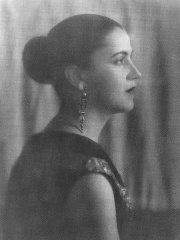
Tarsila do Amaral
PAINTER
1886 - 1973
HPI: 63.74
Rank: 155
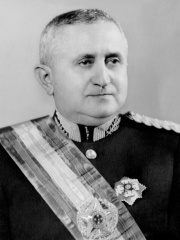
Eurico Gaspar Dutra
POLITICIAN
1883 - 1974
HPI: 63.70
Rank: 156

Fernanda Torres
ACTOR
1965 - Present
HPI: 63.62
Rank: 157

Lais Ribeiro
MODEL
1990 - Present
HPI: 63.57
Rank: 158
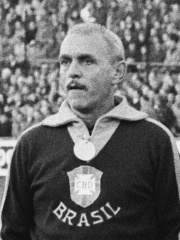
Aymoré Moreira
SOCCER PLAYER
1912 - 1998
HPI: 63.48
Rank: 159
Among Postać religijnas In Brazylia
Among postać religijnas born in Brazylia, João Braz de Aviz ranks 5. Before him are Hélder Câmara (1909), Leonardo Boff (1938), Cláudio Hummes (1934), and Odilo Scherer (1949). After him are Paulo Evaristo Arns (1921), Orani João Tempesta (1949), Aloísio Lorscheider (1924), Geraldo Majella Agnelo (1933), José Freire Falcão (1925), Raymundo Damasceno Assis (1937), and Frei Galvão (1739).
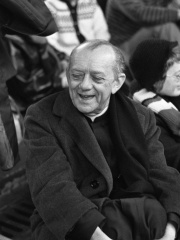
Hélder Câmara
1909 - 1999
HPI: 67.57
Rank: 1
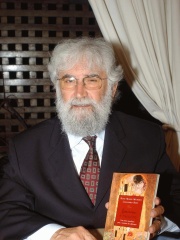
Leonardo Boff
1938 - Present
HPI: 67.31
Rank: 2
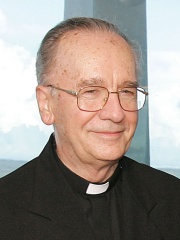
Cláudio Hummes
1934 - 2022
HPI: 66.60
Rank: 3
Odilo Scherer
1949 - Present
HPI: 63.79
Rank: 4
João Braz de Aviz
1947 - Present
HPI: 63.76
Rank: 5
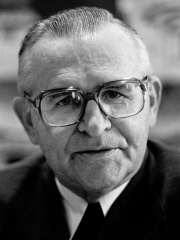
Paulo Evaristo Arns
1921 - 2016
HPI: 62.88
Rank: 6
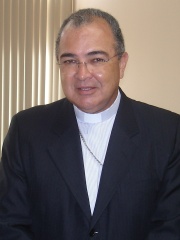
Orani João Tempesta
1949 - Present
HPI: 61.00
Rank: 7
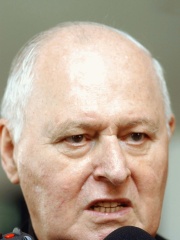
Aloísio Lorscheider
1924 - 2007
HPI: 60.80
Rank: 8
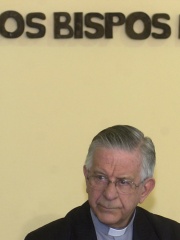
Geraldo Majella Agnelo
1933 - 2023
HPI: 59.97
Rank: 9
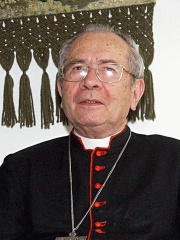
José Freire Falcão
1925 - 2021
HPI: 59.73
Rank: 10
Raymundo Damasceno Assis
1937 - Present
HPI: 59.31
Rank: 11
Frei Galvão
1739 - 1822
HPI: 59.22
Rank: 12




