Polityk
Barham Salih
1960 - obecnie
WYŚWIETLENIA PL.WIKIPEDIA (PV)
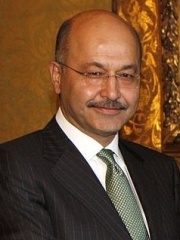

 Barham Salih
Jego biografia jest dostępna w 49 różnych językach w Wikipedii (wzrost z 48 w 2024 roku). Barham Salih jest 6272. najpopularniejszym polityk (spadek z 5972. w 2024 roku), 166. najpopularniejszą biografią Irak (wzrost z 169. w 2019 roku) oraz 110. najpopularniejszym polityk Irak.
Wskaźniki rozpoznawalności
270k
Wyświetlenia strony
Ostatnie 12 miesięcy
64.99
HPI
Indeks historycznej popularności
Ciekawostki z danych
49
Biografia postaci Barham Salih występuje w 49 wersjach językowych Wikipedii — w większej liczbie niż u 89% wszystkich Polityk.
12 lip
Barham Salih obchodzi urodziny tego samego dnia (12 lipca) co Amedeo Modigliani, Pablo Neruda i Henry David Thoreau.
Wyświetlenia strony Barham Salih według języka
Wśród przedstawicieli zawodu Polityk
Wśród przedstawicieli zawodu „Polityk” Barham Salih zajmuje 6,270. miejsce na 20,022. Przed nim są Matilda of Savoy, Queen of Portugal, Alfonso IV d'Este, Duke of Modena, Samak Sundaravej, Ibrahim Bey, Alejandro Toledo, i Lu'ay al-Atassi. Po nim są Mahmud Shah Durrani, John Cicero, Elector of Brandenburg, Yang Kaihui, Theudoald, Louise of France, i William V, Duke of Aquitaine.
Najpopularniejsi w Wikipedii: Polityk
Zobacz wszystkie rankingi
Matilda of Savoy, Queen of Portugal
1125 - 1157
HPI: 64.99
Miejsce: 6,266
Alfonso IV d'Este, Duke of Modena
1634 - 1662
HPI: 64.99
Miejsce: 6,267
Samak Sundaravej
1935 - 2009
HPI: 64.99
Miejsce: 6,268
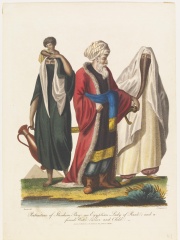
Ibrahim Bey
1735 - 1817
HPI: 64.99
Miejsce: 6,269
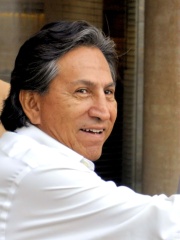
Alejandro Toledo
1946 - obecnie
HPI: 64.99
Miejsce: 6,270
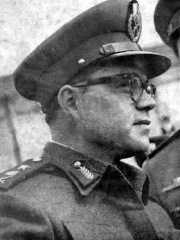
Lu'ay al-Atassi
1926 - 2003
HPI: 64.99
Miejsce: 6,271
Barham Salih
1960 - obecnie
HPI: 64.99
Miejsce: 6,272
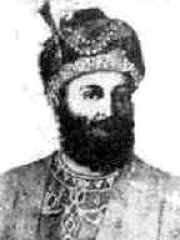
Mahmud Shah Durrani
1769 - 1829
HPI: 64.99
Miejsce: 6,273
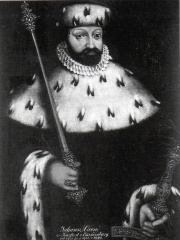
John Cicero, Elector of Brandenburg
1455 - 1499
HPI: 64.99
Miejsce: 6,274
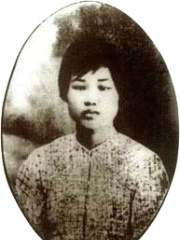
Yang Kaihui
1901 - 1930
HPI: 64.99
Miejsce: 6,275

Theudoald
708 - 741
HPI: 64.98
Miejsce: 6,276
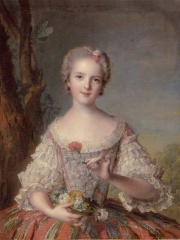
Louise of France
1737 - 1787
HPI: 64.98
Miejsce: 6,277

William V, Duke of Aquitaine
969 - 1030
HPI: 64.98
Miejsce: 6,278

Współcześni
Wśród osób urodzonych w 1960 roku Barham Salih zajmuje 70. miejsce. Przed nim są Sarah Brightman, Mohammad Bagheri, James Spader, John Galliano, Gjorge Ivanov, i Željko Obradović. Po nim są Steve Vai, Fayez al-Sarraj, Neil Gaiman, Bushra al-Assad, Kim Wilde, i Naoki Urasawa.
Inne osoby urodzone w 1960 roku
Zobacz wszystkie rankingi
Sarah Brightman
SINGER
1960 - obecnie
HPI: 65.56
Miejsce: 64
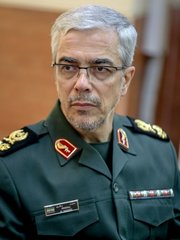
Mohammad Bagheri
MILITARY PERSONNEL
1960 - 2025
HPI: 65.53
Miejsce: 65

James Spader
ACTOR
1960 - obecnie
HPI: 65.44
Miejsce: 66
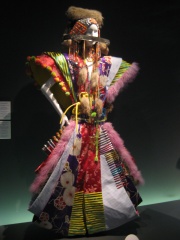
John Galliano
FASHION DESIGNER
1960 - obecnie
HPI: 65.35
Miejsce: 67
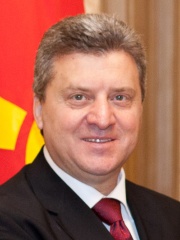
Gjorge Ivanov
POLITICIAN
1960 - obecnie
HPI: 65.26
Miejsce: 68

Željko Obradović
COACH
1960 - obecnie
HPI: 64.99
Miejsce: 69
Barham Salih
POLITICIAN
1960 - obecnie
HPI: 64.99
Miejsce: 70
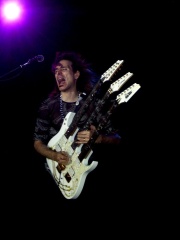
Steve Vai
MUSICIAN
1960 - obecnie
HPI: 64.92
Miejsce: 71
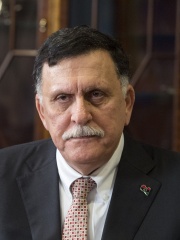
Fayez al-Sarraj
POLITICIAN
1960 - obecnie
HPI: 64.89
Miejsce: 72
Neil Gaiman
WRITER
1960 - obecnie
HPI: 64.87
Miejsce: 73
Bushra al-Assad
POLITICIAN
1960 - obecnie
HPI: 64.77
Miejsce: 74
Kim Wilde
SINGER
1960 - obecnie
HPI: 64.72
Miejsce: 75

Naoki Urasawa
COMIC ARTIST
1960 - obecnie
HPI: 64.64
Miejsce: 76
W kraju Irak
Wśród osób urodzonych w kraju Irak Barham Salih zajmuje 166. miejsce na 414. Przed nim są Ishbi-Erra (-2100), Vonones II (-25), Artabanus I of Parthia (-200), Enmebaragesi (-2650), Al-Mustakfi (905), i En-anna-tum I (-2500). Po nim są Al-Khalil ibn Ahmad al-Farahidi (718), Dinkha IV (1935), Adil Abdul-Mahdi (1942), Muhammad Najib ar-Ruba'i (1904), Eannatum (-2500), i Mahmud Barzanji (1878).
Inne osoby urodzone w kraju Irak
Zobacz wszystkie rankingi
Ishbi-Erra
POLITICIAN
2100 BC - 2060 BC
HPI: 65.13
Miejsce: 160
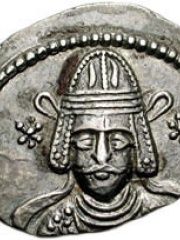
Vonones II
POLITICIAN
25 BC - 51
HPI: 65.11
Miejsce: 161
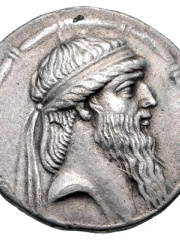
Artabanus I of Parthia
POLITICIAN
200 BC - 124 BC
HPI: 65.06
Miejsce: 162
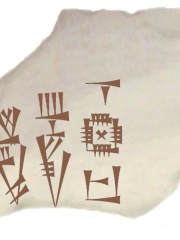
Enmebaragesi
POLITICIAN
2650 BC - 2680 BC
HPI: 65.05
Miejsce: 163
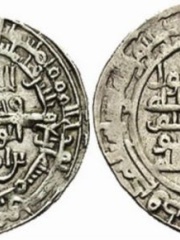
Al-Mustakfi
POLITICIAN
905 - 949
HPI: 65.03
Miejsce: 164
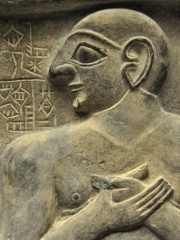
En-anna-tum I
POLITICIAN
2500 BC - 2500 BC
HPI: 65.03
Miejsce: 165
Barham Salih
POLITICIAN
1960 - obecnie
HPI: 64.99
Miejsce: 166

Al-Khalil ibn Ahmad al-Farahidi
WRITER
718 - 790
HPI: 64.98
Miejsce: 167
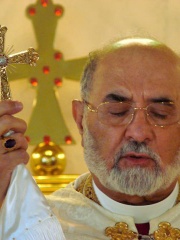
Dinkha IV
RELIGIOUS FIGURE
1935 - 2015
HPI: 64.98
Miejsce: 168
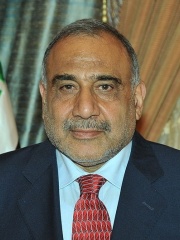
Adil Abdul-Mahdi
POLITICIAN
1942 - obecnie
HPI: 64.96
Miejsce: 169
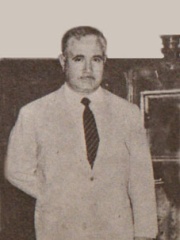
Muhammad Najib ar-Ruba'i
POLITICIAN
1904 - 1965
HPI: 64.82
Miejsce: 170
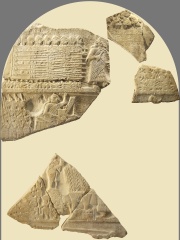
Eannatum
POLITICIAN
2500 BC - 2425 BC
HPI: 64.80
Miejsce: 171
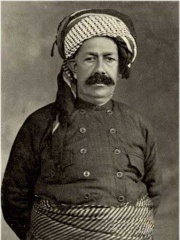
Mahmud Barzanji
POLITICIAN
1878 - 1956
HPI: 64.75
Miejsce: 172
Wśród przedstawicieli zawodu Polityk w kraju Irak
Wśród przedstawicieli zawodu „Polityk” urodzonych w kraju Irak Barham Salih zajmuje 110. miejsce. Przed nim są Ishbi-Erra (-2100), Vonones II (-25), Artabanus I of Parthia (-200), Enmebaragesi (-2650), Al-Mustakfi (905), i En-anna-tum I (-2500). Po nim są Adil Abdul-Mahdi (1942), Muhammad Najib ar-Ruba'i (1904), Eannatum (-2500), Mahmud Barzanji (1878), Ibn Muqla (886), i Barzan Ibrahim al-Tikriti (1951).
Ishbi-Erra
2100 BC - 2060 BC
HPI: 65.13
Miejsce: 104
Vonones II
25 BC - 51
HPI: 65.11
Miejsce: 105
Artabanus I of Parthia
200 BC - 124 BC
HPI: 65.06
Miejsce: 106
Enmebaragesi
2650 BC - 2680 BC
HPI: 65.05
Miejsce: 107
Al-Mustakfi
905 - 949
HPI: 65.03
Miejsce: 108
En-anna-tum I
2500 BC - 2500 BC
HPI: 65.03
Miejsce: 109
Barham Salih
1960 - obecnie
HPI: 64.99
Miejsce: 110
Adil Abdul-Mahdi
1942 - obecnie
HPI: 64.96
Miejsce: 111
Muhammad Najib ar-Ruba'i
1904 - 1965
HPI: 64.82
Miejsce: 112
Eannatum
2500 BC - 2425 BC
HPI: 64.80
Miejsce: 113
Mahmud Barzanji
1878 - 1956
HPI: 64.75
Miejsce: 114
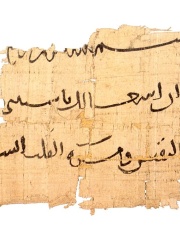
Ibn Muqla
886 - 940
HPI: 64.56
Miejsce: 115
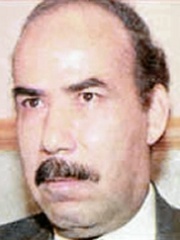
Barzan Ibrahim al-Tikriti
1951 - 2007
HPI: 64.53
Miejsce: 116




