Polityk
Salih Muslim
1951 - 2026
WYŚWIETLENIA PL.WIKIPEDIA (PV)
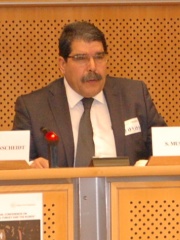

 Salih Muslim
Jego biografia jest dostępna w 27 różnych językach w Wikipedii (wzrost z 26 w 2024 roku). Salih Muslim jest 8627. najpopularniejszym polityk (spadek z 7803. w 2024 roku), 118. najpopularniejszą biografią Syria (spadek z 93. w 2019 roku) oraz 61. najpopularniejszym polityk Syria.
Wskaźniki rozpoznawalności
160k
Wyświetlenia strony
Ostatnie 12 miesięcy
62.60
HPI
Indeks historycznej popularności
Ciekawostki z danych
27
Biografia postaci Salih Muslim obejmuje 27 wersji językowych Wikipedii, a jej Historyczny Indeks Popularności wynosi 62.60.
Wyświetlenia strony Salih Muslim według języka
Wśród przedstawicieli zawodu Polityk
Wśród przedstawicieli zawodu „Polityk” Salih Muslim zajmuje 8,623. miejsce na 20,022. Przed nim są Latinus, Moses Finley, Goukouni Oueddei, Maxwell D. Taylor, John II of Trebizond, i Proclus of Constantinople. Po nim są Christian Metz, Ippolito II d'Este, Vladimír Remek, Paolo Boselli, Joseph Paul-Boncour, i Augustus, Grand Duke of Oldenburg.
Najpopularniejsi w Wikipedii: Polityk
Zobacz wszystkie rankingi
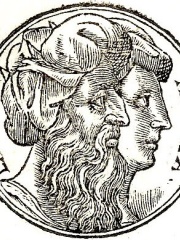
Latinus
HPI: 62.60
Miejsce: 8,621

Moses Finley
1912 - 1986
HPI: 62.60
Miejsce: 8,622

Goukouni Oueddei
1944 - obecnie
HPI: 62.60
Miejsce: 8,623
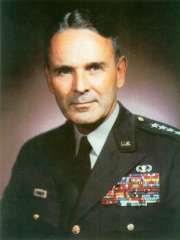
Maxwell D. Taylor
1901 - 1987
HPI: 62.60
Miejsce: 8,624
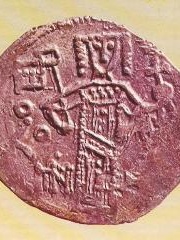
John II of Trebizond
1262 - 1297
HPI: 62.60
Miejsce: 8,625
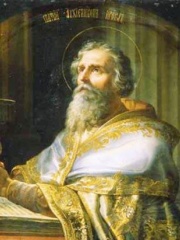
Proclus of Constantinople
310 - 446
HPI: 62.60
Miejsce: 8,626
Salih Muslim
1951 - 2026
HPI: 62.60
Miejsce: 8,627

Christian Metz
1931 - 1993
HPI: 62.60
Miejsce: 8,628
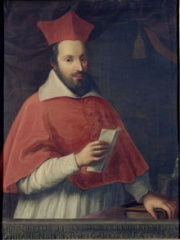
Ippolito II d'Este
1509 - 1572
HPI: 62.60
Miejsce: 8,629
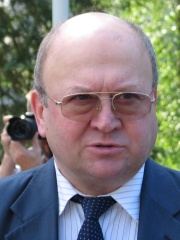
Vladimír Remek
1948 - obecnie
HPI: 62.60
Miejsce: 8,630
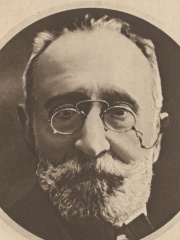
Paolo Boselli
1838 - 1932
HPI: 62.60
Miejsce: 8,631
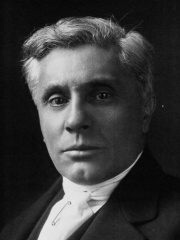
Joseph Paul-Boncour
1873 - 1972
HPI: 62.60
Miejsce: 8,632
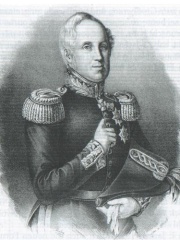
Augustus, Grand Duke of Oldenburg
1783 - 1853
HPI: 62.60
Miejsce: 8,633

Współcześni
Wśród osób urodzonych w 1951 roku Salih Muslim zajmuje 145. miejsce. Przed nim są Karen Allen, Christian Lacroix, Markku Alén, Francesco Moser, Pierre Lemaitre, i K. K. Downing. Po nim są Choei Sato, Bill Viola, Sally Ride, Walter de Silva, Dee Dee Ramone, i Muhammed Faris. Wśród osób zmarłych w 2026 roku Salih Muslim zajmuje 72. miejsce. Przed nim są George Vassiliou, Festus Mogae, Francisco Guterres, Anne Schedeen, Umberto Bossi, i Hércules Brito Ruas. Po nim są Jean-Pierre Faye, Eva Schloss, Aldrich Ames, Lindsey Graham, Leila Shahid, i Neil Sedaka.
Inne osoby urodzone w 1951 roku
Zobacz wszystkie rankingi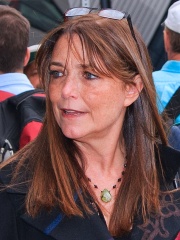
Karen Allen
ACTOR
1951 - obecnie
HPI: 63.08
Miejsce: 139
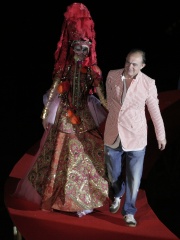
Christian Lacroix
FASHION DESIGNER
1951 - obecnie
HPI: 63.06
Miejsce: 140
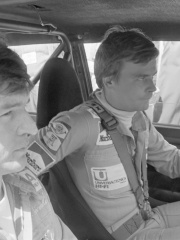
Markku Alén
RACING DRIVER
1951 - obecnie
HPI: 62.91
Miejsce: 141
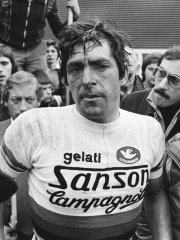
Francesco Moser
CYCLIST
1951 - obecnie
HPI: 62.71
Miejsce: 142
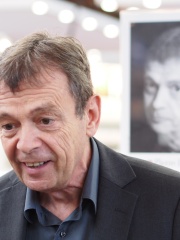
Pierre Lemaitre
WRITER
1951 - obecnie
HPI: 62.69
Miejsce: 143

K. K. Downing
MUSICIAN
1951 - obecnie
HPI: 62.69
Miejsce: 144
Salih Muslim
POLITICIAN
1951 - 2026
HPI: 62.60
Miejsce: 145

Choei Sato
SOCCER PLAYER
1951 - obecnie
HPI: 62.58
Miejsce: 146
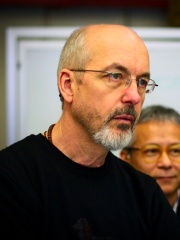
Bill Viola
ARTIST
1951 - 2024
HPI: 62.54
Miejsce: 147
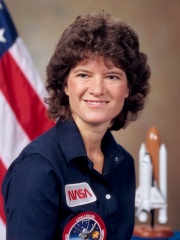
Sally Ride
ASTRONAUT
1951 - 2012
HPI: 62.52
Miejsce: 148
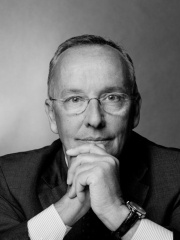
Walter de Silva
POLITICIAN
1951 - obecnie
HPI: 62.49
Miejsce: 149
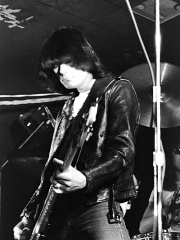
Dee Dee Ramone
MUSICIAN
1951 - 2002
HPI: 62.38
Miejsce: 150
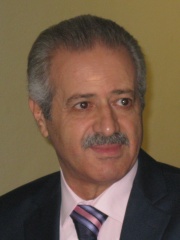
Muhammed Faris
ASTRONAUT
1951 - 2024
HPI: 62.34
Miejsce: 151
Inne osoby zmarłe w 2026 roku
Zobacz wszystkie rankingi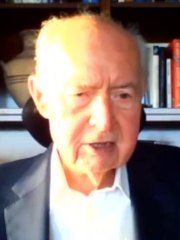
George Vassiliou
POLITICIAN
1931 - 2026
HPI: 62.80
Miejsce: 66
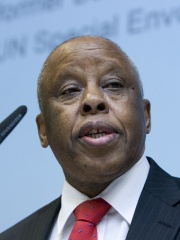
Festus Mogae
POLITICIAN
1939 - 2026
HPI: 62.70
Miejsce: 67
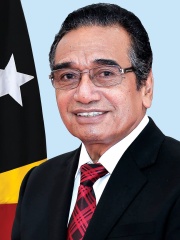
Francisco Guterres
POLITICIAN
1954 - 2026
HPI: 62.66
Miejsce: 68
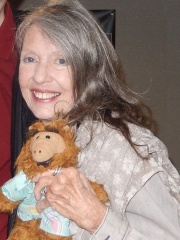
Anne Schedeen
ACTOR
1949 - 2026
HPI: 62.66
Miejsce: 69
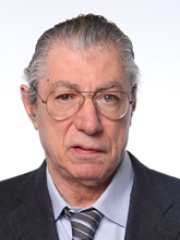
Umberto Bossi
POLITICIAN
1941 - 2026
HPI: 62.66
Miejsce: 70
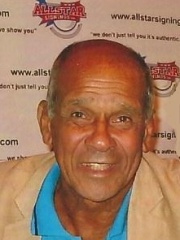
Hércules Brito Ruas
SOCCER PLAYER
1939 - 2026
HPI: 62.60
Miejsce: 71
Salih Muslim
POLITICIAN
1951 - 2026
HPI: 62.60
Miejsce: 72
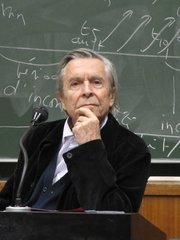
Jean-Pierre Faye
PHILOSOPHER
1925 - 2026
HPI: 62.59
Miejsce: 73
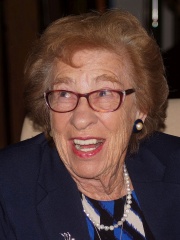
Eva Schloss
WRITER
1929 - 2026
HPI: 62.58
Miejsce: 74
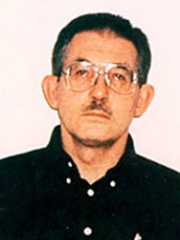
Aldrich Ames
EXTREMIST
1941 - 2026
HPI: 62.47
Miejsce: 75
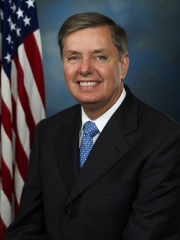
Lindsey Graham
POLITICIAN
1955 - 2026
HPI: 62.43
Miejsce: 76
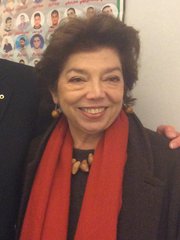
Leila Shahid
DIPLOMAT
1949 - 2026
HPI: 62.35
Miejsce: 77
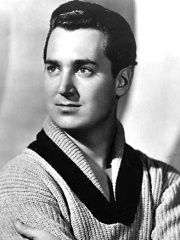
Neil Sedaka
SINGER
1939 - 2026
HPI: 62.23
Miejsce: 78
W kraju Syria
Wśród osób urodzonych w kraju Syria Salih Muslim zajmuje 118. miejsce na 245. Przed nim są Ibn Asakir (1105), John Moschus (550), Gregory III Laham (1933), Numenius of Apamea (200), Tiridates II of Parthia (-100), i Walid Muallem (1941). Po nim są Mithridates I Callinicus (-200), Ignatius Moses I Daoud (1930), Gaius Julius Priscus (250), Muhammed Faris (1951), Michael Ansara (1922), i Sabah Fakhri (1933).
Inne osoby urodzone w kraju Syria
Zobacz wszystkie rankingi
Ibn Asakir
RELIGIOUS FIGURE
1105 - 1176
HPI: 63.08
Miejsce: 112

John Moschus
WRITER
550 - 619
HPI: 63.04
Miejsce: 113
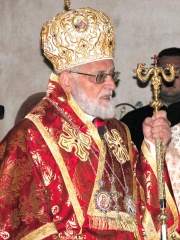
Gregory III Laham
RELIGIOUS FIGURE
1933 - obecnie
HPI: 63.03
Miejsce: 114

Numenius of Apamea
PHILOSOPHER
200 - 200
HPI: 62.99
Miejsce: 115
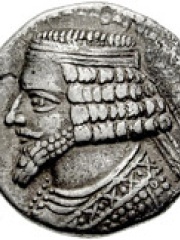
Tiridates II of Parthia
POLITICIAN
100 BC - 100 BC
HPI: 62.98
Miejsce: 116
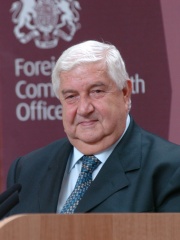
Walid Muallem
POLITICIAN
1941 - 2020
HPI: 62.73
Miejsce: 117
Salih Muslim
POLITICIAN
1951 - 2026
HPI: 62.60
Miejsce: 118
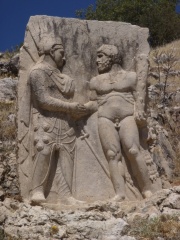
Mithridates I Callinicus
POLITICIAN
200 BC - 70 BC
HPI: 62.48
Miejsce: 119

Ignatius Moses I Daoud
RELIGIOUS FIGURE
1930 - 2012
HPI: 62.37
Miejsce: 120

Gaius Julius Priscus
POLITICIAN
250 - 251
HPI: 62.37
Miejsce: 121
Muhammed Faris
ASTRONAUT
1951 - 2024
HPI: 62.34
Miejsce: 122
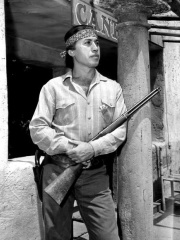
Michael Ansara
ACTOR
1922 - 2013
HPI: 61.94
Miejsce: 123
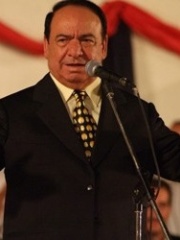
Sabah Fakhri
SINGER
1933 - 2021
HPI: 61.62
Miejsce: 124
Wśród przedstawicieli zawodu Polityk w kraju Syria
Wśród przedstawicieli zawodu „Polityk” urodzonych w kraju Syria Salih Muslim zajmuje 61. miejsce. Przed nim są Muhammad Naji al-Otari (1944), Farouk al-Sharaa (1938), Soraya Tarzi (1899), Dawoud Rajiha (1947), Tiridates II of Parthia (-100), i Walid Muallem (1941). Po nim są Mithridates I Callinicus (-200), Gaius Julius Priscus (250), Sami al-Hinnawi (1898), Ben-Hadad I (-1000), Ali Abdullah Ayyoub (1952), i Muhammad Mustafa Mero (1941).
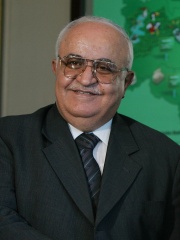
Muhammad Naji al-Otari
1944 - obecnie
HPI: 63.82
Miejsce: 55
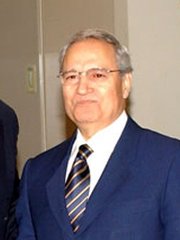
Farouk al-Sharaa
1938 - obecnie
HPI: 63.61
Miejsce: 56
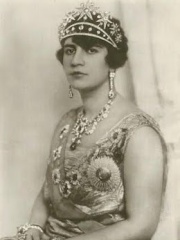
Soraya Tarzi
1899 - 1968
HPI: 63.50
Miejsce: 57
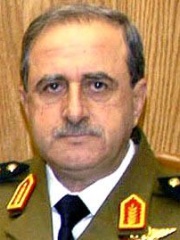
Dawoud Rajiha
1947 - 2012
HPI: 63.33
Miejsce: 58
Tiridates II of Parthia
100 BC - 100 BC
HPI: 62.98
Miejsce: 59
Walid Muallem
1941 - 2020
HPI: 62.73
Miejsce: 60
Salih Muslim
1951 - 2026
HPI: 62.60
Miejsce: 61
Mithridates I Callinicus
200 BC - 70 BC
HPI: 62.48
Miejsce: 62
Gaius Julius Priscus
250 - 251
HPI: 62.37
Miejsce: 63
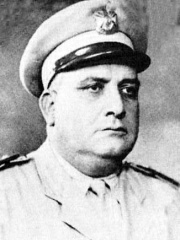
Sami al-Hinnawi
1898 - 1950
HPI: 61.60
Miejsce: 64
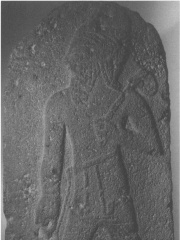
Ben-Hadad I
1000 BC - 900 BC
HPI: 61.50
Miejsce: 65
Ali Abdullah Ayyoub
1952 - obecnie
HPI: 61.42
Miejsce: 66

Muhammad Mustafa Mero
1941 - 2020
HPI: 61.32
Miejsce: 67




