Politico
Barham Salih
1960 - presente
VISUALIZZAZIONI SU IT.WIKIPEDIA (PV)
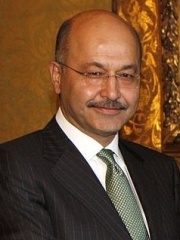

 Barham Salih
La sua biografia è disponibile in 49 lingue su Wikipedia (in aumento rispetto a 48 nel 2024). Barham Salih è il 6272° politico più popolare (in calo dal 5972° nel 2024), la 166ª biografia più popolare dell'Iraq (in aumento dal 169ª nel 2019) e il 110° politico più popolare dell'Iraq.
Metriche di memorabilità
270k
Visualizzazioni
Ultimi 12 mesi
64.99
HPI
Indice di popolarità storica
Dati in evidenza
49
La biografia di Barham Salih copre 49 edizioni linguistiche di Wikipedia e ottiene un Indice di Popolarità Storica di 64.99.
Visualizzazioni della pagina di Barham Salih per lingua
Tra Politico
Tra Politico, Barham Salih occupa la posizione 6,270 su 20,022. Prima di lui ci sono Matilda of Savoy, Queen of Portugal, Alfonso IV d'Este, Duke of Modena, Samak Sundaravej, Ibrahim Bey, Alejandro Toledo, e Lu'ay al-Atassi. Dopo di lui ci sono Mahmud Shah Durrani, John Cicero, Elector of Brandenburg, Yang Kaihui, Theudoald, Louise of France, e William V, Duke of Aquitaine.
Politico più popolari su Wikipedia
Vai a tutte le classifiche
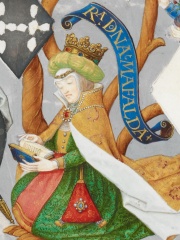
Matilda of Savoy, Queen of Portugal
1125 - 1157
HPI: 64.99
Posizione: 6,266
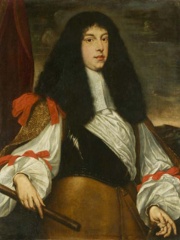
Alfonso IV d'Este, Duke of Modena
1634 - 1662
HPI: 64.99
Posizione: 6,267

Samak Sundaravej
1935 - 2009
HPI: 64.99
Posizione: 6,268
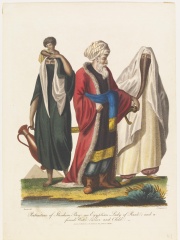
Ibrahim Bey
1735 - 1817
HPI: 64.99
Posizione: 6,269
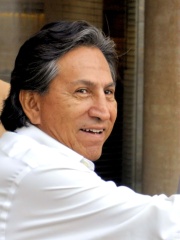
Alejandro Toledo
1946 - presente
HPI: 64.99
Posizione: 6,270
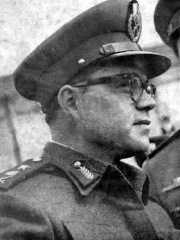
Lu'ay al-Atassi
1926 - 2003
HPI: 64.99
Posizione: 6,271
Barham Salih
1960 - presente
HPI: 64.99
Posizione: 6,272
Mahmud Shah Durrani
1769 - 1829
HPI: 64.99
Posizione: 6,273
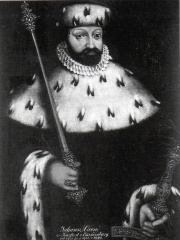
John Cicero, Elector of Brandenburg
1455 - 1499
HPI: 64.99
Posizione: 6,274

Yang Kaihui
1901 - 1930
HPI: 64.99
Posizione: 6,275

Theudoald
708 - 741
HPI: 64.98
Posizione: 6,276
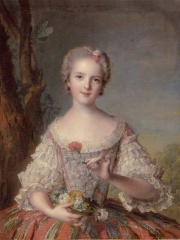
Louise of France
1737 - 1787
HPI: 64.98
Posizione: 6,277

William V, Duke of Aquitaine
969 - 1030
HPI: 64.98
Posizione: 6,278

Contemporanei
Tra le persone nate nel 1960, Barham Salih occupa la posizione 70. Prima di lui ci sono Sarah Brightman, Mohammad Bagheri, James Spader, John Galliano, Gjorge Ivanov, e Željko Obradović. Dopo di lui ci sono Steve Vai, Fayez al-Sarraj, Neil Gaiman, Bushra al-Assad, Kim Wilde, e Naoki Urasawa.
Altre persone nate nel 1960
Vai a tutte le classifiche
Sarah Brightman
SINGER
1960 - presente
HPI: 65.56
Posizione: 64
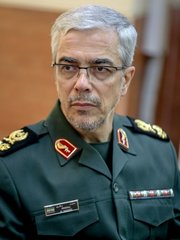
Mohammad Bagheri
MILITARY PERSONNEL
1960 - 2025
HPI: 65.53
Posizione: 65

James Spader
ACTOR
1960 - presente
HPI: 65.44
Posizione: 66
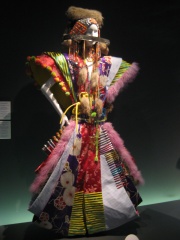
John Galliano
FASHION DESIGNER
1960 - presente
HPI: 65.35
Posizione: 67
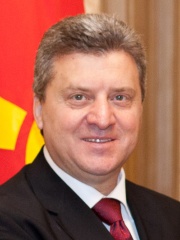
Gjorge Ivanov
POLITICIAN
1960 - presente
HPI: 65.26
Posizione: 68

Željko Obradović
COACH
1960 - presente
HPI: 64.99
Posizione: 69
Barham Salih
POLITICIAN
1960 - presente
HPI: 64.99
Posizione: 70

Steve Vai
MUSICIAN
1960 - presente
HPI: 64.92
Posizione: 71
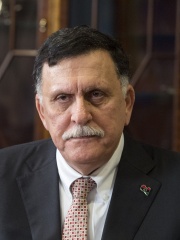
Fayez al-Sarraj
POLITICIAN
1960 - presente
HPI: 64.89
Posizione: 72

Neil Gaiman
WRITER
1960 - presente
HPI: 64.87
Posizione: 73
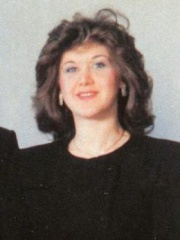
Bushra al-Assad
POLITICIAN
1960 - presente
HPI: 64.77
Posizione: 74
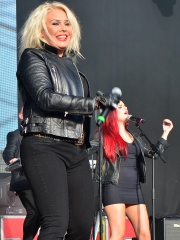
Kim Wilde
SINGER
1960 - presente
HPI: 64.72
Posizione: 75

Naoki Urasawa
COMIC ARTIST
1960 - presente
HPI: 64.64
Posizione: 76
In Iraq
Tra le persone nate in Iraq, Barham Salih occupa la posizione 166 su 414. Prima di lui ci sono Ishbi-Erra (-2100), Vonones II (-25), Artabanus I of Parthia (-200), Enmebaragesi (-2650), Al-Mustakfi (905), e En-anna-tum I (-2500). Dopo di lui ci sono Al-Khalil ibn Ahmad al-Farahidi (718), Dinkha IV (1935), Adil Abdul-Mahdi (1942), Muhammad Najib ar-Ruba'i (1904), Eannatum (-2500), e Mahmud Barzanji (1878).
Altre persone nate in Iraq
Vai a tutte le classifiche
Ishbi-Erra
POLITICIAN
2100 a.C. - 2060 a.C.
HPI: 65.13
Posizione: 160
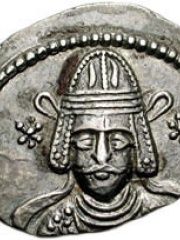
Vonones II
POLITICIAN
25 a.C. - 51
HPI: 65.11
Posizione: 161
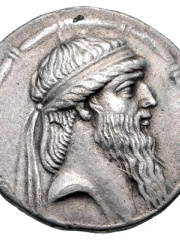
Artabanus I of Parthia
POLITICIAN
200 a.C. - 124 a.C.
HPI: 65.06
Posizione: 162
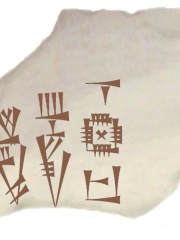
Enmebaragesi
POLITICIAN
2650 a.C. - 2680 a.C.
HPI: 65.05
Posizione: 163
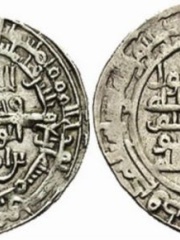
Al-Mustakfi
POLITICIAN
905 - 949
HPI: 65.03
Posizione: 164
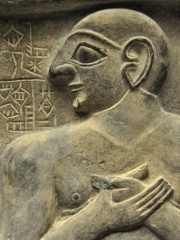
En-anna-tum I
POLITICIAN
2500 a.C. - 2500 a.C.
HPI: 65.03
Posizione: 165
Barham Salih
POLITICIAN
1960 - presente
HPI: 64.99
Posizione: 166

Al-Khalil ibn Ahmad al-Farahidi
WRITER
718 - 790
HPI: 64.98
Posizione: 167
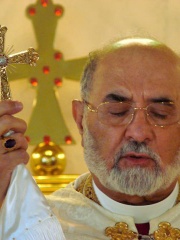
Dinkha IV
RELIGIOUS FIGURE
1935 - 2015
HPI: 64.98
Posizione: 168
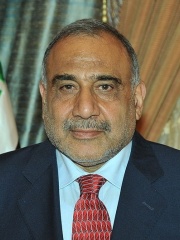
Adil Abdul-Mahdi
POLITICIAN
1942 - presente
HPI: 64.96
Posizione: 169
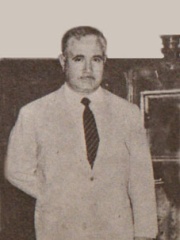
Muhammad Najib ar-Ruba'i
POLITICIAN
1904 - 1965
HPI: 64.82
Posizione: 170
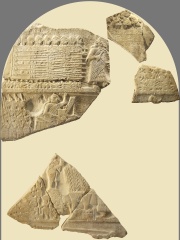
Eannatum
POLITICIAN
2500 a.C. - 2425 a.C.
HPI: 64.80
Posizione: 171
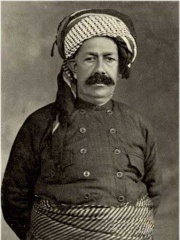
Mahmud Barzanji
POLITICIAN
1878 - 1956
HPI: 64.75
Posizione: 172
Tra Politico in Iraq
Tra Politico nati in Iraq, Barham Salih occupa la posizione 110. Prima di lui ci sono Ishbi-Erra (-2100), Vonones II (-25), Artabanus I of Parthia (-200), Enmebaragesi (-2650), Al-Mustakfi (905), e En-anna-tum I (-2500). Dopo di lui ci sono Adil Abdul-Mahdi (1942), Muhammad Najib ar-Ruba'i (1904), Eannatum (-2500), Mahmud Barzanji (1878), Ibn Muqla (886), e Barzan Ibrahim al-Tikriti (1951).
Ishbi-Erra
2100 a.C. - 2060 a.C.
HPI: 65.13
Posizione: 104
Vonones II
25 a.C. - 51
HPI: 65.11
Posizione: 105
Artabanus I of Parthia
200 a.C. - 124 a.C.
HPI: 65.06
Posizione: 106
Enmebaragesi
2650 a.C. - 2680 a.C.
HPI: 65.05
Posizione: 107
Al-Mustakfi
905 - 949
HPI: 65.03
Posizione: 108
En-anna-tum I
2500 a.C. - 2500 a.C.
HPI: 65.03
Posizione: 109
Barham Salih
1960 - presente
HPI: 64.99
Posizione: 110
Adil Abdul-Mahdi
1942 - presente
HPI: 64.96
Posizione: 111
Muhammad Najib ar-Ruba'i
1904 - 1965
HPI: 64.82
Posizione: 112
Eannatum
2500 a.C. - 2425 a.C.
HPI: 64.80
Posizione: 113
Mahmud Barzanji
1878 - 1956
HPI: 64.75
Posizione: 114
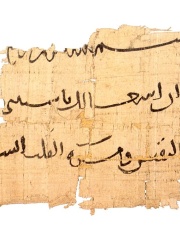
Ibn Muqla
886 - 940
HPI: 64.56
Posizione: 115
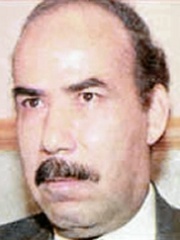
Barzan Ibrahim al-Tikriti
1951 - 2007
HPI: 64.53
Posizione: 116




