Polityk
Ali al-Sistani
1930 - obecnie
PL.WIKIPEDIA PAGE VIEWS (PV)
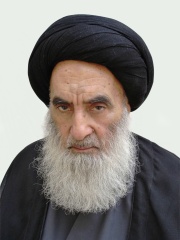
 Ali al-Sistani
Jego biografia jest dostępna w 36 różnych językach w Wikipedii (wzrost z 35 w 2024 roku). Ali al-Sistani jest 2768. najpopularniejszym polityk (spadek z 2034. w 2024 roku), 95. najpopularniejszą biografią Iran (spadek z 85. w 2019 roku) oraz 51. najpopularniejszym polityk Iran.
Memorability Metrics
850k
Page Views
Past 12 months
70.22
HPI
Historical Popularity Index
Page views of Ali al-Sistani by language
Among Polityks
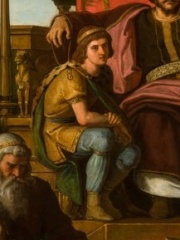
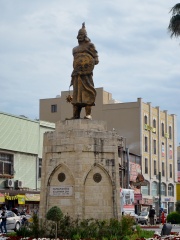
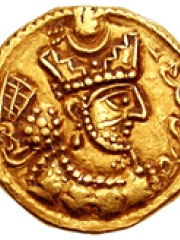
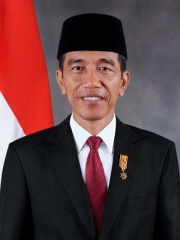
Among polityks, Ali al-Sistani ranks 2,767 out of 19,576. Before him are Robert Dudley, 1st Earl of Leicester, Crispus, Jomo Kenyatta, Houari Boumédiène, Louis I, Duke of Bourbon, and Erich Koch. After him are Archduchess Maria Anna of Austria, Ellac, Sweyn III of Denmark, Suleiman ibn Qutulmish, Bahram V, and Joko Widodo.
Most Popular Polityks in Wikipedia
Go to all Rankings
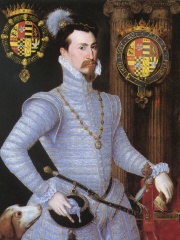
Robert Dudley, 1st Earl of Leicester
1532 - 1588
HPI: 70.24
Rank: 2,762
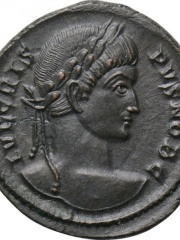
Crispus
305 - 326
HPI: 70.23
Rank: 2,763
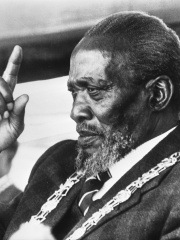
Jomo Kenyatta
1893 - 1978
HPI: 70.23
Rank: 2,764
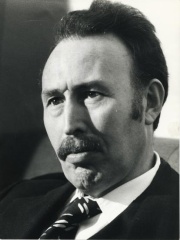
Houari Boumédiène
1932 - 1978
HPI: 70.23
Rank: 2,765
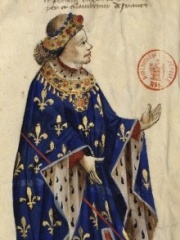
Louis I, Duke of Bourbon
1279 - 1341
HPI: 70.23
Rank: 2,766
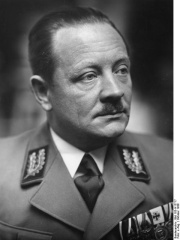
Erich Koch
1896 - 1986
HPI: 70.23
Rank: 2,767
Ali al-Sistani
1930 - Present
HPI: 70.22
Rank: 2,768
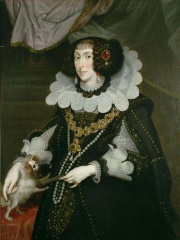
Archduchess Maria Anna of Austria
1610 - 1665
HPI: 70.22
Rank: 2,769
Ellac
425 - 454
HPI: 70.22
Rank: 2,770

Sweyn III of Denmark
1125 - 1157
HPI: 70.22
Rank: 2,771
Suleiman ibn Qutulmish
1100 - 1086
HPI: 70.21
Rank: 2,772
Bahram V
406 - 438
HPI: 70.21
Rank: 2,773
Joko Widodo
1961 - Present
HPI: 70.21
Rank: 2,774

Contemporaries
Among people born in 1930, Ali al-Sistani ranks 61. Before him are Tippi Hedren, Armin Mueller-Stahl, Lorin Maazel, Félix Guattari, Theodore Edgar McCarrick, and Robert Evans. After him are Edsger W. Dijkstra, Carlos Kleiber, Reinhard Selten, Gena Rowlands, Jesús Franco, and Derek Walcott.
Others Born in 1930
Go to all Rankings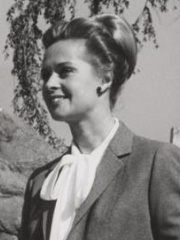
Tippi Hedren
ACTOR
1930 - Present
HPI: 70.66
Rank: 55
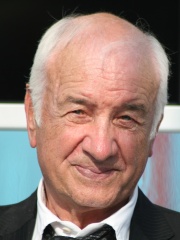
Armin Mueller-Stahl
ACTOR
1930 - Present
HPI: 70.51
Rank: 56
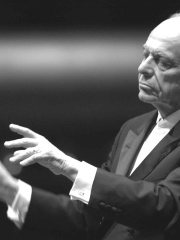
Lorin Maazel
CONDUCTOR
1930 - 2014
HPI: 70.44
Rank: 57
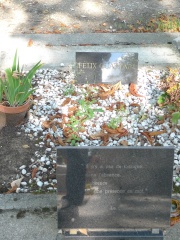
Félix Guattari
PHILOSOPHER
1930 - 1992
HPI: 70.44
Rank: 58

Theodore Edgar McCarrick
RELIGIOUS FIGURE
1930 - 2025
HPI: 70.39
Rank: 59

Robert Evans
PRODUCER
1930 - 2019
HPI: 70.26
Rank: 60
Ali al-Sistani
POLITICIAN
1930 - Present
HPI: 70.22
Rank: 61

Edsger W. Dijkstra
COMPUTER SCIENTIST
1930 - 2002
HPI: 70.14
Rank: 62
Carlos Kleiber
MUSICIAN
1930 - 2004
HPI: 69.96
Rank: 63

Reinhard Selten
ECONOMIST
1930 - 2016
HPI: 69.92
Rank: 64
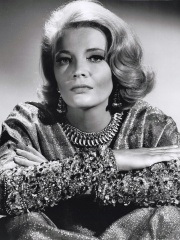
Gena Rowlands
ACTOR
1930 - 2024
HPI: 69.50
Rank: 65

Jesús Franco
FILM DIRECTOR
1930 - 2013
HPI: 69.46
Rank: 66
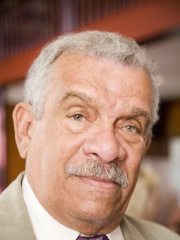
Derek Walcott
WRITER
1930 - 2017
HPI: 69.28
Rank: 67
In Iran
Among people born in Iran, Ali al-Sistani ranks 95 out of NaN. Before him are Abu Sa'id Bahadur Khan (1305), Barkiyaruq (1081), Mithridates I of Parthia (-195), Yazdegerd I (400), Gaykhatu (1300), and Mazdak (450). After him are Bahram V (406), Naser al-Din Shah Qajar (1831), Mordecai (null), Ahmad Shah Qajar (1898), Agha Mohammad Khan Qajar (1742), and Fath-Ali Shah Qajar (1772).
Others born in Iran
Go to all Rankings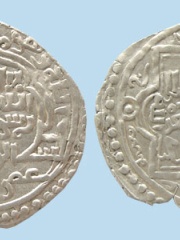
Abu Sa'id Bahadur Khan
POLITICIAN
1305 - 1335
HPI: 70.59
Rank: 89
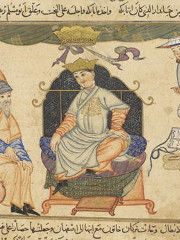
Barkiyaruq
POLITICIAN
1081 - 1104
HPI: 70.56
Rank: 90
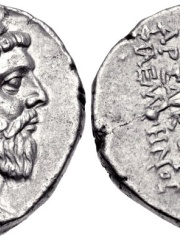
Mithridates I of Parthia
POLITICIAN
195 BC - 132 BC
HPI: 70.43
Rank: 91
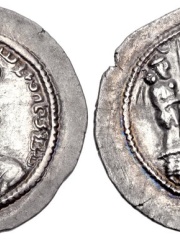
Yazdegerd I
POLITICIAN
400 - 421
HPI: 70.40
Rank: 92
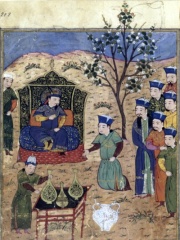
Gaykhatu
POLITICIAN
1300 - 1295
HPI: 70.32
Rank: 93
Mazdak
PHILOSOPHER
450 - 529
HPI: 70.30
Rank: 94
Ali al-Sistani
POLITICIAN
1930 - Present
HPI: 70.22
Rank: 95
Bahram V
POLITICIAN
406 - 438
HPI: 70.21
Rank: 96
Naser al-Din Shah Qajar
POLITICIAN
1831 - 1896
HPI: 70.18
Rank: 97

Mordecai
RELIGIOUS FIGURE
HPI: 70.14
Rank: 98
Ahmad Shah Qajar
POLITICIAN
1898 - 1930
HPI: 69.82
Rank: 99
Agha Mohammad Khan Qajar
POLITICIAN
1742 - 1797
HPI: 69.77
Rank: 100
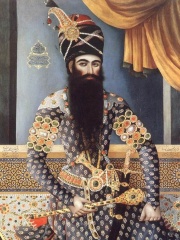
Fath-Ali Shah Qajar
POLITICIAN
1772 - 1834
HPI: 69.62
Rank: 101
Among Polityks In Iran
Among polityks born in Iran, Ali al-Sistani ranks 51. Before him are Abbas II of Persia (1633), Abu Sa'id Bahadur Khan (1305), Barkiyaruq (1081), Mithridates I of Parthia (-195), Yazdegerd I (400), and Gaykhatu (1300). After him are Bahram V (406), Naser al-Din Shah Qajar (1831), Ahmad Shah Qajar (1898), Agha Mohammad Khan Qajar (1742), Fath-Ali Shah Qajar (1772), and Artavasdes II of Armenia (-100).
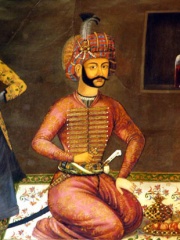
Abbas II of Persia
1633 - 1666
HPI: 70.72
Rank: 45
Abu Sa'id Bahadur Khan
1305 - 1335
HPI: 70.59
Rank: 46
Barkiyaruq
1081 - 1104
HPI: 70.56
Rank: 47
Mithridates I of Parthia
195 BC - 132 BC
HPI: 70.43
Rank: 48
Yazdegerd I
400 - 421
HPI: 70.40
Rank: 49
Gaykhatu
1300 - 1295
HPI: 70.32
Rank: 50
Ali al-Sistani
1930 - Present
HPI: 70.22
Rank: 51
Bahram V
406 - 438
HPI: 70.21
Rank: 52
Naser al-Din Shah Qajar
1831 - 1896
HPI: 70.18
Rank: 53
Ahmad Shah Qajar
1898 - 1930
HPI: 69.82
Rank: 54
Agha Mohammad Khan Qajar
1742 - 1797
HPI: 69.77
Rank: 55
Fath-Ali Shah Qajar
1772 - 1834
HPI: 69.62
Rank: 56
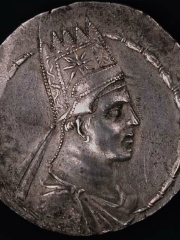
Artavasdes II of Armenia
100 BC - 31 BC
HPI: 69.54
Rank: 57




