Religieuze figuur
Youssef Absi
1946 - heden
NL.WIKIPEDIA-PAGINAWEERGAVEN (PV)
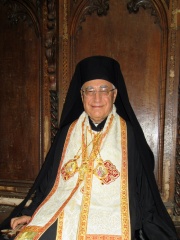
 Youssef Absi
Zijn biografie is beschikbaar in 21 verschillende talen op Wikipedia. Youssef Absi staat op plaats 1.121 onder de meest populaire religieuze figuur (gestegen van plaats 2.728 in 2024), plaats 82 onder de meest populaire biografieën uit Syrië (gestegen van plaats 168 in 2019) en op plaats 11 onder de populairste religieuze figuur uit Syrië.
Bekendheidsstatistieken
41k
Paginaweergaven
Afgelopen 12 maanden
65.92
HPI
Historische populariteitsindex
Paginaweergaven van Youssef Absi per taal
Onder Religieuze figuur
Onder Religieuze figuur staat Youssef Absi op plaats 1,121 van 3,187. Vóór hem staan Óscar Rodríguez Maradiaga, Beniamino Stella, Pope Dioscorus I of Alexandria, La Voisin, Henry of Latvia, en Ikkyū. Na hem komen Gianna Beretta Molla, José Saraiva Martins, Antipope Gregory VI, Elon, Günter Guillaume, en Nicholas Mystikos.
Populairste Religieuze figuur op Wikipedia
Naar alle ranglijsten
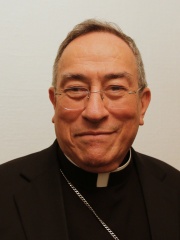
Óscar Rodríguez Maradiaga
1942 - heden
HPI: 65.94
Plaats: 1,115
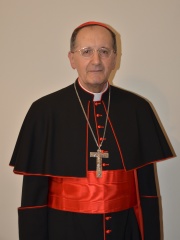
Beniamino Stella
1941 - heden
HPI: 65.93
Plaats: 1,116
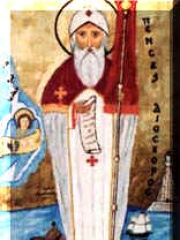
Pope Dioscorus I of Alexandria
444 - 454
HPI: 65.93
Plaats: 1,117
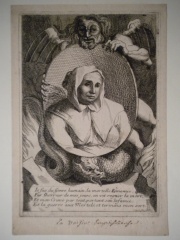
La Voisin
1640 - 1680
HPI: 65.93
Plaats: 1,118
Henry of Latvia
1187 - 1259
HPI: 65.93
Plaats: 1,119

Ikkyū
1394 - 1481
HPI: 65.93
Plaats: 1,120
Youssef Absi
1946 - heden
HPI: 65.92
Plaats: 1,121

Gianna Beretta Molla
1922 - 1962
HPI: 65.91
Plaats: 1,122
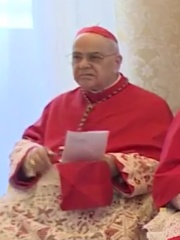
José Saraiva Martins
1932 - heden
HPI: 65.91
Plaats: 1,123

Antipope Gregory VI
1000 - 1018
HPI: 65.89
Plaats: 1,124
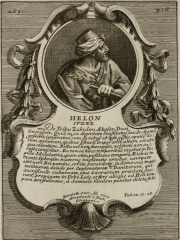
Elon
HPI: 65.89
Plaats: 1,125
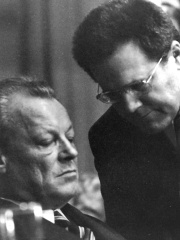
Günter Guillaume
1927 - 1995
HPI: 65.89
Plaats: 1,126
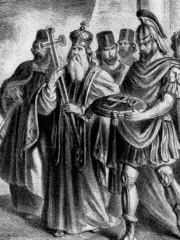
Nicholas Mystikos
852 - 925
HPI: 65.89
Plaats: 1,127

Tijdgenoten
Onder de mensen geboren in 1946 staat Youssef Absi op plaats 143. Vóór hem staan Alan Jones, Tim Johnson, Mohamed Abdelaziz, Pete Postlethwaite, François Bozizé, en Vuk Drašković. Na hem komen Ajda Pekkan, Deepak Chopra, Laurent Fabius, Sawao Kato, Wim Jansen, en Robert J. Shiller.
Anderen geboren in 1946
Naar alle ranglijsten
Alan Jones
RACING DRIVER
1946 - heden
HPI: 66.27
Plaats: 137
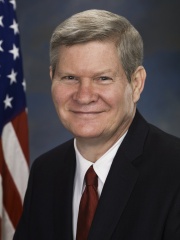
Tim Johnson
POLITICIAN
1946 - 2024
HPI: 66.25
Plaats: 138
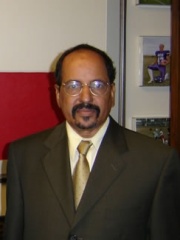
Mohamed Abdelaziz
POLITICIAN
1946 - 2016
HPI: 66.22
Plaats: 139
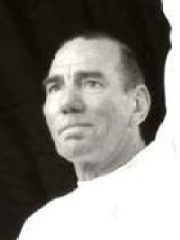
Pete Postlethwaite
ACTOR
1946 - 2011
HPI: 66.03
Plaats: 140
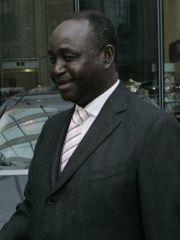
François Bozizé
POLITICIAN
1946 - heden
HPI: 66.00
Plaats: 141
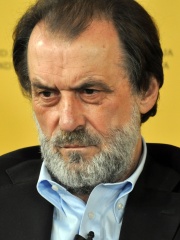
Vuk Drašković
POLITICIAN
1946 - heden
HPI: 65.97
Plaats: 142
Youssef Absi
RELIGIOUS FIGURE
1946 - heden
HPI: 65.92
Plaats: 143

Ajda Pekkan
SINGER
1946 - heden
HPI: 65.91
Plaats: 144
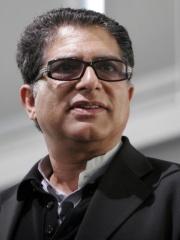
Deepak Chopra
WRITER
1946 - heden
HPI: 65.85
Plaats: 145
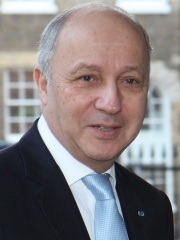
Laurent Fabius
POLITICIAN
1946 - heden
HPI: 65.79
Plaats: 146

Sawao Kato
GYMNAST
1946 - heden
HPI: 65.77
Plaats: 147
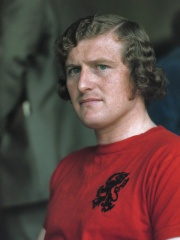
Wim Jansen
SOCCER PLAYER
1946 - 2022
HPI: 65.77
Plaats: 148
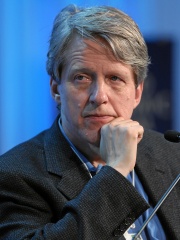
Robert J. Shiller
ECONOMIST
1946 - heden
HPI: 65.73
Plaats: 149
In Syrië
Onder de mensen geboren in Syrië staat Youssef Absi op plaats 82 van NaN. Vóór hem staan Adib Shishakli (1909), Ibn al-Shatir (1304), Abu Tammam (788), Tuman bay II (1474), Hazael (-900), en Cassius Longinus (213). Na hem komen Assef Shawkat (1950), Dündar Ali Osman (1930), Hashim al-Atassi (1875), Nazim al-Qudsi (1906), Taqi ad-Din Muhammad ibn Ma'ruf (1526), en Zaki al-Arsuzi (1899).
Anderen geboren in Syrië
Naar alle ranglijsten
Adib Shishakli
POLITICIAN
1909 - 1964
HPI: 66.38
Plaats: 76

Ibn al-Shatir
MATHEMATICIAN
1304 - 1375
HPI: 66.33
Plaats: 77
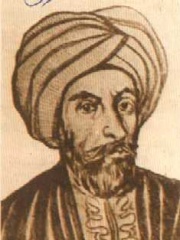
Abu Tammam
WRITER
788 - 846
HPI: 66.21
Plaats: 78
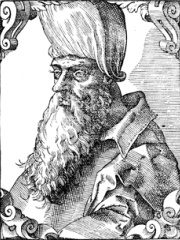
Tuman bay II
POLITICIAN
1474 - 1517
HPI: 66.05
Plaats: 79
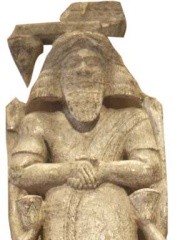
Hazael
POLITICIAN
900 BC - 900 BC
HPI: 65.97
Plaats: 80

Cassius Longinus
WRITER
213 - 273
HPI: 65.96
Plaats: 81
Youssef Absi
RELIGIOUS FIGURE
1946 - heden
HPI: 65.92
Plaats: 82

Assef Shawkat
POLITICIAN
1950 - 2012
HPI: 65.83
Plaats: 83

Dündar Ali Osman
NOBLEMAN
1930 - 2021
HPI: 65.36
Plaats: 84
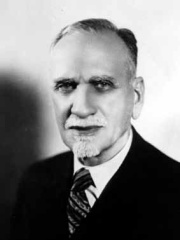
Hashim al-Atassi
POLITICIAN
1875 - 1960
HPI: 65.36
Plaats: 85
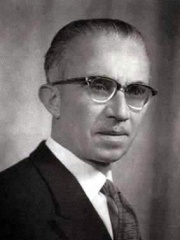
Nazim al-Qudsi
POLITICIAN
1906 - 1998
HPI: 65.30
Plaats: 86
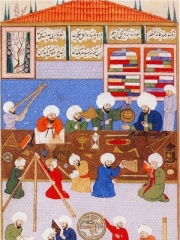
Taqi ad-Din Muhammad ibn Ma'ruf
ASTRONOMER
1526 - 1580
HPI: 65.26
Plaats: 87
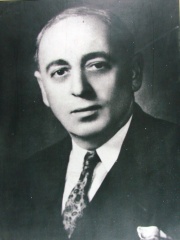
Zaki al-Arsuzi
PHILOSOPHER
1899 - 1968
HPI: 65.18
Plaats: 88
Onder Religieuze figuur in Syrië
Onder Religieuze figuur geboren in Syrië staat Youssef Absi op plaats 11. Vóór hem staan Romanos the Melodist (490), Émile Benveniste (1902), Ananias of Damascus (100), Maron (301), Apollinaris of Laodicea (310), en Sophronius of Jerusalem (560). Na hem komen Gregory Peter XX Ghabroyan (1934), Ignatius IV of Antioch (1920), John X of Antioch (1955), Eulogius of Alexandria (501), Ibn Asakir (1105), en Gregory III Laham (1933).
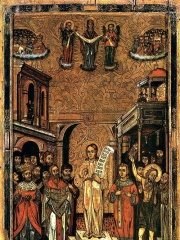
Romanos the Melodist
490 - 556
HPI: 69.91
Plaats: 5

Émile Benveniste
1902 - 1976
HPI: 69.73
Plaats: 6

Ananias of Damascus
100 - 100
HPI: 69.72
Plaats: 7
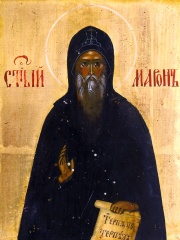
Maron
301 - 410
HPI: 68.60
Plaats: 8

Apollinaris of Laodicea
310 - 390
HPI: 67.99
Plaats: 9
Sophronius of Jerusalem
560 - 638
HPI: 66.98
Plaats: 10
Youssef Absi
1946 - heden
HPI: 65.92
Plaats: 11

Gregory Peter XX Ghabroyan
1934 - 2021
HPI: 64.25
Plaats: 12
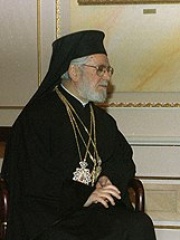
Ignatius IV of Antioch
1920 - 2012
HPI: 64.07
Plaats: 13
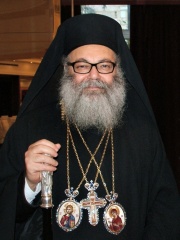
John X of Antioch
1955 - heden
HPI: 63.92
Plaats: 14
Eulogius of Alexandria
501 - 608
HPI: 63.89
Plaats: 15

Ibn Asakir
1105 - 1176
HPI: 63.08
Plaats: 16
Gregory III Laham
1933 - heden
HPI: 63.03
Plaats: 17




