Astronoom
Ulug Bey
1394 - 1449
NL.WIKIPEDIA-PAGINAWEERGAVEN (PV)
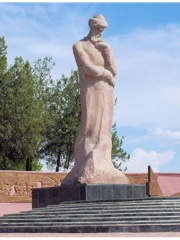
 Ulug Bey
Zijn biografie is beschikbaar in 73 verschillende talen op Wikipedia (toegenomen van 72 in 2024). Ulug Bey staat op plaats 13 onder de meest populaire astronoom (gedaald van plaats 9 in 2024), plaats 18 onder de meest populaire biografieën uit Iran en op de eerste plaats onder de populairste astronoom uit Iran.
Bekendheidsstatistieken
430k
Paginaweergaven
Afgelopen 12 maanden
79.20
HPI
Historische populariteitsindex
Paginaweergaven van Ulug Bey per taal
Onder Astronoom
Onder Astronoom staat Ulug Bey op plaats 13 van 644. Vóór hem staan Tycho Brahe, Anders Celsius, Heinrich Wilhelm Matthias Olbers, William Herschel, Aristarchus of Samos, en Hipparchus. Na hem komen Ja'far al-Sadiq, Edwin Hubble, Giovanni Domenico Cassini, Nicolas-Louis de Lacaille, Ole Rømer, en Joseph Hooton Taylor Jr..
Populairste Astronoom op Wikipedia
Naar alle ranglijsten
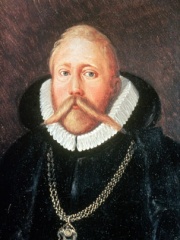
Tycho Brahe
1546 - 1601
HPI: 83.46
Plaats: 7
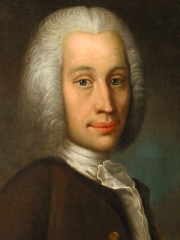
Anders Celsius
1701 - 1744
HPI: 83.19
Plaats: 8
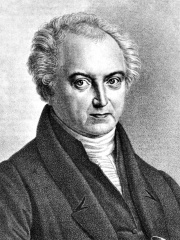
Heinrich Wilhelm Matthias Olbers
1758 - 1840
HPI: 80.29
Plaats: 9
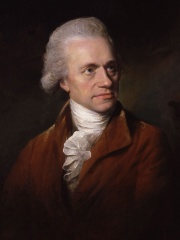
William Herschel
1738 - 1822
HPI: 80.07
Plaats: 10
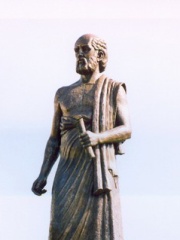
Aristarchus of Samos
311 BC - 230 BC
HPI: 79.89
Plaats: 11
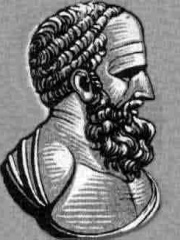
Hipparchus
190 BC - 120 BC
HPI: 79.75
Plaats: 12
Ulugh Beg
1394 - 1449
HPI: 79.20
Plaats: 13

Ja'far al-Sadiq
702 - 765
HPI: 79.09
Plaats: 14
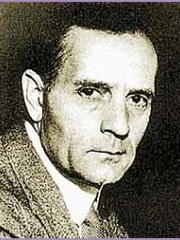
Edwin Hubble
1889 - 1953
HPI: 78.45
Plaats: 15
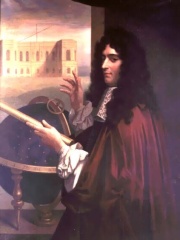
Giovanni Domenico Cassini
1625 - 1712
HPI: 78.44
Plaats: 16
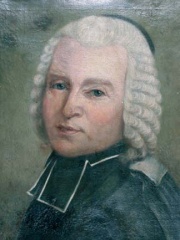
Nicolas-Louis de Lacaille
1713 - 1762
HPI: 78.29
Plaats: 17
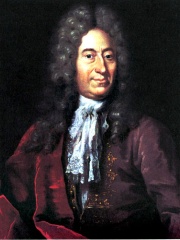
Ole Rømer
1644 - 1710
HPI: 77.72
Plaats: 18

Joseph Hooton Taylor Jr.
1941 - heden
HPI: 77.51
Plaats: 19

Tijdgenoten
Onder de mensen geboren in 1394 staat Ulug Bey op plaats 3. Vóór hem staan Johannes Gutenberg, en Prince Henry the Navigator. Na hem komen Charles, Duke of Orléans, James I of Scotland, Cymburgis of Masovia, Sidi Boushaki, Philippa of England, Ikkyū, Basil Valentine, Ashikaga Yoshinori, en Grand Prince Yangnyŏng. Onder de mensen overleden in 1449 staat Ulug Bey op plaats 1. Na hem komen Ibn Hajar al-‘Asqalani, Hüma Hatun, Peter, Duke of Coimbra, Emine Hatun, Louis IV, Elector Palatine, en Konrad von Erlichshausen.
Anderen geboren in 1394
Naar alle ranglijsten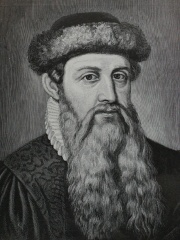
Johannes Gutenberg
INVENTOR
1394 - 1468
HPI: 90.58
Plaats: 1
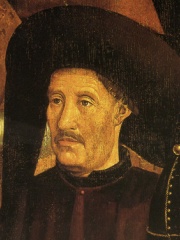
Prince Henry the Navigator
EXPLORER
1394 - 1460
HPI: 84.33
Plaats: 2
Ulugh Beg
ASTRONOMER
1394 - 1449
HPI: 79.20
Plaats: 3
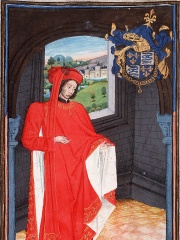
Charles, Duke of Orléans
WRITER
1394 - 1465
HPI: 73.21
Plaats: 4
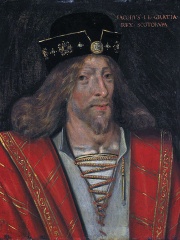
James I of Scotland
POLITICIAN
1394 - 1437
HPI: 71.94
Plaats: 5
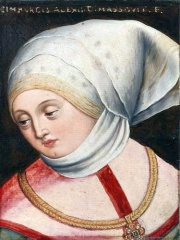
Cymburgis of Masovia
NOBLEMAN
1394 - 1429
HPI: 69.01
Plaats: 6

Sidi Boushaki
RELIGIOUS FIGURE
1394 - 1453
HPI: 67.32
Plaats: 7

Philippa of England
POLITICIAN
1394 - 1430
HPI: 66.62
Plaats: 8

Ikkyū
RELIGIOUS FIGURE
1394 - 1481
HPI: 65.93
Plaats: 9

Basil Valentine
WRITER
1394 - 1450
HPI: 63.32
Plaats: 10

Ashikaga Yoshinori
POLITICIAN
1394 - 1441
HPI: 61.77
Plaats: 11

Grand Prince Yangnyŏng
NOBLEMAN
1394 - 1462
HPI: 60.77
Plaats: 12
Anderen overleden in 1449
Naar alle ranglijstenUlugh Beg
ASTRONOMER
1394 - 1449
HPI: 79.20
Plaats: 1

Ibn Hajar al-‘Asqalani
HISTORIAN
1372 - 1449
HPI: 70.98
Plaats: 2
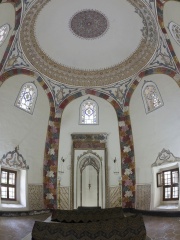
Hüma Hatun
POLITICIAN
1400 - 1449
HPI: 68.17
Plaats: 3
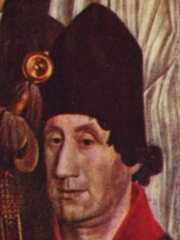
Peter, Duke of Coimbra
POLITICIAN
1392 - 1449
HPI: 65.84
Plaats: 4

Emine Hatun
POLITICIAN
1398 - 1449
HPI: 65.30
Plaats: 5

Louis IV, Elector Palatine
POLITICIAN
1424 - 1449
HPI: 63.14
Plaats: 6
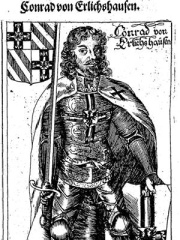
Konrad von Erlichshausen
POLITICIAN
1390 - 1449
HPI: 59.01
Plaats: 7
In Iran
Onder de mensen geboren in Iran staat Ulug Bey op plaats 18 van NaN. Vóór hem staan Ali Khamenei (1939), Bahá'u'lláh (1817), Esther (-600), Hafez (1325), Ismail I (1487), en Abdul Qadir Gilani (1078). Na hem komen Muhammad ibn Zakariya al-Razi (865), Hasan-i Sabbah (1050), Cambyses II (-550), Al-Tabari (839), Bodhidharma (483), en Malik-Shah I (1055).
Anderen geboren in Iran
Naar alle ranglijsten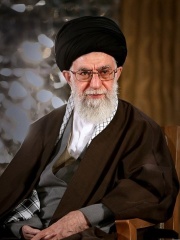
Ali Khamenei
POLITICIAN
1939 - 2026
HPI: 81.36
Plaats: 12
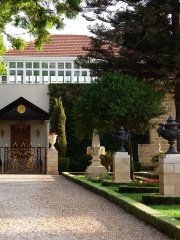
Bahá'u'lláh
RELIGIOUS FIGURE
1817 - 1892
HPI: 81.34
Plaats: 13
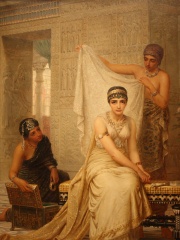
Esther
RELIGIOUS FIGURE
600 BC - 500 BC
HPI: 81.25
Plaats: 14

Hafez
WRITER
1325 - 1389
HPI: 80.96
Plaats: 15
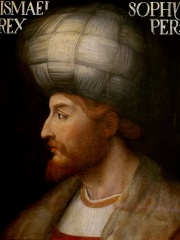
Ismail I
WRITER
1487 - 1524
HPI: 80.93
Plaats: 16

Abdul Qadir Gilani
RELIGIOUS FIGURE
1078 - 1166
HPI: 79.64
Plaats: 17
Ulugh Beg
ASTRONOMER
1394 - 1449
HPI: 79.20
Plaats: 18
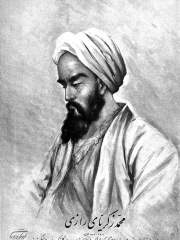
Muhammad ibn Zakariya al-Razi
PHYSICIAN
865 - 925
HPI: 79.17
Plaats: 19
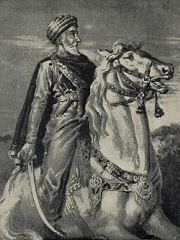
Hasan-i Sabbah
RELIGIOUS FIGURE
1050 - 1124
HPI: 79.08
Plaats: 20
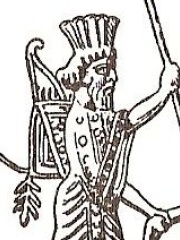
Cambyses II
POLITICIAN
550 BC - 522 BC
HPI: 78.72
Plaats: 21

Al-Tabari
PHILOSOPHER
839 - 923
HPI: 78.71
Plaats: 22

Bodhidharma
PHILOSOPHER
483 - 540
HPI: 78.17
Plaats: 23
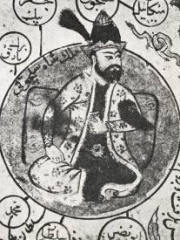
Malik-Shah I
POLITICIAN
1055 - 1092
HPI: 78.06
Plaats: 24
Onder Astronoom in Iran
Onder Astronoom geboren in Iran staat Ulug Bey op plaats 1. Na hem komen Abd al-Rahman al-Sufi (903), Jamshīd al-Kāshī (1380), Abu Hanifa Dinawari (815), en Alenush Terian (1921).
Ulugh Beg
1394 - 1449
HPI: 79.20
Plaats: 1
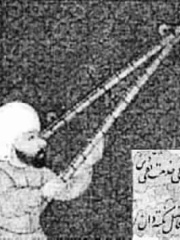
Abd al-Rahman al-Sufi
903 - 986
HPI: 75.12
Plaats: 2
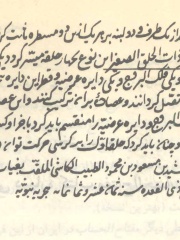
Jamshīd al-Kāshī
1380 - 1429
HPI: 71.12
Plaats: 3

Abu Hanifa Dinawari
815 - 896
HPI: 68.56
Plaats: 4
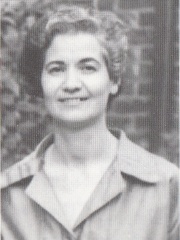
Alenush Terian
1921 - 2011
HPI: 58.49
Plaats: 5




