Politicus
Ruzi Ying
5 - 25
NL.WIKIPEDIA-PAGINAWEERGAVEN (PV)

 Ruzi Ying
Zijn biografie is beschikbaar in 26 verschillende talen op Wikipedia. Ruzi Ying staat op plaats 5.093 onder de meest populaire politicus (gedaald van plaats 3.561 in 2024), plaats 342 onder de meest populaire biografieën uit China (gedaald van plaats 274 in 2019) en op plaats 207 onder de populairste politicus uit China.
Bekendheidsstatistieken
38k
Paginaweergaven
Afgelopen 12 maanden
66.44
HPI
Historische populariteitsindex
Data-inzichten
26
De biografie van Ruzi Ying beslaat 26 taalversies van Wikipedia en behaalt een Historische Populariteitsindex van 66.44.
Paginaweergaven van Ruzi Ying per taal
Onder Politicus
Onder Politicus staat Ruzi Ying op plaats 5,091 van 20,022. Vóór hem staan Ma Teng, Chiyou, Georgios Papandreou, Princess Elisabeth, Duchess of Hohenberg, Guillaume Henri Dufour, en Vicente Guerrero. Na hem komen Prince Philippe, Duke of Orléans, Francis II, Duke of Brittany, Robert III, Count of Flanders, García Sánchez I of Pamplona, Gojong of Goryeo, en Taishi Ci.
Populairste Politicus op Wikipedia
Naar alle ranglijsten
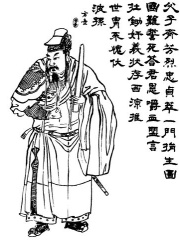
Ma Teng
156 - 212
HPI: 66.44
Plaats: 5,087

Chiyou
HPI: 66.44
Plaats: 5,088

Georgios Papandreou
1888 - 1968
HPI: 66.44
Plaats: 5,089
Princess Elisabeth, Duchess of Hohenberg
1922 - 2011
HPI: 66.44
Plaats: 5,090
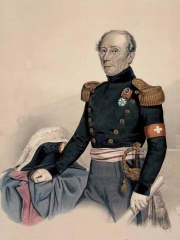
Guillaume Henri Dufour
1787 - 1875
HPI: 66.44
Plaats: 5,091
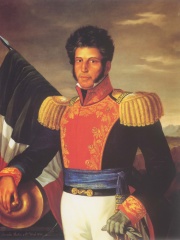
Vicente Guerrero
1782 - 1831
HPI: 66.44
Plaats: 5,092
Ruzi Ying
5 - 25
HPI: 66.44
Plaats: 5,093
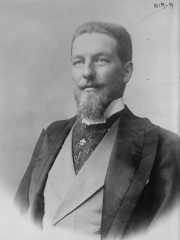
Prince Philippe, Duke of Orléans
1869 - 1926
HPI: 66.44
Plaats: 5,094
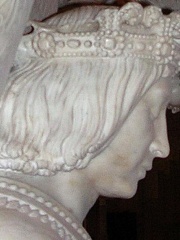
Francis II, Duke of Brittany
1435 - 1488
HPI: 66.43
Plaats: 5,095
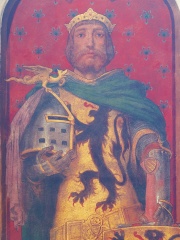
Robert III, Count of Flanders
1249 - 1322
HPI: 66.43
Plaats: 5,096
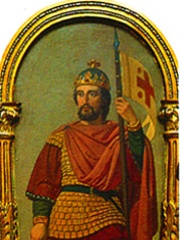
García Sánchez I of Pamplona
919 - 970
HPI: 66.43
Plaats: 5,097

Gojong of Goryeo
1192 - 1259
HPI: 66.43
Plaats: 5,098
Taishi Ci
166 - 206
HPI: 66.43
Plaats: 5,099

Tijdgenoten
Onder de mensen geboren in 5 staat Ruzi Ying op plaats 4. Vóór hem staan Paul the Apostle, Philip the Apostle, en Gnaeus Domitius Corbulo. Na hem komen Julia Livia, Yin Lihua, en Aristarchus of Thessalonica. Onder de mensen overleden in 25 staat Ruzi Ying op plaats 1. Na hem komen Lucius Domitius Ahenobarbus, Gengshi Emperor, en Aulus Cremutius Cordus.
Anderen geboren in 5
Naar alle ranglijsten
Paul the Apostle
RELIGIOUS FIGURE
5 - 66
HPI: 91.31
Plaats: 1

Philip the Apostle
RELIGIOUS FIGURE
5 - 80
HPI: 81.30
Plaats: 2
Gnaeus Domitius Corbulo
POLITICIAN
5 - 67
HPI: 70.10
Plaats: 3
Ruzi Ying
POLITICIAN
5 - 25
HPI: 66.44
Plaats: 4
Julia Livia
POLITICIAN
5 - 43
HPI: 65.37
Plaats: 5
Yin Lihua
POLITICIAN
5 - 64
HPI: 62.35
Plaats: 6

Aristarchus of Thessalonica
RELIGIOUS FIGURE
5 - 100
HPI: 61.69
Plaats: 7
Anderen overleden in 25
Naar alle ranglijstenRuzi Ying
POLITICIAN
5 - 25
HPI: 66.44
Plaats: 1
Lucius Domitius Ahenobarbus
POLITICIAN
49 BC - 25
HPI: 66.04
Plaats: 2
Gengshi Emperor
POLITICIAN
HPI: 63.69
Plaats: 3

Aulus Cremutius Cordus
HISTORIAN
50 BC - 25
HPI: 61.71
Plaats: 4
In China
Onder de mensen geboren in China staat Ruzi Ying op plaats 342 van 2,131. Vóór hem staan Xun Yu (163), Gu Kaizhi (345), Gao Shun (200), Mi Fu (1051), Ren Zhengfei (1944), en Ma Teng (156). Na hem komen Taishi Ci (166), Emperor Wuzong of Tang (814), Li Zongren (1890), Emperor An of Han (94), Emperor Guangzong of Song (1147), en Meng Huo (101).
Anderen geboren in China
Naar alle ranglijsten
Xun Yu
POLITICIAN
163 - 212
HPI: 66.60
Plaats: 336
Gu Kaizhi
PAINTER
345 - 406
HPI: 66.60
Plaats: 337
Gao Shun
MILITARY PERSONNEL
200 - 199
HPI: 66.59
Plaats: 338

Mi Fu
PAINTER
1051 - 1107
HPI: 66.57
Plaats: 339
Ren Zhengfei
BUSINESSPERSON
1944 - heden
HPI: 66.56
Plaats: 340
Ma Teng
POLITICIAN
156 - 212
HPI: 66.44
Plaats: 341
Ruzi Ying
POLITICIAN
5 - 25
HPI: 66.44
Plaats: 342
Taishi Ci
POLITICIAN
166 - 206
HPI: 66.43
Plaats: 343
Emperor Wuzong of Tang
POLITICIAN
814 - 846
HPI: 66.39
Plaats: 344
Li Zongren
POLITICIAN
1890 - 1969
HPI: 66.38
Plaats: 345

Emperor An of Han
POLITICIAN
94 - 125
HPI: 66.34
Plaats: 346
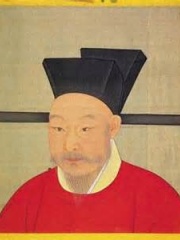
Emperor Guangzong of Song
POLITICIAN
1147 - 1200
HPI: 66.33
Plaats: 347
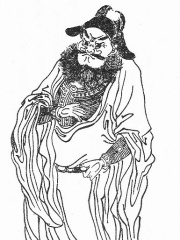
Meng Huo
SOCIAL ACTIVIST
101 - 300
HPI: 66.32
Plaats: 348
Onder Politicus in China
Onder Politicus geboren in China staat Ruzi Ying op plaats 207. Vóór hem staan Li Dazhao (1889), Duan Qirui (1865), Yelü Chucai (1189), Jia Xu (147), Xun Yu (163), en Ma Teng (156). Na hem komen Taishi Ci (166), Emperor Wuzong of Tang (814), Li Zongren (1890), Emperor An of Han (94), Emperor Guangzong of Song (1147), en Dian Wei (150).
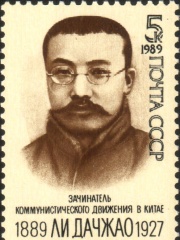
Li Dazhao
1889 - 1927
HPI: 66.70
Plaats: 201
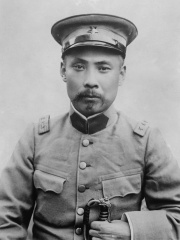
Duan Qirui
1865 - 1936
HPI: 66.70
Plaats: 202
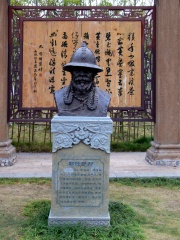
Yelü Chucai
1189 - 1243
HPI: 66.68
Plaats: 203
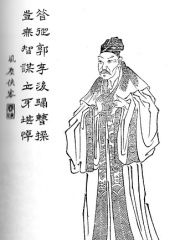
Jia Xu
147 - 223
HPI: 66.63
Plaats: 204
Xun Yu
163 - 212
HPI: 66.60
Plaats: 205
Ma Teng
156 - 212
HPI: 66.44
Plaats: 206
Ruzi Ying
5 - 25
HPI: 66.44
Plaats: 207
Taishi Ci
166 - 206
HPI: 66.43
Plaats: 208
Emperor Wuzong of Tang
814 - 846
HPI: 66.39
Plaats: 209
Li Zongren
1890 - 1969
HPI: 66.38
Plaats: 210
Emperor An of Han
94 - 125
HPI: 66.34
Plaats: 211
Emperor Guangzong of Song
1147 - 1200
HPI: 66.33
Plaats: 212
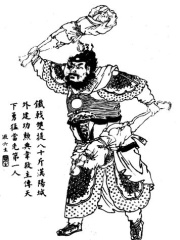
Dian Wei
150 - 197
HPI: 66.32
Plaats: 213




