Religieuze figuur
Optatus
400 - 397
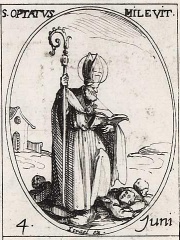
 Optatus
Zijn biografie is beschikbaar in 18 verschillende talen op Wikipedia (toegenomen van 17 in 2024). Optatus staat op plaats 2.255 onder de meest populaire religieuze figuur (gedaald van plaats 1.894 in 2024), plaats 100 onder de meest populaire biografieën uit Algerije (gedaald van plaats 88 in 2019) en op plaats 7 onder de populairste religieuze figuur uit Algerije.
Bekendheidsstatistieken
17k
Paginaweergaven
Afgelopen 12 maanden
59.42
HPI
Historische populariteitsindex
Paginaweergaven van Optatus per taal
Onder Religieuze figuur
Onder Religieuze figuur staat Optatus op plaats 2,255 van 3,187. Vóór hem staan Willehad, Plutarch of Byzantium, Pedro Páez, José Luis Lacunza Maestrojuán, Rainer Woelki, en Al-Bara' ibn Azib. Na hem komen Marthe Robin, Magdalene of Nagasaki, Giovanni de' Marignolli, Ladislav Nemet, Juvenal of Jerusalem, en Adomnán.
Populairste Religieuze figuur op Wikipedia
Naar alle ranglijsten
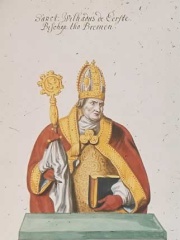
Willehad
735 - 789
HPI: 59.45
Plaats: 2,249

Plutarch of Byzantium
100 - 105
HPI: 59.44
Plaats: 2,250
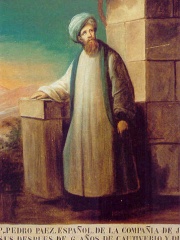
Pedro Páez
1564 - 1622
HPI: 59.44
Plaats: 2,251
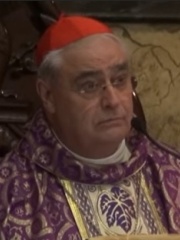
José Luis Lacunza Maestrojuán
1944 - heden
HPI: 59.44
Plaats: 2,252
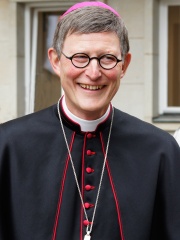
Rainer Woelki
1956 - heden
HPI: 59.43
Plaats: 2,253

Al-Bara' ibn Azib
600 - 690
HPI: 59.42
Plaats: 2,254
Optatus
400 - 397
HPI: 59.42
Plaats: 2,255

Marthe Robin
1902 - 1981
HPI: 59.42
Plaats: 2,256
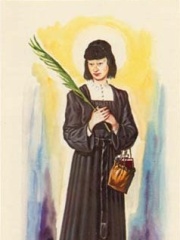
Magdalene of Nagasaki
1611 - 1634
HPI: 59.42
Plaats: 2,257

Giovanni de' Marignolli
1290 - 1358
HPI: 59.42
Plaats: 2,258
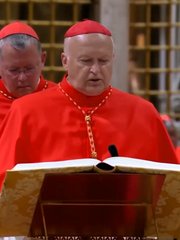
Ladislav Nemet
1956 - heden
HPI: 59.41
Plaats: 2,259

Juvenal of Jerusalem
350 - 458
HPI: 59.41
Plaats: 2,260
Adomnán
624 - 704
HPI: 59.41
Plaats: 2,261

Tijdgenoten
Onder de mensen geboren in 400 staat Optatus op plaats 60. Vóór hem staan Diodorus of Tarsus, Mallobaudes, Aioulf, Arshak II, Nemesius, en Sebastianus. Na hem komen Quodvultdeus, Coelius Sedulius, Nilus of Sinai, Julius Obsequens, Marcus, en Kumaragupta I. Onder de mensen overleden in 397 staat Optatus op plaats 5. Vóór hem staan Martin of Tours, Ambrose, Nectarius of Constantinople, en Geminianus.
Anderen geboren in 400
Naar alle ranglijsten
Diodorus of Tarsus
RELIGIOUS FIGURE
400 - 394
HPI: 60.77
Plaats: 54

Mallobaudes
POLITICIAN
400 - 400
HPI: 60.07
Plaats: 55

Aioulf
POLITICIAN
400 - 457
HPI: 59.98
Plaats: 56
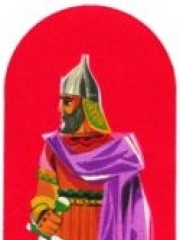
Arshak II
POLITICIAN
400 - 360
HPI: 59.58
Plaats: 57

Nemesius
PHILOSOPHER
400 - 500
HPI: 59.51
Plaats: 58
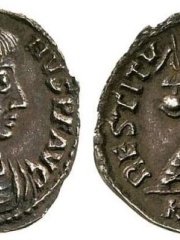
Sebastianus
POLITICIAN
400 - 413
HPI: 59.45
Plaats: 59
Optatus
RELIGIOUS FIGURE
400 - 397
HPI: 59.42
Plaats: 60
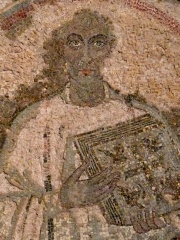
Quodvultdeus
RELIGIOUS FIGURE
400 - 454
HPI: 59.28
Plaats: 61
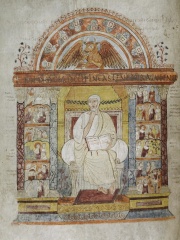
Coelius Sedulius
WRITER
400 - 500
HPI: 59.25
Plaats: 62
Nilus of Sinai
RELIGIOUS FIGURE
400 - 430
HPI: 59.20
Plaats: 63

Julius Obsequens
WRITER
400 - 301
HPI: 58.82
Plaats: 64

Marcus
POLITICIAN
400 - 407
HPI: 58.63
Plaats: 65
Kumaragupta I
POLITICIAN
400 - 455
HPI: 58.40
Plaats: 66
Anderen overleden in 397
Naar alle ranglijsten
Martin of Tours
RELIGIOUS FIGURE
316 - 397
HPI: 81.41
Plaats: 1
Ambrose
RELIGIOUS FIGURE
340 - 397
HPI: 81.26
Plaats: 2
Nectarius of Constantinople
RELIGIOUS FIGURE
HPI: 64.98
Plaats: 3
Geminianus
RELIGIOUS FIGURE
312 - 397
HPI: 61.62
Plaats: 4
Optatus
RELIGIOUS FIGURE
400 - 397
HPI: 59.42
Plaats: 5
In Algerije
Onder de mensen geboren in Algerije staat Optatus op plaats 100 van NaN. Vóór hem staan Alexandre Villaplane (1905), Alain Mimoun (1921), Idir (1949), Pierre Blanchar (1892), Zohra Drif (1934), en Patrick Bruel (1959). Na hem komen Lakhdar Belloumi (1958), Mouloud Mammeri (1917), Rachid Mekhloufi (1936), Abdelaziz Djerad (1954), Boughera El Ouafi (1898), en Rabah Saâdane (1946).
Anderen geboren in Algerije
Naar alle ranglijsten
Alexandre Villaplane
SOCCER PLAYER
1905 - 1944
HPI: 59.69
Plaats: 94
Alain Mimoun
ATHLETE
1921 - 2013
HPI: 59.61
Plaats: 95
Idir
SINGER
1949 - 2020
HPI: 59.61
Plaats: 96
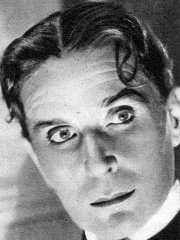
Pierre Blanchar
ACTOR
1892 - 1963
HPI: 59.61
Plaats: 97

Zohra Drif
POLITICIAN
1934 - heden
HPI: 59.57
Plaats: 98

Patrick Bruel
ACTOR
1959 - heden
HPI: 59.53
Plaats: 99
Optatus
RELIGIOUS FIGURE
400 - 397
HPI: 59.42
Plaats: 100

Lakhdar Belloumi
SOCCER PLAYER
1958 - heden
HPI: 59.41
Plaats: 101
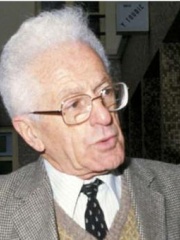
Mouloud Mammeri
WRITER
1917 - 1989
HPI: 59.28
Plaats: 102

Rachid Mekhloufi
SOCCER PLAYER
1936 - 2024
HPI: 59.27
Plaats: 103

Abdelaziz Djerad
POLITICIAN
1954 - heden
HPI: 59.24
Plaats: 104
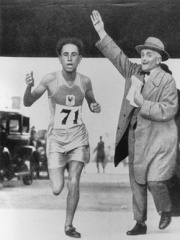
Boughera El Ouafi
ATHLETE
1898 - 1959
HPI: 58.84
Plaats: 105
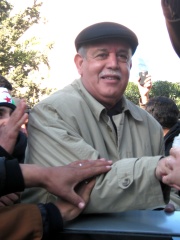
Rabah Saâdane
SOCCER PLAYER
1946 - heden
HPI: 58.63
Plaats: 106
Onder Religieuze figuur in Algerije
Onder Religieuze figuur geboren in Algerije staat Optatus op plaats 7. Vóór hem staan Saint Monica (332), Sidi Boushaki (1394), Jean-Marc Aveline (1958), Maximilian of Tebessa (274), Ahmad al-Tijani (1735), en Abdelhamid Ben Badis (1889).
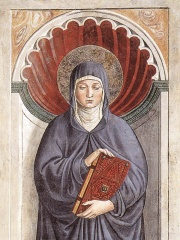
Saint Monica
332 - 387
HPI: 75.84
Plaats: 1

Sidi Boushaki
1394 - 1453
HPI: 67.32
Plaats: 2
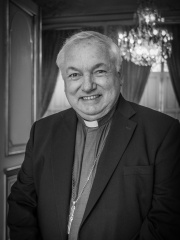
Jean-Marc Aveline
1958 - heden
HPI: 65.98
Plaats: 3

Maximilian of Tebessa
274 - 295
HPI: 65.17
Plaats: 4
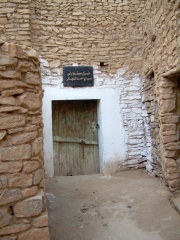
Ahmad al-Tijani
1735 - 1815
HPI: 63.09
Plaats: 5
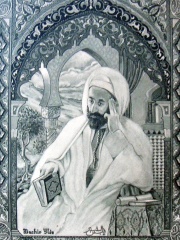
Abdelhamid Ben Badis
1889 - 1940
HPI: 60.56
Plaats: 6
Optatus
400 - 397
HPI: 59.42
Plaats: 7




