Religieuze figuur
Nichiren
1222 - 1282
NL.WIKIPEDIA-PAGINAWEERGAVEN (PV)
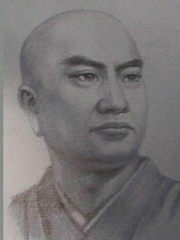
 Nichiren
Zijn biografie is beschikbaar in 42 verschillende talen op Wikipedia (toegenomen van 40 in 2024). Nichiren staat op plaats 609 onder de meest populaire religieuze figuur (gedaald van plaats 595 in 2024), plaats 75 onder de meest populaire biografieën uit Japan (gestegen van plaats 79 in 2019) en op plaats 4 onder de populairste religieuze figuur uit Japan.
Bekendheidsstatistieken
270k
Paginaweergaven
Afgelopen 12 maanden
72.08
HPI
Historische populariteitsindex
Data-inzichten
#1
Nichiren is de meest memorabele van de 107 opmerkelijke personen geboren in Chiba Prefecture, in het huidige Japan.
#6,447
Meer dan 7 eeuwen na de dood staat Nichiren nog altijd op plaats 6,447 van alle personen in Pantheon.
42
De biografie van Nichiren verschijnt in 42 taalversies van Wikipedia — meer dan bij 83% van alle Religieuze figuur.
16 feb
Nichiren is jarig op dezelfde dag (16 februari) als Kim Jong-il, Octave Mirbeau en Ernst Haeckel.
Paginaweergaven van Nichiren per taal
Onder Religieuze figuur
Onder Religieuze figuur staat Nichiren op plaats 609 van 3,187. Vóór hem staan Beatrice Portinari, Kevin Farrell, Camillus de Lellis, Rashi, Sister Lúcia, en Bruno of Cologne. Na hem komen Pancras of Rome, Mus‘ab ibn 'Umair, Saint Giles, Eli, Saint Casimir, en Tamar.
Populairste Religieuze figuur op Wikipedia
Naar alle ranglijsten
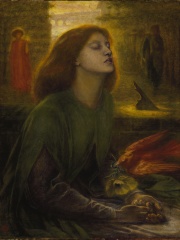
Beatrice Portinari
1265 - 1290
HPI: 72.27
Plaats: 603
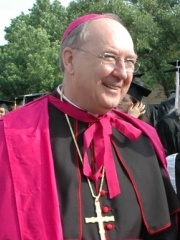
Kevin Farrell
1947 - heden
HPI: 72.27
Plaats: 604
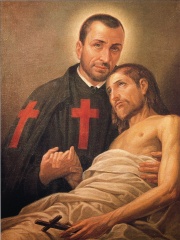
Camillus de Lellis
1550 - 1614
HPI: 72.26
Plaats: 605
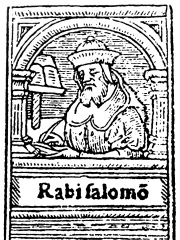
Rashi
1040 - 1105
HPI: 72.15
Plaats: 606
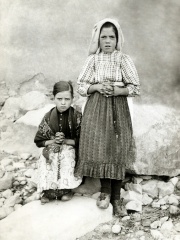
Sister Lúcia
1907 - 2005
HPI: 72.14
Plaats: 607
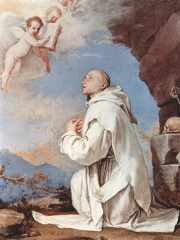
Bruno of Cologne
1030 - 1101
HPI: 72.10
Plaats: 608
Nichiren
1222 - 1282
HPI: 72.08
Plaats: 609
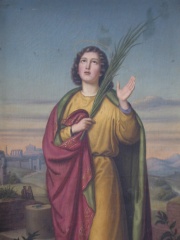
Pancras of Rome
289 - 304
HPI: 72.06
Plaats: 610

Mus‘ab ibn 'Umair
680 - 625
HPI: 72.06
Plaats: 611
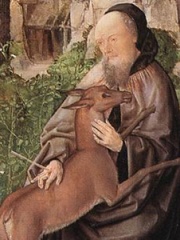
Saint Giles
640 - 710
HPI: 72.04
Plaats: 612
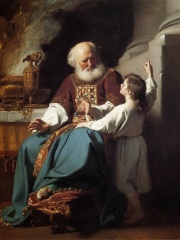
Eli
1128 BC - heden
HPI: 72.04
Plaats: 613
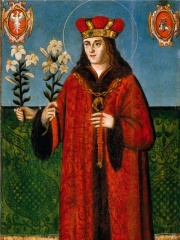
Saint Casimir
1458 - 1484
HPI: 72.02
Plaats: 614

Tamar
HPI: 72.02
Plaats: 615

Tijdgenoten
Onder de mensen geboren in 1222 staat Nichiren op plaats 1. Na hem komen Qalawun, Andrey II of Vladimir, en Henry III the White. Onder de mensen overleden in 1282 staat Nichiren op plaats 4. Vóór hem staan Michael VIII Palaiologos, Abaqa Khan, en Llywelyn ap Gruffudd. Na hem komen Agnes of Bohemia, Mengu-Timur, Ibn Khallikan, Traidenis, George Akropolites, Margaret Sambiria, en Mechthild of Magdeburg.
Anderen geboren in 1222
Naar alle ranglijstenNichiren
RELIGIOUS FIGURE
1222 - 1282
HPI: 72.08
Plaats: 1
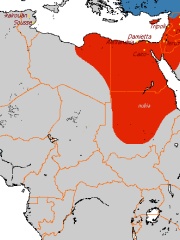
Qalawun
POLITICIAN
1222 - 1290
HPI: 69.38
Plaats: 2
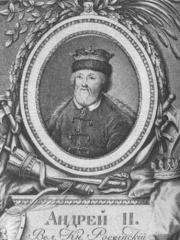
Andrey II of Vladimir
POLITICIAN
1222 - 1264
HPI: 62.07
Plaats: 3
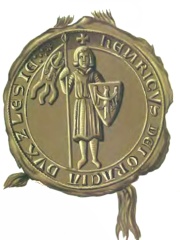
Henry III the White
POLITICIAN
1222 - 1266
HPI: 60.24
Plaats: 4
Anderen overleden in 1282
Naar alle ranglijsten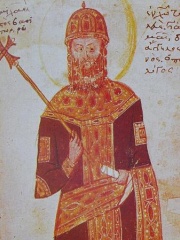
Michael VIII Palaiologos
POLITICIAN
1224 - 1282
HPI: 77.86
Plaats: 1
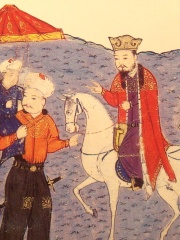
Abaqa Khan
POLITICIAN
1234 - 1282
HPI: 73.66
Plaats: 2
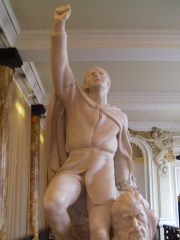
Llywelyn ap Gruffudd
POLITICIAN
1220 - 1282
HPI: 72.32
Plaats: 3
Nichiren
RELIGIOUS FIGURE
1222 - 1282
HPI: 72.08
Plaats: 4
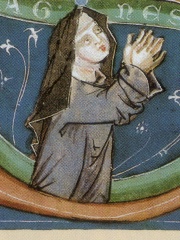
Agnes of Bohemia
RELIGIOUS FIGURE
1211 - 1282
HPI: 69.42
Plaats: 5
Mengu-Timur
POLITICIAN
1235 - 1282
HPI: 67.11
Plaats: 6

Ibn Khallikan
WRITER
1211 - 1282
HPI: 67.09
Plaats: 7
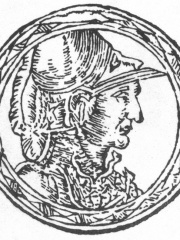
Traidenis
POLITICIAN
1220 - 1282
HPI: 66.56
Plaats: 8

George Akropolites
POLITICIAN
1217 - 1282
HPI: 66.39
Plaats: 9
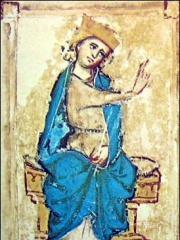
Margaret Sambiria
POLITICIAN
1230 - 1282
HPI: 63.97
Plaats: 10
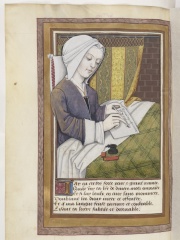
Mechthild of Magdeburg
PHILOSOPHER
1207 - 1282
HPI: 63.30
Plaats: 11
In Japan
Onder de mensen geboren in Japan staat Nichiren op plaats 75 van 6,245. Vóór hem staan Isamu Akasaki (1929), Shin'ichirō Tomonaga (1906), Tadao Ando (1941), Soichiro Honda (1906), Chūichi Nagumo (1887), en Kenzō Tange (1913). Na hem komen Tomoe Gozen (1157), Emperor Annei (-577), Kazuo Ishiguro (1954), Shirō Ishii (1892), Sei Shōnagon (966), en Emperor Momozono (1741).
Anderen geboren in Japan
Naar alle ranglijsten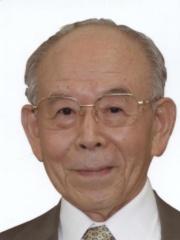
Isamu Akasaki
PHYSICIST
1929 - 2021
HPI: 72.34
Plaats: 69
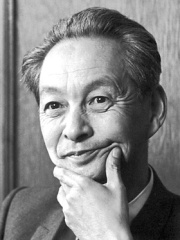
Shin'ichirō Tomonaga
PHYSICIST
1906 - 1979
HPI: 72.31
Plaats: 70
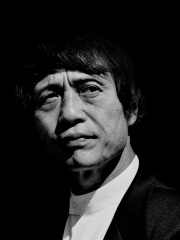
Tadao Ando
ARCHITECT
1941 - heden
HPI: 72.31
Plaats: 71
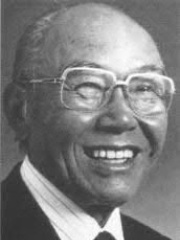
Soichiro Honda
BUSINESSPERSON
1906 - 1991
HPI: 72.20
Plaats: 72
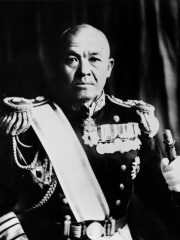
Chūichi Nagumo
MILITARY PERSONNEL
1887 - 1944
HPI: 72.18
Plaats: 73
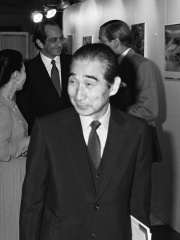
Kenzō Tange
ARCHITECT
1913 - 2005
HPI: 72.09
Plaats: 74
Nichiren
RELIGIOUS FIGURE
1222 - 1282
HPI: 72.08
Plaats: 75
Tomoe Gozen
POLITICIAN
1157 - 1247
HPI: 71.94
Plaats: 76
Emperor Annei
POLITICIAN
577 BC - 510 BC
HPI: 71.85
Plaats: 77

Kazuo Ishiguro
WRITER
1954 - heden
HPI: 71.66
Plaats: 78
Shirō Ishii
PHYSICIAN
1892 - 1959
HPI: 71.63
Plaats: 79

Sei Shōnagon
WRITER
966 - 1025
HPI: 71.53
Plaats: 80
Emperor Momozono
POLITICIAN
1741 - 1762
HPI: 71.42
Plaats: 81
Onder Religieuze figuur in Japan
Onder Religieuze figuur geboren in Japan staat Nichiren op plaats 4. Vóór hem staan Kane Tanaka (1903), Paulo Miki (1564), en Dōgen (1200). Na hem komen Empress Meishō (1624), Benkei (1155), Abe no Seimei (921), Sen no Rikyū (1522), Mikao Usui (1865), Yamamoto Tsunetomo (1659), Ikkyū (1394), en Eisai (1141).
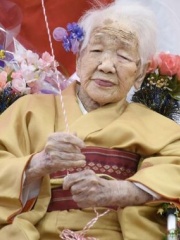
Kane Tanaka
1903 - 2022
HPI: 72.71
Plaats: 1
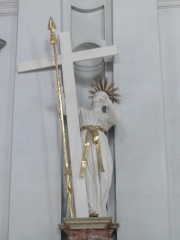
Paulo Miki
1564 - 1597
HPI: 72.48
Plaats: 2
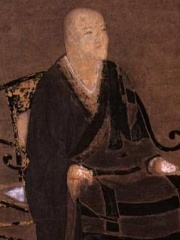
Dōgen
1200 - 1253
HPI: 72.38
Plaats: 3
Nichiren
1222 - 1282
HPI: 72.08
Plaats: 4
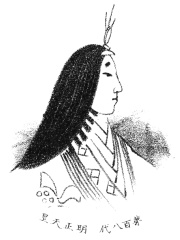
Empress Meishō
1624 - 1696
HPI: 70.84
Plaats: 5

Benkei
1155 - 1189
HPI: 70.14
Plaats: 6
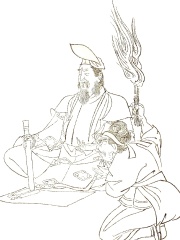
Abe no Seimei
921 - 1005
HPI: 69.22
Plaats: 7
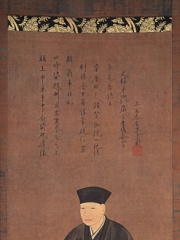
Sen no Rikyū
1522 - 1591
HPI: 69.18
Plaats: 8
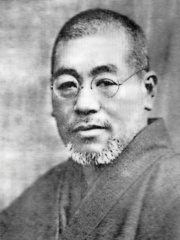
Mikao Usui
1865 - 1926
HPI: 67.34
Plaats: 9
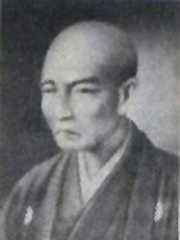
Yamamoto Tsunetomo
1659 - 1719
HPI: 66.14
Plaats: 10
Ikkyū
1394 - 1481
HPI: 65.93
Plaats: 11
Eisai
1141 - 1215
HPI: 65.03
Plaats: 12




