Filosoof
Chantal Mouffe
1943 - heden
NL.WIKIPEDIA-PAGINAWEERGAVEN (PV)
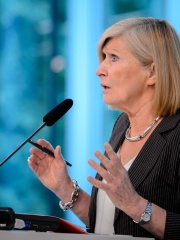
 Chantal Mouffe
Haar biografie is beschikbaar in 32 verschillende talen op Wikipedia (toegenomen van 30 in 2024). Chantal Mouffe staat op plaats 441 onder de meest populaire filosoof (gedaald van plaats 402 in 2024), plaats 146 onder de meest populaire biografieën uit België (gedaald van plaats 127 in 2019) en op plaats 4 onder de populairste filosoof uit België.
Bekendheidsstatistieken
72k
Paginaweergaven
Afgelopen 12 maanden
67.40
HPI
Historische populariteitsindex
Data-inzichten
32
De biografie van Chantal Mouffe beslaat 32 taalversies van Wikipedia en behaalt een Historische Populariteitsindex van 67.40.
Paginaweergaven van Chantal Mouffe per taal
Onder Filosoof
Onder Filosoof staat Chantal Mouffe op plaats 441 van 1,285. Vóór haar staan Thomas Cajetan, Gautama Maharishi, Peter Sloterdijk, Eudemus of Rhodes, Shah Waliullah Dehlawi, en Rodolphus Agricola. Na haar komen Gershom Scholem, Christian Thomasius, Zhiyi, Ernesto Laclau, Martha Nussbaum, en Lucilio Vanini.
Populairste Filosoof op Wikipedia
Naar alle ranglijsten
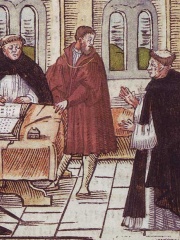
Thomas Cajetan
1469 - 1534
HPI: 67.47
Plaats: 435

Gautama Maharishi
2000 BC - 2000 BC
HPI: 67.46
Plaats: 436
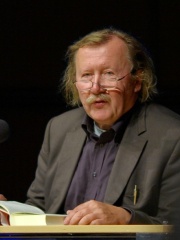
Peter Sloterdijk
1947 - heden
HPI: 67.42
Plaats: 437
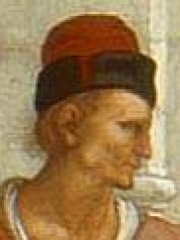
Eudemus of Rhodes
370 BC - 300 BC
HPI: 67.42
Plaats: 438

Shah Waliullah Dehlawi
1703 - 1762
HPI: 67.42
Plaats: 439
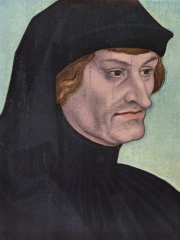
Rodolphus Agricola
1443 - 1485
HPI: 67.41
Plaats: 440
Chantal Mouffe
1943 - heden
HPI: 67.40
Plaats: 441
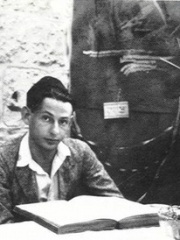
Gershom Scholem
1897 - 1982
HPI: 67.37
Plaats: 442
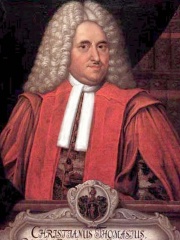
Christian Thomasius
1655 - 1728
HPI: 67.37
Plaats: 443
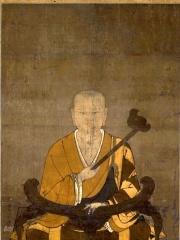
Zhiyi
538 - 597
HPI: 67.35
Plaats: 444
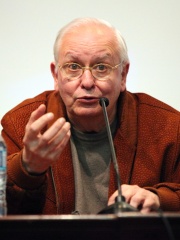
Ernesto Laclau
1935 - 2014
HPI: 67.34
Plaats: 445
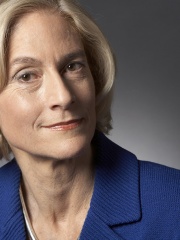
Martha Nussbaum
1947 - heden
HPI: 67.31
Plaats: 446
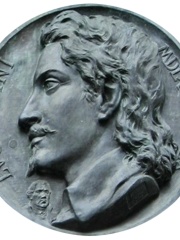
Lucilio Vanini
1585 - 1619
HPI: 67.26
Plaats: 447

Tijdgenoten
Onder de mensen geboren in 1943 staat Chantal Mouffe op plaats 89. Vóór haar staan Arthur Ashe, Yohji Yamamoto, Michael Palin, José María Balcázar, Richard Smalley, en Barbara Bouchet. Na haar komen Oskar Lafontaine, Maktoum bin Rashid Al Maktoum, Mohammed Badie, Wanda Rutkiewicz, Rodney Alcala, en Piet Keizer.
Anderen geboren in 1943
Naar alle ranglijsten
Arthur Ashe
TENNIS PLAYER
1943 - 1993
HPI: 67.72
Plaats: 83

Yohji Yamamoto
FASHION DESIGNER
1943 - heden
HPI: 67.71
Plaats: 84
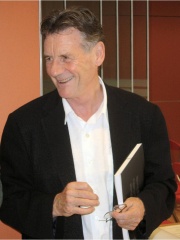
Michael Palin
ACTOR
1943 - heden
HPI: 67.66
Plaats: 85
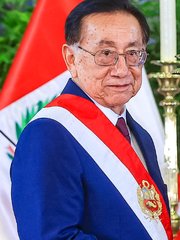
José María Balcázar
POLITICIAN
1943 - heden
HPI: 67.61
Plaats: 86
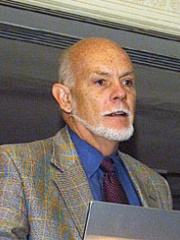
Richard Smalley
CHEMIST
1943 - 2005
HPI: 67.54
Plaats: 87
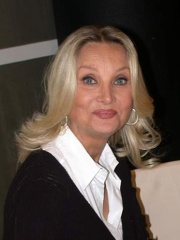
Barbara Bouchet
ACTOR
1943 - heden
HPI: 67.40
Plaats: 88
Chantal Mouffe
PHILOSOPHER
1943 - heden
HPI: 67.40
Plaats: 89
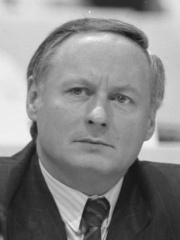
Oskar Lafontaine
POLITICIAN
1943 - heden
HPI: 67.33
Plaats: 90
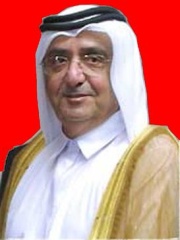
Maktoum bin Rashid Al Maktoum
POLITICIAN
1943 - 2006
HPI: 67.31
Plaats: 91
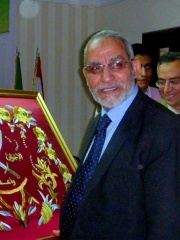
Mohammed Badie
POLITICIAN
1943 - heden
HPI: 67.21
Plaats: 92
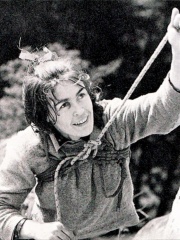
Wanda Rutkiewicz
MOUNTAINEER
1943 - 1992
HPI: 67.19
Plaats: 93
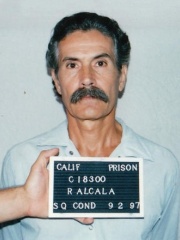
Rodney Alcala
EXTREMIST
1943 - 2021
HPI: 67.19
Plaats: 94
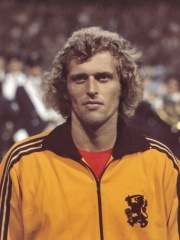
Piet Keizer
SOCCER PLAYER
1943 - 2017
HPI: 67.16
Plaats: 95
In België
Onder de mensen geboren in België staat Chantal Mouffe op plaats 146 van 1,454. Vóór haar staan Chantal Akerman (1950), Charles Michel (1975), Pierre Louÿs (1870), Petrus Plancius (1552), Marie of Brabant, Queen of France (1254), en Marguerite Porete (1250). Na haar komen Victor D'Hondt (1841), Louis II, Count of Flanders (1330), Ermengarde of Hesbaye (778), Louise Françoise de Bourbon, Duchess of Bourbon (1673), Pierre De Geyter (1848), en Henry I, Duke of Brabant (1165).
Anderen geboren in België
Naar alle ranglijsten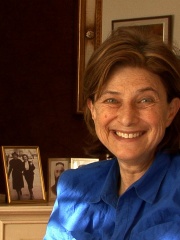
Chantal Akerman
FILM DIRECTOR
1950 - 2015
HPI: 67.78
Plaats: 140
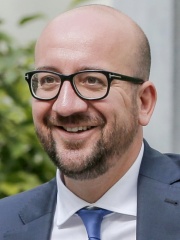
Charles Michel
POLITICIAN
1975 - heden
HPI: 67.70
Plaats: 141
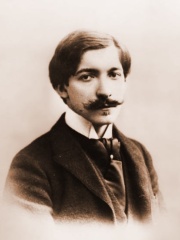
Pierre Louÿs
WRITER
1870 - 1925
HPI: 67.63
Plaats: 142
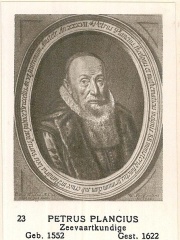
Petrus Plancius
ASTRONOMER
1552 - 1622
HPI: 67.62
Plaats: 143
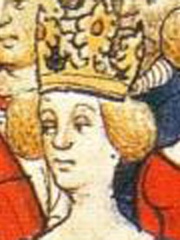
Marie of Brabant, Queen of France
COMPANION
1254 - 1322
HPI: 67.59
Plaats: 144
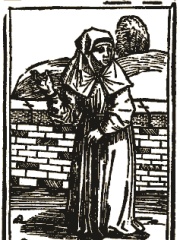
Marguerite Porete
WRITER
1250 - 1310
HPI: 67.56
Plaats: 145
Chantal Mouffe
PHILOSOPHER
1943 - heden
HPI: 67.40
Plaats: 146
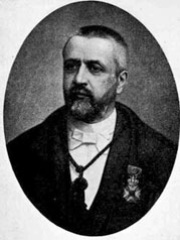
Victor D'Hondt
MATHEMATICIAN
1841 - 1902
HPI: 67.37
Plaats: 147
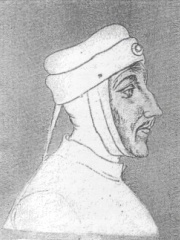
Louis II, Count of Flanders
POLITICIAN
1330 - 1384
HPI: 67.37
Plaats: 148
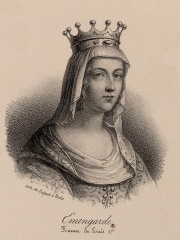
Ermengarde of Hesbaye
POLITICIAN
778 - 818
HPI: 67.36
Plaats: 149
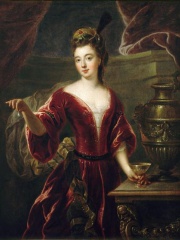
Louise Françoise de Bourbon, Duchess of Bourbon
POLITICIAN
1673 - 1743
HPI: 67.28
Plaats: 150
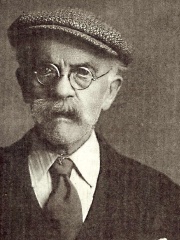
Pierre De Geyter
COMPOSER
1848 - 1932
HPI: 67.28
Plaats: 151
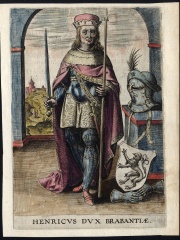
Henry I, Duke of Brabant
NOBLEMAN
1165 - 1235
HPI: 67.26
Plaats: 152
Onder Filosoof in België
Onder Filosoof geboren in België staat Chantal Mouffe op plaats 4. Vóór haar staan Justus Lipsius (1547), Siger of Brabant (1240), en Luce Irigaray (1930). Na haar komen Arnold Geulincx (1624), Henry of Ghent (1217), Franciscus Gomarus (1563), Félix Ravaisson-Mollien (1813), Paul de Man (1919), Alice von Hildebrand (1923), en Michel Weber (1963).
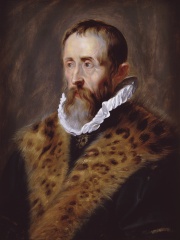
Justus Lipsius
1547 - 1606
HPI: 69.44
Plaats: 1
Siger of Brabant
1240 - 1284
HPI: 68.25
Plaats: 2

Luce Irigaray
1930 - heden
HPI: 68.14
Plaats: 3
Chantal Mouffe
1943 - heden
HPI: 67.40
Plaats: 4

Arnold Geulincx
1624 - 1669
HPI: 62.94
Plaats: 5

Henry of Ghent
1217 - 1293
HPI: 61.97
Plaats: 6
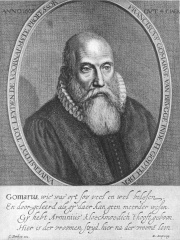
Franciscus Gomarus
1563 - 1641
HPI: 61.31
Plaats: 7
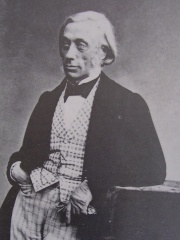
Félix Ravaisson-Mollien
1813 - 1900
HPI: 61.25
Plaats: 8

Paul de Man
1919 - 1983
HPI: 60.52
Plaats: 9

Alice von Hildebrand
1923 - 2022
HPI: 52.85
Plaats: 10
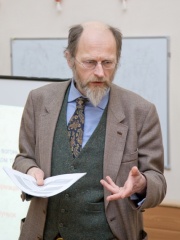
Michel Weber
1963 - heden
HPI: 49.69
Plaats: 11




