哲学者
Ravidas
1450 - 1520
 Ravidas
知名度指標
240k
ページビュー
過去12か月
63.85
HPI
歴史的人気指数
データインサイト
#22,660
没後5世紀以上を経た今も、RavidasはPantheonの全人物中第22,660位を保っています。
Ravidasの言語別ページビュー
哲学者の中で
哲学者の中で、Ravidasは1,267人中660位です。 彼より上位:Anton Wilhelm Amo, Stein Rokkan, Amalric of Bena, Ernst Moritz Arndt, Maximus of Ephesus, 、Wang Bi. 彼より下位:Johannes Sturm, Nezahualcoyotl, Michael Walzer, Gorakhnath, Ernst Nolte, 、Reinhold Niebuhr.
ウィキペディアで最も人気のある哲学者
すべてのランキングを見る
Anton Wilhelm Amo
1703 - 1759
HPI: 63.91
順位: 654
Stein Rokkan
1921 - 1979
HPI: 63.89
順位: 655
Amalric of Bena
1150 - 1206
HPI: 63.87
順位: 656

Ernst Moritz Arndt
1769 - 1860
HPI: 63.87
順位: 657

Maximus of Ephesus
310 - 372
HPI: 63.86
順位: 658

Wang Bi
226 - 249
HPI: 63.86
順位: 659
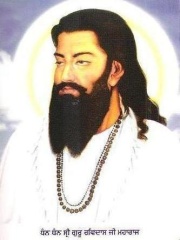
Ravidas
1450 - 1520
HPI: 63.85
順位: 660
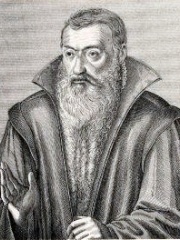
Johannes Sturm
1507 - 1589
HPI: 63.82
順位: 661
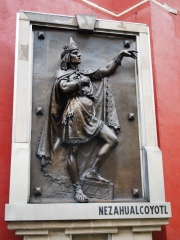
Nezahualcoyotl
1402 - 1472
HPI: 63.82
順位: 662
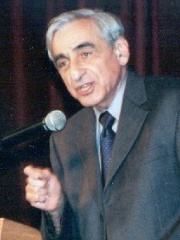
Michael Walzer
1935 - 現在
HPI: 63.81
順位: 663
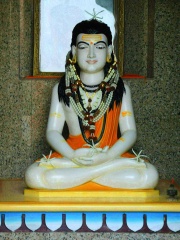
Gorakhnath
1100 - 1200
HPI: 63.78
順位: 664
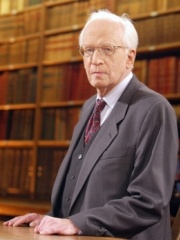
Ernst Nolte
1923 - 2016
HPI: 63.77
順位: 665
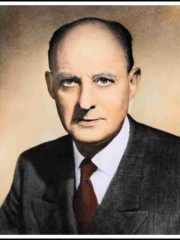
Reinhold Niebuhr
1892 - 1971
HPI: 63.77
順位: 666

同時代の人物
1450年生まれの人の中で、Ravidasは25位です。 彼より上位:Sikandar Lodi, Gedik Ahmed Pasha, Gregory III of Constantinople, Piero Soderini, Juan de Flandes, 、Francesco Francia. 彼より下位:Pedro Berruguete, Ercole de' Roberti, Gaspar Corte-Real, Marin Barleti, Basarab II of Wallachia, 、Bartolomeo Montagna. 1520年に亡くなった人の中で、Ravidasは11位です。 彼より上位:Martin Waldseemüller, Pier Gerlofs Donia, Cuitláhuac, Sten Sture the Younger, Kunigunde of Austria, 、Agostino Chigi. 彼より下位:Ippolito d'Este, Idris Bitlisi, Bernardo Dovizi, Jo Gwang-jo, Alonso Álvarez de Pineda, 、William Dunbar.
1450年生まれのその他の人物
すべてのランキングを見る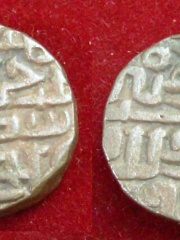
Sikandar Lodi
POLITICIAN
1450 - 1517
HPI: 65.82
順位: 19

Gedik Ahmed Pasha
POLITICIAN
1450 - 1482
HPI: 65.81
順位: 20

Gregory III of Constantinople
RELIGIOUS FIGURE
1450 - 1459
HPI: 65.33
順位: 21
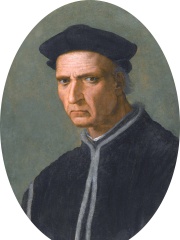
Piero Soderini
POLITICIAN
1450 - 1522
HPI: 65.14
順位: 22
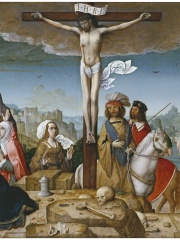
Juan de Flandes
PAINTER
1450 - 1519
HPI: 64.81
順位: 23

Francesco Francia
PAINTER
1450 - 1517
HPI: 64.52
順位: 24
Ravidas
PHILOSOPHER
1450 - 1520
HPI: 63.85
順位: 25
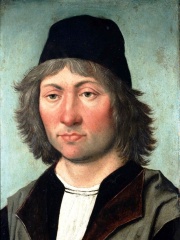
Pedro Berruguete
PAINTER
1450 - 1504
HPI: 63.83
順位: 26
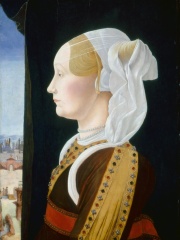
Ercole de' Roberti
PAINTER
1450 - 1496
HPI: 63.40
順位: 27
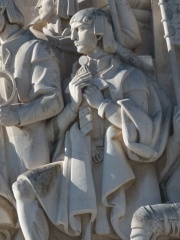
Gaspar Corte-Real
EXPLORER
1450 - 1501
HPI: 63.16
順位: 28

Marin Barleti
HISTORIAN
1450 - 1513
HPI: 62.85
順位: 29

Basarab II of Wallachia
POLITICIAN
1450 - 1458
HPI: 62.30
順位: 30
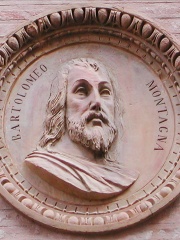
Bartolomeo Montagna
PAINTER
1450 - 1523
HPI: 62.04
順位: 31
1520年に亡くなったその他の人物
すべてのランキングを見る
Martin Waldseemüller
GEOGRAPHER
1470 - 1520
HPI: 74.02
順位: 5
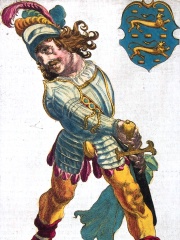
Pier Gerlofs Donia
SOCIAL ACTIVIST
1480 - 1520
HPI: 68.76
順位: 6
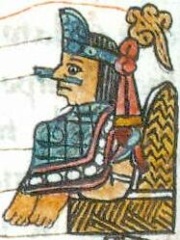
Cuitláhuac
POLITICIAN
1476 - 1520
HPI: 68.08
順位: 7
Sten Sture the Younger
POLITICIAN
1493 - 1520
HPI: 67.70
順位: 8

Kunigunde of Austria
POLITICIAN
1465 - 1520
HPI: 66.46
順位: 9
Agostino Chigi
POLITICIAN
1465 - 1520
HPI: 64.13
順位: 10
Ravidas
PHILOSOPHER
1450 - 1520
HPI: 63.85
順位: 11
Ippolito d'Este
RELIGIOUS FIGURE
1479 - 1520
HPI: 63.80
順位: 12

Idris Bitlisi
WRITER
1452 - 1520
HPI: 61.05
順位: 13
Bernardo Dovizi
WRITER
1470 - 1520
HPI: 61.03
順位: 14

Jo Gwang-jo
POLITICIAN
1482 - 1520
HPI: 59.28
順位: 15

Alonso Álvarez de Pineda
EXPLORER
1494 - 1520
HPI: 55.21
順位: 16

William Dunbar
WRITER
1460 - 1520
HPI: 51.57
順位: 17
インドの中で
インド生まれの人の中で、Ravidasは1,861人中266位です。 彼より上位:Rakhee Gulzar (1947), Gayatri Chakravorty Spivak (1942), Kittur Chennamma (1778), Hemachandra (1089), Murad Bakhsh (1624), 、Anna Leonowens (1831). 彼より下位:Godfrey Brown (1915), Jagat Gosain (1573), Balaji Baji Rao (1720), Dhirubhai Ambani (1932), Lala Lajpat Rai (1865), 、Abbé Faria (1756).
インド生まれのその他の人物
すべてのランキングを見る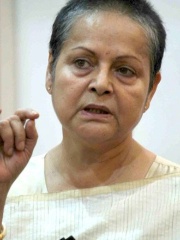
Rakhee Gulzar
ACTOR
1947 - 現在
HPI: 64.21
順位: 260
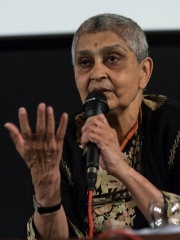
Gayatri Chakravorty Spivak
WRITER
1942 - 現在
HPI: 64.15
順位: 261
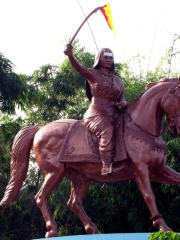
Kittur Chennamma
SOCIAL ACTIVIST
1778 - 1829
HPI: 64.13
順位: 262

Hemachandra
PHILOSOPHER
1089 - 1172
HPI: 64.00
順位: 263
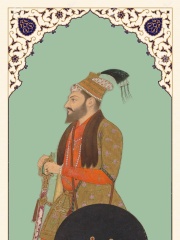
Murad Bakhsh
NOBLEMAN
1624 - 1661
HPI: 63.95
順位: 264
Anna Leonowens
WRITER
1831 - 1915
HPI: 63.88
順位: 265
Ravidas
PHILOSOPHER
1450 - 1520
HPI: 63.85
順位: 266
Godfrey Brown
ATHLETE
1915 - 1995
HPI: 63.84
順位: 267
Jagat Gosain
COMPANION
1573 - 1619
HPI: 63.83
順位: 268
Balaji Baji Rao
POLITICIAN
1720 - 1761
HPI: 63.77
順位: 269

Dhirubhai Ambani
BUSINESSPERSON
1932 - 2002
HPI: 63.70
順位: 270
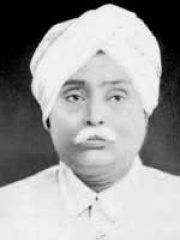
Lala Lajpat Rai
POLITICIAN
1865 - 1928
HPI: 63.69
順位: 271
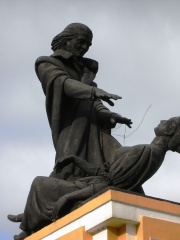
Abbé Faria
RELIGIOUS FIGURE
1756 - 1819
HPI: 63.63
順位: 272
インドの哲学者の中で
インド生まれの哲学者の中で、Ravidasは29位です。 彼より上位:Madhvacharya (1199), Sivananda Saraswati (1887), Ahmad Sirhindi (1564), Vinayak Damodar Savarkar (1883), Dignāga (480), 、Hemachandra (1089). 彼より下位:Vallabha (1479), Thiruvalluvar (350), Nisargadatta Maharaj (1897), Narayana Guru (1855), Eknath (1533), 、Rishabhanatha (null).
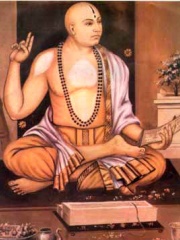
Madhvacharya
1199 - 1278
HPI: 65.81
順位: 23
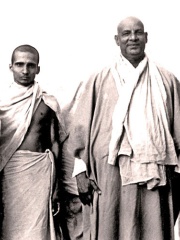
Sivananda Saraswati
1887 - 1963
HPI: 65.75
順位: 24

Ahmad Sirhindi
1564 - 1624
HPI: 65.65
順位: 25
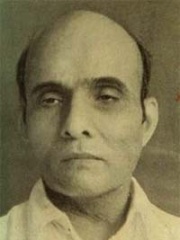
Vinayak Damodar Savarkar
1883 - 1966
HPI: 65.41
順位: 26

Dignāga
480 - 540
HPI: 64.39
順位: 27
Hemachandra
1089 - 1172
HPI: 64.00
順位: 28
Ravidas
1450 - 1520
HPI: 63.85
順位: 29
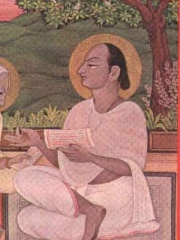
Vallabha
1479 - 1531
HPI: 63.23
順位: 30
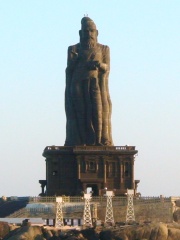
Thiruvalluvar
350 - 351
HPI: 62.34
順位: 31
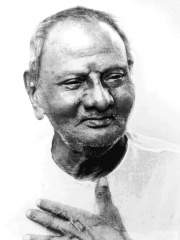
Nisargadatta Maharaj
1897 - 1981
HPI: 62.04
順位: 32
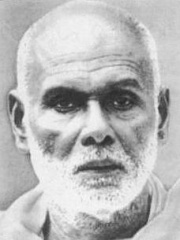
Narayana Guru
1855 - 1928
HPI: 61.88
順位: 33
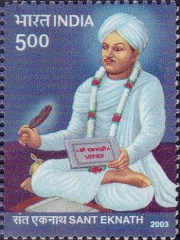
Eknath
1533 - 1599
HPI: 61.83
順位: 34
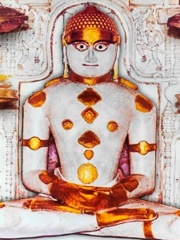
Rishabhanatha
HPI: 61.40
順位: 35




