政治家
康熙帝
1654 - 1722
JA.WIKIPEDIA ページビュー (PV)
 康熙帝
康熙帝知名度指標
1.1M
ページビュー
過去12か月
78.96
HPI
歴史的人気指数
データインサイト
#1
康熙帝は、Forbidden City(現在の中国)生まれの著名人3人の中で最も著名です。
#1,750
没後3世紀以上を経た今も、康熙帝はPantheonの全人物中第1,750位を保っています。
62
康熙帝の伝記はウィキペディアの62言語版に掲載されており、政治家全体の94%を上回っています。
5月5日
康熙帝はKarl Marx、Søren Kierkegaard、Leopold II, Holy Roman Emperorと同じ5月5日生まれです。
康熙帝の言語別ページビュー
政治家の中で
政治家の中で、康熙帝は19,576人中512位です。 彼より上位:Arcadius, Razia Sultana, Eduard Shevardnadze, Omar al-Bashir, Jawaharlal Nehru, 、Józef Piłsudski. 彼より下位:Djoser, Hideki Tojo, Matthias, Holy Roman Emperor, Juan Perón, Henry the Fowler, 、Florianus.
ウィキペディアで最も人気のある政治家
すべてのランキングを見る
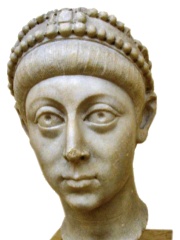
Arcadius
377 - 408
HPI: 79.01
順位: 506
Razia Sultana
1205 - 1240
HPI: 79.00
順位: 507

Eduard Shevardnadze
1928 - 2014
HPI: 79.00
順位: 508
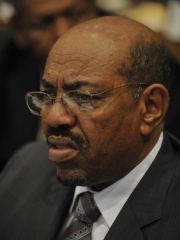
Omar al-Bashir
1944 - 現在
HPI: 79.00
順位: 509
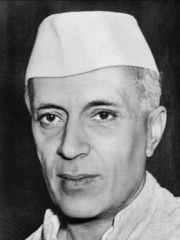
Jawaharlal Nehru
1889 - 1964
HPI: 78.99
順位: 510
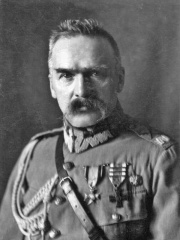
Józef Piłsudski
1867 - 1935
HPI: 78.96
順位: 511
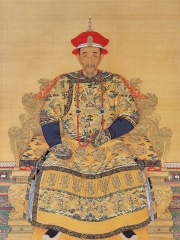
Kangxi Emperor
1654 - 1722
HPI: 78.96
順位: 512
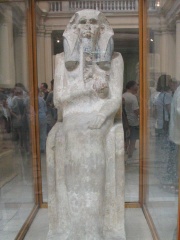
Djoser
2800 BC - 2700 BC
HPI: 78.95
順位: 513
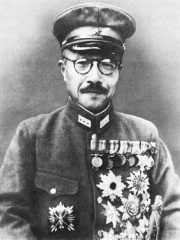
Hideki Tojo
1884 - 1948
HPI: 78.95
順位: 514
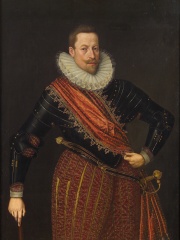
Matthias, Holy Roman Emperor
1557 - 1619
HPI: 78.95
順位: 515
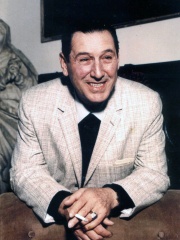
Juan Perón
1895 - 1974
HPI: 78.94
順位: 516
Henry the Fowler
876 - 936
HPI: 78.94
順位: 517
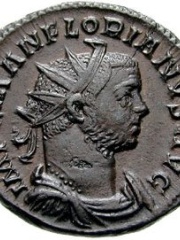
Florianus
232 - 276
HPI: 78.93
順位: 518

同時代の人物
1654年生まれの人の中で、康熙帝は2位です。 彼より上位:Jacob Bernoulli. 彼より下位:Emperor Reigen, Pierre Varignon, Pedro Calungsod, Charles I, Landgrave of Hesse-Kassel, Louis Joseph, Duke of Vendôme, Agostino Steffani, Constantin Brâncoveanu, Archduchess Maria Anna Josepha of Austria, Nicodemus Tessin the Younger, 、Danylo Apostol. 1722年に亡くなった人の中で、康熙帝は1位です。 彼より下位:Elizabeth Charlotte, Madame Palatine, John Churchill, 1st Duke of Marlborough, Bartholomew Roberts, John Toland, Johann Kuhnau, Pierre Varignon, Johann Adam Reincken, Carl Gustav Rehnskiöld, Adriaen van der Werff, Marie Anne de La Trémoille, princesse des Ursins, 、Claude Gillot.
1654年生まれのその他の人物
すべてのランキングを見る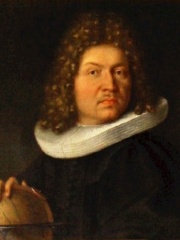
Jacob Bernoulli
MATHEMATICIAN
1654 - 1705
HPI: 81.66
順位: 1
Kangxi Emperor
POLITICIAN
1654 - 1722
HPI: 78.96
順位: 2
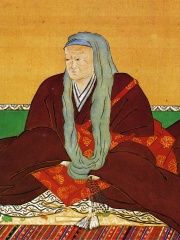
Emperor Reigen
POLITICIAN
1654 - 1732
HPI: 69.73
順位: 3
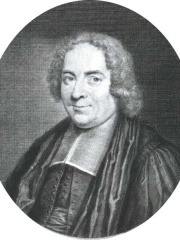
Pierre Varignon
MATHEMATICIAN
1654 - 1722
HPI: 66.72
順位: 4

Pedro Calungsod
POLITICIAN
1654 - 1672
HPI: 66.04
順位: 5
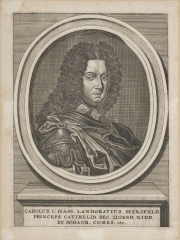
Charles I, Landgrave of Hesse-Kassel
POLITICIAN
1654 - 1730
HPI: 65.57
順位: 6
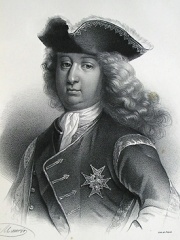
Louis Joseph, Duke of Vendôme
POLITICIAN
1654 - 1712
HPI: 65.45
順位: 7
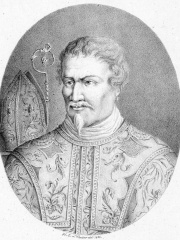
Agostino Steffani
COMPOSER
1654 - 1728
HPI: 64.58
順位: 8
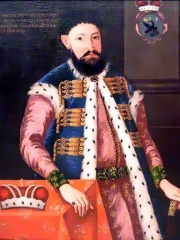
Constantin Brâncoveanu
NOBLEMAN
1654 - 1714
HPI: 64.18
順位: 9
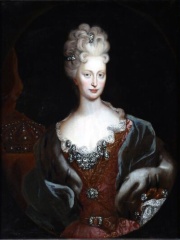
Archduchess Maria Anna Josepha of Austria
POLITICIAN
1654 - 1689
HPI: 64.09
順位: 10

Nicodemus Tessin the Younger
ARCHITECT
1654 - 1728
HPI: 62.51
順位: 11
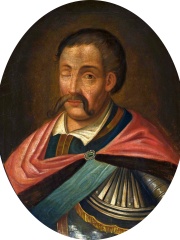
Danylo Apostol
MILITARY PERSONNEL
1654 - 1734
HPI: 61.62
順位: 12
1722年に亡くなったその他の人物
すべてのランキングを見るKangxi Emperor
POLITICIAN
1654 - 1722
HPI: 78.96
順位: 1
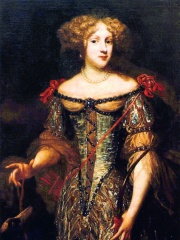
Elizabeth Charlotte, Madame Palatine
NOBLEMAN
1652 - 1722
HPI: 73.50
順位: 2
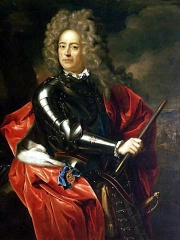
John Churchill, 1st Duke of Marlborough
MILITARY PERSONNEL
1650 - 1722
HPI: 71.77
順位: 3
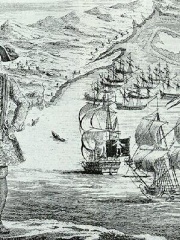
Bartholomew Roberts
PIRATE
1682 - 1722
HPI: 70.05
順位: 4
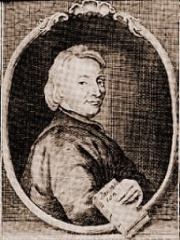
John Toland
PHILOSOPHER
1670 - 1722
HPI: 67.77
順位: 5
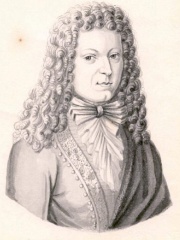
Johann Kuhnau
COMPOSER
1660 - 1722
HPI: 67.18
順位: 6
Pierre Varignon
MATHEMATICIAN
1654 - 1722
HPI: 66.72
順位: 7
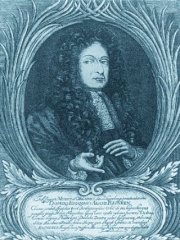
Johann Adam Reincken
COMPOSER
1643 - 1722
HPI: 65.59
順位: 8
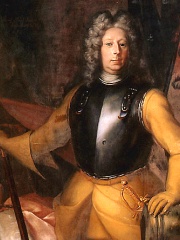
Carl Gustav Rehnskiöld
MILITARY PERSONNEL
1651 - 1722
HPI: 64.49
順位: 9

Adriaen van der Werff
PAINTER
1659 - 1722
HPI: 62.02
順位: 10

Marie Anne de La Trémoille, princesse des Ursins
POLITICIAN
1642 - 1722
HPI: 62.01
順位: 11
Claude Gillot
PAINTER
1673 - 1722
HPI: 61.95
順位: 12
中国の中で
中国生まれの人の中で、康熙帝は1,610人中34位です。 彼より上位:Qianlong Emperor (1711), Kanishka (78), Cai Lun (48), Jiang Zemin (1926), Toshiro Mifune (1920), 、Zhuge Liang (181). 彼より下位:Xuanzang (602), Hongwu Emperor (1328), Liu Bei (161), Guan Yu (162), Yongle Emperor (1360), 、Zhou Enlai (1898).
中国生まれのその他の人物
すべてのランキングを見る
Qianlong Emperor
POLITICIAN
1711 - 1799
HPI: 79.27
順位: 28
Kanishka
POLITICIAN
78 - 144
HPI: 79.23
順位: 29
Cai Lun
INVENTOR
48 - 121
HPI: 79.13
順位: 30
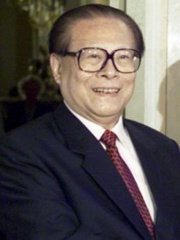
Jiang Zemin
POLITICIAN
1926 - 2022
HPI: 79.12
順位: 31
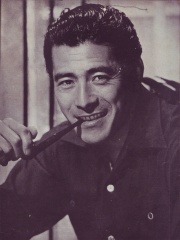
Toshiro Mifune
ACTOR
1920 - 1997
HPI: 79.11
順位: 32
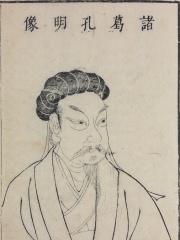
Zhuge Liang
ENGINEER
181 - 234
HPI: 79.02
順位: 33
Kangxi Emperor
POLITICIAN
1654 - 1722
HPI: 78.96
順位: 34
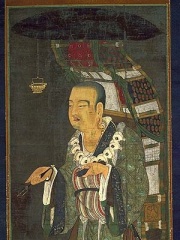
Xuanzang
EXPLORER
602 - 664
HPI: 78.93
順位: 35
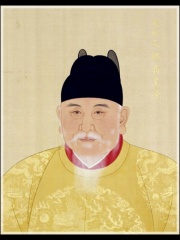
Hongwu Emperor
POLITICIAN
1328 - 1398
HPI: 78.82
順位: 36
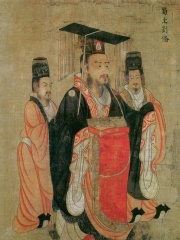
Liu Bei
POLITICIAN
161 - 223
HPI: 78.72
順位: 37
Guan Yu
MILITARY PERSONNEL
162 - 220
HPI: 78.46
順位: 38
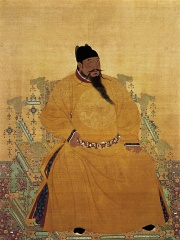
Yongle Emperor
POLITICIAN
1360 - 1424
HPI: 78.44
順位: 39
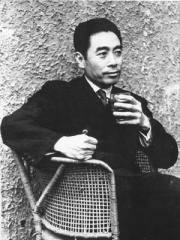
Zhou Enlai
POLITICIAN
1898 - 1976
HPI: 78.26
順位: 40
中国の政治家の中で
中国生まれの政治家の中で、康熙帝は17位です。 彼より上位:Empress Dowager Cixi (1835), Temür Khan (1265), Toghon Temür (1320), Qianlong Emperor (1711), Kanishka (78), 、Jiang Zemin (1926). 彼より下位:Hongwu Emperor (1328), Liu Bei (161), Yongle Emperor (1360), Zhou Enlai (1898), Emperor Taizong of Tang (598), 、Emperor Wu of Han (-156).
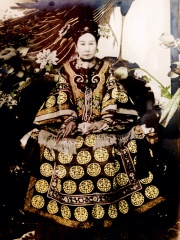
Empress Dowager Cixi
1835 - 1908
HPI: 80.65
順位: 11
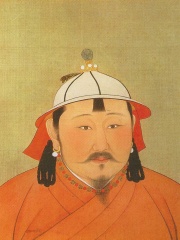
Temür Khan
1265 - 1307
HPI: 79.82
順位: 12
Toghon Temür
1320 - 1370
HPI: 79.46
順位: 13
Qianlong Emperor
1711 - 1799
HPI: 79.27
順位: 14
Kanishka
78 - 144
HPI: 79.23
順位: 15
Jiang Zemin
1926 - 2022
HPI: 79.12
順位: 16
Kangxi Emperor
1654 - 1722
HPI: 78.96
順位: 17
Hongwu Emperor
1328 - 1398
HPI: 78.82
順位: 18
Liu Bei
161 - 223
HPI: 78.72
順位: 19
Yongle Emperor
1360 - 1424
HPI: 78.44
順位: 20
Zhou Enlai
1898 - 1976
HPI: 78.26
順位: 21
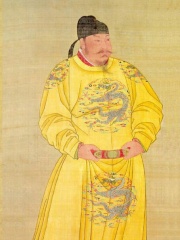
Emperor Taizong of Tang
598 - 649
HPI: 78.06
順位: 22
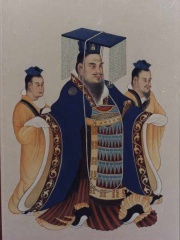
Emperor Wu of Han
156 BC - 87 BC
HPI: 77.80
順位: 23




