Politico
Toghrul
1130 - 1203
VISUALIZZAZIONI SU IT.WIKIPEDIA (PV)
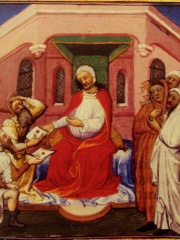
 Toghrul
La sua biografia è disponibile in 29 lingue su Wikipedia. Toghrul è il 1998° politico più popolare (in aumento dal 2179° nel 2024), la 13ª biografia più popolare della Mongolia (in aumento dal 14ª nel 2019) e il 10° politico più popolare della Mongolia.
Metriche di memorabilità
83k
Visualizzazioni
Ultimi 12 mesi
72.19
HPI
Indice di popolarità storica
Dati in evidenza
#6,326
A oltre 8 secoli dalla morte, Toghrul occupa ancora la posizione n. 6,326 tra tutte le personalità di Pantheon.
Visualizzazioni della pagina di Toghrul per lingua
Tra Politico
Tra Politico, Toghrul occupa la posizione 1,997 su 19,576. Prima di lui ci sono Gaston, Duke of Orléans, Abdullah Yusuf Azzam, Anisa Makhlouf, Ismail Ibn Sharif, Keir Starmer, e Uzun Hasan. Dopo di lui ci sono Munjong of Joseon, Olybrius, Robert Ley, Charles II of Naples, Béla I of Hungary, e Catherine Jagiellon.
Politico più popolari su Wikipedia
Vai a tutte le classifiche
Gaston, Duke of Orléans
1608 - 1660
HPI: 72.21
Posizione: 1,992
Abdullah Yusuf Azzam
1941 - 1989
HPI: 72.21
Posizione: 1,993
Anisa Makhlouf
1930 - 2016
HPI: 72.20
Posizione: 1,994
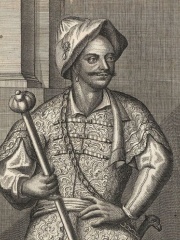
Ismail Ibn Sharif
1646 - 1727
HPI: 72.19
Posizione: 1,995
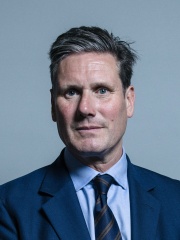
Keir Starmer
1962 - presente
HPI: 72.19
Posizione: 1,996
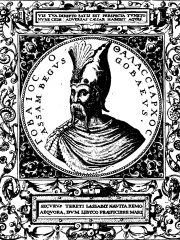
Uzun Hasan
1423 - 1478
HPI: 72.19
Posizione: 1,997
Toghrul
1130 - 1203
HPI: 72.19
Posizione: 1,998

Munjong of Joseon
1414 - 1452
HPI: 72.19
Posizione: 1,999
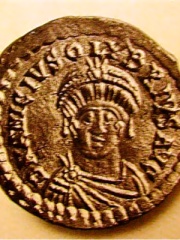
Olybrius
400 - 472
HPI: 72.19
Posizione: 2,000
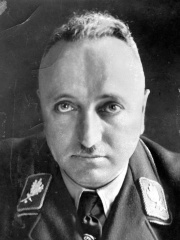
Robert Ley
1890 - 1945
HPI: 72.18
Posizione: 2,001
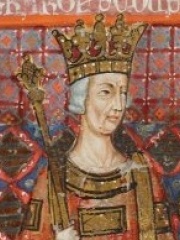
Charles II of Naples
1254 - 1309
HPI: 72.18
Posizione: 2,002
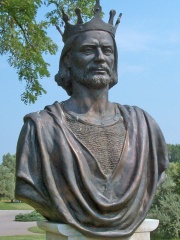
Béla I of Hungary
1016 - 1063
HPI: 72.18
Posizione: 2,003
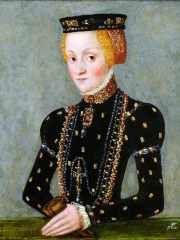
Catherine Jagiellon
1526 - 1583
HPI: 72.18
Posizione: 2,004

Contemporanei
Tra le persone nate nel 1130, Toghrul occupa la posizione 6. Prima di lui ci sono Zhu Xi, Pope Clement III, William of Tyre, Saint Rosalia, e Baldwin III of Jerusalem. Dopo di lui ci sono Géza II of Hungary, Charles VII of Sweden, Rashid ad-Din Sinan, Benjamin of Tudela, Magnus II of Sweden, e Euphrosyne of Kiev. Tra le persone decedute nel 1203, Toghrul occupa la posizione 1. Dopo di lui ci sono Arthur I, Duke of Brittany, Dirk VII, Count of Holland, Eudokia Komnene, Lady of Montpellier, e Alexios Palaiologos.
Altre persone nate nel 1130
Vai a tutte le classifiche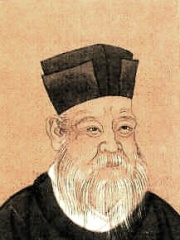
Zhu Xi
PHILOSOPHER
1130 - 1200
HPI: 81.27
Posizione: 1
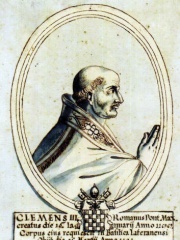
Pope Clement III
RELIGIOUS FIGURE
1130 - 1191
HPI: 76.61
Posizione: 2
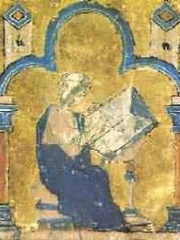
William of Tyre
HISTORIAN
1130 - 1186
HPI: 75.84
Posizione: 3
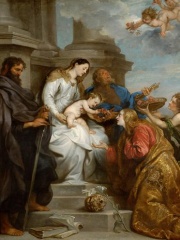
Saint Rosalia
RELIGIOUS FIGURE
1130 - 1166
HPI: 72.61
Posizione: 4
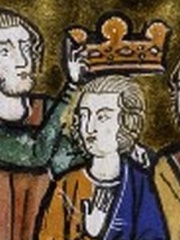
Baldwin III of Jerusalem
POLITICIAN
1130 - 1163
HPI: 72.52
Posizione: 5
Toghrul
POLITICIAN
1130 - 1203
HPI: 72.19
Posizione: 6
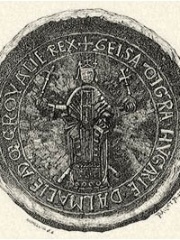
Géza II of Hungary
POLITICIAN
1130 - 1162
HPI: 71.49
Posizione: 7
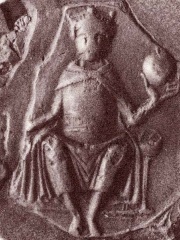
Charles VII of Sweden
POLITICIAN
1130 - 1167
HPI: 69.50
Posizione: 8
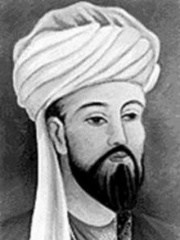
Rashid ad-Din Sinan
SOCIAL ACTIVIST
1130 - 1192
HPI: 68.74
Posizione: 9
Benjamin of Tudela
EXPLORER
1130 - 1173
HPI: 68.08
Posizione: 10
Magnus II of Sweden
POLITICIAN
1130 - 1161
HPI: 68.06
Posizione: 11
Euphrosyne of Kiev
COMPANION
1130 - 1186
HPI: 67.52
Posizione: 12
Altre persone decedute nel 1203
Vai a tutte le classificheToghrul
POLITICIAN
1130 - 1203
HPI: 72.19
Posizione: 1
Arthur I, Duke of Brittany
NOBLEMAN
1187 - 1203
HPI: 66.26
Posizione: 2
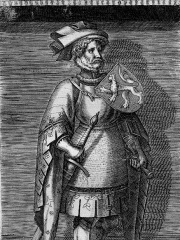
Dirk VII, Count of Holland
POLITICIAN
1200 - 1203
HPI: 62.20
Posizione: 3

Eudokia Komnene, Lady of Montpellier
NOBLEMAN
1162 - 1203
HPI: 56.37
Posizione: 4

Alexios Palaiologos
NOBLEMAN
1200 - 1203
HPI: 54.16
Posizione: 5
In Mongolia
Tra le persone nate in Mongolia, Toghrul occupa la posizione 13 su 71. Prima di lui ci sono Subutai (1175), Modu Chanyu (-234), Berke (1209), Börte (1161), Ariq Böke (1219), e Abaqa Khan (1234). Dopo di lui ci sono Jebe (1137), Sorghaghtani Beki (1190), Damdin Sükhbaatar (1893), Punsalmaagiin Ochirbat (1942), Yumjaagiin Tsedenbal (1916), e Dayan Khan (1464).
Altre persone nate in Mongolia
Vai a tutte le classifiche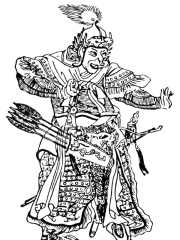
Subutai
MILITARY PERSONNEL
1175 - 1248
HPI: 75.70
Posizione: 7
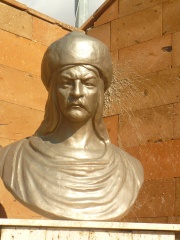
Modu Chanyu
POLITICIAN
234 BC - 174 BC
HPI: 75.23
Posizione: 8
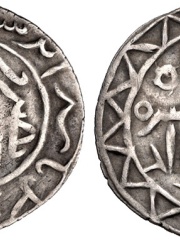
Berke
POLITICIAN
1209 - 1266
HPI: 75.07
Posizione: 9
Börte
POLITICIAN
1161 - 1230
HPI: 74.50
Posizione: 10
Ariq Böke
POLITICIAN
1219 - 1266
HPI: 73.98
Posizione: 11
Abaqa Khan
POLITICIAN
1234 - 1282
HPI: 73.66
Posizione: 12
Toghrul
POLITICIAN
1130 - 1203
HPI: 72.19
Posizione: 13

Jebe
POLITICIAN
1137 - 1225
HPI: 71.90
Posizione: 14
Sorghaghtani Beki
NOBLEMAN
1190 - 1252
HPI: 71.23
Posizione: 15
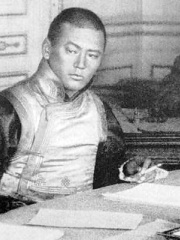
Damdin Sükhbaatar
POLITICIAN
1893 - 1923
HPI: 70.61
Posizione: 16
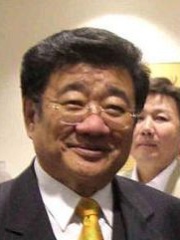
Punsalmaagiin Ochirbat
POLITICIAN
1942 - 2025
HPI: 68.80
Posizione: 17
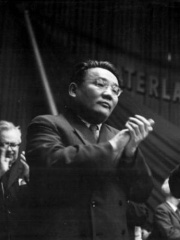
Yumjaagiin Tsedenbal
POLITICIAN
1916 - 1991
HPI: 68.74
Posizione: 18

Dayan Khan
POLITICIAN
1464 - 1517
HPI: 68.05
Posizione: 19
Tra Politico in Mongolia
Tra Politico nati in Mongolia, Toghrul occupa la posizione 10. Prima di lui ci sono Tolui (1191), Modu Chanyu (-234), Berke (1209), Börte (1161), Ariq Böke (1219), e Abaqa Khan (1234). Dopo di lui ci sono Jebe (1137), Damdin Sükhbaatar (1893), Punsalmaagiin Ochirbat (1942), Yumjaagiin Tsedenbal (1916), Dayan Khan (1464), e Baydu (1300).
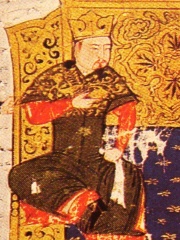
Tolui
1191 - 1232
HPI: 79.05
Posizione: 4
Modu Chanyu
234 BC - 174 BC
HPI: 75.23
Posizione: 5
Berke
1209 - 1266
HPI: 75.07
Posizione: 6
Börte
1161 - 1230
HPI: 74.50
Posizione: 7
Ariq Böke
1219 - 1266
HPI: 73.98
Posizione: 8
Abaqa Khan
1234 - 1282
HPI: 73.66
Posizione: 9
Toghrul
1130 - 1203
HPI: 72.19
Posizione: 10
Jebe
1137 - 1225
HPI: 71.90
Posizione: 11
Damdin Sükhbaatar
1893 - 1923
HPI: 70.61
Posizione: 12
Punsalmaagiin Ochirbat
1942 - 2025
HPI: 68.80
Posizione: 13
Yumjaagiin Tsedenbal
1916 - 1991
HPI: 68.74
Posizione: 14
Dayan Khan
1464 - 1517
HPI: 68.05
Posizione: 15
Baydu
1300 - 1295
HPI: 67.58
Posizione: 16




