Figura religiosa
Rabia di Bassora
710 - 801
VISUALIZZAZIONI SU IT.WIKIPEDIA (PV)
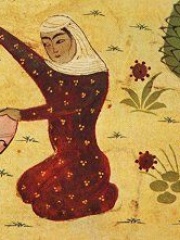
 Rabia di Bassora
La sua biografia è disponibile in 53 lingue su Wikipedia (in aumento rispetto a 50 nel 2024). Rabia di Bassora è la 253ª figura religiosa più popolare (in calo dal 157ª nel 2024), la 12ª biografia più popolare dell'Iraq (in aumento dal 15ª nel 2019) e la 4ª figura religiosa più popolare dell'Iraq.
Metriche di memorabilità
280k
Visualizzazioni
Ultimi 12 mesi
78.81
HPI
Indice di popolarità storica
Dati in evidenza
#12 / 414
Rabia di Bassora occupa la posizione n. 12 tra le 414 persone di Pantheon nate in Iraq, nel 3% più alto del gruppo.
Visualizzazioni della pagina di Rabia di Bassora per lingua
Tra Figura religiosa
Tra Figura religiosa, Rabia di Bassora occupa la posizione 253 su 3,189. Prima di lei ci sono Pope John XV, Pope Paschal II, Pope Urban VI, Joachim, Pope Lucius II, e Pope Gelasius I. Dopo di lei ci sono Ānanda, Pope Honorius IV, Pope Adrian II, Pope Paschal I, Pope Gelasius II, e Isidore of Seville.
Figura religiosa più popolari su Wikipedia
Vai a tutte le classifiche
Pope John XV
1000 - 996
HPI: 78.97
Posizione: 247
Pope Paschal II
1050 - 1118
HPI: 78.97
Posizione: 248
Pope Urban VI
1318 - 1389
HPI: 78.96
Posizione: 249

Joachim
100 BC - 10 BC
HPI: 78.87
Posizione: 250
Pope Lucius II
1100 - 1145
HPI: 78.86
Posizione: 251
Pope Gelasius I
410 - 496
HPI: 78.82
Posizione: 252
Rabia of Basra
710 - 801
HPI: 78.81
Posizione: 253

Ānanda
600 BC - 500 BC
HPI: 78.77
Posizione: 254
Pope Honorius IV
1210 - 1287
HPI: 78.74
Posizione: 255
Pope Adrian II
792 - 872
HPI: 78.71
Posizione: 256
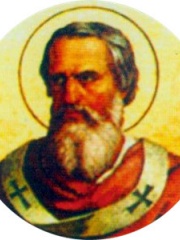
Pope Paschal I
775 - 824
HPI: 78.70
Posizione: 257
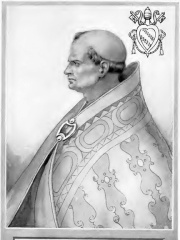
Pope Gelasius II
1062 - 1119
HPI: 78.70
Posizione: 258

Isidore of Seville
560 - 636
HPI: 78.62
Posizione: 259

Contemporanei
Tra le persone nate nel 710, Rabia di Bassora occupa la posizione 1. Dopo di lei ci sono Saint Walpurga, Krum, Desiderius, Carloman, Antipope Constantine II, Sevar of Bulgaria, Aureolus of Aragon, e Lullus. Tra le persone decedute nel 801, Rabia di Bassora occupa la posizione 2. Prima di lei c'è Ragnar Lodbrok. Dopo di lei ci sono Theophano of Athens, Theodote, Bardanes Tourkos, Constantine, Eudokia Dekapolitissa, e Eadberht III Præn.
Altre persone nate nel 710
Vai a tutte le classificheRabia of Basra
RELIGIOUS FIGURE
710 - 801
HPI: 78.81
Posizione: 1

Saint Walpurga
RELIGIOUS FIGURE
710 - 779
HPI: 74.05
Posizione: 2
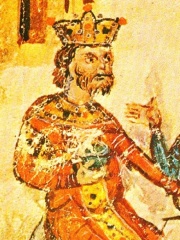
Krum
POLITICIAN
710 - 814
HPI: 73.78
Posizione: 3
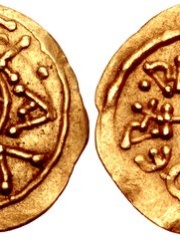
Desiderius
POLITICIAN
710 - 786
HPI: 71.97
Posizione: 4
Carloman
POLITICIAN
710 - 754
HPI: 70.70
Posizione: 5

Antipope Constantine II
POLITICIAN
710 - 800
HPI: 65.76
Posizione: 6

Sevar of Bulgaria
POLITICIAN
710 - 753
HPI: 64.01
Posizione: 7

Aureolus of Aragon
POLITICIAN
710 - 809
HPI: 61.76
Posizione: 8
Lullus
RELIGIOUS FIGURE
710 - 786
HPI: 58.43
Posizione: 9
Altre persone decedute nel 801
Vai a tutte le classifiche
Ragnar Lodbrok
NOBLEMAN
850 - 801
HPI: 83.90
Posizione: 1
Rabia of Basra
RELIGIOUS FIGURE
710 - 801
HPI: 78.81
Posizione: 2

Theophano of Athens
POLITICIAN
701 - 801
HPI: 63.87
Posizione: 3

Theodote
POLITICIAN
780 - 801
HPI: 63.04
Posizione: 4

Bardanes Tourkos
MILITARY PERSONNEL
800 - 801
HPI: 60.17
Posizione: 5
Constantine
POLITICIAN
800 - 801
HPI: 57.79
Posizione: 6
Eudokia Dekapolitissa
POLITICIAN
801 - 801
HPI: 55.70
Posizione: 7
Eadberht III Præn
POLITICIAN
800 - 801
HPI: 51.93
Posizione: 8
In Iraq
Tra le persone nate in Iraq, Rabia di Bassora occupa la posizione 12 su 414. Prima di lei ci sono Abu Hanifa (698), Ibn al-Haytham (965), Möngke Khan (1209), Al-Kindi (801), Ashurbanipal (-685), e Sarah (-1803). Dopo di lei ci sono Al-Masudi (896), Sargon of Akkad (-2300), Fuzûlî (1494), Zaha Hadid (1950), Mani (216), e Nur ad-Din (1116).
Altre persone nate in Iraq
Vai a tutte le classifiche
Abu Hanifa
RELIGIOUS FIGURE
698 - 767
HPI: 83.39
Posizione: 6
Ibn al-Haytham
PHYSICIST
965 - 1039
HPI: 82.42
Posizione: 7
Möngke Khan
POLITICIAN
1209 - 1259
HPI: 82.42
Posizione: 8
Al-Kindi
PHILOSOPHER
801 - 866
HPI: 80.39
Posizione: 9
Ashurbanipal
POLITICIAN
685 BC - 627 BC
HPI: 80.19
Posizione: 10

Sarah
RELIGIOUS FIGURE
1803 BC - 1676 BC
HPI: 79.84
Posizione: 11
Rabia of Basra
RELIGIOUS FIGURE
710 - 801
HPI: 78.81
Posizione: 12
Al-Masudi
WRITER
896 - 956
HPI: 78.74
Posizione: 13
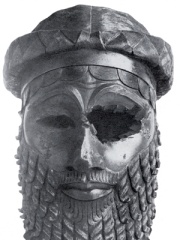
Sargon of Akkad
POLITICIAN
2300 BC - 2215 BC
HPI: 78.68
Posizione: 14
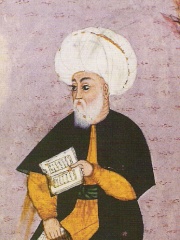
Fuzûlî
WRITER
1494 - 1556
HPI: 78.46
Posizione: 15

Zaha Hadid
ARCHITECT
1950 - 2016
HPI: 78.46
Posizione: 16
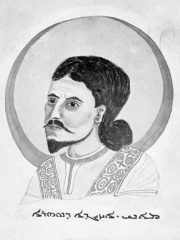
Mani
RELIGIOUS FIGURE
216 - 274
HPI: 78.43
Posizione: 17
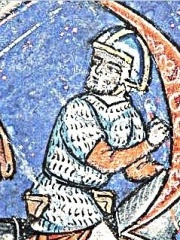
Nur ad-Din
POLITICIAN
1116 - 1174
HPI: 78.41
Posizione: 18
Tra Figura religiosa in Iraq
Tra Figura religiosa nati in Iraq, Rabia di Bassora occupa la posizione 4. Prima di lei ci sono Abraham (-1813), Abu Hanifa (698), e Sarah (-1803). Dopo di lei ci sono Mani (216), Ezra (-500), Muhammad al-Mahdi (869), Belshazzar (-600), Eber (-2038), Junayd of Baghdad (830), Louis Raphaël I Sako (1948), e Ibn Hisham (701).

Abraham
1813 BC - 1638 BC
HPI: 89.99
Posizione: 1
Abu Hanifa
698 - 767
HPI: 83.39
Posizione: 2
Sarah
1803 BC - 1676 BC
HPI: 79.84
Posizione: 3
Rabia of Basra
710 - 801
HPI: 78.81
Posizione: 4
Mani
216 - 274
HPI: 78.43
Posizione: 5
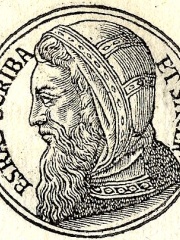
Ezra
500 BC - 401 BC
HPI: 77.65
Posizione: 6
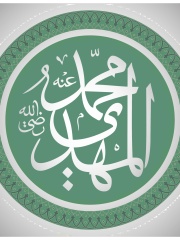
Muhammad al-Mahdi
869 - 941
HPI: 76.87
Posizione: 7

Belshazzar
600 BC - 600 BC
HPI: 75.54
Posizione: 8
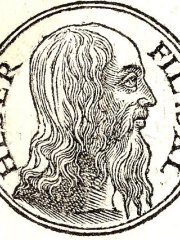
Eber
2038 BC - 1574 BC
HPI: 74.57
Posizione: 9
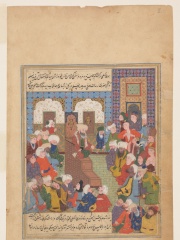
Junayd of Baghdad
830 - 910
HPI: 71.53
Posizione: 10
Louis Raphaël I Sako
1948 - presente
HPI: 70.61
Posizione: 11

Ibn Hisham
701 - 833
HPI: 70.58
Posizione: 12




