Figura religiosa
Papa Marco
290 - 336
VISUALIZZAZIONI SU IT.WIKIPEDIA (PV)
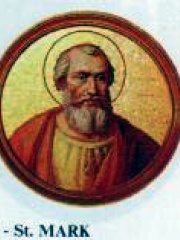
 Papa Marco
La sua biografia è disponibile in 75 lingue su Wikipedia (in aumento rispetto a 74 nel 2024). Papa Marco è il 370° figura religiosa più popolare (in aumento dal 410° nel 2024), la 394ª biografia più popolare dell'Italia (in aumento dal 466ª nel 2019) e il 178° figura religiosa più popolare dell'Italia.
Metriche di memorabilità
120k
Visualizzazioni
Ultimi 12 mesi
76.39
HPI
Indice di popolarità storica
Dati in evidenza
+699
Papa Marco ha guadagnato 699 posizioni nella classifica HPI globale di Pantheon, passando dal n. 3,585 al n. 2,886.
#394 / 5,905
Papa Marco occupa la posizione n. 394 tra le 5,905 persone di Pantheon nate in Italia, nel 7% più alto del gruppo.
75
La biografia di Papa Marco compare in 75 edizioni linguistiche di Wikipedia, più del 95% di tutti i Figura religiosa.
Visualizzazioni della pagina di Papa Marco per lingua
Tra Figura religiosa
Tra Figura religiosa, Papa Marco occupa la posizione 370 su 3,189. Prima di lui ci sono Pope Benedict II, Philip Neri, Pope John I, Pope Dionysius, Pope John IX, e Pope Alexander I of Alexandria. Dopo di lui ci sono Rachel, Pope Stephen IV, Pope Sergius I, Ali ibn Husayn Zayn al-Abidin, Demetrius of Thessaloniki, e Brendan the Navigator.
Figura religiosa più popolari su Wikipedia
Vai a tutte le classifiche
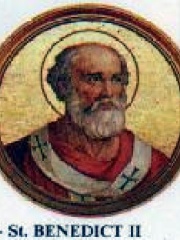
Pope Benedict II
635 - 685
HPI: 76.47
Posizione: 364

Philip Neri
1515 - 1595
HPI: 76.47
Posizione: 365
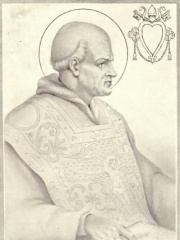
Pope John I
470 - 526
HPI: 76.42
Posizione: 366
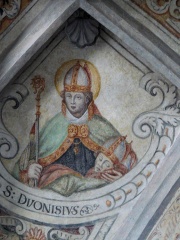
Pope Dionysius
200 - 268
HPI: 76.42
Posizione: 367
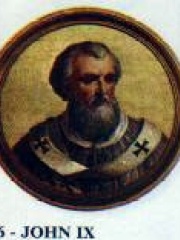
Pope John IX
850 - 900
HPI: 76.41
Posizione: 368
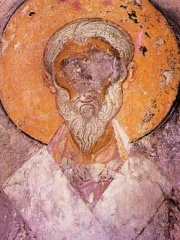
Pope Alexander I of Alexandria
250 - 326
HPI: 76.40
Posizione: 369
Pope Mark
290 - 336
HPI: 76.39
Posizione: 370
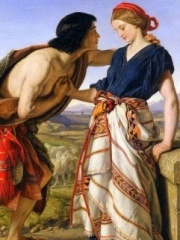
Rachel
3500 BC - 1553 BC
HPI: 76.38
Posizione: 371
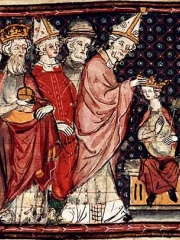
Pope Stephen IV
770 - 817
HPI: 76.36
Posizione: 372
Pope Sergius I
650 - 701
HPI: 76.34
Posizione: 373
Ali ibn Husayn Zayn al-Abidin
659 - 713
HPI: 76.32
Posizione: 374
Demetrius of Thessaloniki
270 - 306
HPI: 76.26
Posizione: 375
Brendan the Navigator
486 - 577
HPI: 76.25
Posizione: 376

Contemporanei
Tra le persone nate nel 290, Papa Marco occupa la posizione 2. Prima di lui c'è Vitus. Dopo di lui ci sono Pappus of Alexandria, Eulalia of Mérida, Emperor Nintoku, Eulalia of Barcelona, Flavia Julia Constantia, Saint Faith, e Titus Calpurnius Siculus. Tra le persone decedute nel 336, Papa Marco occupa la posizione 2. Prima di lui c'è Arius.
Altre persone nate nel 290
Vai a tutte le classifiche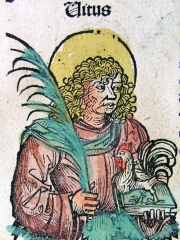
Vitus
RELIGIOUS FIGURE
290 - 303
HPI: 78.41
Posizione: 1
Pope Mark
RELIGIOUS FIGURE
290 - 336
HPI: 76.39
Posizione: 2

Pappus of Alexandria
MATHEMATICIAN
290 - 350
HPI: 73.72
Posizione: 3
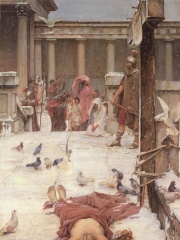
Eulalia of Mérida
RELIGIOUS FIGURE
290 - 304
HPI: 70.29
Posizione: 4

Emperor Nintoku
POLITICIAN
290 - 399
HPI: 70.12
Posizione: 5
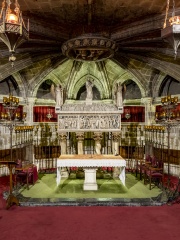
Eulalia of Barcelona
RELIGIOUS FIGURE
290 - 303
HPI: 68.51
Posizione: 6
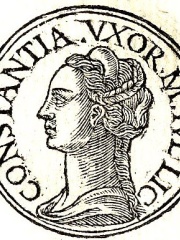
Flavia Julia Constantia
POLITICIAN
290 - 330
HPI: 61.34
Posizione: 7
Saint Faith
RELIGIOUS FIGURE
290 - 303
HPI: 61.27
Posizione: 8

Titus Calpurnius Siculus
WRITER
290 - presente
HPI: 58.21
Posizione: 9
Altre persone decedute nel 336
Vai a tutte le classifiche
In Italia
Tra le persone nate in Italia, Papa Marco occupa la posizione 394 su 5,905. Prima di lui ci sono Sallust (-86), Man in the Iron Mask (1640), Pope John I (470), Claudio Abbado (1933), Pope John IX (850), e Charles IV of Spain (1748). Dopo di lui ci sono Gallienus (218), Antonio Canova (1757), Pope Stephen IV (770), Gaius Octavius (-100), Pope Sergius I (650), e Filippo Lippi (1406).
Altre persone nate in Italia
Vai a tutte le classifiche
Sallust
WRITER
86 BC - 34 BC
HPI: 76.43
Posizione: 388
Man in the Iron Mask
EXTREMIST
1640 - 1703
HPI: 76.42
Posizione: 389
Pope John I
RELIGIOUS FIGURE
470 - 526
HPI: 76.42
Posizione: 390
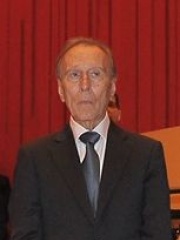
Claudio Abbado
CONDUCTOR
1933 - 2014
HPI: 76.41
Posizione: 391
Pope John IX
RELIGIOUS FIGURE
850 - 900
HPI: 76.41
Posizione: 392
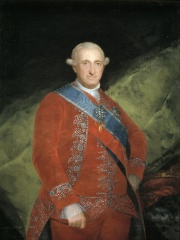
Charles IV of Spain
POLITICIAN
1748 - 1819
HPI: 76.39
Posizione: 393
Pope Mark
RELIGIOUS FIGURE
290 - 336
HPI: 76.39
Posizione: 394
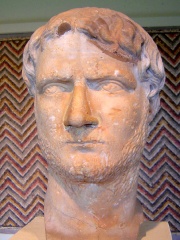
Gallienus
POLITICIAN
218 - 268
HPI: 76.39
Posizione: 395
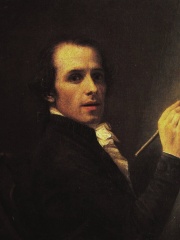
Antonio Canova
SCULPTOR
1757 - 1822
HPI: 76.37
Posizione: 396
Pope Stephen IV
RELIGIOUS FIGURE
770 - 817
HPI: 76.36
Posizione: 397
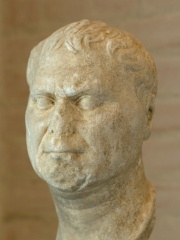
Gaius Octavius
POLITICIAN
100 BC - 58 BC
HPI: 76.35
Posizione: 398
Pope Sergius I
RELIGIOUS FIGURE
650 - 701
HPI: 76.34
Posizione: 399
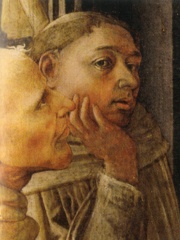
Filippo Lippi
PAINTER
1406 - 1469
HPI: 76.31
Posizione: 400
Tra Figura religiosa in Italia
Tra Figura religiosa nati in Italia, Papa Marco occupa la posizione 178. Prima di lui ci sono Pope Pelagius I (505), Charles Borromeo (1538), Pope Benedict II (635), Philip Neri (1515), Pope John I (470), e Pope John IX (850). Dopo di lui ci sono Pope Stephen IV (770), Pope Sergius I (650), Pope Theodore II (840), Pope Celestine II (1100), Pope Nicholas IV (1227), e Pope Boniface IV (550).
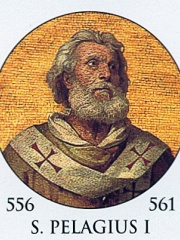
Pope Pelagius I
505 - 561
HPI: 76.56
Posizione: 172
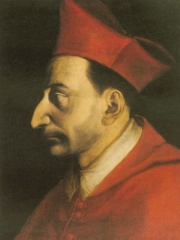
Charles Borromeo
1538 - 1584
HPI: 76.50
Posizione: 173
Pope Benedict II
635 - 685
HPI: 76.47
Posizione: 174
Philip Neri
1515 - 1595
HPI: 76.47
Posizione: 175
Pope John I
470 - 526
HPI: 76.42
Posizione: 176
Pope John IX
850 - 900
HPI: 76.41
Posizione: 177
Pope Mark
290 - 336
HPI: 76.39
Posizione: 178
Pope Stephen IV
770 - 817
HPI: 76.36
Posizione: 179
Pope Sergius I
650 - 701
HPI: 76.34
Posizione: 180
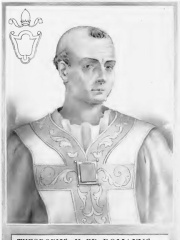
Pope Theodore II
840 - 897
HPI: 76.21
Posizione: 181
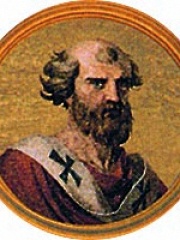
Pope Celestine II
1100 - 1144
HPI: 76.17
Posizione: 182
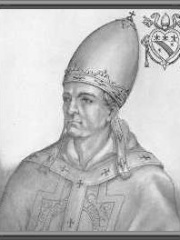
Pope Nicholas IV
1227 - 1292
HPI: 76.17
Posizione: 183
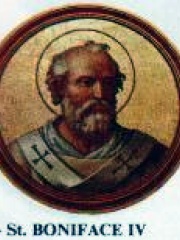
Pope Boniface IV
550 - 615
HPI: 76.15
Posizione: 184




