Fisico
Philipp von Lenard
1862 - 1947
VISUALIZZAZIONI SU IT.WIKIPEDIA (PV)
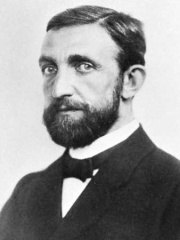
 Philipp von Lenard
La sua biografia è disponibile in 94 lingue su Wikipedia (in aumento rispetto a 90 nel 2024). Philipp von Lenard è il 70° fisico più popolare (in calo dal 45° nel 2024), la 3ª biografia più popolare della Slovacchia e il fisico più popolare della Slovacchia.
Metriche di memorabilità
110k
Visualizzazioni
Ultimi 12 mesi
77.85
HPI
Indice di popolarità storica
Dati in evidenza
#3 / 516
Philipp von Lenard occupa la posizione n. 3 tra le 516 persone di Pantheon nate in Slovacchia, nel 1% più alto del gruppo.
94
La biografia di Philipp von Lenard compare in 94 edizioni linguistiche di Wikipedia, più del 95% di tutti i Fisico.
Visualizzazioni della pagina di Philipp von Lenard per lingua
Tra Fisico
Tra Fisico, Philipp von Lenard occupa la posizione 70 su 863. Prima di lui ci sono Heike Kamerlingh Onnes, Max Born, Charles Glover Barkla, Paul Dirac, Léon Foucault, e Norman Foster Ramsey Jr.. Dopo di lui ci sono Lev Landau, Frédéric Joliot-Curie, Ludwig Boltzmann, Max von Laue, Johannes Diderik van der Waals, e Edward Teller.
Fisico più popolari su Wikipedia
Vai a tutte le classifiche
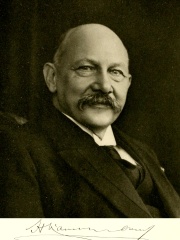
Heike Kamerlingh Onnes
1853 - 1926
HPI: 78.07
Posizione: 64
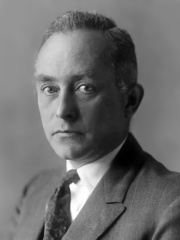
Max Born
1882 - 1970
HPI: 78.04
Posizione: 65
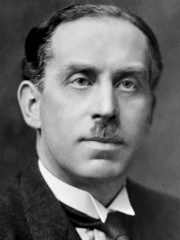
Charles Glover Barkla
1877 - 1944
HPI: 78.02
Posizione: 66
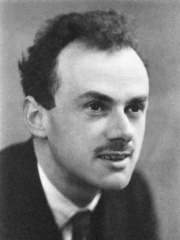
Paul Dirac
1902 - 1984
HPI: 77.91
Posizione: 67
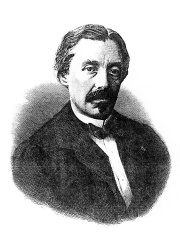
Léon Foucault
1819 - 1868
HPI: 77.89
Posizione: 68
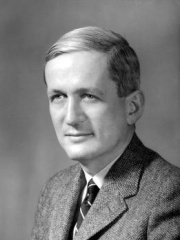
Norman Foster Ramsey Jr.
1915 - 2011
HPI: 77.88
Posizione: 69
Philipp Lenard
1862 - 1947
HPI: 77.85
Posizione: 70
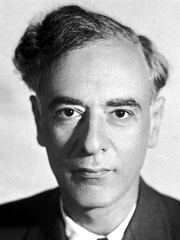
Lev Landau
1908 - 1968
HPI: 77.61
Posizione: 71
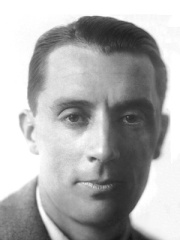
Frédéric Joliot-Curie
1900 - 1958
HPI: 77.57
Posizione: 72
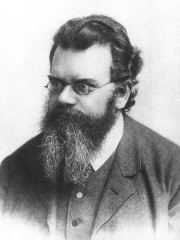
Ludwig Boltzmann
1844 - 1906
HPI: 77.57
Posizione: 73
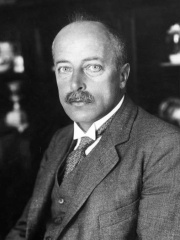
Max von Laue
1879 - 1960
HPI: 77.54
Posizione: 74
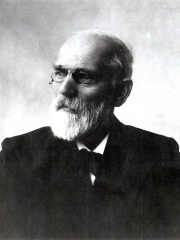
Johannes Diderik van der Waals
1837 - 1923
HPI: 77.51
Posizione: 75
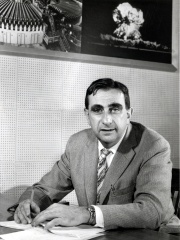
Edward Teller
1908 - 2003
HPI: 77.35
Posizione: 76

Contemporanei
Tra le persone nate nel 1862, Philipp von Lenard occupa la posizione 5. Prima di lui ci sono Gustav Klimt, Claude Debussy, Maurice Maeterlinck, e David Hilbert. Dopo di lui ci sono Gerhart Hauptmann, Allvar Gullstrand, William Henry Bragg, Hilma af Klint, O. Henry, Aristide Briand, e Arthur Schnitzler. Tra le persone decedute nel 1947, Philipp von Lenard occupa la posizione 8. Prima di lui ci sono Aleister Crowley, Henry Ford, Al Capone, Christian X of Denmark, Rudolf Höss, e Victor Emmanuel III of Italy. Dopo di lui ci sono Prince Gustaf Adolf, Duke of Västerbotten, George II of Greece, Kurt Lewin, Jozef Tiso, Raoul Wallenberg, e Pierre Bonnard.
Altre persone nate nel 1862
Vai a tutte le classifiche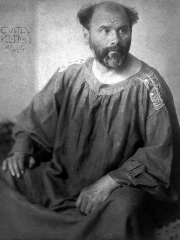
Gustav Klimt
PAINTER
1862 - 1918
HPI: 84.52
Posizione: 1
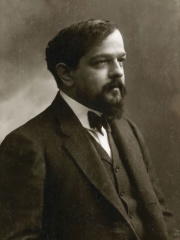
Claude Debussy
COMPOSER
1862 - 1918
HPI: 82.99
Posizione: 2
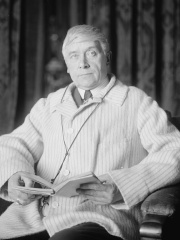
Maurice Maeterlinck
WRITER
1862 - 1949
HPI: 82.17
Posizione: 3
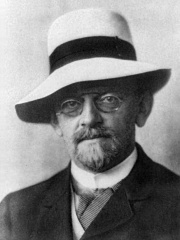
David Hilbert
MATHEMATICIAN
1862 - 1943
HPI: 81.20
Posizione: 4
Philipp Lenard
PHYSICIST
1862 - 1947
HPI: 77.85
Posizione: 5
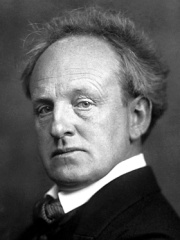
Gerhart Hauptmann
WRITER
1862 - 1946
HPI: 76.95
Posizione: 6
Allvar Gullstrand
PHYSICIAN
1862 - 1930
HPI: 76.64
Posizione: 7
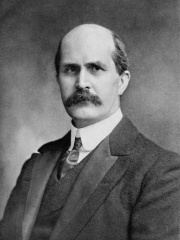
William Henry Bragg
PHYSICIST
1862 - 1942
HPI: 75.99
Posizione: 8
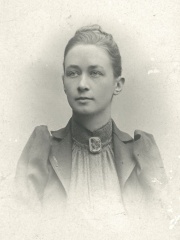
Hilma af Klint
PAINTER
1862 - 1944
HPI: 74.88
Posizione: 9
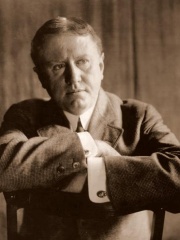
O. Henry
WRITER
1862 - 1910
HPI: 74.72
Posizione: 10
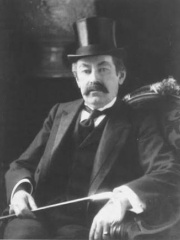
Aristide Briand
POLITICIAN
1862 - 1932
HPI: 74.61
Posizione: 11
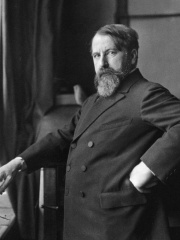
Arthur Schnitzler
WRITER
1862 - 1931
HPI: 74.59
Posizione: 12
Altre persone decedute nel 1947
Vai a tutte le classifiche
Aleister Crowley
OCCULTIST
1875 - 1947
HPI: 83.14
Posizione: 2

Henry Ford
INVENTOR
1863 - 1947
HPI: 82.33
Posizione: 3
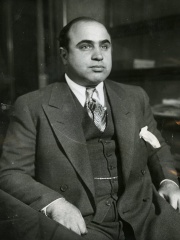
Al Capone
MAFIOSO
1899 - 1947
HPI: 81.56
Posizione: 4
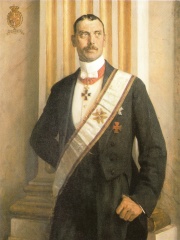
Christian X of Denmark
POLITICIAN
1870 - 1947
HPI: 81.17
Posizione: 5
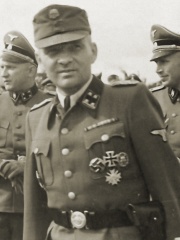
Rudolf Höss
POLITICIAN
1901 - 1947
HPI: 80.26
Posizione: 6
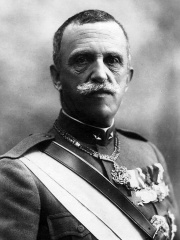
Victor Emmanuel III of Italy
POLITICIAN
1869 - 1947
HPI: 80.05
Posizione: 7
Philipp Lenard
PHYSICIST
1862 - 1947
HPI: 77.85
Posizione: 8
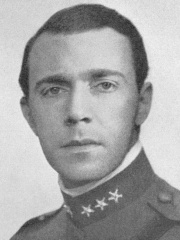
Prince Gustaf Adolf, Duke of Västerbotten
NOBLEMAN
1906 - 1947
HPI: 76.63
Posizione: 9

George II of Greece
POLITICIAN
1890 - 1947
HPI: 75.76
Posizione: 10

Kurt Lewin
PSYCHOLOGIST
1890 - 1947
HPI: 75.66
Posizione: 11
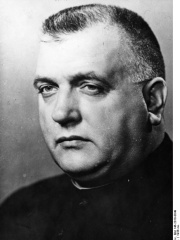
Jozef Tiso
POLITICIAN
1887 - 1947
HPI: 75.55
Posizione: 12
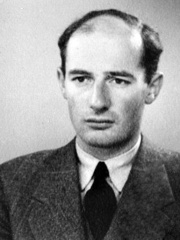
Raoul Wallenberg
DIPLOMAT
1912 - 1947
HPI: 75.53
Posizione: 13

Pierre Bonnard
PAINTER
1867 - 1947
HPI: 75.05
Posizione: 14
In Slovacchia
Tra le persone nate in Slovacchia, Philipp von Lenard occupa la posizione 3 su 516. Prima di lui ci sono Alexander Dubček (1921), e Elizabeth of Hungary (1207). Dopo di lui ci sono Gyula Andrássy (1823), Jozef Tiso (1887), Gustáv Husák (1913), Francis II Rákóczi (1676), Johann Nepomuk Hummel (1778), Ferenc Szálasi (1897), Robert Fico (1964), Béla I of Hungary (1016), e Rudolf von Laban (1879).
Altre persone nate in Slovacchia
Vai a tutte le classifiche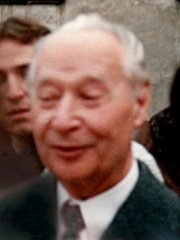
Alexander Dubček
POLITICIAN
1921 - 1992
HPI: 80.13
Posizione: 1
Elizabeth of Hungary
RELIGIOUS FIGURE
1207 - 1231
HPI: 77.89
Posizione: 2
Philipp Lenard
PHYSICIST
1862 - 1947
HPI: 77.85
Posizione: 3
Gyula Andrássy
POLITICIAN
1823 - 1890
HPI: 75.56
Posizione: 4
Jozef Tiso
POLITICIAN
1887 - 1947
HPI: 75.55
Posizione: 5
Gustáv Husák
POLITICIAN
1913 - 1991
HPI: 74.65
Posizione: 6
Francis II Rákóczi
POLITICIAN
1676 - 1735
HPI: 73.64
Posizione: 7
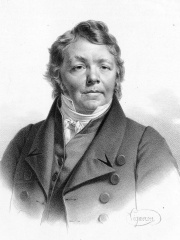
Johann Nepomuk Hummel
COMPOSER
1778 - 1837
HPI: 73.38
Posizione: 8
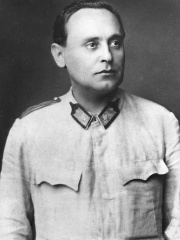
Ferenc Szálasi
POLITICIAN
1897 - 1946
HPI: 73.08
Posizione: 9
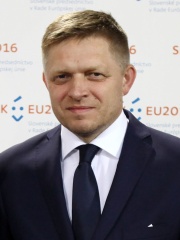
Robert Fico
POLITICIAN
1964 - presente
HPI: 73.08
Posizione: 10
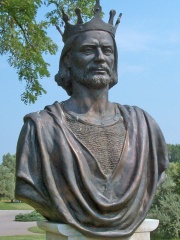
Béla I of Hungary
POLITICIAN
1016 - 1063
HPI: 72.18
Posizione: 11
Rudolf von Laban
POLITICIAN
1879 - 1958
HPI: 72.03
Posizione: 12
Tra Fisico in Slovacchia
Tra Fisico nati in Slovacchia, Philipp von Lenard occupa la posizione 1. Dopo di lui ci sono Johann Andreas Segner (1704), e Ányos Jedlik (1800).
Philipp Lenard
1862 - 1947
HPI: 77.85
Posizione: 1
Johann Andreas Segner
1704 - 1777
HPI: 62.64
Posizione: 2
Ányos Jedlik
1800 - 1895
HPI: 62.52
Posizione: 3




