Физик
Теллер, Эдвард
1908 - 2003
ПРОСМОТРЫ RU.WIKIPEDIA (PV)
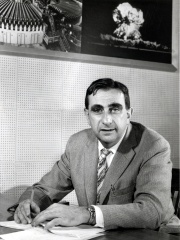
 Теллер, Эдвард
Его биография доступна на 72 различных языках в Википедии (рост с 71 в 2024 году). Теллер, Эдвард занимает 76-е место среди самых популярных физик (снижение с 26-е места в 2024 году), занимает 20-е место среди самых популярных биографий из Венгрии (снижение с 6-е места в 2019 году) и занимает 2-е место среди физик Венгрия.
Метрики памятности
1.1M
Просмотры страниц
За последние 12 месяцев
77.35
HPI
Индекс исторической популярности
Просмотры страницы Теллер, Эдвард по языкам
Среди представителей профессии «Физик»
Среди представителей профессии «Физик» Теллер, Эдвард занимает 76-е место из 851. Перед ним идут Philipp Lenard, Lev Landau, Frédéric Joliot-Curie, Ludwig Boltzmann, Max von Laue, и Johannes Diderik van der Waals. После него идут James Chadwick, Hermann von Helmholtz, Christian Doppler, Ernst Mach, Manne Siegbahn, и Luis Walter Alvarez.
Самые популярные в Википедии: Физик
Все рейтинги
Philipp Lenard
1862 - 1947
HPI: 77.85
Место: 70
Lev Landau
1908 - 1968
HPI: 77.61
Место: 71
Frédéric Joliot-Curie
1900 - 1958
HPI: 77.57
Место: 72
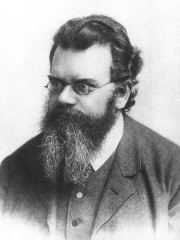
Ludwig Boltzmann
1844 - 1906
HPI: 77.57
Место: 73
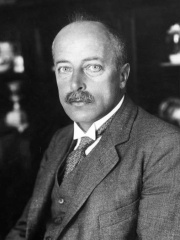
Max von Laue
1879 - 1960
HPI: 77.54
Место: 74
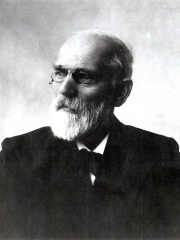
Johannes Diderik van der Waals
1837 - 1923
HPI: 77.51
Место: 75
Edward Teller
1908 - 2003
HPI: 77.35
Место: 76
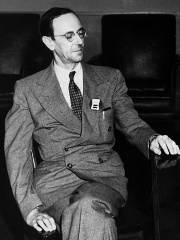
James Chadwick
1891 - 1974
HPI: 77.34
Место: 77
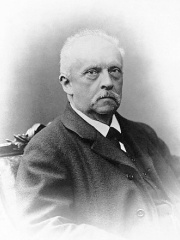
Hermann von Helmholtz
1821 - 1894
HPI: 77.32
Место: 78
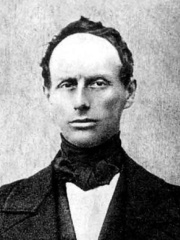
Christian Doppler
1803 - 1853
HPI: 77.27
Место: 79
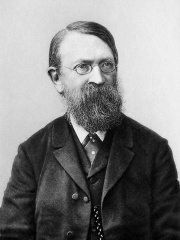
Ernst Mach
1838 - 1916
HPI: 77.25
Место: 80
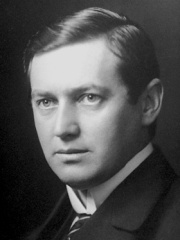
Manne Siegbahn
1886 - 1978
HPI: 77.16
Место: 81
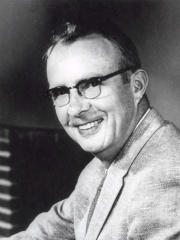
Luis Walter Alvarez
1911 - 1988
HPI: 76.99
Место: 82

Современники
Среди людей, родившихся в 1908 году, Теллер, Эдвард занимает 13-е место. Перед ним идут Claude Lévi-Strauss, Lyndon B. Johnson, Herbert von Karajan, Lev Landau, Otto Skorzeny, и Amon Göth. После него идут Willard Van Orman Quine, Olivier Messiaen, Hannes Alfvén, Henri Cartier-Bresson, Don Bradman, и Maurice Merleau-Ponty. Среди людей, умерших в 2003 году, Теллер, Эдвард занимает 6-е место. Перед ним идут Charles Bronson, Leni Riefenstahl, Katharine Hepburn, Idi Amin, и Heydar Aliyev. После него идут Johnny Cash, Gregory Peck, Alija Izetbegović, Barry White, Robert K. Merton, и Maurice Gibb.
Другие люди, родившиеся в 1908 году
Все рейтинги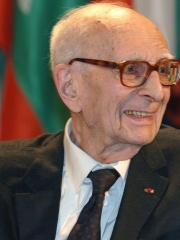
Claude Lévi-Strauss
ANTHROPOLOGIST
1908 - 2009
HPI: 79.97
Место: 7
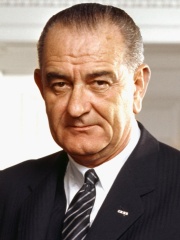
Lyndon B. Johnson
POLITICIAN
1908 - 1973
HPI: 79.76
Место: 8
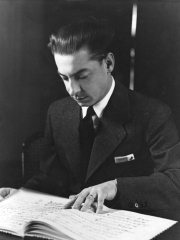
Herbert von Karajan
CONDUCTOR
1908 - 1989
HPI: 79.60
Место: 9
Lev Landau
PHYSICIST
1908 - 1968
HPI: 77.61
Место: 10
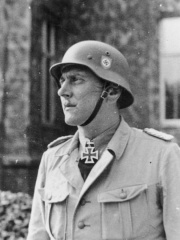
Otto Skorzeny
MILITARY PERSONNEL
1908 - 1975
HPI: 77.53
Место: 11

Amon Göth
EXTREMIST
1908 - 1946
HPI: 77.38
Место: 12
Edward Teller
PHYSICIST
1908 - 2003
HPI: 77.35
Место: 13
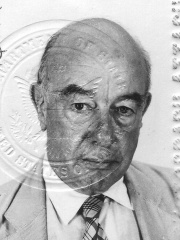
Willard Van Orman Quine
PHILOSOPHER
1908 - 2000
HPI: 77.28
Место: 14
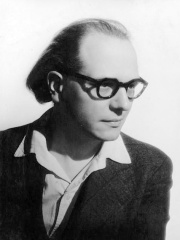
Olivier Messiaen
COMPOSER
1908 - 1992
HPI: 75.67
Место: 15
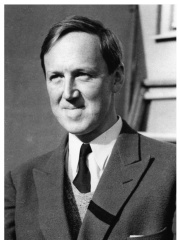
Hannes Alfvén
PHYSICIST
1908 - 1995
HPI: 75.49
Место: 16
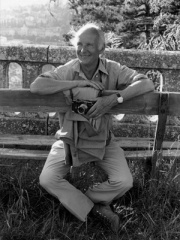
Henri Cartier-Bresson
PHOTOGRAPHER
1908 - 2004
HPI: 75.13
Место: 17
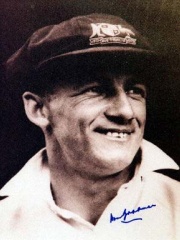
Don Bradman
CRICKETER
1908 - 2001
HPI: 74.98
Место: 18
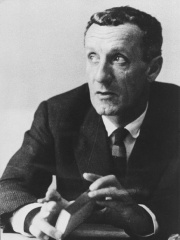
Maurice Merleau-Ponty
PHILOSOPHER
1908 - 1961
HPI: 74.84
Место: 19
Другие люди, умершие в 2003 году
Все рейтинги
Charles Bronson
ACTOR
1921 - 2003
HPI: 79.90
Место: 1
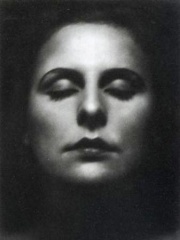
Leni Riefenstahl
FILM DIRECTOR
1902 - 2003
HPI: 78.74
Место: 2

Katharine Hepburn
ACTOR
1907 - 2003
HPI: 78.63
Место: 3
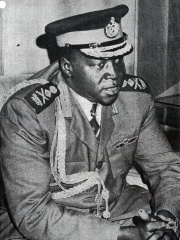
Idi Amin
POLITICIAN
1923 - 2003
HPI: 78.16
Место: 4

Heydar Aliyev
POLITICIAN
1923 - 2003
HPI: 77.80
Место: 5
Edward Teller
PHYSICIST
1908 - 2003
HPI: 77.35
Место: 6
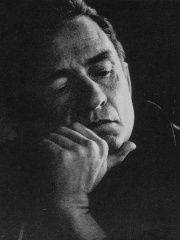
Johnny Cash
SINGER
1932 - 2003
HPI: 77.25
Место: 7
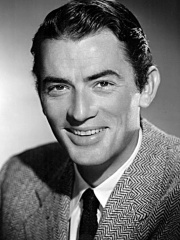
Gregory Peck
ACTOR
1916 - 2003
HPI: 77.04
Место: 8
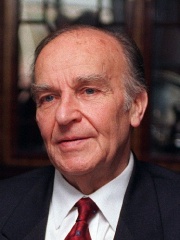
Alija Izetbegović
POLITICIAN
1925 - 2003
HPI: 76.98
Место: 9
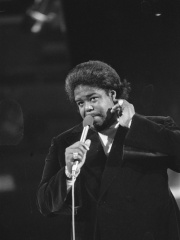
Barry White
SINGER
1944 - 2003
HPI: 76.76
Место: 10
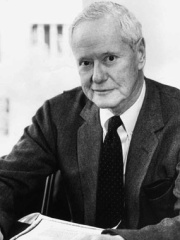
Robert K. Merton
SOCIOLOGIST
1910 - 2003
HPI: 76.49
Место: 11

Maurice Gibb
MUSICIAN
1949 - 2003
HPI: 76.11
Место: 12
В стране Венгрия
Среди людей, родившихся в стране Венгрия, Теллер, Эдвард занимает 20-е место из NaN. Перед ним идут Harry Houdini (1874), Archduchess Marie Valerie of Austria (1868), Louis I of Hungary (1326), Leo Szilard (1898), Imre Kertész (1929), и Imre Nagy (1896). После него идут Árpád (845), Franz Lehár (1870), John Zápolya (1487), Robert Capa (1913), Edgar Ætheling (1051), и Jadwiga of Poland (1374).
Другие люди, родившиеся в стране Венгрия
Все рейтинги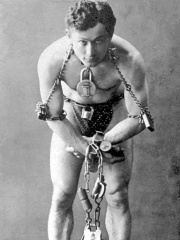
Harry Houdini
MAGICIAN
1874 - 1926
HPI: 78.67
Место: 14
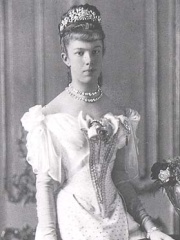
Archduchess Marie Valerie of Austria
POLITICIAN
1868 - 1924
HPI: 78.56
Место: 15
Louis I of Hungary
POLITICIAN
1326 - 1382
HPI: 78.33
Место: 16
Leo Szilard
PHYSICIST
1898 - 1964
HPI: 78.22
Место: 17
Imre Kertész
WRITER
1929 - 2016
HPI: 78.20
Место: 18
Imre Nagy
POLITICIAN
1896 - 1958
HPI: 77.93
Место: 19
Edward Teller
PHYSICIST
1908 - 2003
HPI: 77.35
Место: 20
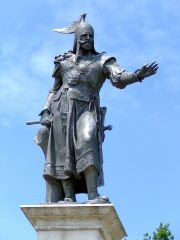
Árpád
POLITICIAN
845 - 907
HPI: 77.15
Место: 21
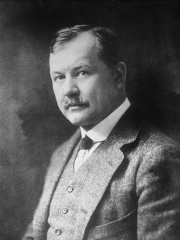
Franz Lehár
COMPOSER
1870 - 1948
HPI: 76.92
Место: 22
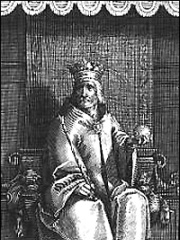
John Zápolya
POLITICIAN
1487 - 1540
HPI: 76.89
Место: 23
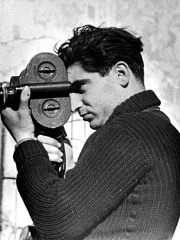
Robert Capa
JOURNALIST
1913 - 1954
HPI: 76.53
Место: 24

Edgar Ætheling
NOBLEMAN
1051 - 1200
HPI: 76.44
Место: 25
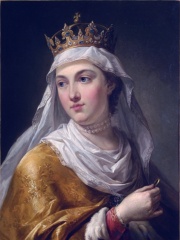
Jadwiga of Poland
POLITICIAN
1374 - 1399
HPI: 76.40
Место: 26
Среди представителей профессии «Физик» в стране Венгрия
Среди представителей профессии «Физик», родившихся в стране Венгрия, Теллер, Эдвард занимает 2-е место. Перед ним идёт Leo Szilard (1898). После него идут Eugene Wigner (1902), Dennis Gabor (1900), Georg von Békésy (1899), Arpad Elo (1903), Ferenc Krausz (1962), Nicholas Kurti (1908), Zoltán Lajos Bay (1900), Valentine Telegdi (1922), и Egon Orowan (1902).
Leo Szilard
1898 - 1964
HPI: 78.22
Место: 1
Edward Teller
1908 - 2003
HPI: 77.35
Место: 2
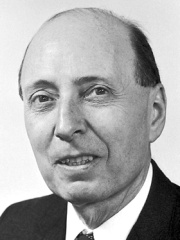
Eugene Wigner
1902 - 1995
HPI: 75.92
Место: 3
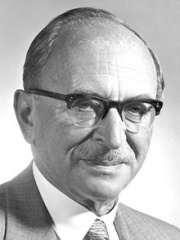
Dennis Gabor
1900 - 1979
HPI: 75.48
Место: 4
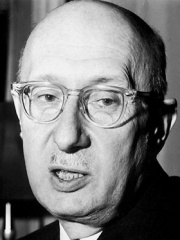
Georg von Békésy
1899 - 1972
HPI: 72.06
Место: 5
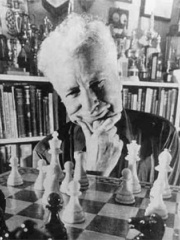
Arpad Elo
1903 - 1992
HPI: 63.56
Место: 6
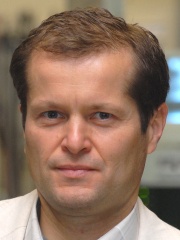
Ferenc Krausz
1962 - наст. время
HPI: 61.82
Место: 7

Nicholas Kurti
1908 - 1998
HPI: 55.26
Место: 8
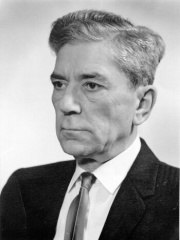
Zoltán Lajos Bay
1900 - 1992
HPI: 54.94
Место: 9
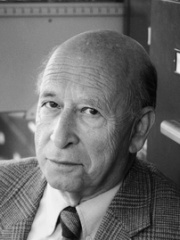
Valentine Telegdi
1922 - 2006
HPI: 53.87
Место: 10
Egon Orowan
1902 - 1989
HPI: 52.31
Место: 11




