Építész
Marcus Vitruvius Pollio
75 BC - 15 BC
HU.WIKIPEDIA OLDALMEGTEKINTÉSEK (PV)
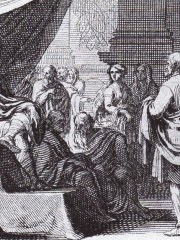
 Marcus Vitruvius Pollio
Életrajza 78 különböző nyelven érhető el a Wikipédián (növekedés 77-ről 2024-ben). Marcus Vitruvius Pollio a 5th legnépszerűbb építész (csökkenés a 4th-ről 2024-ben), a 118th legnépszerűbb életrajz Olaszország országából (csökkenés a 74th-ről 2019-ben) és a 2nd legnépszerűbb Olaszországból építész.
Ismertségi mutatók
460k
Oldalmegtekintések
Elmúlt 12 hónap
82.46
HPI
Történelmi népszerűségi index
Marcus Vitruvius Pollio oldalmegtekintései nyelvenként
A(z) Építész között
A(z) Építész között Marcus Vitruvius Pollio a(z) 5. helyen áll 518 közül. Előtte állnak: Antoni Gaudí, Le Corbusier, Khufu, és Gian Lorenzo Bernini. Utána következnek: Ludwig Mies van der Rohe, Mimar Sinan, Alvar Aalto, Donato Bramante, Andrea Palladio, Albert Speer, és Leon Battista Alberti.
A legnépszerűbb Építész a Wikipédián
Összes rangsor megtekintése
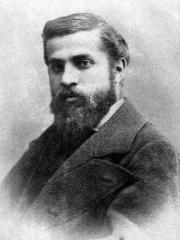
Antoni Gaudí
1852 - 1926
HPI: 86.92
Helyezés: 1
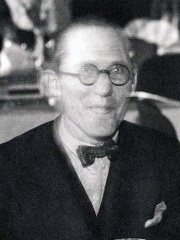
Le Corbusier
1887 - 1965
HPI: 86.85
Helyezés: 2
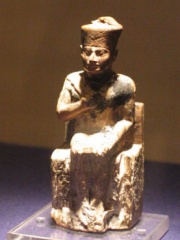
Khufu
2700 BC - 2570 BC
HPI: 86.57
Helyezés: 3
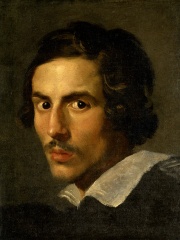
Gian Lorenzo Bernini
1598 - 1680
HPI: 83.54
Helyezés: 4
Vitruvius
75 BC - 15 BC
HPI: 82.46
Helyezés: 5
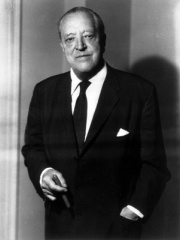
Ludwig Mies van der Rohe
1886 - 1969
HPI: 81.84
Helyezés: 6
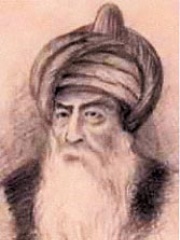
Mimar Sinan
1490 - 1588
HPI: 81.67
Helyezés: 7
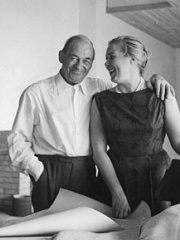
Alvar Aalto
1898 - 1976
HPI: 81.52
Helyezés: 8
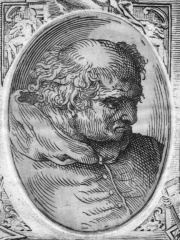
Donato Bramante
1443 - 1514
HPI: 81.20
Helyezés: 9
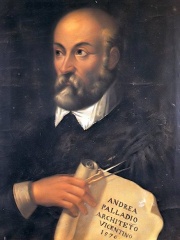
Andrea Palladio
1508 - 1580
HPI: 80.16
Helyezés: 10
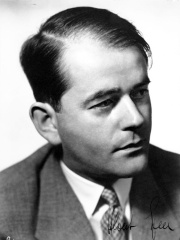
Albert Speer
1905 - 1981
HPI: 79.89
Helyezés: 11
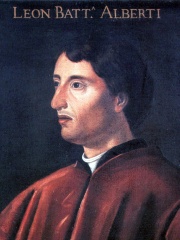
Leon Battista Alberti
1404 - 1472
HPI: 79.83
Helyezés: 12

Kortársak
A(z) 75 BC. évben születettek között Marcus Vitruvius Pollio a(z) 1. helyen áll. Utána következnek: Emperor Yuan of Han, és Publius Cornelius Lentulus Spinther. A(z) 15 BC. évben elhunytak között Marcus Vitruvius Pollio a(z) 1. helyen áll. Utána következik: Lucius Munatius Plancus.
További személyek, akik a(z) 75 BC. évben születtek
Összes rangsor megtekintéseVitruvius
ARCHITECT
75 BC - 15 BC
HPI: 82.46
Helyezés: 1

Emperor Yuan of Han
POLITICIAN
75 BC - 33 BC
HPI: 67.74
Helyezés: 2
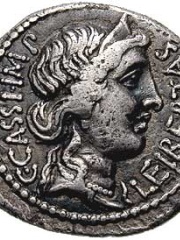
Publius Cornelius Lentulus Spinther
POLITICIAN
75 BC - 25 BC
HPI: 60.31
Helyezés: 3
További személyek, akik a(z) 15 BC. évben hunytak el
Összes rangsor megtekintéseVitruvius
ARCHITECT
75 BC - 15 BC
HPI: 82.46
Helyezés: 1
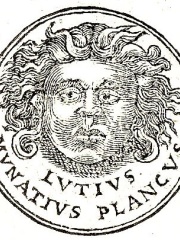
Lucius Munatius Plancus
POLITICIAN
87 BC - 15 BC
HPI: 66.25
Helyezés: 2
A(z) Olaszország rangsorában
A(z) Olaszország területén születettek között Marcus Vitruvius Pollio a(z) 118. helyen áll NaN közül. Előtte állnak: Pope Gregory XV (1554), Frederick II, Holy Roman Emperor (1194), Sonia Gandhi (1946), Federico Fellini (1920), Pope Pius IV (1499), és Pope Gregory XII (1335). Utána következnek: Girolamo Savonarola (1452), Pope Paul V (1552), Pope Clement VIII (1536), Pope Clement XI (1649), Pope Clement XIII (1693), és Masaccio (1401).
További személyek, akik Olaszország területén születtek
Összes rangsor megtekintése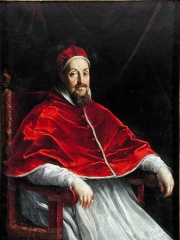
Pope Gregory XV
RELIGIOUS FIGURE
1554 - 1623
HPI: 82.59
Helyezés: 112
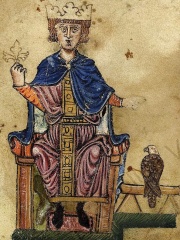
Frederick II, Holy Roman Emperor
POLITICIAN
1194 - 1250
HPI: 82.59
Helyezés: 113

Sonia Gandhi
POLITICIAN
1946 - napjainkig
HPI: 82.49
Helyezés: 114
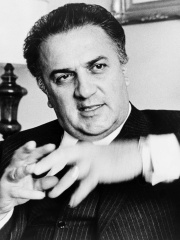
Federico Fellini
FILM DIRECTOR
1920 - 1993
HPI: 82.49
Helyezés: 115
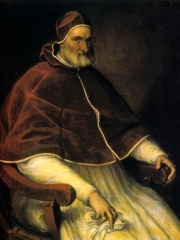
Pope Pius IV
RELIGIOUS FIGURE
1499 - 1565
HPI: 82.49
Helyezés: 116
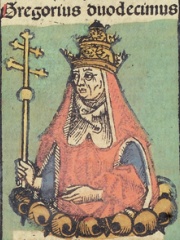
Pope Gregory XII
RELIGIOUS FIGURE
1335 - 1417
HPI: 82.48
Helyezés: 117
Vitruvius
ARCHITECT
75 BC - 15 BC
HPI: 82.46
Helyezés: 118
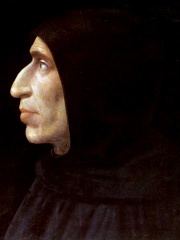
Girolamo Savonarola
RELIGIOUS FIGURE
1452 - 1498
HPI: 82.36
Helyezés: 119
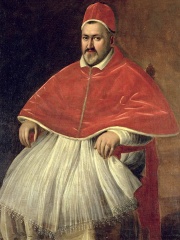
Pope Paul V
RELIGIOUS FIGURE
1552 - 1621
HPI: 82.36
Helyezés: 120
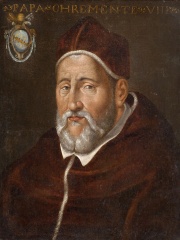
Pope Clement VIII
RELIGIOUS FIGURE
1536 - 1605
HPI: 82.25
Helyezés: 121
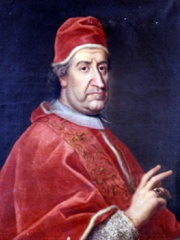
Pope Clement XI
RELIGIOUS FIGURE
1649 - 1721
HPI: 82.21
Helyezés: 122
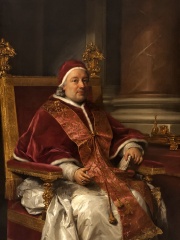
Pope Clement XIII
RELIGIOUS FIGURE
1693 - 1769
HPI: 82.16
Helyezés: 123
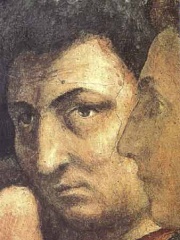
Masaccio
PAINTER
1401 - 1428
HPI: 82.16
Helyezés: 124
A(z) Építész között – Olaszország
A(z) Olaszország területén született Építész között Marcus Vitruvius Pollio a(z) 2. helyen áll. Előtte áll: Gian Lorenzo Bernini (1598). Utána következnek: Donato Bramante (1443), Andrea Palladio (1508), Leon Battista Alberti (1404), Renzo Piano (1937), Giacomo Barozzi da Vignola (1507), Giacomo della Porta (1533), Arnolfo di Cambio (1240), Aldo Rossi (1931), Michelozzo (1396), és Guarino Guarini (1624).
Gian Lorenzo Bernini
1598 - 1680
HPI: 83.54
Helyezés: 1
Vitruvius
75 BC - 15 BC
HPI: 82.46
Helyezés: 2
Donato Bramante
1443 - 1514
HPI: 81.20
Helyezés: 3
Andrea Palladio
1508 - 1580
HPI: 80.16
Helyezés: 4
Leon Battista Alberti
1404 - 1472
HPI: 79.83
Helyezés: 5

Renzo Piano
1937 - napjainkig
HPI: 74.89
Helyezés: 6
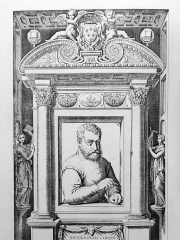
Giacomo Barozzi da Vignola
1507 - 1573
HPI: 72.02
Helyezés: 7
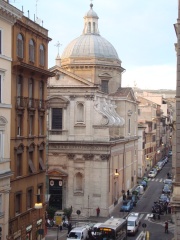
Giacomo della Porta
1533 - 1602
HPI: 71.94
Helyezés: 8
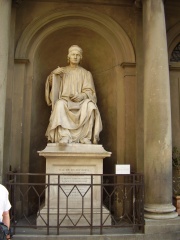
Arnolfo di Cambio
1240 - 1302
HPI: 71.60
Helyezés: 9
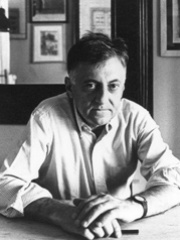
Aldo Rossi
1931 - 1997
HPI: 71.17
Helyezés: 10
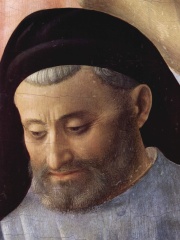
Michelozzo
1396 - 1472
HPI: 70.03
Helyezés: 11
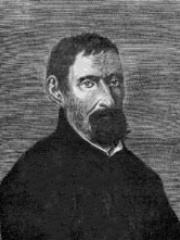
Guarino Guarini
1624 - 1683
HPI: 69.70
Helyezés: 12




