Katonai személy
Stepan Poltorak
1965 - napjainkig
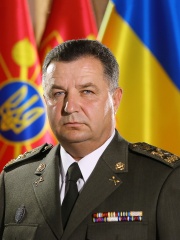
 Stepan Poltorak
Életrajza 16 különböző nyelven érhető el a Wikipédián (növekedés 15-ről 2024-ben). Stepan Poltorak a 2,022nd legnépszerűbb katonai személy (csökkenés a 1,941st-ről 2024-ben), a 1,005th legnépszerűbb életrajz Ukrajna országából (csökkenés a 927th-ről 2019-ben) és a 52nd legnépszerűbb Ukrajnaból katonai személy.
Memorability Metrics
44k
Page Views
Past 12 months
51.51
HPI
Historical Popularity Index
Page views of Stepan Poltorak by language
Among Katonai személies
Among katonai személies, Stepan Poltorak ranks 2,022 out of 2,058. Before him are Henry Wirz, Comandanta Ramona, Abbas Nilforoushan, Lewis Armistead, Aleksandr Moiseyev, and Leonid Khabarov. After him are David Dixon Porter, Stephen Decatur, John Schofield, Salman Raduyev, Hubert Gough, and Willis Augustus Lee.
Most Popular Katonai Személies in Wikipedia
Go to all Rankings
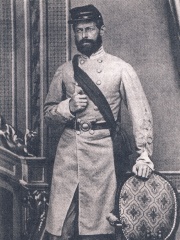
Henry Wirz
1823 - 1865
HPI: 51.71
Rank: 2,016
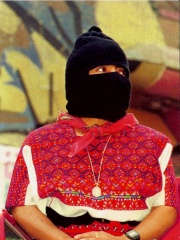
Comandanta Ramona
1960 - 2006
HPI: 51.66
Rank: 2,017
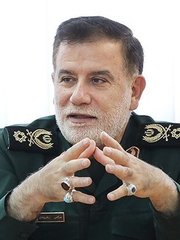
Abbas Nilforoushan
1966 - 2024
HPI: 51.66
Rank: 2,018
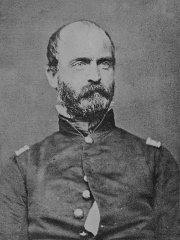
Lewis Armistead
1817 - 1863
HPI: 51.59
Rank: 2,019
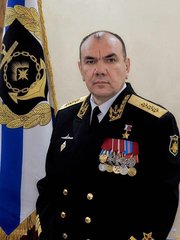
Aleksandr Moiseyev
1962 - Present
HPI: 51.56
Rank: 2,020
Leonid Khabarov
1947 - Present
HPI: 51.53
Rank: 2,021
Stepan Poltorak
1965 - Present
HPI: 51.51
Rank: 2,022
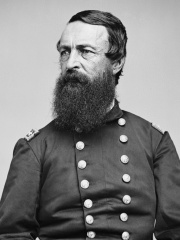
David Dixon Porter
1813 - 1891
HPI: 51.50
Rank: 2,023
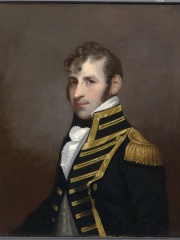
Stephen Decatur
1779 - 1820
HPI: 51.49
Rank: 2,024
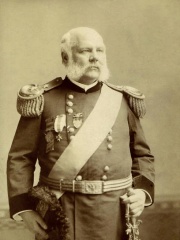
John Schofield
1831 - 1906
HPI: 51.49
Rank: 2,025
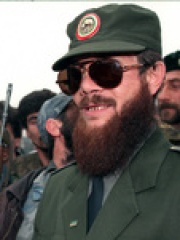
Salman Raduyev
1967 - 2002
HPI: 51.44
Rank: 2,026
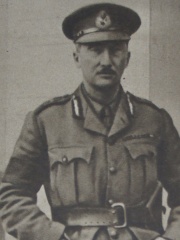
Hubert Gough
1870 - 1963
HPI: 51.41
Rank: 2,027
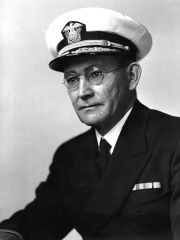
Willis Augustus Lee
1888 - 1945
HPI: 51.37
Rank: 2,028

Contemporaries
Among people born in 1965, Stepan Poltorak ranks 449. Before him are Andrii Deshchytsia, Radion Gataullin, Mia Zapata, Francesca Dellera, Maurizio Fondriest, and Claudia Christian. After him are Steve Yzerman, Stanislas Dehaene, François Baroin, Ted King, Samvel Babayan, and Black Francis.
Others Born in 1965
Go to all Rankings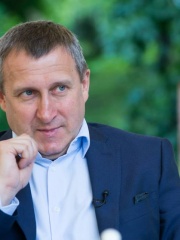
Andrii Deshchytsia
POLITICIAN
1965 - Present
HPI: 51.65
Rank: 443

Radion Gataullin
ATHLETE
1965 - Present
HPI: 51.61
Rank: 444
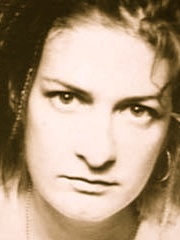
Mia Zapata
MUSICIAN
1965 - 1993
HPI: 51.60
Rank: 445

Francesca Dellera
ACTOR
1965 - Present
HPI: 51.59
Rank: 446
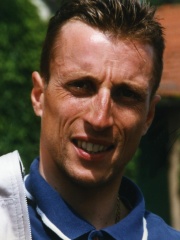
Maurizio Fondriest
CYCLIST
1965 - Present
HPI: 51.56
Rank: 447
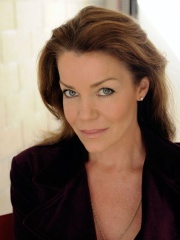
Claudia Christian
ACTOR
1965 - Present
HPI: 51.53
Rank: 448
Stepan Poltorak
MILITARY PERSONNEL
1965 - Present
HPI: 51.51
Rank: 449
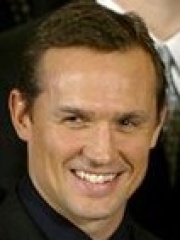
Steve Yzerman
HOCKEY PLAYER
1965 - Present
HPI: 51.50
Rank: 450

Stanislas Dehaene
BIOLOGIST
1965 - Present
HPI: 51.46
Rank: 451
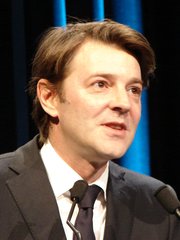
François Baroin
POLITICIAN
1965 - Present
HPI: 51.44
Rank: 452

Ted King
ACTOR
1965 - Present
HPI: 51.40
Rank: 453
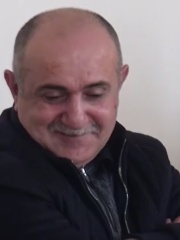
Samvel Babayan
POLITICIAN
1965 - Present
HPI: 51.40
Rank: 454

Black Francis
SINGER
1965 - Present
HPI: 51.37
Rank: 455
In Ukrajna
Among people born in Ukrajna, Stepan Poltorak ranks 1,005 out of NaN. Before him are Epiphanius I of Ukraine (1979), Emmanuil Kazakevich (1913), Andrii Deshchytsia (1965), Natalya Sumska (1956), Tatyana Zaslavskaya (1927), and Sophie Tucker (1886). After him are Svetlana Krachevskaya (1944), Larisa Neiland (1966), Lilia Podkopayeva (1978), Viktor Zvyahintsev (1950), Ivan Bakanov (1975), and Georgi Vladimov (1931).
Others born in Ukrajna
Go to all Rankings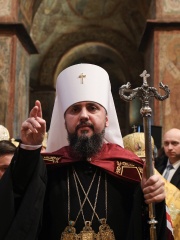
Epiphanius I of Ukraine
RELIGIOUS FIGURE
1979 - Present
HPI: 51.68
Rank: 999
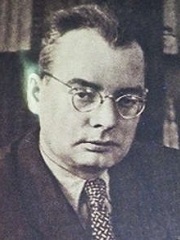
Emmanuil Kazakevich
WRITER
1913 - 1962
HPI: 51.66
Rank: 1,000
Andrii Deshchytsia
POLITICIAN
1965 - Present
HPI: 51.65
Rank: 1,001

Natalya Sumska
ACTOR
1956 - Present
HPI: 51.65
Rank: 1,002
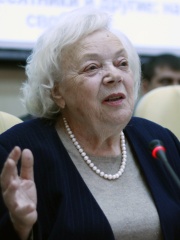
Tatyana Zaslavskaya
SOCIOLOGIST
1927 - 2013
HPI: 51.57
Rank: 1,003
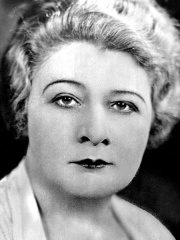
Sophie Tucker
SINGER
1886 - 1966
HPI: 51.52
Rank: 1,004
Stepan Poltorak
MILITARY PERSONNEL
1965 - Present
HPI: 51.51
Rank: 1,005

Svetlana Krachevskaya
ATHLETE
1944 - Present
HPI: 51.50
Rank: 1,006

Larisa Neiland
TENNIS PLAYER
1966 - Present
HPI: 51.43
Rank: 1,007

Lilia Podkopayeva
POLITICIAN
1978 - Present
HPI: 51.42
Rank: 1,008
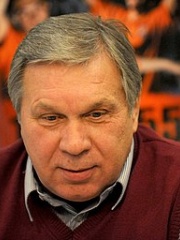
Viktor Zvyahintsev
SOCCER PLAYER
1950 - 2022
HPI: 51.42
Rank: 1,009
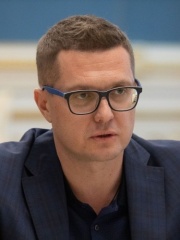
Ivan Bakanov
POLITICIAN
1975 - Present
HPI: 51.40
Rank: 1,010
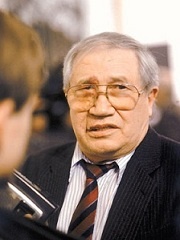
Georgi Vladimov
WRITER
1931 - 2003
HPI: 51.28
Rank: 1,011
Among Katonai személies In Ukrajna
Among katonai személies born in Ukrajna, Stepan Poltorak ranks 52. Before him are Serhiy Shaptala (1973), Marie Ljalková (1920), Józef Kowalski (1900), Olha Ilkiv (1920), Tadeusz Rozwadowski (1866), and Kyrylo Budanov (1986). After him are Yuliia Paievska (1968), Yuri Budanov (1963), Denis Berezovsky (1974), Vladimir Vysotsky (1954), Mikhail Tolstykh (1980), and Mykola Oleshchuk (1972).
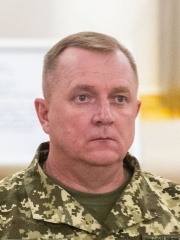
Serhiy Shaptala
1973 - Present
HPI: 55.99
Rank: 46
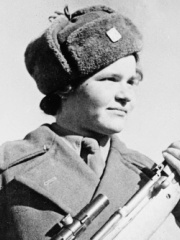
Marie Ljalková
1920 - 2011
HPI: 55.89
Rank: 47
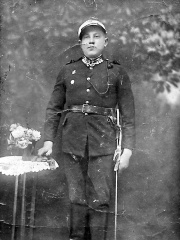
Józef Kowalski
1900 - 2013
HPI: 55.46
Rank: 48
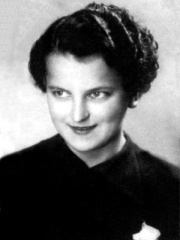
Olha Ilkiv
1920 - 2021
HPI: 54.93
Rank: 49
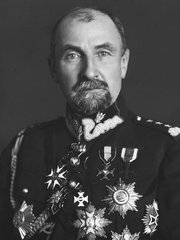
Tadeusz Rozwadowski
1866 - 1928
HPI: 54.47
Rank: 50
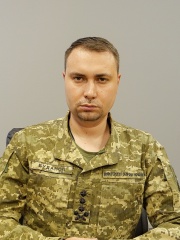
Kyrylo Budanov
1986 - Present
HPI: 52.33
Rank: 51
Stepan Poltorak
1965 - Present
HPI: 51.51
Rank: 52
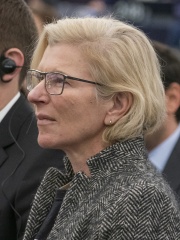
Yuliia Paievska
1968 - Present
HPI: 50.66
Rank: 53

Yuri Budanov
1963 - 2011
HPI: 50.61
Rank: 54
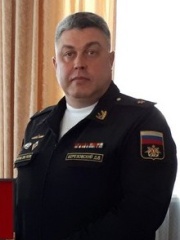
Denis Berezovsky
1974 - Present
HPI: 49.63
Rank: 55
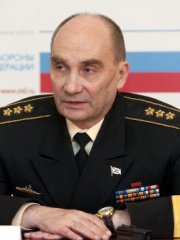
Vladimir Vysotsky
1954 - 2021
HPI: 48.28
Rank: 56

Mikhail Tolstykh
1980 - 2017
HPI: 48.27
Rank: 57
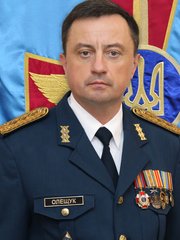
Mykola Oleshchuk
1972 - Present
HPI: 47.74
Rank: 58




