Политик
Petro Poroshenko
1965 - настоящее время
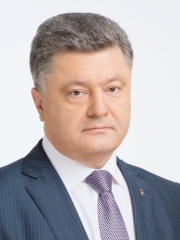

 Petro Poroshenko
Его биография доступна на 102 различных языках в Википедии (рост с 101 в 2024 году). Petro Poroshenko занимает 1155-е место среди самых популярных политик (рост с 1488-е места в 2024 году), занимает 36-е место среди самых популярных биографий из Украины (рост с 58-е места в 2019 году) и занимает 18-е место среди политик Украина.
Метрики памятности
920k
Просмотры страниц
За последние 12 месяцев
75.21
HPI
Индекс исторической популярности
Интересные факты
102
Биография Petro Poroshenko представлена в 102 языковых разделах Википедии, больше, чем у 99 % всех Политик.
#36 / 1,736
Petro Poroshenko занимает 36-е место среди 1,736 личностей Pantheon, родившихся в стране Украина, входя в лучшие 3 % этой группы.
+1,088
Petro Poroshenko поднялся на 1,088 позиций в мировом рейтинге HPI Pantheon, с 4,771-го на 3,683-е место.
Просмотры страницы Petro Poroshenko по языкам
Среди представителей профессии «Политик»
Среди представителей профессии «Политик» Petro Poroshenko занимает 1,155-е место из 20,022. Перед ним идут Yun Posun, Modu Chanyu, Edward Wood, 1st Earl of Halifax, Şehzade Cihangir, Emmanuel Joseph Sieyès, и Bernie Sanders. После него идут Yeongjo of Joseon, Ahmad Shah Massoud, Abul Kalam Azad, Ptolemy VI Philometor, Matilda of Boulogne, и Francis II of the Two Sicilies.
Самые популярные в Википедии: Политик
Все рейтинги
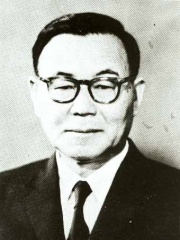
Yun Posun
1897 - 1990
HPI: 75.23
Место: 1,149
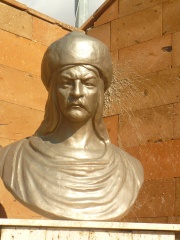
Modu Chanyu
234 BC - 174 BC
HPI: 75.23
Место: 1,150
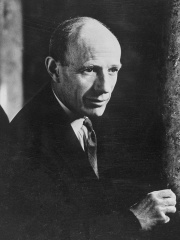
Edward Wood, 1st Earl of Halifax
1881 - 1959
HPI: 75.22
Место: 1,151
Şehzade Cihangir
1531 - 1553
HPI: 75.22
Место: 1,152
Emmanuel Joseph Sieyès
1748 - 1836
HPI: 75.22
Место: 1,153
Bernie Sanders
1941 - наст. время
HPI: 75.22
Место: 1,154
Petro Poroshenko
1965 - наст. время
HPI: 75.21
Место: 1,155
Yeongjo of Joseon
1694 - 1776
HPI: 75.21
Место: 1,156
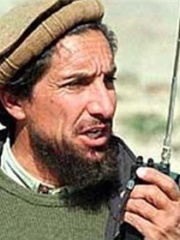
Ahmad Shah Massoud
1953 - 2001
HPI: 75.21
Место: 1,157
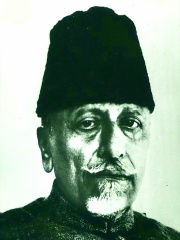
Abul Kalam Azad
1888 - 1958
HPI: 75.21
Место: 1,158
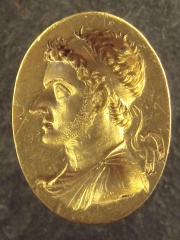
Ptolemy VI Philometor
184 BC - 145 BC
HPI: 75.21
Место: 1,159
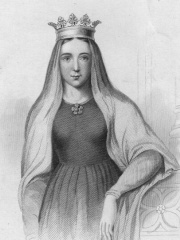
Matilda of Boulogne
1103 - 1152
HPI: 75.20
Место: 1,160
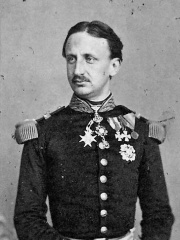
Francis II of the Two Sicilies
1836 - 1894
HPI: 75.20
Место: 1,161

Современники
Среди людей, родившихся в 1965 году, Petro Poroshenko занимает 7-е место. Перед ним идут Bashar al-Assad, Shah Rukh Khan, Robert Downey Jr., Dmitry Medvedev, J. K. Rowling, и Hansi Flick. После него идут The Undertaker, Salman Khan, Scottie Pippen, Tedros Adhanom, Gheorghe Hagi, и Mads Mikkelsen.
Другие люди, родившиеся в 1965 году
Все рейтинги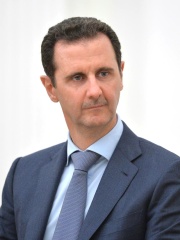
Bashar al-Assad
POLITICIAN
1965 - наст. время
HPI: 82.22
Место: 1

Shah Rukh Khan
ACTOR
1965 - наст. время
HPI: 79.44
Место: 2
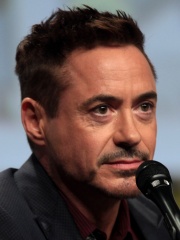
Robert Downey Jr.
ACTOR
1965 - наст. время
HPI: 78.36
Место: 3
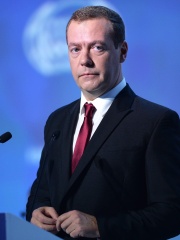
Dmitry Medvedev
POLITICIAN
1965 - наст. время
HPI: 76.96
Место: 4
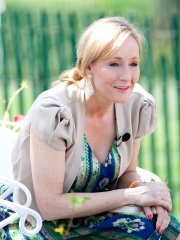
J. K. Rowling
WRITER
1965 - наст. время
HPI: 76.63
Место: 5

Hansi Flick
COACH
1965 - наст. время
HPI: 75.42
Место: 6
Petro Poroshenko
POLITICIAN
1965 - наст. время
HPI: 75.21
Место: 7
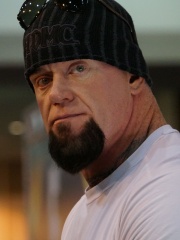
The Undertaker
WRESTLER
1965 - наст. время
HPI: 75.10
Место: 8
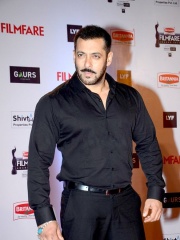
Salman Khan
ACTOR
1965 - наст. время
HPI: 74.25
Место: 9
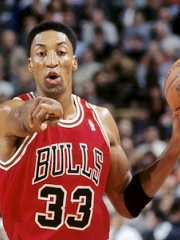
Scottie Pippen
BASKETBALL PLAYER
1965 - наст. время
HPI: 72.16
Место: 10
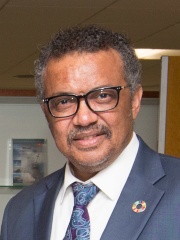
Tedros Adhanom
POLITICIAN
1965 - наст. время
HPI: 71.41
Место: 11
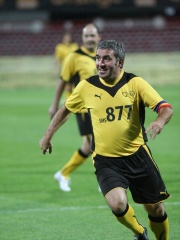
Gheorghe Hagi
SOCCER PLAYER
1965 - наст. время
HPI: 71.37
Место: 12
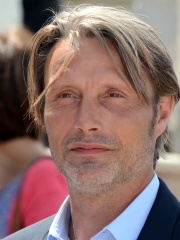
Mads Mikkelsen
ACTOR
1965 - наст. время
HPI: 71.36
Место: 13
В стране Украина
Среди людей, родившихся в стране Украина, Petro Poroshenko занимает 36-е место из 1,736. Перед ним идут Leonid Kravchuk (1934), Kliment Voroshilov (1881), Nestor Makhno (1888), Vaslav Nijinsky (1889), Anne of Kiev (1025), и Sviatoslav I of Kiev (942). После него идут Lyudmila Pavlichenko (1916), Grigory Zinoviev (1883), Ludwig von Mises (1881), Wilhelm Reich (1897), Simon Wiesenthal (1908), и Trofim Lysenko (1898).
Другие люди, родившиеся в стране Украина
Все рейтинги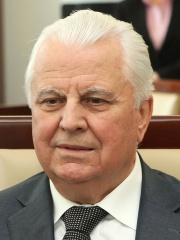
Leonid Kravchuk
POLITICIAN
1934 - 2022
HPI: 76.23
Место: 30
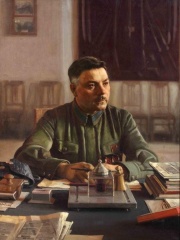
Kliment Voroshilov
POLITICIAN
1881 - 1969
HPI: 76.07
Место: 31
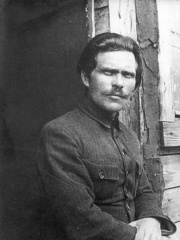
Nestor Makhno
MILITARY PERSONNEL
1888 - 1934
HPI: 75.47
Место: 32

Vaslav Nijinsky
DANCER
1889 - 1950
HPI: 75.42
Место: 33
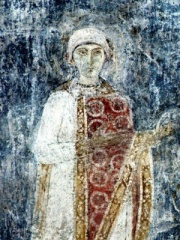
Anne of Kiev
COMPANION
1025 - 1075
HPI: 75.31
Место: 34
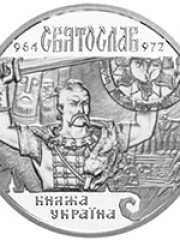
Sviatoslav I of Kiev
POLITICIAN
942 - 972
HPI: 75.25
Место: 35
Petro Poroshenko
POLITICIAN
1965 - наст. время
HPI: 75.21
Место: 36
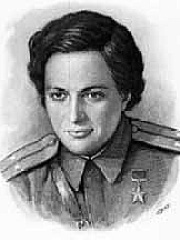
Lyudmila Pavlichenko
MILITARY PERSONNEL
1916 - 1974
HPI: 75.14
Место: 37
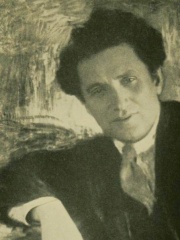
Grigory Zinoviev
POLITICIAN
1883 - 1936
HPI: 74.85
Место: 38
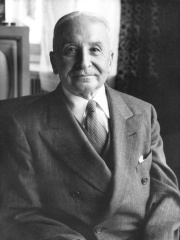
Ludwig von Mises
ECONOMIST
1881 - 1973
HPI: 74.80
Место: 39
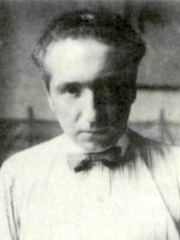
Wilhelm Reich
PSYCHOLOGIST
1897 - 1957
HPI: 74.70
Место: 40
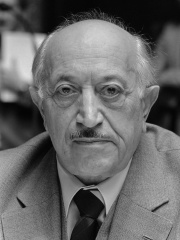
Simon Wiesenthal
SOCIAL ACTIVIST
1908 - 2005
HPI: 74.66
Место: 41
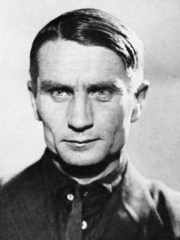
Trofim Lysenko
BIOLOGIST
1898 - 1976
HPI: 74.66
Место: 42
Среди представителей профессии «Политик» в стране Украина
Среди представителей профессии «Политик», родившихся в стране Украина, Petro Poroshenko занимает 18-е место. Перед ним идут Ivan Mazepa (1639), Stanisław Leszczyński (1677), Yulia Tymoshenko (1960), Leonid Kravchuk (1934), Kliment Voroshilov (1881), и Sviatoslav I of Kiev (942). После него идут Grigory Zinoviev (1883), Symon Petliura (1879), Vladimir II Monomakh (1053), Andrei Zhdanov (1896), Moshe Sharett (1894), и Levi Eshkol (1895).
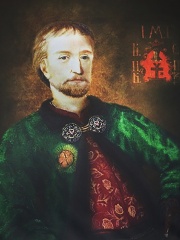
Ivan Mazepa
1639 - 1709
HPI: 76.82
Место: 12
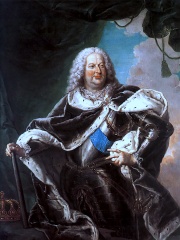
Stanisław Leszczyński
1677 - 1766
HPI: 76.50
Место: 13
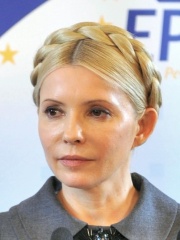
Yulia Tymoshenko
1960 - наст. время
HPI: 76.39
Место: 14
Leonid Kravchuk
1934 - 2022
HPI: 76.23
Место: 15
Kliment Voroshilov
1881 - 1969
HPI: 76.07
Место: 16
Sviatoslav I of Kiev
942 - 972
HPI: 75.25
Место: 17
Petro Poroshenko
1965 - наст. время
HPI: 75.21
Место: 18
Grigory Zinoviev
1883 - 1936
HPI: 74.85
Место: 19
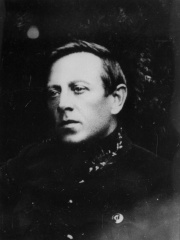
Symon Petliura
1879 - 1926
HPI: 74.48
Место: 20

Vladimir II Monomakh
1053 - 1125
HPI: 74.03
Место: 21
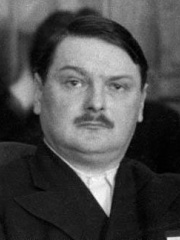
Andrei Zhdanov
1896 - 1948
HPI: 73.94
Место: 22
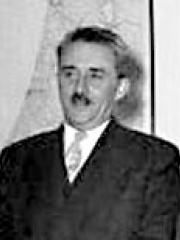
Moshe Sharett
1894 - 1965
HPI: 73.38
Место: 23
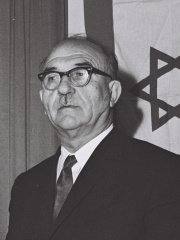
Levi Eshkol
1895 - 1969
HPI: 73.21
Место: 24




