Vallási személyiség
Mamertus
401 - napjainkig
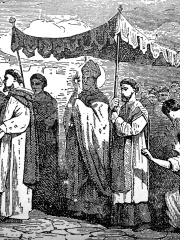
 Mamertus
Életrajza 16 különböző nyelven érhető el a Wikipédián. Mamertus a 1,508th legnépszerűbb vallási személyiség (növekedés a 1,517th-ről 2024-ben), a 2,252nd legnépszerűbb életrajz Franciaország országából (növekedés a 2,505th-ről 2019-ben) és a 116th legnépszerűbb Franciaországból vallási személyiség.
Ismertségi mutatók
11k
Oldalmegtekintések
Elmúlt 12 hónap
63.29
HPI
Történelmi népszerűségi index
Adatérdekességek
16
Mamertus életrajza a Wikipédia 16 nyelvi változatában érhető el, történelmi népszerűségi indexe 63.29.
Mamertus oldalmegtekintései nyelvenként
A(z) Vallási személyiség között
A(z) Vallási személyiség között Mamertus a(z) 1,508. helyen áll 3,189 közül. Előtte állnak: Audrys Bačkis, Robert Estienne, Arp Schnitger, David Yonggi Cho, Joseph Coutts, és William H. Keeler. Utána következnek: Antipope Sylvester IV, Fatimah bint Musa, Ranuccio Farnese, Domenico Tardini, Petar I Petrović-Njegoš, és Guillaume Dubois.
A legnépszerűbb Vallási személyiség a Wikipédián
Összes rangsor megtekintése

Audrys Bačkis
1937 - napjainkig
HPI: 63.35
Helyezés: 1,502
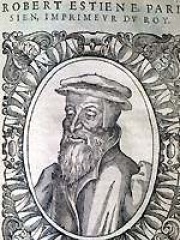
Robert Estienne
1503 - 1559
HPI: 63.33
Helyezés: 1,503
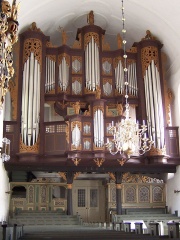
Arp Schnitger
1648 - 1719
HPI: 63.32
Helyezés: 1,504

David Yonggi Cho
1936 - 2021
HPI: 63.31
Helyezés: 1,505
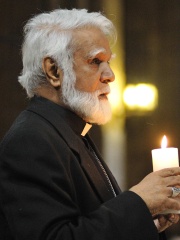
Joseph Coutts
1945 - napjainkig
HPI: 63.30
Helyezés: 1,506

William H. Keeler
1931 - 2017
HPI: 63.29
Helyezés: 1,507
Mamertus
401 - napjainkig
HPI: 63.29
Helyezés: 1,508

Antipope Sylvester IV
1100 - 1111
HPI: 63.29
Helyezés: 1,509

Fatimah bint Musa
790 - 816
HPI: 63.28
Helyezés: 1,510
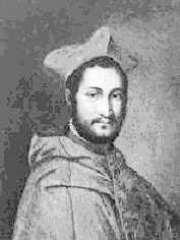
Ranuccio Farnese
1530 - 1565
HPI: 63.28
Helyezés: 1,511
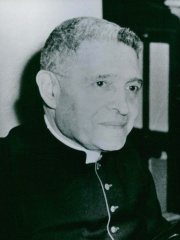
Domenico Tardini
1888 - 1961
HPI: 63.27
Helyezés: 1,512
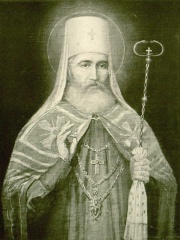
Petar I Petrović-Njegoš
1748 - 1830
HPI: 63.27
Helyezés: 1,513
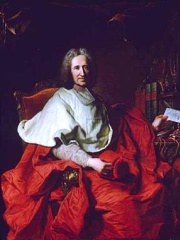
Guillaume Dubois
1656 - 1723
HPI: 63.27
Helyezés: 1,514

Kortársak
A(z) 401. évben születettek között Mamertus a(z) 9. helyen áll. Előtte állnak: Buddhaghosa, Aelia Eudocia, Emperor Ankō, Stobaeus, Barsanuphius, és Palladius. Utána következnek: Hermias, Solomon, Hilary of Arles, és Nechtan Morbet.
További személyek, akik a(z) 401. évben születtek
Összes rangsor megtekintése
Buddhaghosa
PHILOSOPHER
401 - 500
HPI: 76.08
Helyezés: 3
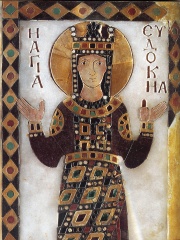
Aelia Eudocia
WRITER
401 - 460
HPI: 69.36
Helyezés: 4
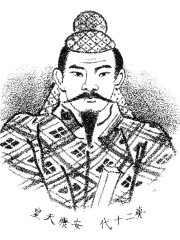
Emperor Ankō
POLITICIAN
401 - 456
HPI: 67.66
Helyezés: 5

Stobaeus
WRITER
401 - 401
HPI: 67.32
Helyezés: 6
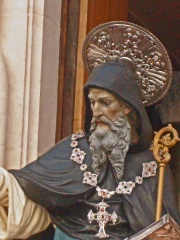
Barsanuphius
RELIGIOUS FIGURE
401 - 540
HPI: 64.08
Helyezés: 7

Palladius
RELIGIOUS FIGURE
401 - 450
HPI: 63.47
Helyezés: 8
Mamertus
RELIGIOUS FIGURE
401 - napjainkig
HPI: 63.29
Helyezés: 9

Hermias
PHILOSOPHER
401 - 450
HPI: 62.70
Helyezés: 10

Solomon
MILITARY PERSONNEL
401 - 544
HPI: 62.53
Helyezés: 11
Hilary of Arles
RELIGIOUS FIGURE
401 - 449
HPI: 59.75
Helyezés: 12

Nechtan Morbet
POLITICIAN
401 - 480
HPI: 47.13
Helyezés: 13
A(z) Franciaország rangsorában
A(z) Franciaország területén születettek között Mamertus a(z) 2,252. helyen áll 7,658 közül. Előtte állnak: Françoise Madeleine d'Orléans (1648), Avitus of Vienne (450), Éric Zemmour (1958), Jean Bruller (1902), Chilperic II of Burgundy (450), és Roland Petit (1924). Utána következnek: Savitri Devi (1905), Jean de Chelles (1200), Emmanuel Philibert, Prince of Carignano (1628), Eric Abidal (1979), Peter I, Duke of Brittany (1191), és Guillaume Dubois (1656).
További személyek, akik Franciaország területén születtek
Összes rangsor megtekintése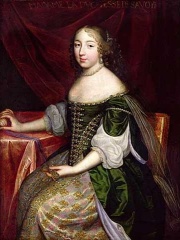
Françoise Madeleine d'Orléans
NOBLEMAN
1648 - 1664
HPI: 63.32
Helyezés: 2,246
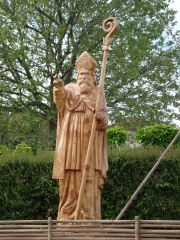
Avitus of Vienne
WRITER
450 - 518
HPI: 63.31
Helyezés: 2,247

Éric Zemmour
WRITER
1958 - napjainkig
HPI: 63.31
Helyezés: 2,248

Jean Bruller
WRITER
1902 - 1991
HPI: 63.30
Helyezés: 2,249

Chilperic II of Burgundy
POLITICIAN
450 - 491
HPI: 63.30
Helyezés: 2,250

Roland Petit
DANCER
1924 - 2011
HPI: 63.30
Helyezés: 2,251
Mamertus
RELIGIOUS FIGURE
401 - napjainkig
HPI: 63.29
Helyezés: 2,252
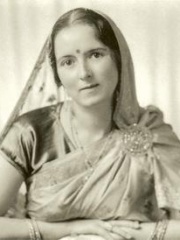
Savitri Devi
WRITER
1905 - 1982
HPI: 63.29
Helyezés: 2,253
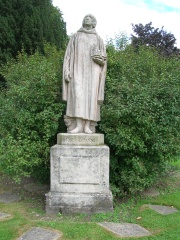
Jean de Chelles
SCULPTOR
1200 - 1265
HPI: 63.29
Helyezés: 2,254
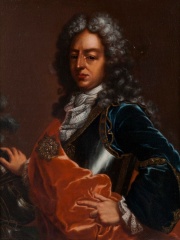
Emmanuel Philibert, Prince of Carignano
POLITICIAN
1628 - 1709
HPI: 63.28
Helyezés: 2,255

Eric Abidal
SOCCER PLAYER
1979 - napjainkig
HPI: 63.28
Helyezés: 2,256
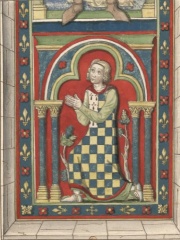
Peter I, Duke of Brittany
POLITICIAN
1191 - 1250
HPI: 63.28
Helyezés: 2,257
Guillaume Dubois
RELIGIOUS FIGURE
1656 - 1723
HPI: 63.27
Helyezés: 2,258
A(z) Vallási személyiség között – Franciaország
A(z) Franciaország területén született Vallási személyiség között Mamertus a(z) 116. helyen áll. Előtte állnak: John Eudes (1601), Marcellin Champagnat (1789), Bernard of Menthon (923), Lothair II of Italy (1000), Reginald Garrigou-Lagrange (1877), és Robert Estienne (1503). Utána következnek: Guillaume Dubois (1656), Urbain Grandier (1590), Peter the Venerable (1092), Bernard Tissier de Mallerais (1945), Peter Chanel (1803), és Abraham Hyacinthe Anquetil-Duperron (1731).
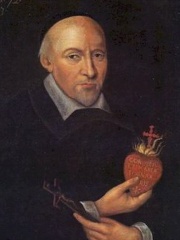
John Eudes
1601 - 1680
HPI: 63.65
Helyezés: 110
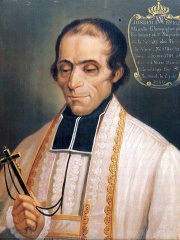
Marcellin Champagnat
1789 - 1840
HPI: 63.64
Helyezés: 111
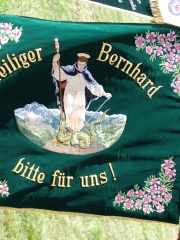
Bernard of Menthon
923 - 1008
HPI: 63.47
Helyezés: 112
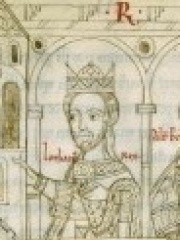
Lothair II of Italy
1000 - 950
HPI: 63.43
Helyezés: 113
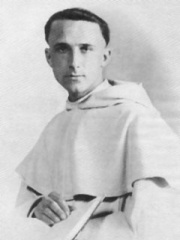
Reginald Garrigou-Lagrange
1877 - 1964
HPI: 63.36
Helyezés: 114
Robert Estienne
1503 - 1559
HPI: 63.33
Helyezés: 115
Mamertus
401 - napjainkig
HPI: 63.29
Helyezés: 116
Guillaume Dubois
1656 - 1723
HPI: 63.27
Helyezés: 117
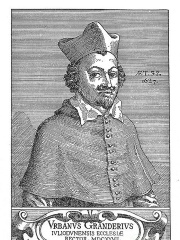
Urbain Grandier
1590 - 1634
HPI: 63.24
Helyezés: 118
Peter the Venerable
1092 - 1156
HPI: 63.20
Helyezés: 119

Bernard Tissier de Mallerais
1945 - 2024
HPI: 63.19
Helyezés: 120
Peter Chanel
1803 - 1841
HPI: 62.97
Helyezés: 121
Abraham Hyacinthe Anquetil-Duperron
1731 - 1805
HPI: 62.97
Helyezés: 122




