Religiöse Persönlichkeit
Joseph Coutts
1945 - heute
DE.WIKIPEDIA-SEITENAUFRUFE (PV)
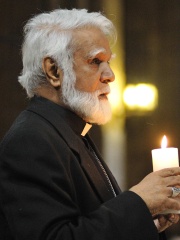
 Joseph Coutts
Seine Biografie ist in 24 verschiedenen Sprachen auf Wikipedia verfügbar (gestiegen von 19 im Jahr 2024). Joseph Coutts ist der 1,506th beliebteste Religiöse Persönlichkeit (gestiegen vom 2,749th im Jahr 2024), die 284th beliebteste Biografie aus Indien (gestiegen vom 676th im Jahr 2019) und der 29th beliebteste aus Indien Religiöse Persönlichkeit.
Bekanntheitsmetriken
20k
Seitenaufrufe
Letzte 12 Monate
63.30
HPI
Historischer Popularitätsindex
Daten-Einblicke
#1
Joseph Coutts ist die bekannteste der 19 bedeutenden Persönlichkeiten, die in Amritsar, Indien, geboren wurden — noch vor Guru Tegh Bahadur, Guru Hargobind und Rajesh Khanna.
21. Juli
Joseph Coutts hat am selben Tag Geburtstag (21. Juli) wie Ernest Hemingway, Pope Sixtus IV und Robin Williams.
+5
Die Biografie von Joseph Coutts kam im vergangenen Jahr in 5 neuen Sprachversionen der Wikipedia hinzu.
Seitenaufrufe von Joseph Coutts nach Sprache
Unter Religiöse Persönlichkeit
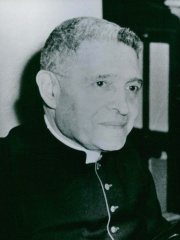
Unter Religiöse Persönlichkeit belegt Joseph Coutts Rang 1,506 von 3,187. Vor ihm stehen Johannes Magnus, Adalard of Corbie, Audrys Bačkis, Robert Estienne, Arp Schnitger, und David Yonggi Cho. Nach ihm folgen William H. Keeler, Mamertus, Antipope Sylvester IV, Fatimah bint Musa, Ranuccio Farnese, und Domenico Tardini.
Die beliebtesten Religiöse Persönlichkeit auf Wikipedia
Zu allen Ranglisten
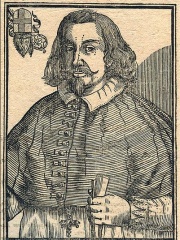
Johannes Magnus
1488 - 1544
HPI: 63.36
Rang: 1,500

Adalard of Corbie
751 - 827
HPI: 63.35
Rang: 1,501
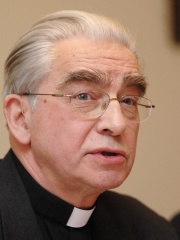
Audrys Bačkis
1937 - heute
HPI: 63.35
Rang: 1,502
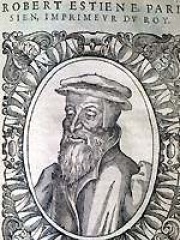
Robert Estienne
1503 - 1559
HPI: 63.33
Rang: 1,503
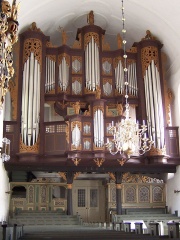
Arp Schnitger
1648 - 1719
HPI: 63.32
Rang: 1,504

David Yonggi Cho
1936 - 2021
HPI: 63.31
Rang: 1,505
Joseph Coutts
1945 - heute
HPI: 63.30
Rang: 1,506
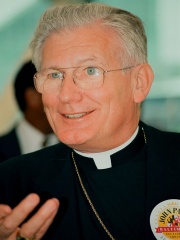
William H. Keeler
1931 - 2017
HPI: 63.29
Rang: 1,507
Mamertus
401 - heute
HPI: 63.29
Rang: 1,508

Antipope Sylvester IV
1100 - 1111
HPI: 63.29
Rang: 1,509

Fatimah bint Musa
790 - 816
HPI: 63.28
Rang: 1,510
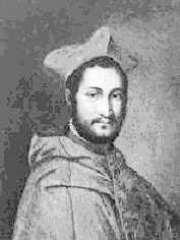
Ranuccio Farnese
1530 - 1565
HPI: 63.28
Rang: 1,511
Domenico Tardini
1888 - 1961
HPI: 63.27
Rang: 1,512

Zeitgenossen
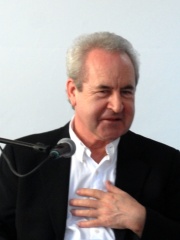
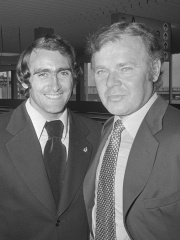
Unter den im Jahr 1945 Geborenen belegt Joseph Coutts Rang 182. Vor ihm stehen Richard Hatch, Everett McGill, John Banville, Baghdadi Mahmudi, Željko Bebek, und Jarno Saarinen. Nach ihm folgen Pirri, Mahinda Rajapaksa, Robert Cialdini, Bernard Tissier de Mallerais, Charles Greene, und Rhonda Byrne.
Weitere im Jahr 1945 Geborene
Zu allen Ranglisten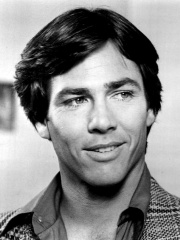
Richard Hatch
ACTOR
1945 - 2017
HPI: 63.48
Rang: 176

Everett McGill
ACTOR
1945 - heute
HPI: 63.46
Rang: 177
John Banville
WRITER
1945 - heute
HPI: 63.46
Rang: 178

Baghdadi Mahmudi
POLITICIAN
1945 - heute
HPI: 63.43
Rang: 179

Željko Bebek
SINGER
1945 - heute
HPI: 63.40
Rang: 180

Jarno Saarinen
RACING DRIVER
1945 - 1973
HPI: 63.31
Rang: 181
Joseph Coutts
RELIGIOUS FIGURE
1945 - heute
HPI: 63.30
Rang: 182
Pirri
SOCCER PLAYER
1945 - heute
HPI: 63.27
Rang: 183
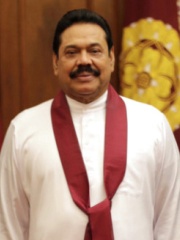
Mahinda Rajapaksa
POLITICIAN
1945 - heute
HPI: 63.27
Rang: 184

Robert Cialdini
PSYCHOLOGIST
1945 - heute
HPI: 63.24
Rang: 185
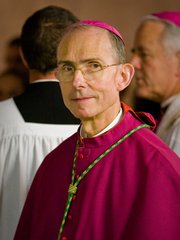
Bernard Tissier de Mallerais
RELIGIOUS FIGURE
1945 - 2024
HPI: 63.19
Rang: 186
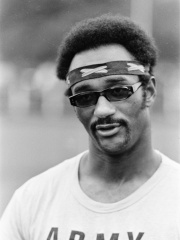
Charles Greene
ATHLETE
1945 - 2022
HPI: 63.14
Rang: 187

Rhonda Byrne
WRITER
1945 - heute
HPI: 63.02
Rang: 188
In Indien
Unter den in Indien Geborenen belegt Joseph Coutts Rang 284 von 1,861. Vor ihm stehen Shahu I (1682), Vandana Shiva (1952), R. D. Burman (1939), Birsa Munda (1875), Suniel Shetty (1961), und Chandra Shekhar Azad (1906). Nach ihm folgen Syama Prasad Mukherjee (1901), Guru Tegh Bahadur (1621), John Abraham (1972), Vallabha (1479), Morarji Desai (1896), und The Great Gama (1878).
Weitere in Indien geborene Personen
Zu allen Ranglisten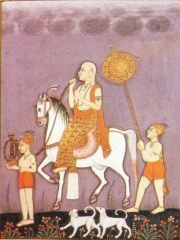
Shahu I
POLITICIAN
1682 - 1749
HPI: 63.47
Rang: 278
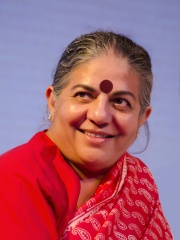
Vandana Shiva
SOCIAL ACTIVIST
1952 - heute
HPI: 63.47
Rang: 279
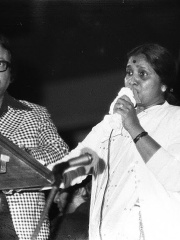
R. D. Burman
COMPOSER
1939 - 1994
HPI: 63.44
Rang: 280
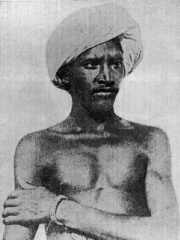
Birsa Munda
POLITICIAN
1875 - 1900
HPI: 63.40
Rang: 281

Suniel Shetty
ACTOR
1961 - heute
HPI: 63.38
Rang: 282
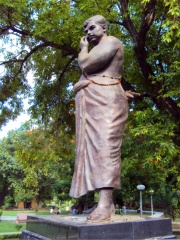
Chandra Shekhar Azad
POLITICIAN
1906 - 1931
HPI: 63.37
Rang: 283
Joseph Coutts
RELIGIOUS FIGURE
1945 - heute
HPI: 63.30
Rang: 284
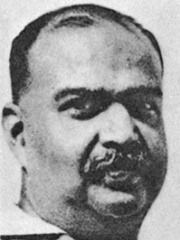
Syama Prasad Mukherjee
POLITICIAN
1901 - 1953
HPI: 63.30
Rang: 285
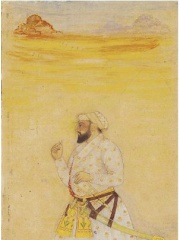
Guru Tegh Bahadur
POLITICIAN
1621 - 1675
HPI: 63.24
Rang: 286

John Abraham
ACTOR
1972 - heute
HPI: 63.24
Rang: 287
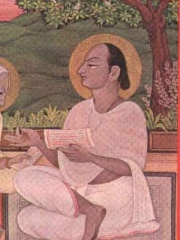
Vallabha
PHILOSOPHER
1479 - 1531
HPI: 63.23
Rang: 288
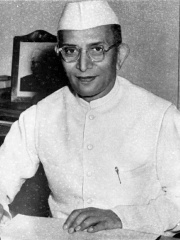
Morarji Desai
POLITICIAN
1896 - 1995
HPI: 63.20
Rang: 289
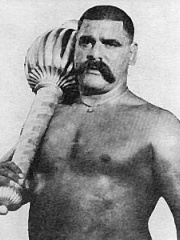
The Great Gama
WRESTLER
1878 - 1960
HPI: 63.12
Rang: 290
Unter Religiöse Persönlichkeit in Indien
Unter den in Indien geborenen Religiöse Persönlichkeit belegt Joseph Coutts Rang 29. Vor ihm stehen Nirmala Joshi (1934), Parshvanatha (-872), Sai Baba of Shirdi (1835), Jayadeva (1170), Śāntarakṣita (725), und Abbé Faria (1756). Nach ihm folgen Meher Baba (1894), Guru Amar Das (1479), Ahmed Raza Khan Barelvi (1856), Zakir Naik (1965), Dashrath Manjhi (1934), und Tilopa (928).

Nirmala Joshi
1934 - 2015
HPI: 66.47
Rang: 23
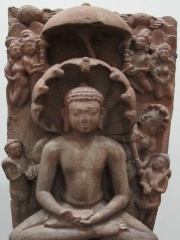
Parshvanatha
872 BC - 772 BC
HPI: 65.82
Rang: 24
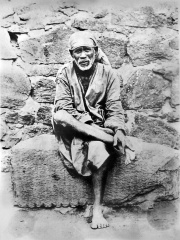
Sai Baba of Shirdi
1835 - 1918
HPI: 65.49
Rang: 25
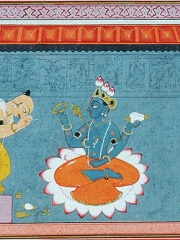
Jayadeva
1170 - 1245
HPI: 65.40
Rang: 26

Śāntarakṣita
725 - 788
HPI: 64.39
Rang: 27
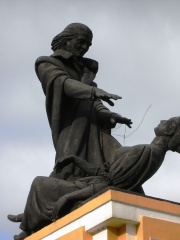
Abbé Faria
1756 - 1819
HPI: 63.63
Rang: 28
Joseph Coutts
1945 - heute
HPI: 63.30
Rang: 29
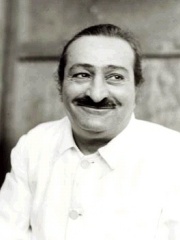
Meher Baba
1894 - 1969
HPI: 63.11
Rang: 30
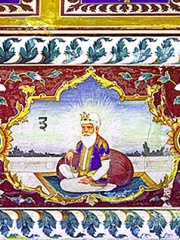
Guru Amar Das
1479 - 1574
HPI: 62.70
Rang: 31
Ahmed Raza Khan Barelvi
1856 - 1921
HPI: 62.37
Rang: 32
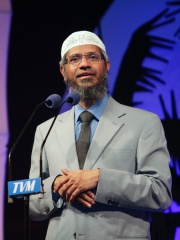
Zakir Naik
1965 - heute
HPI: 62.35
Rang: 33
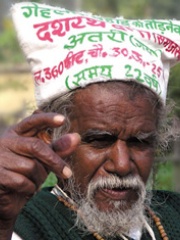
Dashrath Manjhi
1934 - 2007
HPI: 62.18
Rang: 34
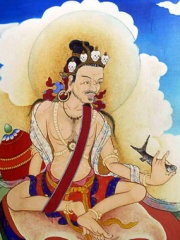
Tilopa
928 - 1009
HPI: 62.06
Rang: 35




