Író
Firdauszí
940 - 1020
HU.WIKIPEDIA OLDALMEGTEKINTÉSEK (PV)
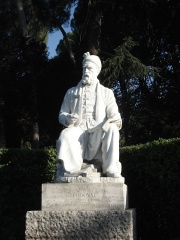
 Firdauszí
Életrajza 101 különböző nyelven érhető el a Wikipédián (növekedés 100-ről 2024-ben). Firdauszí a 242nd legnépszerűbb író (csökkenés a 220th-ről 2024-ben), a 29th legnépszerűbb életrajz Irán országából (növekedés a 32nd-ről 2019-ben) és a 4th legnépszerűbb Iránból író.
Ismertségi mutatók
540k
Oldalmegtekintések
Elmúlt 12 hónap
77.11
HPI
Történelmi népszerűségi index
Firdauszí oldalmegtekintései nyelvenként
A(z) Író között
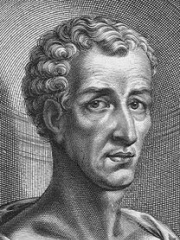
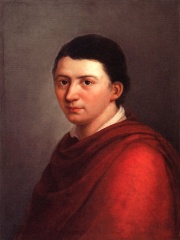
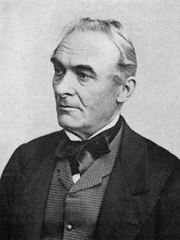
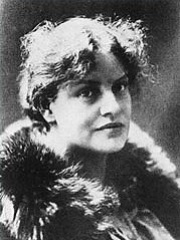
A(z) Író között Firdauszí a(z) 242. helyen áll 7,302 közül. Előtte állnak: Shota Rustaveli, William Blake, Truman Capote, Lucian, Friedrich Schlegel, és Juvenal. Utána következnek: Prosper Mérimée, Lou Andreas-Salomé, W. H. Auden, Gerhart Hauptmann, C. S. Lewis, és Mansur Al-Hallaj.
A legnépszerűbb Író a Wikipédián
Összes rangsor megtekintése
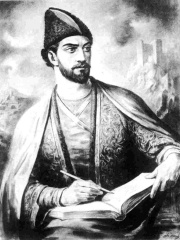
Shota Rustaveli
1172 - 1216
HPI: 77.21
Helyezés: 236
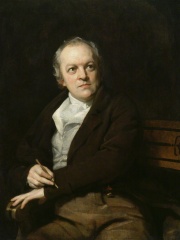
William Blake
1757 - 1827
HPI: 77.20
Helyezés: 237
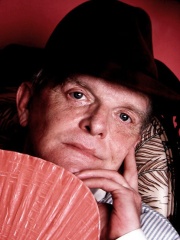
Truman Capote
1924 - 1984
HPI: 77.19
Helyezés: 238
Lucian
120 - 200
HPI: 77.17
Helyezés: 239
Friedrich Schlegel
1772 - 1829
HPI: 77.16
Helyezés: 240

Juvenal
50 - 200
HPI: 77.14
Helyezés: 241
Ferdowsi
940 - 1020
HPI: 77.11
Helyezés: 242
Prosper Mérimée
1803 - 1870
HPI: 77.10
Helyezés: 243
Lou Andreas-Salomé
1861 - 1937
HPI: 77.10
Helyezés: 244
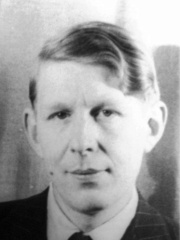
W. H. Auden
1907 - 1973
HPI: 77.00
Helyezés: 245
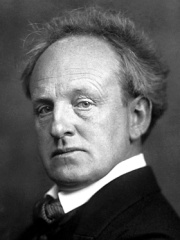
Gerhart Hauptmann
1862 - 1946
HPI: 76.95
Helyezés: 246
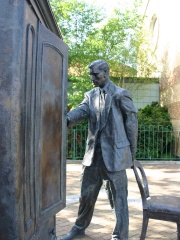
C. S. Lewis
1898 - 1963
HPI: 76.86
Helyezés: 247
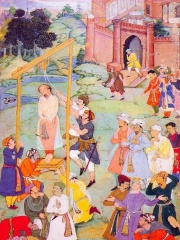
Mansur Al-Hallaj
858 - 922
HPI: 76.84
Helyezés: 248

Kortársak
A(z) 940. évben születettek között Firdauszí a(z) 2. helyen áll. Előtte áll: Hugh Capet. Utána következnek: Abu al-Wafa' Buzjani, Géza, Grand Prince of the Hungarians, Mieszko I of Poland, Eadwig, Leopold I, Margrave of Austria, Abu-Mahmud Khojandi, Ibn Sahl, Abū Sahl al-Qūhī, Ælfthryth, wife of Edgar, és Baldwin III, Count of Flanders. A(z) 1020. évben elhunytak között Firdauszí a(z) 2. helyen áll. Előtte áll: Leif Erikson. Utána következnek: Al-Sijzi, Abhinavagupta, Manuel Erotikos Komnenos, Åsta Gudbrandsdatter, Melus of Bari, Trdat, Malusha, Gagik I of Armenia, és Ælfric of Eynsham.
További személyek, akik a(z) 940. évben születtek
Összes rangsor megtekintése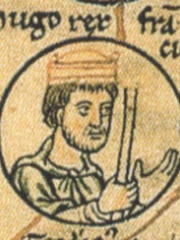
Hugh Capet
POLITICIAN
940 - 996
HPI: 80.45
Helyezés: 1
Ferdowsi
WRITER
940 - 1020
HPI: 77.11
Helyezés: 2
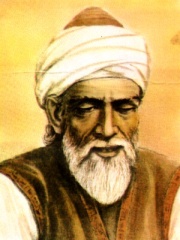
Abu al-Wafa' Buzjani
MATHEMATICIAN
940 - 998
HPI: 72.26
Helyezés: 3
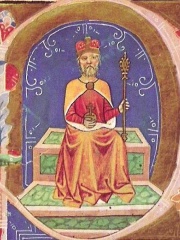
Géza, Grand Prince of the Hungarians
POLITICIAN
940 - 997
HPI: 70.47
Helyezés: 4
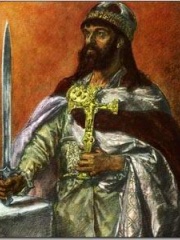
Mieszko I of Poland
POLITICIAN
940 - 992
HPI: 70.00
Helyezés: 5
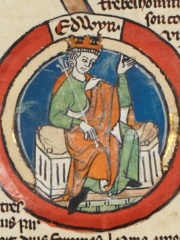
Eadwig
POLITICIAN
940 - 959
HPI: 68.72
Helyezés: 6
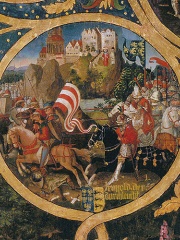
Leopold I, Margrave of Austria
POLITICIAN
940 - 994
HPI: 68.01
Helyezés: 7

Abu-Mahmud Khojandi
ASTRONOMER
940 - 1000
HPI: 67.36
Helyezés: 8

Ibn Sahl
MATHEMATICIAN
940 - 1000
HPI: 67.25
Helyezés: 9

Abū Sahl al-Qūhī
MATHEMATICIAN
940 - 1000
HPI: 66.26
Helyezés: 10
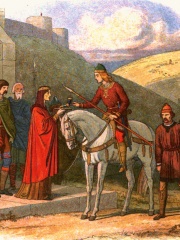
Ælfthryth, wife of Edgar
COMPANION
940 - 1000
HPI: 65.21
Helyezés: 11
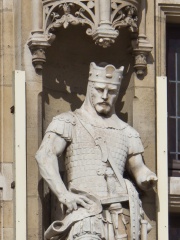
Baldwin III, Count of Flanders
POLITICIAN
940 - 962
HPI: 64.17
Helyezés: 12
További személyek, akik a(z) 1020. évben hunytak el
Összes rangsor megtekintése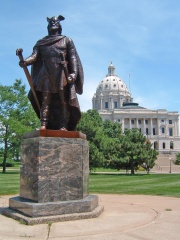
Leif Erikson
EXPLORER
970 - 1020
HPI: 88.25
Helyezés: 1
Ferdowsi
WRITER
940 - 1020
HPI: 77.11
Helyezés: 2
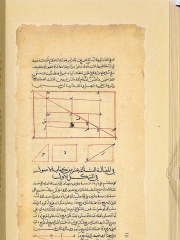
Al-Sijzi
MATHEMATICIAN
945 - 1020
HPI: 63.37
Helyezés: 3

Abhinavagupta
PHILOSOPHER
950 - 1020
HPI: 62.07
Helyezés: 4
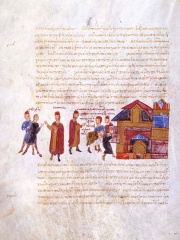
Manuel Erotikos Komnenos
MILITARY PERSONNEL
901 - 1020
HPI: 61.66
Helyezés: 5
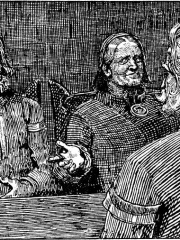
Åsta Gudbrandsdatter
POLITICIAN
970 - 1020
HPI: 60.04
Helyezés: 6
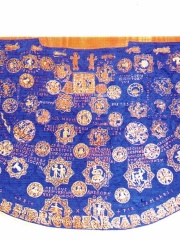
Melus of Bari
NOBLEMAN
1000 - 1020
HPI: 60.00
Helyezés: 7

Trdat
ARCHITECT
950 - 1020
HPI: 59.91
Helyezés: 8
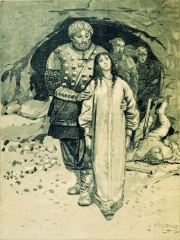
Malusha
POLITICIAN
HPI: 59.41
Helyezés: 9
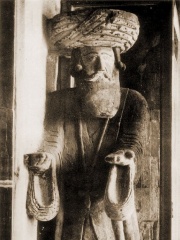
Gagik I of Armenia
POLITICIAN
989 - 1020
HPI: 58.85
Helyezés: 10

Ælfric of Eynsham
WRITER
955 - 1020
HPI: 55.67
Helyezés: 11
A(z) Irán rangsorában
A(z) Irán területén születettek között Firdauszí a(z) 29. helyen áll NaN közül. Előtte állnak: Bodhidharma (483), Malik-Shah I (1055), Tughril (990), Xerxes II of Persia (-500), Tahmasp I (1514), és Khosrow I (501). Utána következnek: Nader Shah (1688), Mansur Al-Hallaj (858), Muslim ibn al-Hajjaj (817), Nizam al-Mulk (1018), Nasir al-Din al-Tusi (1201), és Jami (1414).
További személyek, akik Irán területén születtek
Összes rangsor megtekintése
Bodhidharma
PHILOSOPHER
483 - 540
HPI: 78.17
Helyezés: 23
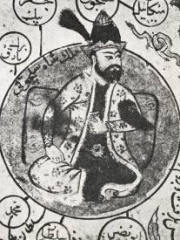
Malik-Shah I
POLITICIAN
1055 - 1092
HPI: 78.06
Helyezés: 24
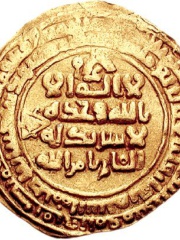
Tughril
MILITARY PERSONNEL
990 - 1063
HPI: 77.61
Helyezés: 25
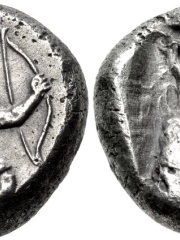
Xerxes II of Persia
POLITICIAN
500 BC - 424 BC
HPI: 77.43
Helyezés: 26
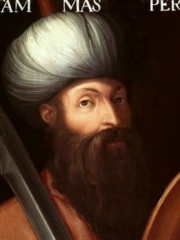
Tahmasp I
POLITICIAN
1514 - 1576
HPI: 77.27
Helyezés: 27
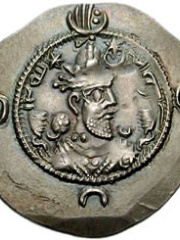
Khosrow I
POLITICIAN
501 - 579
HPI: 77.21
Helyezés: 28
Ferdowsi
WRITER
940 - 1020
HPI: 77.11
Helyezés: 29
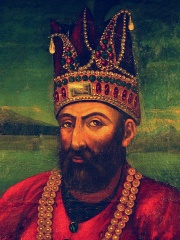
Nader Shah
POLITICIAN
1688 - 1747
HPI: 76.87
Helyezés: 30
Mansur Al-Hallaj
WRITER
858 - 922
HPI: 76.84
Helyezés: 31

Muslim ibn al-Hajjaj
RELIGIOUS FIGURE
817 - 875
HPI: 76.60
Helyezés: 32
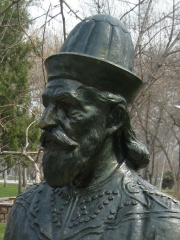
Nizam al-Mulk
POLITICIAN
1018 - 1092
HPI: 76.49
Helyezés: 33
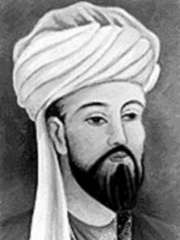
Nasir al-Din al-Tusi
WRITER
1201 - 1274
HPI: 76.41
Helyezés: 34
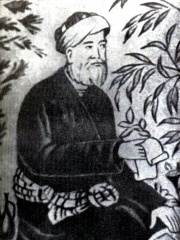
Jami
WRITER
1414 - 1492
HPI: 76.34
Helyezés: 35
A(z) Író között – Irán
A(z) Irán területén született Író között Firdauszí a(z) 4. helyen áll. Előtte állnak: Abu Nuwas (762), Hafez (1325), és Ismail I (1487). Utána következnek: Mansur Al-Hallaj (858), Nasir al-Din al-Tusi (1201), Jami (1414), Shams Tabrizi (1185), Doris Lessing (1919), Saadi Shirazi (1210), Attar of Nishapur (1145), és Magtymguly Pyragy (1733).
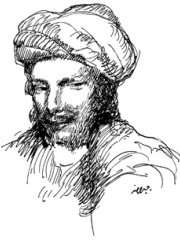
Abu Nuwas
762 - 814
HPI: 82.59
Helyezés: 1

Hafez
1325 - 1389
HPI: 80.96
Helyezés: 2
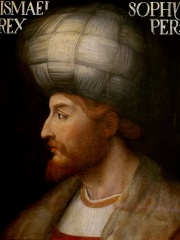
Ismail I
1487 - 1524
HPI: 80.93
Helyezés: 3
Ferdowsi
940 - 1020
HPI: 77.11
Helyezés: 4
Mansur Al-Hallaj
858 - 922
HPI: 76.84
Helyezés: 5
Nasir al-Din al-Tusi
1201 - 1274
HPI: 76.41
Helyezés: 6
Jami
1414 - 1492
HPI: 76.34
Helyezés: 7
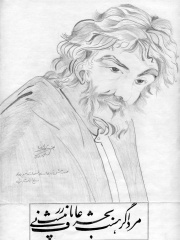
Shams Tabrizi
1185 - 1248
HPI: 75.75
Helyezés: 8
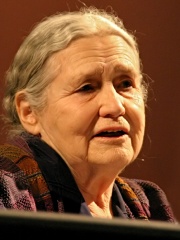
Doris Lessing
1919 - 2013
HPI: 75.37
Helyezés: 9
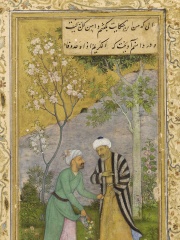
Saadi Shirazi
1210 - 1291
HPI: 75.10
Helyezés: 10
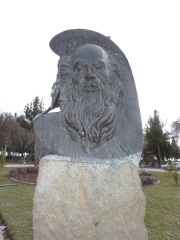
Attar of Nishapur
1145 - 1220
HPI: 73.64
Helyezés: 11
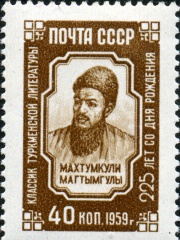
Magtymguly Pyragy
1733 - 1807
HPI: 70.86
Helyezés: 12




