Historien
Roger Chartier
1945 - aujourd'hui
PAGES VUES SUR FR.WIKIPEDIA (PV)

 Roger Chartier
Sa biographie est disponible en 17 langues sur Wikipédia. Roger Chartier est le 197th historien le plus populaire (en baisse du 188th en 2024), la 2,791st biographie la plus populaire de France (en baisse du 2,697th en 2019), ainsi que le 28th historien de France le plus populaire.
Indicateurs de mémorabilité
22k
Pages vues
12 derniers mois
61.66
HPI
Indice de popularité historique
Pages vues de Roger Chartier par langue
Parmi les Historien
Parmi les Historien, Roger Chartier occupe le rang 197 sur 561. Avant lui viennent Krste Misirkov, Henri Maspero, Ibn Wahshiyya, Alexander Kazhdan, Aulus Cremutius Cordus, et Paul Veyne. Après lui viennent Slobodan Jovanović, Christian Gottlob Heyne, H. A. R. Gibb, Howard Zinn, William of Malmesbury, et Philipp Spitta.
Historien les plus populaires sur Wikipédia
Voir tous les classements
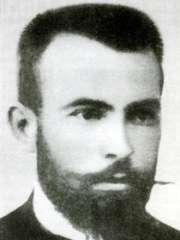
Krste Misirkov
1874 - 1926
HPI : 61.77
Rang : 191
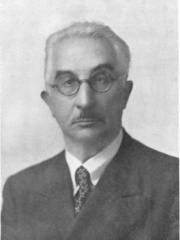
Henri Maspero
1883 - 1945
HPI : 61.77
Rang : 192
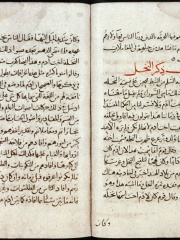
Ibn Wahshiyya
900 - 930
HPI : 61.75
Rang : 193
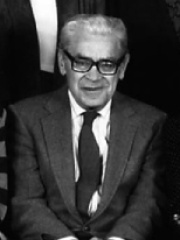
Alexander Kazhdan
1922 - 1997
HPI : 61.71
Rang : 194

Aulus Cremutius Cordus
50 BC - 25
HPI : 61.71
Rang : 195

Paul Veyne
1930 - 2022
HPI : 61.67
Rang : 196
Roger Chartier
1945 - présent
HPI : 61.66
Rang : 197
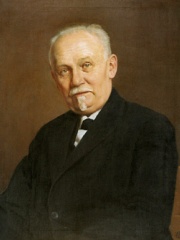
Slobodan Jovanović
1869 - 1958
HPI : 61.65
Rang : 198
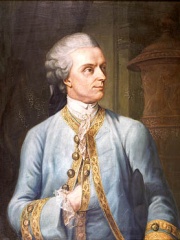
Christian Gottlob Heyne
1729 - 1812
HPI : 61.61
Rang : 199
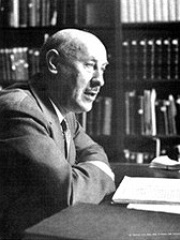
H. A. R. Gibb
1895 - 1971
HPI : 61.60
Rang : 200

Howard Zinn
1922 - 2010
HPI : 61.58
Rang : 201
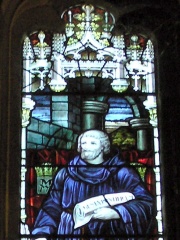
William of Malmesbury
1080 - 1140
HPI : 61.56
Rang : 202
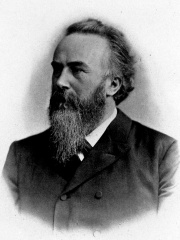
Philipp Spitta
1841 - 1894
HPI : 61.54
Rang : 203

Contemporains
Parmi les personnes nées en 1945, Roger Chartier occupe le rang 230. Avant lui viennent Douglas Hofstadter, Richard Armitage, Basil Poledouris, Stephen Stills, Francesca Annis, et Wilfried Van Moer. Après lui viennent Panagiotis Pikrammenos, Michael Martin, Baron Martin of Springburn, Jörg Immendorff, Pablo Forlán, Pinarayi Vijayan, et David Purley.
Autres personnes nées en 1945
Voir tous les classements
Douglas Hofstadter
PHYSICIST
1945 - présent
HPI : 61.93
Rang : 224
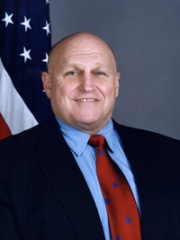
Richard Armitage
DIPLOMAT
1945 - 2025
HPI : 61.92
Rang : 225
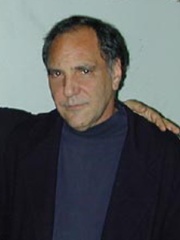
Basil Poledouris
COMPOSER
1945 - 2006
HPI : 61.89
Rang : 226

Stephen Stills
SINGER
1945 - présent
HPI : 61.80
Rang : 227

Francesca Annis
ACTOR
1945 - présent
HPI : 61.72
Rang : 228
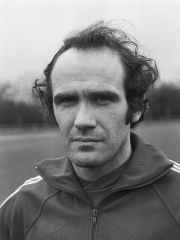
Wilfried Van Moer
SOCCER PLAYER
1945 - 2021
HPI : 61.72
Rang : 229
Roger Chartier
HISTORIAN
1945 - présent
HPI : 61.66
Rang : 230
Panagiotis Pikrammenos
JUDGE
1945 - présent
HPI : 61.61
Rang : 231

Michael Martin, Baron Martin of Springburn
POLITICIAN
1945 - 2018
HPI : 61.55
Rang : 232

Jörg Immendorff
PAINTER
1945 - 2007
HPI : 61.45
Rang : 233

Pablo Forlán
SOCCER PLAYER
1945 - présent
HPI : 61.44
Rang : 234
Pinarayi Vijayan
POLITICIAN
1945 - présent
HPI : 61.42
Rang : 235

David Purley
RACING DRIVER
1945 - 1985
HPI : 61.42
Rang : 236
En France
Parmi les personnes nées en France, Roger Chartier occupe le rang 2,791 sur NaN. Avant lui viennent Louis Billot (1846), Juliette Drouet (1806), Paul Veyne (1930), André Cayatte (1909), Michel Sardou (1947), et Jean-François Dandrieu (1682). Après lui viennent Anne Vallayer-Coster (1744), Joseph Caillaux (1863), Line Renaud (1928), Louis Antoine de Noailles (1651), Alain Robert (1962), et Princess Françoise of Orléans (1844).
Autres personnes nées en France
Voir tous les classements
Louis Billot
RELIGIOUS FIGURE
1846 - 1931
HPI : 61.68
Rang : 2,785

Juliette Drouet
POLITICIAN
1806 - 1883
HPI : 61.68
Rang : 2,786
Paul Veyne
HISTORIAN
1930 - 2022
HPI : 61.67
Rang : 2,787
André Cayatte
FILM DIRECTOR
1909 - 1989
HPI : 61.67
Rang : 2,788

Michel Sardou
SINGER
1947 - présent
HPI : 61.67
Rang : 2,789

Jean-François Dandrieu
COMPOSER
1682 - 1738
HPI : 61.67
Rang : 2,790
Roger Chartier
HISTORIAN
1945 - présent
HPI : 61.66
Rang : 2,791
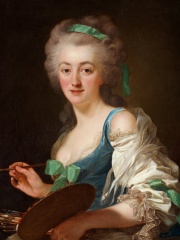
Anne Vallayer-Coster
PAINTER
1744 - 1818
HPI : 61.66
Rang : 2,792
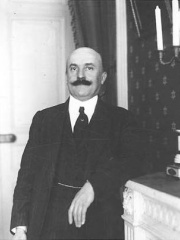
Joseph Caillaux
POLITICIAN
1863 - 1944
HPI : 61.66
Rang : 2,793
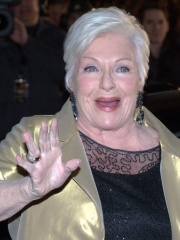
Line Renaud
SINGER
1928 - présent
HPI : 61.65
Rang : 2,794
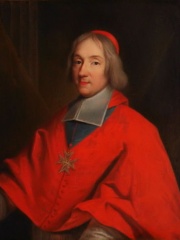
Louis Antoine de Noailles
RELIGIOUS FIGURE
1651 - 1729
HPI : 61.65
Rang : 2,795

Alain Robert
MOUNTAINEER
1962 - présent
HPI : 61.64
Rang : 2,796
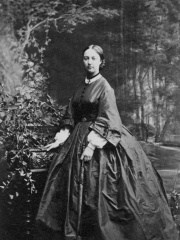
Princess Françoise of Orléans
POLITICIAN
1844 - 1925
HPI : 61.64
Rang : 2,797
Parmi les Historien en France
Parmi les Historien nés en France, Roger Chartier occupe le rang 28. Avant lui viennent François Furet (1927), Augustin Thierry (1795), Charles Diehl (1859), George Cœdès (1886), Henri Maspero (1883), et Paul Veyne (1930). Après lui viennent Edgar Quinet (1803), Joseph de Guignes (1721), Bernard Desclot (1201), Charles Rollin (1661), Régine Pernoud (1909), et André Clot (1909).

François Furet
1927 - 1997
HPI : 63.07
Rang : 22
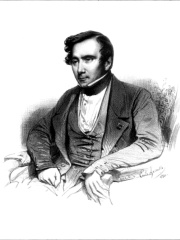
Augustin Thierry
1795 - 1856
HPI : 62.83
Rang : 23
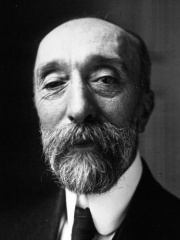
Charles Diehl
1859 - 1944
HPI : 62.52
Rang : 24
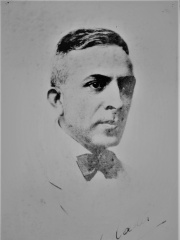
George Cœdès
1886 - 1969
HPI : 62.29
Rang : 25
Henri Maspero
1883 - 1945
HPI : 61.77
Rang : 26
Paul Veyne
1930 - 2022
HPI : 61.67
Rang : 27
Roger Chartier
1945 - présent
HPI : 61.66
Rang : 28
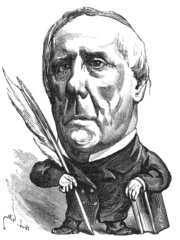
Edgar Quinet
1803 - 1875
HPI : 61.36
Rang : 29

Joseph de Guignes
1721 - 1800
HPI : 60.79
Rang : 30
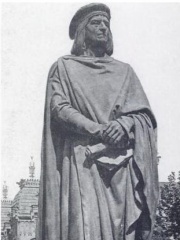
Bernard Desclot
1201 - 1287
HPI : 60.47
Rang : 31
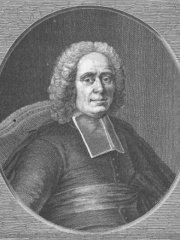
Charles Rollin
1661 - 1741
HPI : 60.21
Rang : 32

Régine Pernoud
1909 - 1998
HPI : 60.11
Rang : 33

André Clot
1909 - 2002
HPI : 59.88
Rang : 34




