Mathématicien
Andrew Wiles
1953 - aujourd'hui
PAGES VUES SUR FR.WIKIPEDIA (PV)

 Andrew Wiles
Sa biographie est disponible en 62 langues sur Wikipédia (en hausse par rapport à 60 en 2024). Andrew Wiles est le 134th mathématicien le plus populaire (en hausse du 142nd en 2024), la 751st biographie la plus populaire d'Allemagne (en hausse du 880th en 2019), ainsi que le 17th mathématicien d'Allemagne le plus populaire.
Indicateurs de mémorabilité
290k
Pages vues
12 derniers mois
69.99
HPI
Indice de popularité historique
Faits marquants
62
La biographie de Andrew Wiles figure dans 62 éditions linguistiques de Wikipédia — plus que 93 % de l'ensemble des Mathématicien.
11 avr.
Andrew Wiles partage sa date d'anniversaire (11 avril) avec Septimius Severus, Sergei Prokofiev et Anton LaVey.
Pages vues de Andrew Wiles par langue
Parmi les Mathématicien
Parmi les Mathématicien, Andrew Wiles occupe le rang 134 sur 1,004. Avant lui viennent Jacques Hadamard, Lodovico Ferrari, Maurice René Fréchet, Charles Hermite, Émile Borel, et Theon of Alexandria. Après lui viennent Meton of Athens, Liu Hui, Hermann Weyl, Hermann of Reichenau, Annie S. D. Maunder, et Zu Chongzhi.
Mathématicien les plus populaires sur Wikipédia
Voir tous les classements
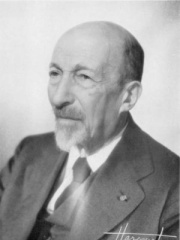
Jacques Hadamard
1865 - 1963
HPI : 70.48
Rang : 128
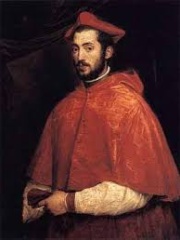
Lodovico Ferrari
1522 - 1565
HPI : 70.38
Rang : 129
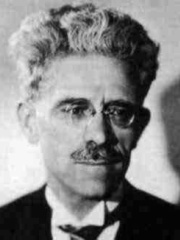
Maurice René Fréchet
1878 - 1973
HPI : 70.25
Rang : 130
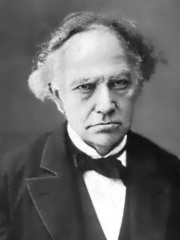
Charles Hermite
1822 - 1901
HPI : 70.19
Rang : 131
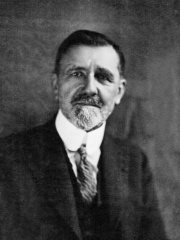
Émile Borel
1871 - 1956
HPI : 70.00
Rang : 132

Theon of Alexandria
335 - 405
HPI : 70.00
Rang : 133
Andrew Wiles
1953 - présent
HPI : 69.99
Rang : 134

Meton of Athens
500 BC - 460 BC
HPI : 69.92
Rang : 135
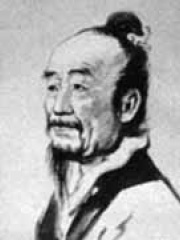
Liu Hui
225 - 295
HPI : 69.90
Rang : 136
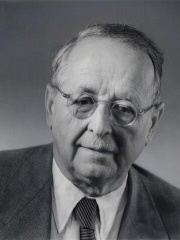
Hermann Weyl
1885 - 1955
HPI : 69.71
Rang : 137
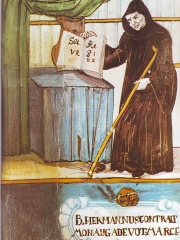
Hermann of Reichenau
1013 - 1054
HPI : 69.62
Rang : 138
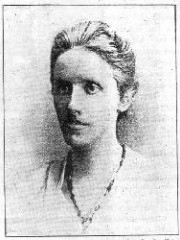
Annie S. D. Maunder
1868 - 1947
HPI : 69.62
Rang : 139

Zu Chongzhi
429 - 500
HPI : 69.57
Rang : 140

Contemporains
Parmi les personnes nées en 1953, Andrew Wiles occupe le rang 36. Avant lui viennent Fatih Terim, Thomas Friedman, Cha Bum-kun, Thomas Bach, Hulk Hogan, et Andrés Manuel López Obrador. Après lui viennent Daniel Passarella, Peter Stormare, Paulo Roberto Falcão, Carlos Queiroz, Guy Verhofstadt, et Toomas Hendrik Ilves.
Autres personnes nées en 1953
Voir tous les classements
Fatih Terim
COACH
1953 - présent
HPI : 70.74
Rang : 30
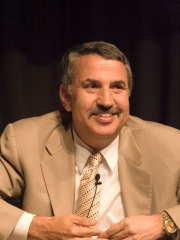
Thomas Friedman
WRITER
1953 - présent
HPI : 70.66
Rang : 31

Cha Bum-kun
SOCCER PLAYER
1953 - présent
HPI : 70.61
Rang : 32
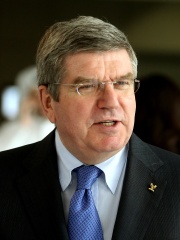
Thomas Bach
POLITICIAN
1953 - présent
HPI : 70.13
Rang : 33

Hulk Hogan
WRESTLER
1953 - 2025
HPI : 70.08
Rang : 34
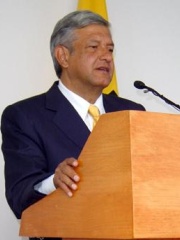
Andrés Manuel López Obrador
POLITICIAN
1953 - présent
HPI : 70.04
Rang : 35
Andrew Wiles
MATHEMATICIAN
1953 - présent
HPI : 69.99
Rang : 36

Daniel Passarella
SOCCER PLAYER
1953 - présent
HPI : 69.86
Rang : 37

Peter Stormare
ACTOR
1953 - présent
HPI : 69.73
Rang : 38
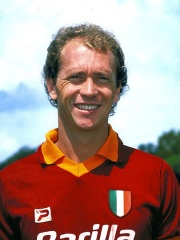
Paulo Roberto Falcão
SOCCER PLAYER
1953 - présent
HPI : 69.53
Rang : 39

Carlos Queiroz
SOCCER PLAYER
1953 - présent
HPI : 69.51
Rang : 40

Guy Verhofstadt
POLITICIAN
1953 - présent
HPI : 69.50
Rang : 41

Toomas Hendrik Ilves
POLITICIAN
1953 - présent
HPI : 69.38
Rang : 42
En Allemagne
Parmi les personnes nées en Allemagne, Andrew Wiles occupe le rang 751 sur 7,253. Avant lui viennent Wilhelm Tempel (1821), Michael Thonet (1796), Otto Rehhagel (1938), Sandra (1962), Otto Grotewohl (1894), et Hugh of Saint Victor (1096). Après lui viennent Johann Wilhelm, Duke of Saxe-Weimar (1530), Werner von Haeften (1908), Carlos Kleiber (1930), Albert, King of Sweden (1340), William IV, Grand Duke of Luxembourg (1852), et Bruno Walter (1876).
Autres personnes nées en Allemagne
Voir tous les classements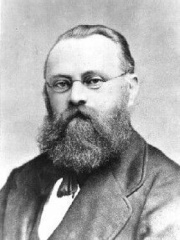
Wilhelm Tempel
ASTRONOMER
1821 - 1889
HPI : 70.03
Rang : 745
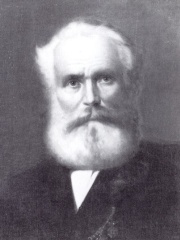
Michael Thonet
DESIGNER
1796 - 1871
HPI : 70.03
Rang : 746

Otto Rehhagel
COACH
1938 - présent
HPI : 70.01
Rang : 747

Sandra
SINGER
1962 - présent
HPI : 70.00
Rang : 748
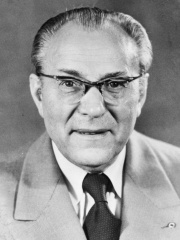
Otto Grotewohl
POLITICIAN
1894 - 1964
HPI : 70.00
Rang : 749
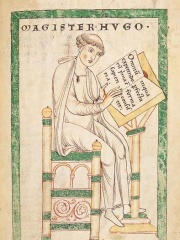
Hugh of Saint Victor
PHILOSOPHER
1096 - 1141
HPI : 69.99
Rang : 750
Andrew Wiles
MATHEMATICIAN
1953 - présent
HPI : 69.99
Rang : 751
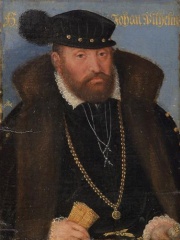
Johann Wilhelm, Duke of Saxe-Weimar
POLITICIAN
1530 - 1573
HPI : 69.97
Rang : 752
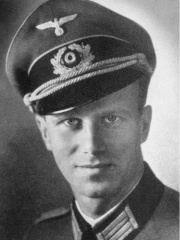
Werner von Haeften
POLITICIAN
1908 - 1944
HPI : 69.97
Rang : 753
Carlos Kleiber
MUSICIAN
1930 - 2004
HPI : 69.96
Rang : 754

Albert, King of Sweden
POLITICIAN
1340 - 1412
HPI : 69.95
Rang : 755
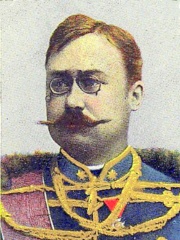
William IV, Grand Duke of Luxembourg
POLITICIAN
1852 - 1912
HPI : 69.95
Rang : 756
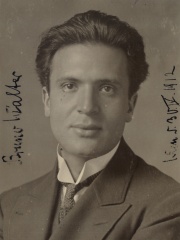
Bruno Walter
CONDUCTOR
1876 - 1962
HPI : 69.94
Rang : 757
Parmi les Mathématicien en Allemagne
Parmi les Mathématicien nés en Allemagne, Andrew Wiles occupe le rang 17. Avant lui viennent Richard Dedekind (1831), Regiomontanus (1436), Alexander Grothendieck (1928), Carl Gustav Jacob Jacobi (1804), Felix Klein (1849), et Christopher Clavius (1538). Après lui viennent Hermann Weyl (1885), Hermann of Reichenau (1013), Ferdinand von Lindemann (1852), Carl David Tolmé Runge (1856), Johannes Trithemius (1462), et Ernst Schröder (1841).
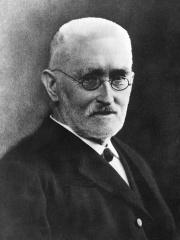
Richard Dedekind
1831 - 1916
HPI : 74.59
Rang : 11
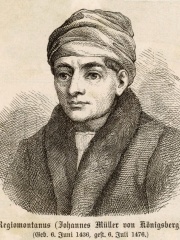
Regiomontanus
1436 - 1476
HPI : 73.88
Rang : 12
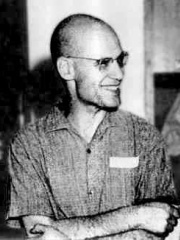
Alexander Grothendieck
1928 - 2014
HPI : 73.27
Rang : 13
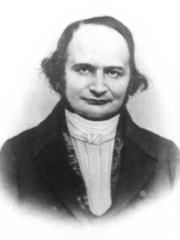
Carl Gustav Jacob Jacobi
1804 - 1851
HPI : 72.22
Rang : 14
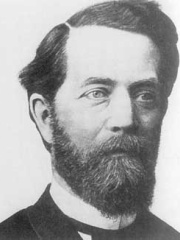
Felix Klein
1849 - 1925
HPI : 72.08
Rang : 15
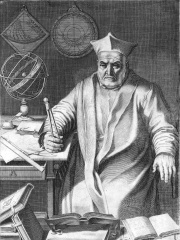
Christopher Clavius
1538 - 1612
HPI : 70.96
Rang : 16
Andrew Wiles
1953 - présent
HPI : 69.99
Rang : 17
Hermann Weyl
1885 - 1955
HPI : 69.71
Rang : 18
Hermann of Reichenau
1013 - 1054
HPI : 69.62
Rang : 19
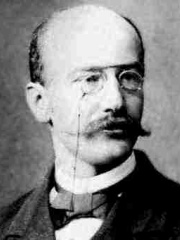
Ferdinand von Lindemann
1852 - 1939
HPI : 69.36
Rang : 20
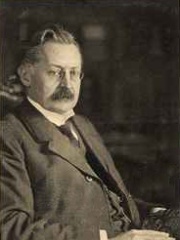
Carl David Tolmé Runge
1856 - 1927
HPI : 68.53
Rang : 21
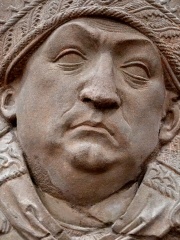
Johannes Trithemius
1462 - 1516
HPI : 68.46
Rang : 22
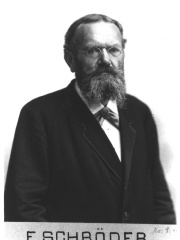
Ernst Schröder
1841 - 1902
HPI : 67.42
Rang : 23




