Político
Shalmaneser II
1090 BC - 1019 BC
ES.WIKIPEDIA PAGE VIEWS (PV)
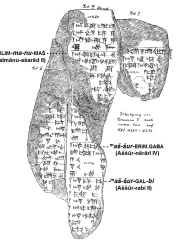
 Shalmaneser II
Su biografía está disponible en 26 idiomas en Wikipedia (aumentó de 25 en 2024). Shalmaneser II ocupa el puesto 9510 entre los político más populares (bajó del puesto 9002 en 2024), el puesto 218 entre las biografías más populares de Irak (subió del puesto 225 en 2019) y el puesto 141 entre los político de irak más populares.
Memorability Metrics
21k
Page Views
Past 12 months
61.78
HPI
Historical Popularity Index
Page views of Shalmaneser II by language
Among Políticos
Among políticos, Shalmaneser II ranks 9,505 out of 19,576. Before him are Adelaide of Susa, Malietoa Tanumafili II, Hiranuma Kiichirō, Catherine Henriette de Balzac d'Entragues, Bongsang of Goguryeo, and Mirek Topolánek. After him are Orodes I of Parthia, Bob Casey Jr., Fa of Xia, Infante Sebastian of Portugal and Spain, Rani Durgavati, and Caesar Augustus Rodney.
Most Popular Políticos in Wikipedia
Go to all Rankings
Adelaide of Susa
1020 - 1091
HPI: 61.78
Rank: 9,504

Malietoa Tanumafili II
1913 - 2007
HPI: 61.78
Rank: 9,505
Hiranuma Kiichirō
1867 - 1952
HPI: 61.78
Rank: 9,506
Catherine Henriette de Balzac d'Entragues
1579 - 1633
HPI: 61.78
Rank: 9,507
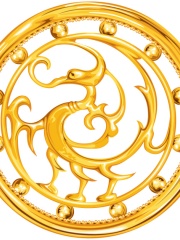
Bongsang of Goguryeo
300 - 300
HPI: 61.78
Rank: 9,508
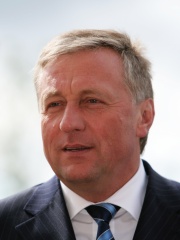
Mirek Topolánek
1956 - Present
HPI: 61.78
Rank: 9,509
Shalmaneser II
1090 BC - 1019 BC
HPI: 61.78
Rank: 9,510
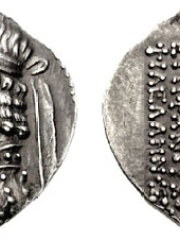
Orodes I of Parthia
190 BC - 90 BC
HPI: 61.78
Rank: 9,511
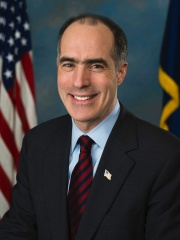
Bob Casey Jr.
1960 - Present
HPI: 61.78
Rank: 9,512

Fa of Xia
HPI: 61.77
Rank: 9,513
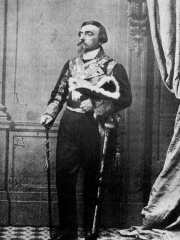
Infante Sebastian of Portugal and Spain
1811 - 1875
HPI: 61.77
Rank: 9,514
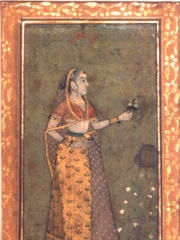
Rani Durgavati
1524 - 1564
HPI: 61.77
Rank: 9,515
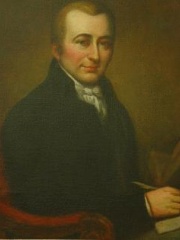
Caesar Augustus Rodney
1772 - 1824
HPI: 61.77
Rank: 9,516

Contemporaries
Among people born in 1090 BC, Shalmaneser II ranks 2. Before him is Jiang Ziya. Among people deceased in 1019 BC, Shalmaneser II ranks 1.
Others Born in 1090 BC
Go to all Rankings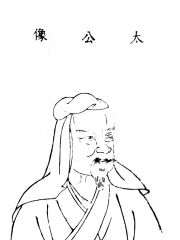
Jiang Ziya
POLITICIAN
1090 BC - 1015 BC
HPI: 70.98
Rank: 1
Shalmaneser II
POLITICIAN
1090 BC - 1019 BC
HPI: 61.78
Rank: 2
Others Deceased in 1019 BC
Go to all RankingsIn Irak
Among people born in Irak, Shalmaneser II ranks 218 out of NaN. Before him are Ghazi Mashal Ajil al-Yawer (1958), Sa'dun Hammadi (1930), Al-Sharif al-Radi (970), Al-Akhtal al-Taghlibi (640), Al-Khatib al-Baghdadi (1002), and Qusay Hussein (1966). After him are Ashurnasirpal I (-1100), Ibn Wahshiyya (900), Sayf al-Din Ghazi I (1200), Emmanuel III Delly (1927), Al-Farazdaq (641), and Burna-Buriash II (-1400).
Others born in Irak
Go to all Rankings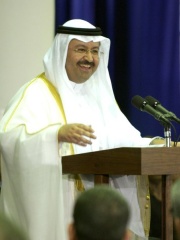
Ghazi Mashal Ajil al-Yawer
POLITICIAN
1958 - Present
HPI: 62.37
Rank: 212
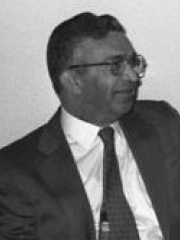
Sa'dun Hammadi
POLITICIAN
1930 - 2007
HPI: 62.14
Rank: 213
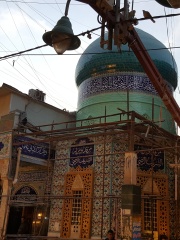
Al-Sharif al-Radi
WRITER
970 - 1015
HPI: 62.01
Rank: 214

Al-Akhtal al-Taghlibi
POLITICIAN
640 - 710
HPI: 62.00
Rank: 215

Al-Khatib al-Baghdadi
HISTORIAN
1002 - 1071
HPI: 61.96
Rank: 216
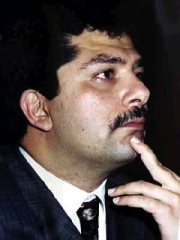
Qusay Hussein
POLITICIAN
1966 - 2003
HPI: 61.89
Rank: 217
Shalmaneser II
POLITICIAN
1090 BC - 1019 BC
HPI: 61.78
Rank: 218
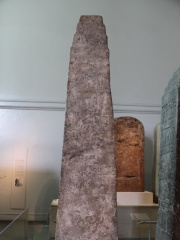
Ashurnasirpal I
POLITICIAN
1100 BC - 1060 BC
HPI: 61.76
Rank: 219
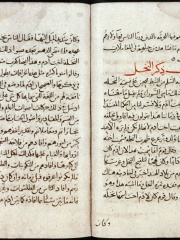
Ibn Wahshiyya
HISTORIAN
900 - 930
HPI: 61.75
Rank: 220
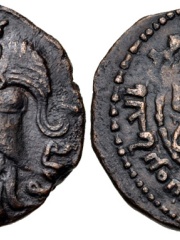
Sayf al-Din Ghazi I
POLITICIAN
1200 - 1149
HPI: 61.74
Rank: 221
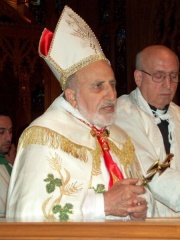
Emmanuel III Delly
RELIGIOUS FIGURE
1927 - 2014
HPI: 61.74
Rank: 222
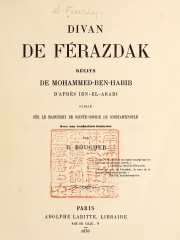
Al-Farazdaq
WRITER
641 - 728
HPI: 61.71
Rank: 223
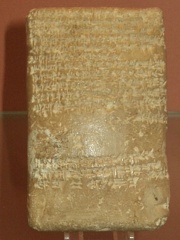
Burna-Buriash II
POLITICIAN
1400 BC - 1400 BC
HPI: 61.65
Rank: 224
Among Políticos In Irak
Among políticos born in Irak, Shalmaneser II ranks 141. Before him are Manishtushu (null), Shar-Kali-Sharri (null), Ghazi Mashal Ajil al-Yawer (1958), Sa'dun Hammadi (1930), Al-Akhtal al-Taghlibi (640), and Qusay Hussein (1966). After him are Ashurnasirpal I (-1100), Sayf al-Din Ghazi I (1200), Burna-Buriash II (-1400), Nechirvan Barzani (1966), Binyamin Ben-Eliezer (1936), and Shu-Sin (null).
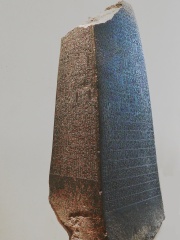
Manishtushu
HPI: 62.61
Rank: 135
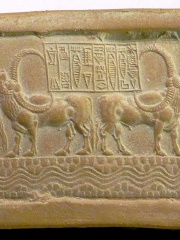
Shar-Kali-Sharri
HPI: 62.61
Rank: 136
Ghazi Mashal Ajil al-Yawer
1958 - Present
HPI: 62.37
Rank: 137
Sa'dun Hammadi
1930 - 2007
HPI: 62.14
Rank: 138
Al-Akhtal al-Taghlibi
640 - 710
HPI: 62.00
Rank: 139
Qusay Hussein
1966 - 2003
HPI: 61.89
Rank: 140
Shalmaneser II
1090 BC - 1019 BC
HPI: 61.78
Rank: 141
Ashurnasirpal I
1100 BC - 1060 BC
HPI: 61.76
Rank: 142
Sayf al-Din Ghazi I
1200 - 1149
HPI: 61.74
Rank: 143
Burna-Buriash II
1400 BC - 1400 BC
HPI: 61.65
Rank: 144
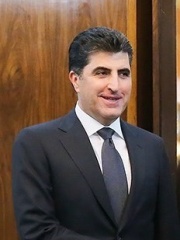
Nechirvan Barzani
1966 - Present
HPI: 61.56
Rank: 145
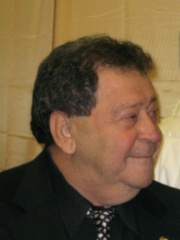
Binyamin Ben-Eliezer
1936 - 2016
HPI: 61.33
Rank: 146
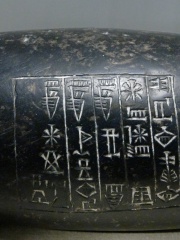
Shu-Sin
HPI: 61.32
Rank: 147




