Entrenador
Arrigo Sacchi
1946 - presente
VISITAS EN ES.WIKIPEDIA (PV)
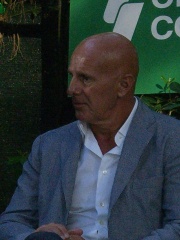
 Arrigo Sacchi
Su biografía está disponible en 38 idiomas en Wikipedia (aumentó de 37 en 2024). Arrigo Sacchi ocupa el puesto 27 entre los entrenador más populares (bajó del puesto 25 en 2024), el puesto 676 entre las biografías más populares de Italia (bajó del puesto 620 en 2019) y el puesto 7 entre los entrenador de italia más populares.
Métricas de memorabilidad
390k
Visitas
Últimos 12 meses
72.75
HPI
Índice de Popularidad Histórica
Datos destacados
38
La biografía de Arrigo Sacchi aparece en 38 ediciones lingüísticas de Wikipedia, más que el 83 % de los Entrenador.
1 abr
Arrigo Sacchi comparte cumpleaños (1 de abril) con Otto von Bismarck, Milan Kundera y Wangari Maathai.
Visitas a la página de Arrigo Sacchi por idioma
Entre Entrenador
Entre Entrenador, Arrigo Sacchi ocupa el puesto 27 de 471. Antes de él están Luis Aragonés, Jürgen Klopp, Diego Simeone, Sven-Göran Eriksson, Sepp Maier, y Frank Rijkaard. Después de él están Joachim Löw, Carlos Alberto Parreira, Manuel Pellegrini, Ronald Koeman, Ernst Happel, y Fatih Terim.
Entrenador más populares en Wikipedia
Ver todas las clasificaciones
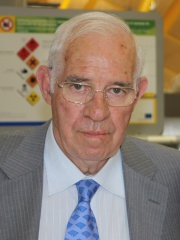
Luis Aragonés
1938 - 2014
HPI: 74.00
Puesto: 21
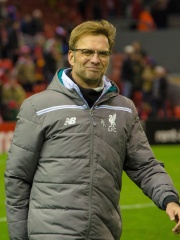
Jürgen Klopp
1967 - presente
HPI: 73.67
Puesto: 22
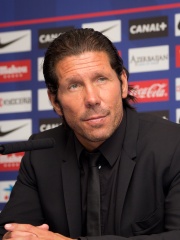
Diego Simeone
1970 - presente
HPI: 73.34
Puesto: 23
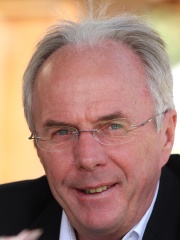
Sven-Göran Eriksson
1948 - 2024
HPI: 73.26
Puesto: 24
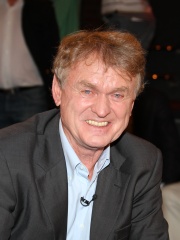
Sepp Maier
1944 - presente
HPI: 73.14
Puesto: 25
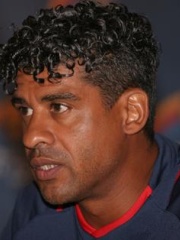
Frank Rijkaard
1962 - presente
HPI: 73.02
Puesto: 26
Arrigo Sacchi
1946 - presente
HPI: 72.75
Puesto: 27
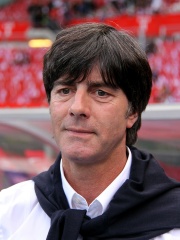
Joachim Löw
1960 - presente
HPI: 72.65
Puesto: 28
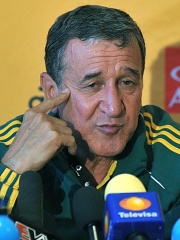
Carlos Alberto Parreira
1943 - presente
HPI: 72.47
Puesto: 29
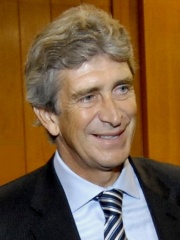
Manuel Pellegrini
1953 - presente
HPI: 72.36
Puesto: 30

Ronald Koeman
1963 - presente
HPI: 72.03
Puesto: 31
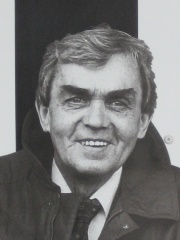
Ernst Happel
1925 - 1992
HPI: 71.53
Puesto: 32
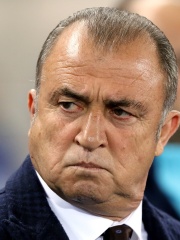
Fatih Terim
1953 - presente
HPI: 70.74
Puesto: 33

Contemporáneos
Entre las personas nacidas en 1946, Arrigo Sacchi ocupa el puesto 49. Antes de él están Oliver Stone, Masoud Barzani, Paul Alexander, Timothy Dalton, David Suchet, y Liza Minnelli. Después de él están Patriarch Kirill of Moscow, Boris Berezovsky, John Waters, Sally Field, Thongloun Sisoulith, y André the Giant.
Otras personas nacidas en 1946
Ver todas las clasificaciones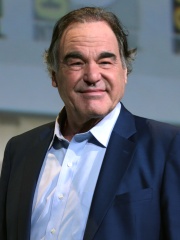
Oliver Stone
FILM DIRECTOR
1946 - presente
HPI: 74.09
Puesto: 43
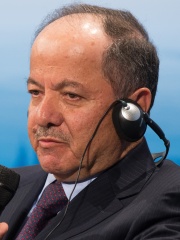
Masoud Barzani
POLITICIAN
1946 - presente
HPI: 73.21
Puesto: 44
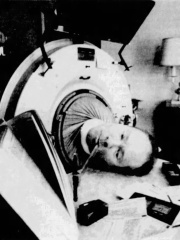
Paul Alexander
LAWYER
1946 - 2024
HPI: 73.16
Puesto: 45
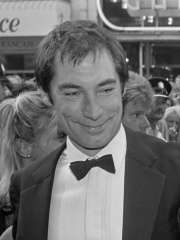
Timothy Dalton
ACTOR
1946 - presente
HPI: 73.15
Puesto: 46
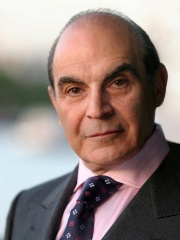
David Suchet
ACTOR
1946 - presente
HPI: 73.07
Puesto: 47
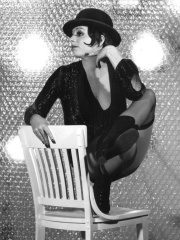
Liza Minnelli
ACTOR
1946 - presente
HPI: 73.04
Puesto: 48
Arrigo Sacchi
COACH
1946 - presente
HPI: 72.75
Puesto: 49
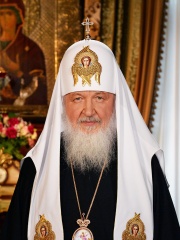
Patriarch Kirill of Moscow
RELIGIOUS FIGURE
1946 - presente
HPI: 72.65
Puesto: 50
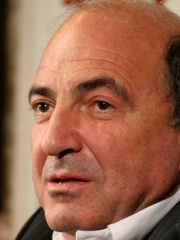
Boris Berezovsky
BUSINESSPERSON
1946 - 2013
HPI: 72.25
Puesto: 51
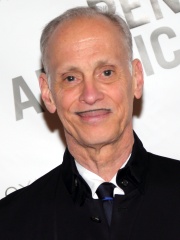
John Waters
FILM DIRECTOR
1946 - presente
HPI: 72.23
Puesto: 52
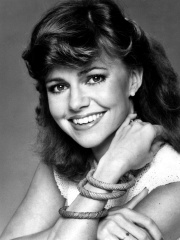
Sally Field
ACTOR
1946 - presente
HPI: 72.20
Puesto: 53
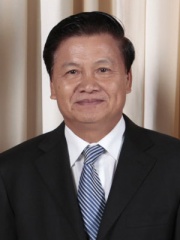
Thongloun Sisoulith
POLITICIAN
1946 - presente
HPI: 72.18
Puesto: 54
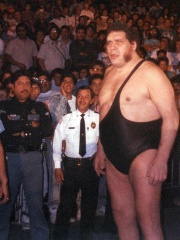
André the Giant
WRESTLER
1946 - 1993
HPI: 71.98
Puesto: 55
En Italia
Entre las personas nacidas en Italia, Arrigo Sacchi ocupa el puesto 676 de 5,161. Antes de él están Pierluigi Collina (1960), Giorgio Moroder (1940), Umberto Nobile (1885), Frank Capra (1897), Paul the Deacon (720), y Aldus Manutius (1449). Después de él están Bianca Maria Sforza (1472), Maria Theresa of Austria (1767), Lidia Poët (1855), Josephine of Leuchtenberg (1807), Giovanni Giustiniani (1418), y Francis of Paola (1416).
Otras personas nacidas en Italia
Ver todas las clasificaciones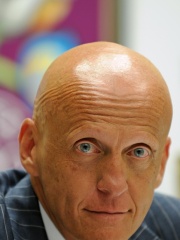
Pierluigi Collina
REFEREE
1960 - presente
HPI: 72.79
Puesto: 670
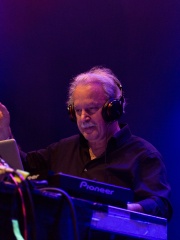
Giorgio Moroder
MUSICIAN
1940 - presente
HPI: 72.78
Puesto: 671
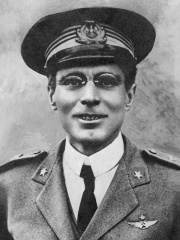
Umberto Nobile
ENGINEER
1885 - 1978
HPI: 72.78
Puesto: 672
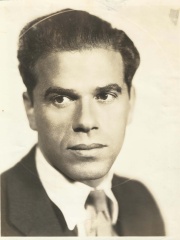
Frank Capra
FILM DIRECTOR
1897 - 1991
HPI: 72.77
Puesto: 673
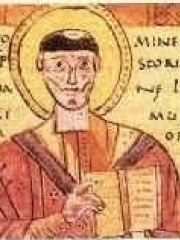
Paul the Deacon
RELIGIOUS FIGURE
720 - 799
HPI: 72.76
Puesto: 674
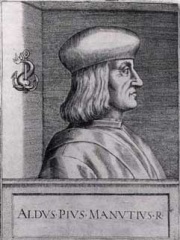
Aldus Manutius
DESIGNER
1449 - 1515
HPI: 72.76
Puesto: 675
Arrigo Sacchi
COACH
1946 - presente
HPI: 72.75
Puesto: 676
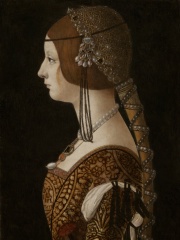
Bianca Maria Sforza
COMPANION
1472 - 1510
HPI: 72.74
Puesto: 677
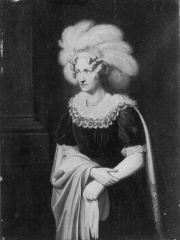
Maria Theresa of Austria
POLITICIAN
1767 - 1827
HPI: 72.72
Puesto: 678
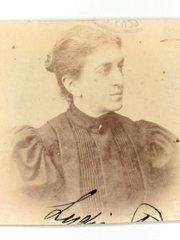
Lidia Poët
LAWYER
1855 - 1949
HPI: 72.71
Puesto: 679
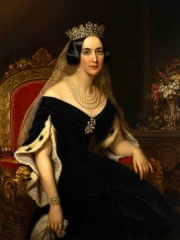
Josephine of Leuchtenberg
COMPANION
1807 - 1876
HPI: 72.71
Puesto: 680
Giovanni Giustiniani
MILITARY PERSONNEL
1418 - 1453
HPI: 72.70
Puesto: 681
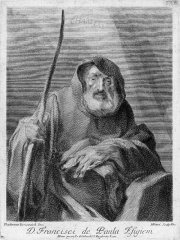
Francis of Paola
RELIGIOUS FIGURE
1416 - 1507
HPI: 72.69
Puesto: 682
Entre Entrenador en Italia
Entre Entrenador nacidos en Italia, Arrigo Sacchi ocupa el puesto 7. Antes de él están Carlo Ancelotti (1959), Dino Zoff (1942), Fabio Capello (1946), Claudio Ranieri (1951), Giovanni Trapattoni (1939), y Marcello Lippi (1948). Después de él están Luciano Spalletti (1959), Maurizio Sarri (1959), Massimiliano Allegri (1967), Enzo Bearzot (1927), Alberto Zaccheroni (1953), y Stefano Pioli (1965).
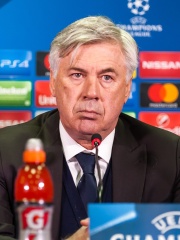
Carlo Ancelotti
1959 - presente
HPI: 81.23
Puesto: 1
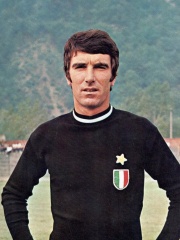
Dino Zoff
1942 - presente
HPI: 76.82
Puesto: 2
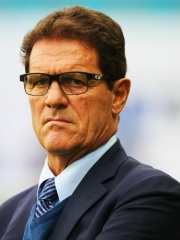
Fabio Capello
1946 - presente
HPI: 76.04
Puesto: 3
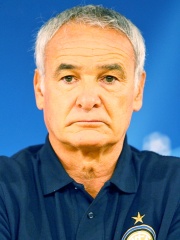
Claudio Ranieri
1951 - presente
HPI: 76.00
Puesto: 4
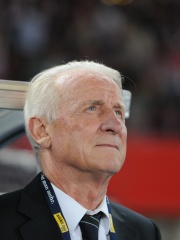
Giovanni Trapattoni
1939 - presente
HPI: 75.09
Puesto: 5
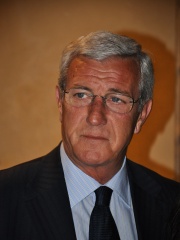
Marcello Lippi
1948 - presente
HPI: 74.05
Puesto: 6
Arrigo Sacchi
1946 - presente
HPI: 72.75
Puesto: 7
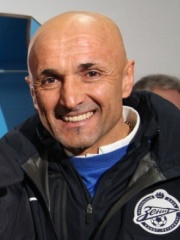
Luciano Spalletti
1959 - presente
HPI: 68.32
Puesto: 8
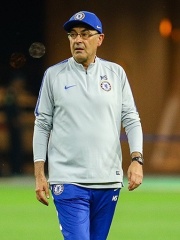
Maurizio Sarri
1959 - presente
HPI: 68.09
Puesto: 9
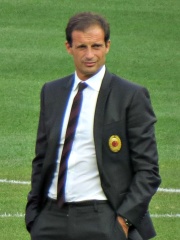
Massimiliano Allegri
1967 - presente
HPI: 67.29
Puesto: 10
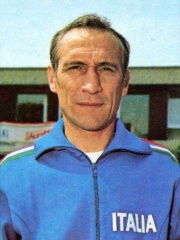
Enzo Bearzot
1927 - 2010
HPI: 67.19
Puesto: 11
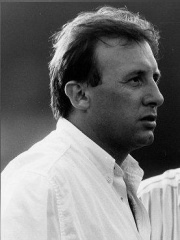
Alberto Zaccheroni
1953 - presente
HPI: 65.51
Puesto: 12
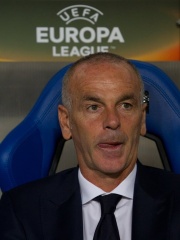
Stefano Pioli
1965 - presente
HPI: 65.50
Puesto: 13




