Politician
Princess Tarakanova
Pretender to the Russian throne
EN.WIKIPEDIA PAGE VIEWS (PV)

 Princess Tarakanova
Her biography is available in 13 different languages on Wikipedia. Princess Tarakanova is the 14,691st most popular politician, the 874th most popular biography from Austria and the 206th most popular Austrian Politician.
Princess Tarakanova is most famous for claiming to be the illegitimate daughter of Empress Elizabeth of Russia and posing as a pretender to the throne in the 18th century. Surprisingly, she was captured by Russian agents in Italy and died in prison under mysterious circumstances, possibly from illness or suicide. Her legacy endures through romanticized depictions in art and literature, symbolizing the perils of political intrigue in imperial Russia.
Memorability Metrics
190k
Page Views
Past 12 months
56.27
HPI
Historical Popularity Index
Page views of Princess Tarakanova by language
Among Politicians
Among politicians, Princess Tarakanova ranks 14,685 out of 19,576. Before her are Paulo Maluf, Jens Christian Christensen, Virginia Hall, Polymestor, Rudolf Gnägi, and Adrian Hasler. After her are Jack McConnell, Hau Pei-tsun, Publius Claudius Pulcher, Marc Forné Molné, Nikola Šainović, and Nasser Al-Sabah.
Most Popular Politicians in Wikipedia
Go to all Rankings
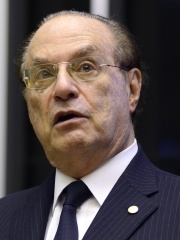
Paulo Maluf
1931 - Present
HPI: 56.28
Rank: 14,685
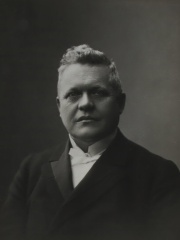
Jens Christian Christensen
1856 - 1930
HPI: 56.27
Rank: 14,686
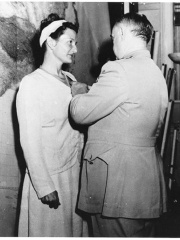
Virginia Hall
1906 - 1982
HPI: 56.27
Rank: 14,687

Polymestor
HPI: 56.27
Rank: 14,688

Rudolf Gnägi
1917 - 1985
HPI: 56.27
Rank: 14,689

Adrian Hasler
1964 - Present
HPI: 56.27
Rank: 14,690
Princess Tarakanova
HPI: 56.27
Rank: 14,691

Jack McConnell
1960 - Present
HPI: 56.27
Rank: 14,692

Hau Pei-tsun
1919 - 2020
HPI: 56.27
Rank: 14,693

Publius Claudius Pulcher
300 BC - 200 BC
HPI: 56.27
Rank: 14,694
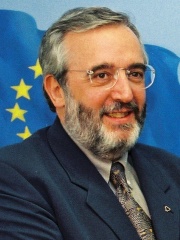
Marc Forné Molné
1946 - Present
HPI: 56.27
Rank: 14,695
Nikola Šainović
1948 - Present
HPI: 56.26
Rank: 14,696
Nasser Al-Sabah
1940 - Present
HPI: 56.26
Rank: 14,697

In Austria
Among people born in Austria, Princess Tarakanova ranks 874 out of NaN. Before her are Otto Kaiser (1901), Géza Csáth (1887), Heinrich Schiff (1951), Fritz Wotruba (1907), Joseph Woelfl (1773), and Josef Danhauser (1805). After her are Ralph Hasenhüttl (1967), Hans Gál (1890), Julius von Hann (1839), Parov Stelar (1974), Erich Hof (1936), and Mick Blue (1976).
Others born in Austria
Go to all Rankings
Otto Kaiser
SKATER
1901 - 1977
HPI: 56.49
Rank: 868
Géza Csáth
WRITER
1887 - 1919
HPI: 56.48
Rank: 869

Heinrich Schiff
MUSICIAN
1951 - 2016
HPI: 56.46
Rank: 870

Fritz Wotruba
SCULPTOR
1907 - 1975
HPI: 56.45
Rank: 871
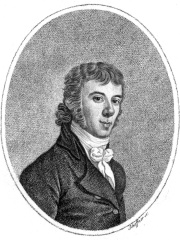
Joseph Woelfl
MUSICIAN
1773 - 1812
HPI: 56.40
Rank: 872
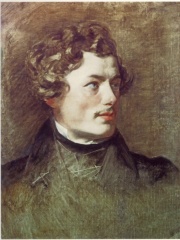
Josef Danhauser
PAINTER
1805 - 1845
HPI: 56.31
Rank: 873
Princess Tarakanova
POLITICIAN
HPI: 56.27
Rank: 874

Ralph Hasenhüttl
SOCCER PLAYER
1967 - Present
HPI: 56.27
Rank: 875
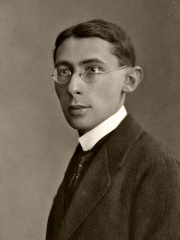
Hans Gál
COMPOSER
1890 - 1987
HPI: 56.25
Rank: 876
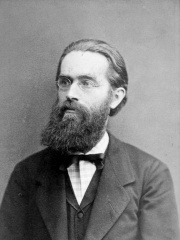
Julius von Hann
CELEBRITY
1839 - 1921
HPI: 56.23
Rank: 877

Parov Stelar
MUSICIAN
1974 - Present
HPI: 56.22
Rank: 878
Erich Hof
SOCCER PLAYER
1936 - 1995
HPI: 56.22
Rank: 879

Mick Blue
PORNOGRAPHIC ACTOR
1976 - Present
HPI: 56.21
Rank: 880
Among Politicians In Austria
Among politicians born in Austria, Princess Tarakanova ranks 206. Before her are Carl Vaugoin (1873), Baron Ignaz von Plener (1810), Alfred Gusenbauer (1960), Karin Kneissl (1965), Christian Schwarz-Schilling (1930), and Franz Bartl (1915). After her are Christian Kern (1966), Heinz-Christian Strache (1969), Margarete Adler (1896), Liese Prokop (1941), Johannes Hahn (1957), and Werner Schlager (1972).
Carl Vaugoin
1873 - 1949
HPI: 57.52
Rank: 200
Baron Ignaz von Plener
1810 - 1908
HPI: 57.32
Rank: 201
Alfred Gusenbauer
1960 - Present
HPI: 57.16
Rank: 202
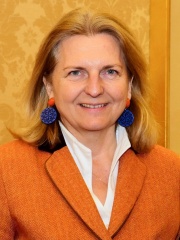
Karin Kneissl
1965 - Present
HPI: 56.78
Rank: 203
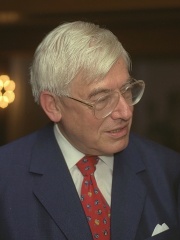
Christian Schwarz-Schilling
1930 - 2026
HPI: 56.76
Rank: 204

Franz Bartl
1915 - 1941
HPI: 56.58
Rank: 205
Princess Tarakanova
HPI: 56.27
Rank: 206
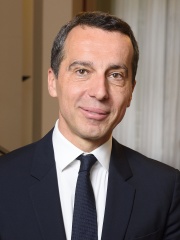
Christian Kern
1966 - Present
HPI: 55.94
Rank: 207

Heinz-Christian Strache
1969 - Present
HPI: 55.48
Rank: 208

Margarete Adler
1896 - 1990
HPI: 55.45
Rank: 209
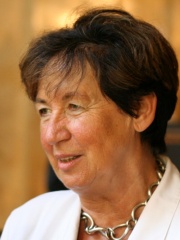
Liese Prokop
1941 - 2006
HPI: 55.07
Rank: 210

Johannes Hahn
1957 - Present
HPI: 54.49
Rank: 211
Werner Schlager
1972 - Present
HPI: 54.19
Rank: 212




