Politiker
Rudolf Gnägi
1917 - 1985
DE.WIKIPEDIA PAGE VIEWS (PV)

 Rudolf Gnägi
Seine Biografie ist in 17 verschiedenen Sprachen auf Wikipedia verfügbar (gestiegen von 16 im Jahr 2024). Rudolf Gnägi ist der 14,681st beliebteste Politiker (gestiegen vom 14,740th im Jahr 2024), die 505th beliebteste Biografie aus Schweiz (gestiegen vom 525th im Jahr 2019) und der 94th beliebteste aus der Schweiz Politiker.
Memorability Metrics
6.4k
Page Views
Past 12 months
56.27
HPI
Historical Popularity Index
Page views of Rudolf Gnägi by language
Among Politikers
Among politikers, Rudolf Gnägi ranks 14,675 out of 19,576. Before him are David V of Georgia, John Bruton, Paulo Maluf, Jens Christian Christensen, Virginia Hall, and Polymestor. After him are Adrian Hasler, Princess Tarakanova, Jack McConnell, Hau Pei-tsun, Publius Claudius Pulcher, and Marc Forné Molné.
Most Popular Politikers in Wikipedia
Go to all Rankings

David V of Georgia
1113 - 1155
HPI: 56.28
Rank: 14,675
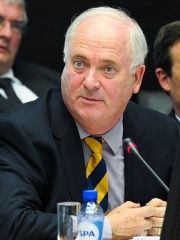
John Bruton
1947 - 2024
HPI: 56.28
Rank: 14,676
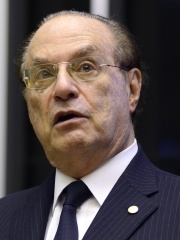
Paulo Maluf
1931 - Present
HPI: 56.28
Rank: 14,677
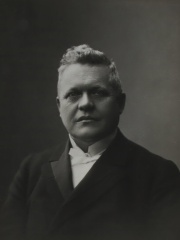
Jens Christian Christensen
1856 - 1930
HPI: 56.27
Rank: 14,678
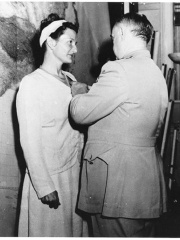
Virginia Hall
1906 - 1982
HPI: 56.27
Rank: 14,679

Polymestor
HPI: 56.27
Rank: 14,680
Rudolf Gnägi
1917 - 1985
HPI: 56.27
Rank: 14,681
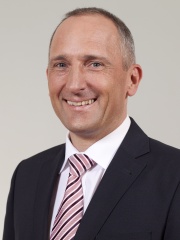
Adrian Hasler
1964 - Present
HPI: 56.27
Rank: 14,682
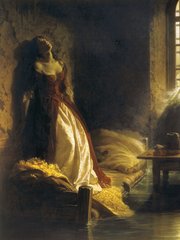
Princess Tarakanova
HPI: 56.27
Rank: 14,683
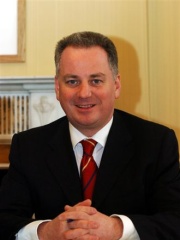
Jack McConnell
1960 - Present
HPI: 56.27
Rank: 14,684
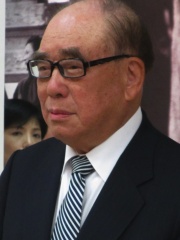
Hau Pei-tsun
1919 - 2020
HPI: 56.27
Rank: 14,685

Publius Claudius Pulcher
300 BC - 200 BC
HPI: 56.27
Rank: 14,686
Marc Forné Molné
1946 - Present
HPI: 56.27
Rank: 14,687

Contemporaries
Among people born in 1917, Rudolf Gnägi ranks 247. Before him are Li Rui, Dmitry Polyansky, Helen Suzman, Abdullah al-Sallal, Babiker Awadalla, and Fyodor Khitruk. After him are John Berry, Odd Lundberg, Paul Hubschmid, Kamal Ranadive, Melville Shavelson, and Charles Sibley. Among people deceased in 1985, Rudolf Gnägi ranks 185. Before him are Marie Bell, Bruno de Finetti, Margaret Molesworth, Lucien Michard, Uku Masing, and Victor Carlund. After him are Arkady Fiedler, Božo Broketa, Taylor Caldwell, George London, Myrtle Cook, and Harald Cramér.
Others Born in 1917
Go to all Rankings
Li Rui
POLITICIAN
1917 - 2019
HPI: 56.64
Rank: 241
Dmitry Polyansky
POLITICIAN
1917 - 2001
HPI: 56.60
Rank: 242
Helen Suzman
POLITICIAN
1917 - 2009
HPI: 56.58
Rank: 243
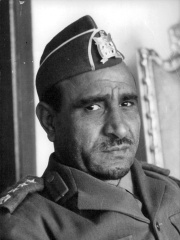
Abdullah al-Sallal
POLITICIAN
1917 - 1994
HPI: 56.49
Rank: 244
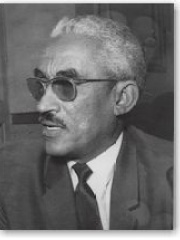
Babiker Awadalla
POLITICIAN
1917 - 2019
HPI: 56.48
Rank: 245
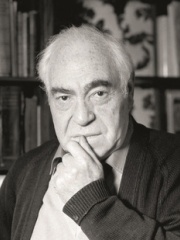
Fyodor Khitruk
FILM DIRECTOR
1917 - 2012
HPI: 56.35
Rank: 246
Rudolf Gnägi
POLITICIAN
1917 - 1985
HPI: 56.27
Rank: 247

John Berry
FILM DIRECTOR
1917 - 1999
HPI: 56.24
Rank: 248
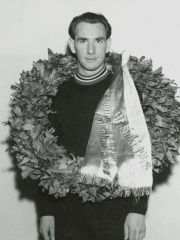
Odd Lundberg
SKATER
1917 - 1983
HPI: 56.21
Rank: 249
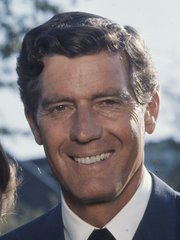
Paul Hubschmid
ACTOR
1917 - 2002
HPI: 56.20
Rank: 250
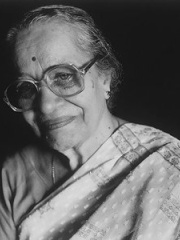
Kamal Ranadive
PHYSICIAN
1917 - 2001
HPI: 56.17
Rank: 251
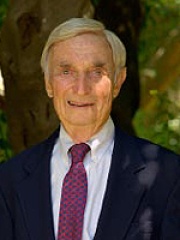
Melville Shavelson
FILM DIRECTOR
1917 - 2007
HPI: 56.17
Rank: 252

Charles Sibley
BIOLOGIST
1917 - 1998
HPI: 56.17
Rank: 253
Others Deceased in 1985
Go to all Rankings
Marie Bell
ACTOR
1900 - 1985
HPI: 56.56
Rank: 179
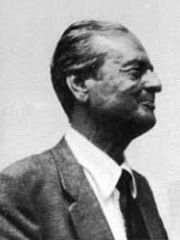
Bruno de Finetti
ECONOMIST
1906 - 1985
HPI: 56.55
Rank: 180
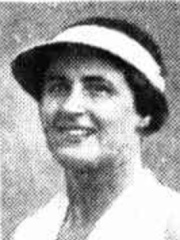
Margaret Molesworth
TENNIS PLAYER
1894 - 1985
HPI: 56.47
Rank: 181
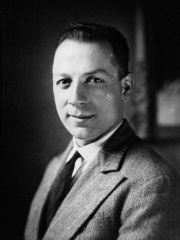
Lucien Michard
CYCLIST
1903 - 1985
HPI: 56.34
Rank: 182
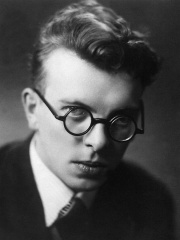
Uku Masing
PHILOSOPHER
1909 - 1985
HPI: 56.34
Rank: 183
Victor Carlund
SOCCER PLAYER
1906 - 1985
HPI: 56.29
Rank: 184
Rudolf Gnägi
POLITICIAN
1917 - 1985
HPI: 56.27
Rank: 185
Arkady Fiedler
WRITER
1894 - 1985
HPI: 56.12
Rank: 186

Božo Broketa
SOCCER PLAYER
1922 - 1985
HPI: 56.10
Rank: 187
Taylor Caldwell
WRITER
1900 - 1985
HPI: 56.10
Rank: 188
George London
SINGER
1920 - 1985
HPI: 56.08
Rank: 189
Myrtle Cook
POLITICIAN
1902 - 1985
HPI: 55.96
Rank: 190
Harald Cramér
MATHEMATICIAN
1893 - 1985
HPI: 55.95
Rank: 191
In Schweiz
Among people born in Schweiz, Rudolf Gnägi ranks 505 out of NaN. Before him are Aurelio Galfetti (1936), Numa Droz (1844), Carlo Clerici (1929), Massimo Busacca (1969), Eugeniusz Bodo (1899), and Daniel Risch (1978). After him are Paul Hubschmid (1917), Robert Alt (1927), Lionel Dunsterville (1865), Paul Martin (1901), Mauro Gianetti (1964), and Heinz Hermann (1958).
Others born in Schweiz
Go to all Rankings
Aurelio Galfetti
ARCHITECT
1936 - 2021
HPI: 56.37
Rank: 499
Numa Droz
POLITICIAN
1844 - 1899
HPI: 56.36
Rank: 500
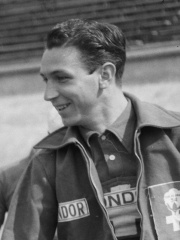
Carlo Clerici
CYCLIST
1929 - 2007
HPI: 56.33
Rank: 501
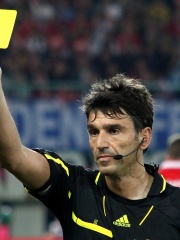
Massimo Busacca
REFEREE
1969 - Present
HPI: 56.33
Rank: 502
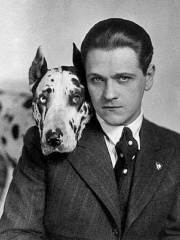
Eugeniusz Bodo
FILM DIRECTOR
1899 - 1943
HPI: 56.31
Rank: 503
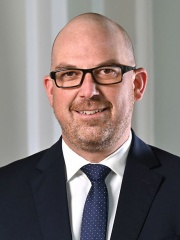
Daniel Risch
POLITICIAN
1978 - Present
HPI: 56.28
Rank: 504
Rudolf Gnägi
POLITICIAN
1917 - 1985
HPI: 56.27
Rank: 505
Paul Hubschmid
ACTOR
1917 - 2002
HPI: 56.20
Rank: 506

Robert Alt
ATHLETE
1927 - 2017
HPI: 56.19
Rank: 507
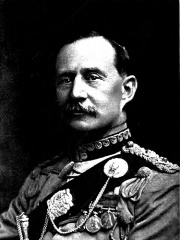
Lionel Dunsterville
MILITARY PERSONNEL
1865 - 1946
HPI: 56.16
Rank: 508
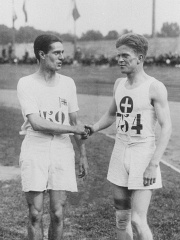
Paul Martin
ATHLETE
1901 - 1987
HPI: 56.15
Rank: 509
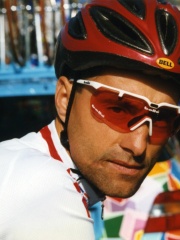
Mauro Gianetti
CYCLIST
1964 - Present
HPI: 56.12
Rank: 510
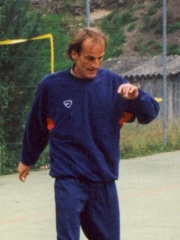
Heinz Hermann
SOCCER PLAYER
1958 - Present
HPI: 56.11
Rank: 511
Among Politikers In Schweiz
Among politikers born in Schweiz, Rudolf Gnägi ranks 94. Before him are Élisabeth Baume-Schneider (1963), Albert Gallatin (1761), Emil Frey (1838), Jakob Stämpfli (1820), Numa Droz (1844), and Daniel Risch (1978). After him are Kurt Furgler (1924), Ludwig von Moos (1910), Wilhelm Matthias Naeff (1802), Giuseppe Lepori (1902), Ernst Wetter (1877), and Louis Ruchonnet (1834).
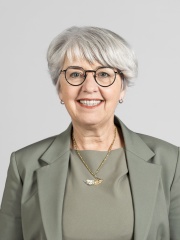
Élisabeth Baume-Schneider
1963 - Present
HPI: 56.99
Rank: 88
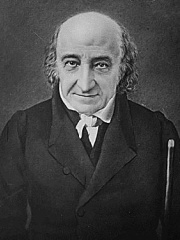
Albert Gallatin
1761 - 1849
HPI: 56.88
Rank: 89
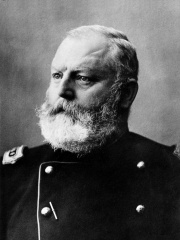
Emil Frey
1838 - 1922
HPI: 56.81
Rank: 90
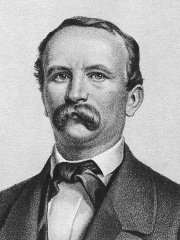
Jakob Stämpfli
1820 - 1879
HPI: 56.81
Rank: 91
Numa Droz
1844 - 1899
HPI: 56.36
Rank: 92
Daniel Risch
1978 - Present
HPI: 56.28
Rank: 93
Rudolf Gnägi
1917 - 1985
HPI: 56.27
Rank: 94

Kurt Furgler
1924 - 2008
HPI: 56.00
Rank: 95

Ludwig von Moos
1910 - 1990
HPI: 55.95
Rank: 96
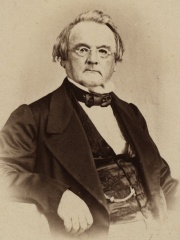
Wilhelm Matthias Naeff
1802 - 1881
HPI: 55.91
Rank: 97

Giuseppe Lepori
1902 - 1968
HPI: 55.90
Rank: 98

Ernst Wetter
1877 - 1963
HPI: 55.69
Rank: 99
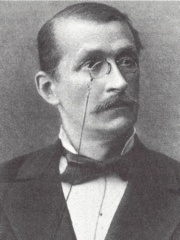
Louis Ruchonnet
1834 - 1893
HPI: 55.41
Rank: 100




