Schriftsteller
Lygia Bojunga Nunes
1932 - heute
DE.WIKIPEDIA-SEITENAUFRUFE (PV)
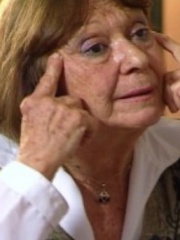
 Lygia Bojunga Nunes
Ihre Biografie ist in 16 verschiedenen Sprachen auf Wikipedia verfügbar. Lygia Bojunga Nunes ist die 5,010th beliebteste Schriftsteller (gesunken vom 4,799th im Jahr 2024), die 595th beliebteste Biografie aus Brasilien (gesunken vom 543rd im Jahr 2019) und die 28th beliebteste aus Brasilien Schriftsteller.
Bekanntheitsmetriken
11k
Seitenaufrufe
Letzte 12 Monate
55.72
HPI
Historischer Popularitätsindex
Daten-Einblicke
16
Die Biografie von Lygia Bojunga Nunes umfasst 16 Sprachversionen der Wikipedia und erreicht einen Historischen Popularitätsindex von 55.72.
Seitenaufrufe von Lygia Bojunga Nunes nach Sprache
Unter Schriftsteller
Unter Schriftsteller belegt Lygia Bojunga Nunes Rang 5,010 von 7,707. Vor ihr stehen Yehoshua Kenaz, Fritz von Unruh, Stanislav Stratiev, Hans Werner Richter, Rosa Mayreder, und Giovanni Berchet. Nach ihr folgen Hermann Kesten, Jack Finney, Mordecai Richler, Kanaiyalal Maneklal Munshi, Kjell Espmark, und George Borrow.
Die beliebtesten Schriftsteller auf Wikipedia
Zu allen Ranglisten

Yehoshua Kenaz
1937 - 2020
HPI: 55.73
Rang: 5,004
Fritz von Unruh
1885 - 1970
HPI: 55.73
Rang: 5,005

Stanislav Stratiev
1941 - 2000
HPI: 55.73
Rang: 5,006
Hans Werner Richter
1908 - 1993
HPI: 55.73
Rang: 5,007
Rosa Mayreder
1858 - 1938
HPI: 55.73
Rang: 5,008

Giovanni Berchet
1783 - 1851
HPI: 55.73
Rang: 5,009
Lygia Bojunga Nunes
1932 - heute
HPI: 55.72
Rang: 5,010
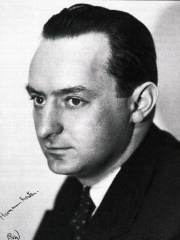
Hermann Kesten
1900 - 1996
HPI: 55.72
Rang: 5,011

Jack Finney
1911 - 1995
HPI: 55.72
Rang: 5,012
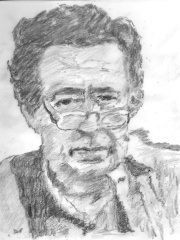
Mordecai Richler
1931 - 2001
HPI: 55.71
Rang: 5,013
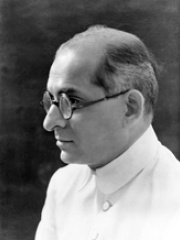
Kanaiyalal Maneklal Munshi
1887 - 1971
HPI: 55.71
Rang: 5,014

Kjell Espmark
1930 - 2022
HPI: 55.71
Rang: 5,015
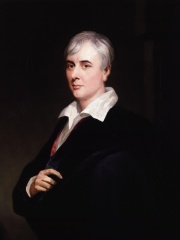
George Borrow
1803 - 1881
HPI: 55.71
Rang: 5,016

Zeitgenossen
Unter den im Jahr 1932 Geborenen belegt Lygia Bojunga Nunes Rang 372. Vor ihr stehen Gábor Delneky, Katy Bødtger, Mario Cuomo, Paul R. Ehrlich, Ann-Sofi Pettersson, und Ludovico Avio. Nach ihr folgen Eddy Wally, Stéphane Bruey, Robert B. Parker, Clifton Williams, Gavril Dejeu, und Aleksandr Belyavsky.
Weitere im Jahr 1932 Geborene
Zu allen Ranglisten
Gábor Delneky
ATHLETE
1932 - 2008
HPI: 55.93
Rang: 366

Katy Bødtger
SINGER
1932 - 2017
HPI: 55.93
Rang: 367
Mario Cuomo
POLITICIAN
1932 - 2015
HPI: 55.92
Rang: 368
Paul R. Ehrlich
BIOLOGIST
1932 - 2026
HPI: 55.85
Rang: 369
Ann-Sofi Pettersson
GYMNAST
1932 - heute
HPI: 55.80
Rang: 370

Ludovico Avio
SOCCER PLAYER
1932 - 1996
HPI: 55.76
Rang: 371
Lygia Bojunga Nunes
WRITER
1932 - heute
HPI: 55.72
Rang: 372
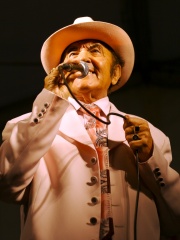
Eddy Wally
SINGER
1932 - 2016
HPI: 55.71
Rang: 373

Stéphane Bruey
SOCCER PLAYER
1932 - 2005
HPI: 55.70
Rang: 374
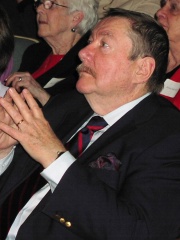
Robert B. Parker
WRITER
1932 - 2010
HPI: 55.70
Rang: 375
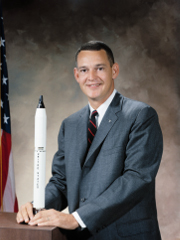
Clifton Williams
ASTRONAUT
1932 - 1967
HPI: 55.69
Rang: 376
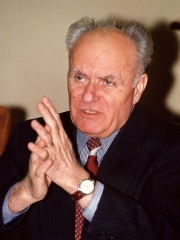
Gavril Dejeu
POLITICIAN
1932 - heute
HPI: 55.56
Rang: 377
Aleksandr Belyavsky
ACTOR
1932 - 2012
HPI: 55.56
Rang: 378
In Brasilien
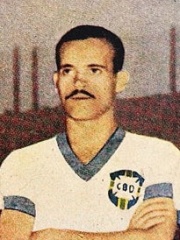
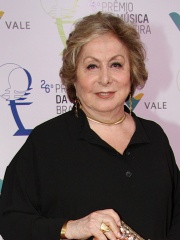
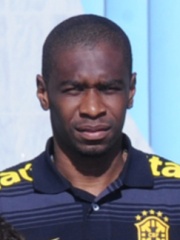
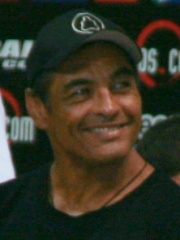
Unter den in Brasilien Geborenen belegt Lygia Bojunga Nunes Rang 595 von 2,779. Vor ihr stehen Antoninho (1939), Teóphilo Bettencourt Pereira (1900), Sávio (1974), Marília Pêra (1943), Alice Braga (1983), und Rui Campos (1922). Nach ihr folgen Aracy Balabanian (1940), Anselmo Duarte (1920), Juan (1979), Edivaldo Martins Fonseca (1962), Rickson Gracie (1959), und Aurélio de Lira Tavares (1905).
Weitere in Brasilien geborene Personen
Zu allen Ranglisten
Antoninho
COACH
1939 - 2021
HPI: 55.75
Rang: 589
Teóphilo Bettencourt Pereira
SOCCER PLAYER
1900 - 1988
HPI: 55.75
Rang: 590

Sávio
SOCCER PLAYER
1974 - heute
HPI: 55.74
Rang: 591
Marília Pêra
ACTOR
1943 - 2015
HPI: 55.73
Rang: 592
Alice Braga
ACTOR
1983 - heute
HPI: 55.73
Rang: 593
Rui Campos
SOCCER PLAYER
1922 - 2002
HPI: 55.72
Rang: 594
Lygia Bojunga Nunes
WRITER
1932 - heute
HPI: 55.72
Rang: 595
Aracy Balabanian
ACTOR
1940 - 2023
HPI: 55.69
Rang: 596

Anselmo Duarte
ACTOR
1920 - 2009
HPI: 55.69
Rang: 597
Juan
SOCCER PLAYER
1979 - heute
HPI: 55.68
Rang: 598

Edivaldo Martins Fonseca
SOCCER PLAYER
1962 - 1993
HPI: 55.68
Rang: 599
Rickson Gracie
MARTIAL ARTS
1959 - heute
HPI: 55.68
Rang: 600

Aurélio de Lira Tavares
MILITARY PERSONNEL
1905 - 1998
HPI: 55.67
Rang: 601
Unter Schriftsteller in Brasilien
Unter den in Brasilien geborenen Schriftsteller belegt Lygia Bojunga Nunes Rang 28. Vor ihr stehen Rachel de Queiroz (1910), Moacyr Scliar (1937), Gonçalves Dias (1823), Graciliano Ramos (1892), Nélida Piñon (1937), und Olavo Bilac (1865). Nach ihr folgen Manuel Bandeira (1886), Carolina Maria de Jesus (1914), João Cabral de Melo Neto (1920), João Ubaldo Ribeiro (1941), Erico Verissimo (1905), und Castro Alves (1847).

Rachel de Queiroz
1910 - 2003
HPI: 56.78
Rang: 22
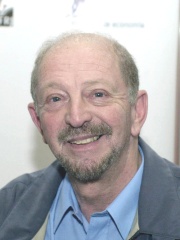
Moacyr Scliar
1937 - 2011
HPI: 56.45
Rang: 23
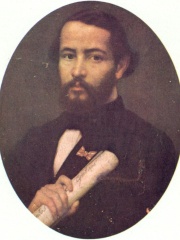
Gonçalves Dias
1823 - 1864
HPI: 56.41
Rang: 24

Graciliano Ramos
1892 - 1953
HPI: 56.21
Rang: 25
Nélida Piñon
1937 - 2022
HPI: 56.17
Rang: 26
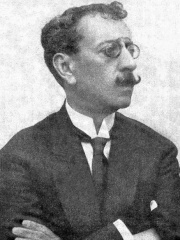
Olavo Bilac
1865 - 1918
HPI: 55.77
Rang: 27
Lygia Bojunga Nunes
1932 - heute
HPI: 55.72
Rang: 28
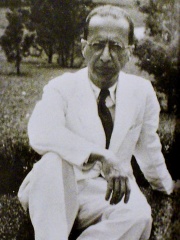
Manuel Bandeira
1886 - 1968
HPI: 55.67
Rang: 29
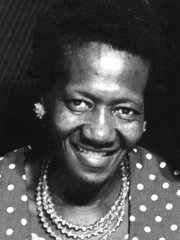
Carolina Maria de Jesus
1914 - 1977
HPI: 55.56
Rang: 30
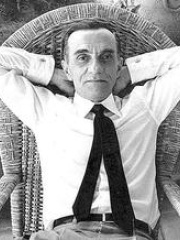
João Cabral de Melo Neto
1920 - 1999
HPI: 55.47
Rang: 31
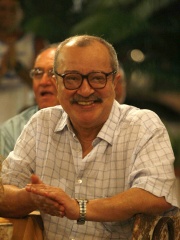
João Ubaldo Ribeiro
1941 - 2014
HPI: 55.46
Rang: 32
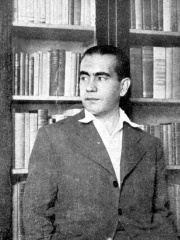
Erico Verissimo
1905 - 1975
HPI: 54.78
Rang: 33
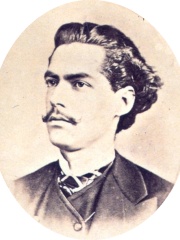
Castro Alves
1847 - 1871
HPI: 54.65
Rang: 34




