Schriftsteller
Dionysios von Halikarnassos
60 BC - 7 BC
DE.WIKIPEDIA-SEITENAUFRUFE (PV)
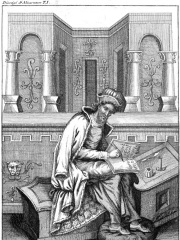
 Dionysios von Halikarnassos
Seine Biografie ist in 53 verschiedenen Sprachen auf Wikipedia verfügbar (gestiegen von 48 im Jahr 2024). Dionysios von Halikarnassos ist der 249th beliebteste Schriftsteller (gestiegen vom 279th im Jahr 2024), die 117th beliebteste Biografie aus Türkei (gesunken vom 115th im Jahr 2019) und der 7th beliebteste aus der Türkei Schriftsteller.
Bekanntheitsmetriken
98k
Seitenaufrufe
Letzte 12 Monate
76.82
HPI
Historischer Popularitätsindex
Daten-Einblicke
#249 / 7,707
Dionysios von Halikarnassos belegt Platz 249 von 7,707 Schriftsteller weltweit und gehört damit zu den besten 4 % des Berufsstands.
53
Die Biografie von Dionysios von Halikarnassos erscheint in 53 Sprachversionen der Wikipedia, mehr als bei 92 % aller Schriftsteller.
+5
Die Biografie von Dionysios von Halikarnassos kam im vergangenen Jahr in 5 neuen Sprachversionen der Wikipedia hinzu.
Seitenaufrufe von Dionysios von Halikarnassos nach Sprache
Unter Schriftsteller
Unter Schriftsteller belegt Dionysios von Halikarnassos Rang 249 von 7,707. Vor ihm stehen Prosper Mérimée, Lou Andreas-Salomé, W. H. Auden, Gerhart Hauptmann, C. S. Lewis, und Mansur Al-Hallaj. Nach ihm folgen Osamu Dazai, Grazia Deledda, Henrik Pontoppidan, Dario Fo, Johanna Spyri, und Joseph Heller.
Die beliebtesten Schriftsteller auf Wikipedia
Zu allen Ranglisten
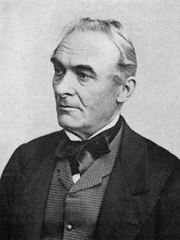
Prosper Mérimée
1803 - 1870
HPI: 77.10
Rang: 243
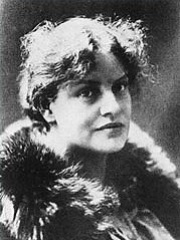
Lou Andreas-Salomé
1861 - 1937
HPI: 77.10
Rang: 244
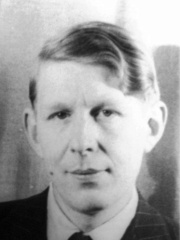
W. H. Auden
1907 - 1973
HPI: 77.00
Rang: 245
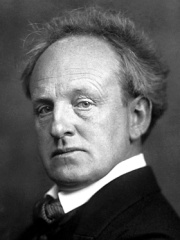
Gerhart Hauptmann
1862 - 1946
HPI: 76.95
Rang: 246
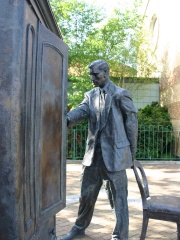
C. S. Lewis
1898 - 1963
HPI: 76.86
Rang: 247
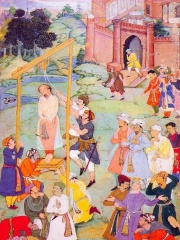
Mansur Al-Hallaj
858 - 922
HPI: 76.84
Rang: 248
Dionysius of Halicarnassus
60 BC - 7 BC
HPI: 76.82
Rang: 249
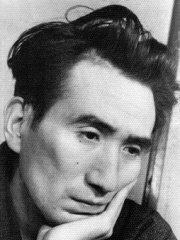
Osamu Dazai
1909 - 1948
HPI: 76.80
Rang: 250
Grazia Deledda
1871 - 1936
HPI: 76.77
Rang: 251
Henrik Pontoppidan
1857 - 1943
HPI: 76.76
Rang: 252
Dario Fo
1926 - 2016
HPI: 76.74
Rang: 253
Johanna Spyri
1827 - 1901
HPI: 76.73
Rang: 254
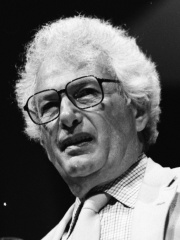
Joseph Heller
1923 - 1999
HPI: 76.72
Rang: 255

Zeitgenossen
Unter den im Jahr 60 BC Geborenen belegt Dionysios von Halikarnassos Rang 2. Vor ihm steht Ptolemy XIV of Egypt. Unter den im Jahr 7 BC Verstorbenen belegt Dionysios von Halikarnassos Rang 1. Nach ihm folgen Aristobulus IV, Emperor Cheng of Han, und Alexander, son of Herod.
Weitere im Jahr 60 BC Geborene
Zu allen Ranglisten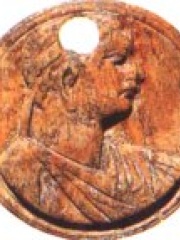
Ptolemy XIV of Egypt
POLITICIAN
60 BC - 44 BC
HPI: 79.15
Rang: 1
Dionysius of Halicarnassus
WRITER
60 BC - 7 BC
HPI: 76.82
Rang: 2
Weitere im Jahr 7 BC Verstorbene
Zu allen RanglistenDionysius of Halicarnassus
WRITER
60 BC - 7 BC
HPI: 76.82
Rang: 1
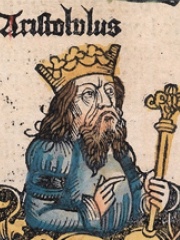
Aristobulus IV
POLITICIAN
31 BC - 7 BC
HPI: 67.21
Rang: 2
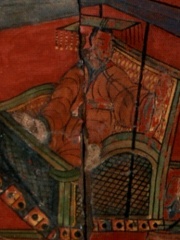
Emperor Cheng of Han
POLITICIAN
51 BC - 7 BC
HPI: 67.19
Rang: 3
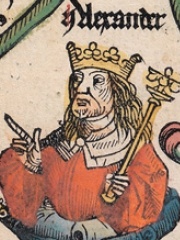
Alexander, son of Herod
NOBLEMAN
35 BC - 7 BC
HPI: 57.92
Rang: 4
In Türkei
Unter den in Türkei Geborenen belegt Dionysios von Halikarnassos Rang 117 von 1,732. Vor ihm stehen Gordian I (159), Anaximenes of Miletus (-585), Osman III (1699), Hecataeus of Miletus (-550), Ulfilas (311), und Al-Battani (858). Nach ihm folgen Irenaeus (130), Stefan Dušan (1308), Romanos IV Diogenes (1030), Piri Reis (1470), Photios I of Constantinople (900), und Theodora (815).
Weitere in Türkei geborene Personen
Zu allen Ranglisten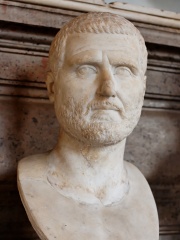
Gordian I
POLITICIAN
159 - 238
HPI: 77.04
Rang: 111
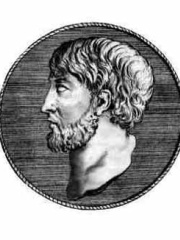
Anaximenes of Miletus
PHILOSOPHER
585 BC - 525 BC
HPI: 76.96
Rang: 112
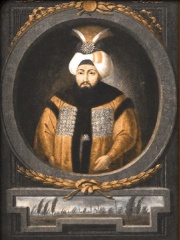
Osman III
POLITICIAN
1699 - 1757
HPI: 76.91
Rang: 113
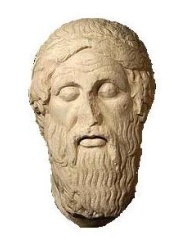
Hecataeus of Miletus
HISTORIAN
550 BC - 476 BC
HPI: 76.89
Rang: 114
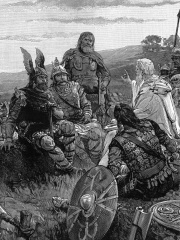
Ulfilas
RELIGIOUS FIGURE
311 - 383
HPI: 76.89
Rang: 115
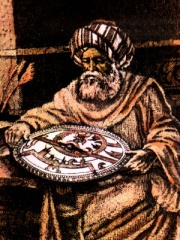
Al-Battani
MATHEMATICIAN
858 - 929
HPI: 76.82
Rang: 116
Dionysius of Halicarnassus
WRITER
60 BC - 7 BC
HPI: 76.82
Rang: 117
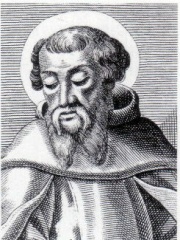
Irenaeus
RELIGIOUS FIGURE
130 - 202
HPI: 76.80
Rang: 118
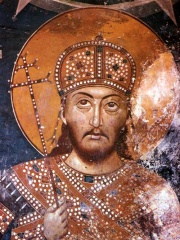
Stefan Dušan
POLITICIAN
1308 - 1355
HPI: 76.79
Rang: 119
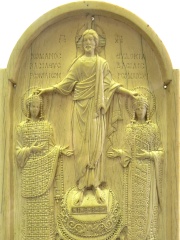
Romanos IV Diogenes
POLITICIAN
1030 - 1072
HPI: 76.79
Rang: 120
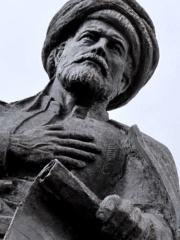
Piri Reis
GEOGRAPHER
1470 - 1554
HPI: 76.77
Rang: 121
Photios I of Constantinople
RELIGIOUS FIGURE
900 - 896
HPI: 76.73
Rang: 122
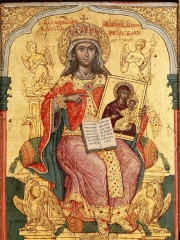
Theodora
RELIGIOUS FIGURE
815 - 867
HPI: 76.61
Rang: 123
Unter Schriftsteller in Türkei
Unter den in Türkei geborenen Schriftsteller belegt Dionysios von Halikarnassos Rang 7. Vor ihm stehen Hesiod (-800), Ammianus Marcellinus (330), Orhan Pamuk (1952), Constantine VII (905), Anacreon (-570), und Lucian (120). Nach ihm folgen Anna Komnene (1083), Giorgos Seferis (1900), Zosimus (460), Novatian (220), Yunus Emre (1240), und André Chénier (1762).
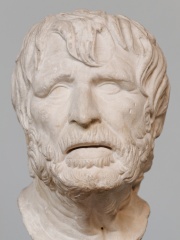
Hesiod
800 BC - 700 BC
HPI: 86.72
Rang: 1
Ammianus Marcellinus
330 - 395
HPI: 80.61
Rang: 2
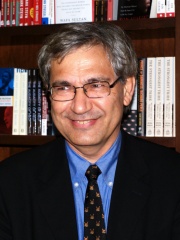
Orhan Pamuk
1952 - heute
HPI: 78.34
Rang: 3
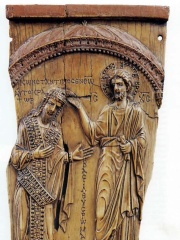
Constantine VII
905 - 959
HPI: 77.72
Rang: 4
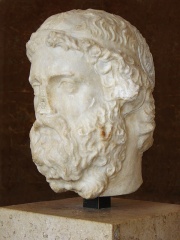
Anacreon
570 BC - 485 BC
HPI: 77.55
Rang: 5
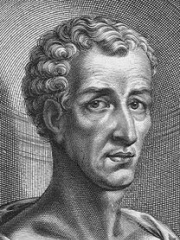
Lucian
120 - 200
HPI: 77.17
Rang: 6
Dionysius of Halicarnassus
60 BC - 7 BC
HPI: 76.82
Rang: 7
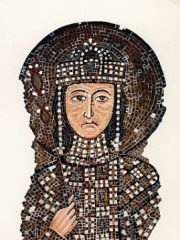
Anna Komnene
1083 - 1153
HPI: 76.22
Rang: 8
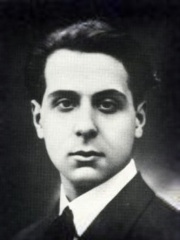
Giorgos Seferis
1900 - 1971
HPI: 74.75
Rang: 9

Zosimus
460 - 520
HPI: 74.67
Rang: 10

Novatian
220 - 258
HPI: 72.46
Rang: 11
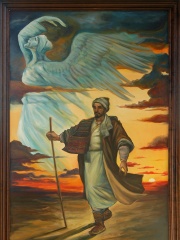
Yunus Emre
1240 - 1321
HPI: 72.13
Rang: 12
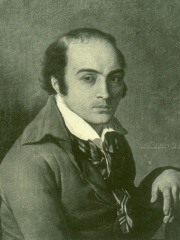
André Chénier
1762 - 1794
HPI: 71.30
Rang: 13




