Писатель
Quintus Fabius Pictor
254 BC - 201 BC
ПРОСМОТРЫ RU.WIKIPEDIA (PV)

 Quintus Fabius Pictor
Его биография доступна на 30 различных языках в Википедии. Quintus Fabius Pictor занимает 1310-е место среди самых популярных писатель (рост с 1349-е места в 2024 году), занимает 1444-е место среди самых популярных биографий из Италии (рост с 1489-е места в 2019 году) и занимает 99-е место среди писатель Италия.
Метрики памятности
23k
Просмотры страниц
За последние 12 месяцев
66.32
HPI
Индекс исторической популярности
Интересные факты
30
Биография Quintus Fabius Pictor представлена в 30 языковых разделах Википедии, а Индекс исторической популярности составляет 66.32.
Просмотры страницы Quintus Fabius Pictor по языкам
Среди представителей профессии «Писатель»
Среди представителей профессии «Писатель» Quintus Fabius Pictor занимает 1,310-е место из 7,707. Перед ним идут Maurice Barrès, Georges Feydeau, Wilhelm Müller, Constantijn Huygens, James Ellroy, и Arthur Hailey. После него идут Hieronymus of Cardia, Ruy González de Clavijo, Joyce Carol Oates, Aelius Aristides, Dylan Thomas, и Anthony Bourdain.
Самые популярные в Википедии: Писатель
Все рейтинги
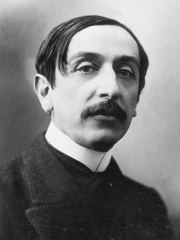
Maurice Barrès
1862 - 1923
HPI: 66.34
Место: 1,304
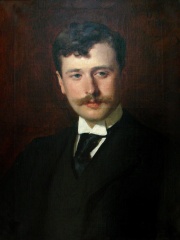
Georges Feydeau
1862 - 1921
HPI: 66.34
Место: 1,305
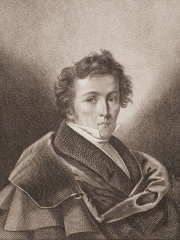
Wilhelm Müller
1794 - 1827
HPI: 66.34
Место: 1,306
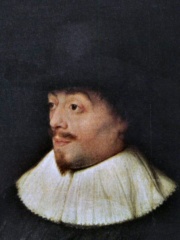
Constantijn Huygens
1596 - 1687
HPI: 66.34
Место: 1,307

James Ellroy
1948 - наст. время
HPI: 66.34
Место: 1,308
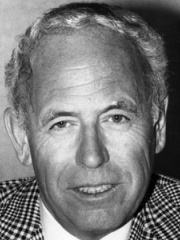
Arthur Hailey
1920 - 2004
HPI: 66.33
Место: 1,309
Quintus Fabius Pictor
254 до н. э. - 201 до н. э.
HPI: 66.32
Место: 1,310

Hieronymus of Cardia
390 до н. э. - 250 до н. э.
HPI: 66.32
Место: 1,311

Ruy González de Clavijo
1400 - 1412
HPI: 66.30
Место: 1,312

Joyce Carol Oates
1938 - наст. время
HPI: 66.27
Место: 1,313
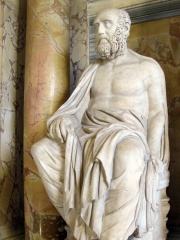
Aelius Aristides
117 - 189
HPI: 66.27
Место: 1,314
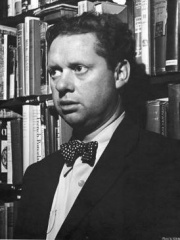
Dylan Thomas
1914 - 1953
HPI: 66.27
Место: 1,315
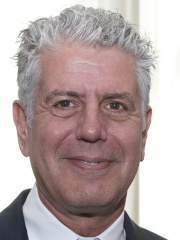
Anthony Bourdain
1956 - 2018
HPI: 66.27
Место: 1,316

Современники
Среди людей, родившихся в 254 BC году, Quintus Fabius Pictor занимает 2-е место. Перед ним идёт Plautus. После него идёт Machanidas. Среди людей, умерших в 201 BC году, Quintus Fabius Pictor занимает 2-е место. Перед ним идёт Gnaeus Naevius. После него идёт Gaius Atilius Regulus Serranus.
Другие люди, родившиеся в 254 BC году
Все рейтинги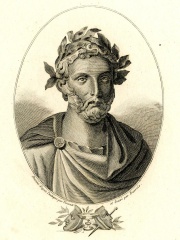
Plautus
WRITER
254 до н. э. - 184 до н. э.
HPI: 79.62
Место: 1
Quintus Fabius Pictor
WRITER
254 до н. э. - 201 до н. э.
HPI: 66.32
Место: 2

Machanidas
POLITICIAN
254 до н. э. - 207 до н. э.
HPI: 59.71
Место: 3
Другие люди, умершие в 201 BC году
Все рейтинги
Gnaeus Naevius
WRITER
275 до н. э. - 201 до н. э.
HPI: 69.65
Место: 1
Quintus Fabius Pictor
WRITER
254 до н. э. - 201 до н. э.
HPI: 66.32
Место: 2

Gaius Atilius Regulus Serranus
POLITICIAN
300 до н. э. - 201 до н. э.
HPI: 63.43
Место: 3
В стране Италия
Среди людей, родившихся в стране Италия, Quintus Fabius Pictor занимает 1,444-е место из 5,905. Перед ним идут Cennino Cennini (1360), Albert Azzo II, Margrave of Milan (1009), Francesco III d'Este, Duke of Modena (1698), Riccardo Broschi (1698), Flavio Biondo (1388), и Adolfo Celi (1922). После него идут Carlo Maria Giulini (1914), Marcus Aemilius Lepidus (-120), Mikhail Tsvet (1872), Musa of Parthia (-40), Giovanni Antonio Boltraffio (1467), и Francis V, Duke of Modena (1819).
Другие люди, родившиеся в стране Италия
Все рейтинги
Cennino Cennini
PAINTER
1360 - 1440
HPI: 66.37
Место: 1,438
Albert Azzo II, Margrave of Milan
POLITICIAN
1009 - 1097
HPI: 66.37
Место: 1,439
Francesco III d'Este, Duke of Modena
POLITICIAN
1698 - 1780
HPI: 66.36
Место: 1,440
Riccardo Broschi
COMPOSER
1698 - 1756
HPI: 66.36
Место: 1,441
Flavio Biondo
HISTORIAN
1388 - 1463
HPI: 66.35
Место: 1,442
Adolfo Celi
ACTOR
1922 - 1986
HPI: 66.32
Место: 1,443
Quintus Fabius Pictor
WRITER
254 до н. э. - 201 до н. э.
HPI: 66.32
Место: 1,444
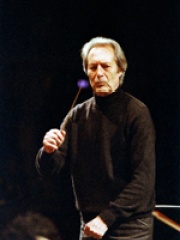
Carlo Maria Giulini
CONDUCTOR
1914 - 2005
HPI: 66.30
Место: 1,445

Marcus Aemilius Lepidus
POLITICIAN
120 до н. э. - 77 до н. э.
HPI: 66.30
Место: 1,446
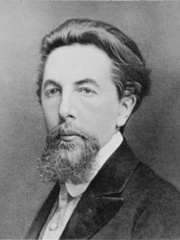
Mikhail Tsvet
BIOLOGIST
1872 - 1919
HPI: 66.30
Место: 1,447
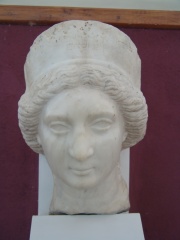
Musa of Parthia
POLITICIAN
40 до н. э. - 20
HPI: 66.29
Место: 1,448
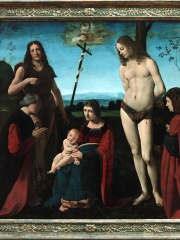
Giovanni Antonio Boltraffio
PAINTER
1467 - 1516
HPI: 66.28
Место: 1,449
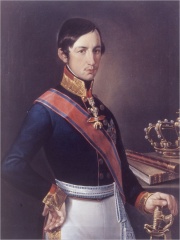
Francis V, Duke of Modena
POLITICIAN
1819 - 1875
HPI: 66.27
Место: 1,450
Среди представителей профессии «Писатель» в стране Италия
Среди представителей профессии «Писатель», родившихся в стране Италия, Quintus Fabius Pictor занимает 99-е место. Перед ним идут Asconius Pedianus (-9), Matteo Bandello (1484), Cornelius Gallus (-69), Vittorio Alfieri (1749), Giovanni Papini (1881), и Odoric of Pordenone (1286). После него идут Clodia Pulchra (-94), Giovanni Verga (1840), Matteo Maria Boiardo (1441), Boris Pahor (1913), Ignazio Silone (1900), и Francesco Maria Piave (1810).

Asconius Pedianus
9 до н. э. - 76
HPI: 66.94
Место: 93
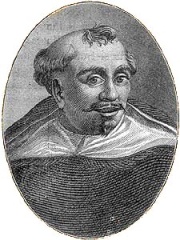
Matteo Bandello
1484 - 1561
HPI: 66.82
Место: 94
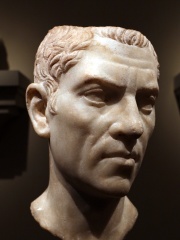
Cornelius Gallus
69 до н. э. - 26 до н. э.
HPI: 66.79
Место: 95
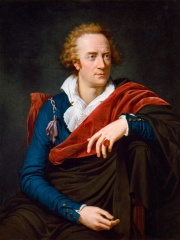
Vittorio Alfieri
1749 - 1803
HPI: 66.57
Место: 96
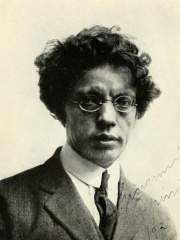
Giovanni Papini
1881 - 1956
HPI: 66.45
Место: 97
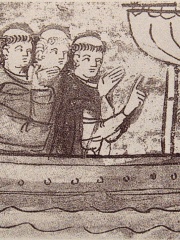
Odoric of Pordenone
1286 - 1331
HPI: 66.39
Место: 98
Quintus Fabius Pictor
254 до н. э. - 201 до н. э.
HPI: 66.32
Место: 99
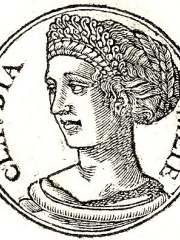
Clodia Pulchra
94 до н. э. - 45 до н. э.
HPI: 66.06
Место: 100
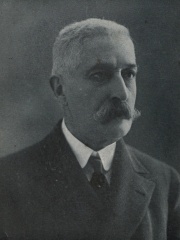
Giovanni Verga
1840 - 1922
HPI: 66.06
Место: 101

Matteo Maria Boiardo
1441 - 1494
HPI: 65.96
Место: 102
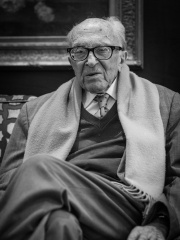
Boris Pahor
1913 - 2022
HPI: 65.90
Место: 103
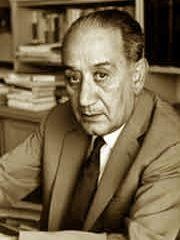
Ignazio Silone
1900 - 1978
HPI: 65.89
Место: 104
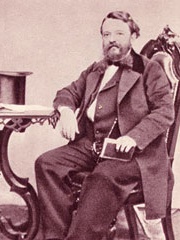
Francesco Maria Piave
1810 - 1876
HPI: 65.57
Место: 105




