سياسي
Phraates I
190 BC - 171 BC
مشاهدات AR.WIKIPEDIA (PV)
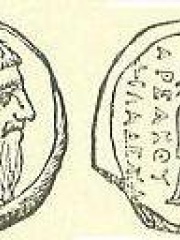
 Phraates I
سيرته الذاتية متاحة بـ40 لغة مختلفة على ويكيبيديا (زيادة من 38 في 2024). يحتل Phraates I المرتبة 9,426 بين أكثر سياسي شعبيةً (تراجعًا من 8,717 في 2024)، والمرتبة 241 بين أكثر السير الذاتية شعبيةً في إيران (تراجعًا من 231 في 2019)، كما يحتل المرتبة 129 بين أكثر سياسي من إيران شعبيةً.
مقاييس الشهرة
21k
مشاهدات الصفحة
آخر 12 شهرًا
61.86
HPI
مؤشر الشعبية التاريخية
رؤى من البيانات
#29,662
بعد أكثر من 21 قرون على الوفاة، لا يزال Phraates I في المرتبة 29,662 بين جميع الشخصيات في بانثيون.
40
تظهر سيرة Phraates I في 40 نسخة لغوية من ويكيبيديا — أكثر من 83٪ من جميع سياسي.
مشاهدات صفحة Phraates I حسب اللغة
من بين سياسي
من بين سياسي، يحتل Phraates I المرتبة 9,421 من أصل 19,576. قبله يأتي Hyon Yong-chol, Berenguer Ramon II, Count of Barcelona, Iajuddin Ahmed, Cai Yuanpei, Sükhbaataryn Yanjmaa, وConrad I, Count of Luxembourg. بعده يأتي Raif Dizdarević, Ahmed Ouyahia, Sabin of Bulgaria, John of Foix, Viscount of Narbonne, Thoros III, King of Armenia, وJohn Frederick II, Duke of Saxony.
أشهر سياسي على ويكيبيديا
عرض جميع التصنيفات

Hyon Yong-chol
1949 - 2015
HPI: 61.87
المرتبة: 9,420

Berenguer Ramon II, Count of Barcelona
1054 - 1097
HPI: 61.87
المرتبة: 9,421
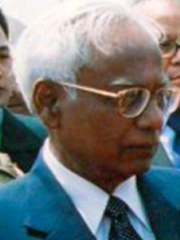
Iajuddin Ahmed
1931 - 2012
HPI: 61.87
المرتبة: 9,422
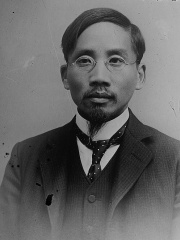
Cai Yuanpei
1868 - 1940
HPI: 61.87
المرتبة: 9,423
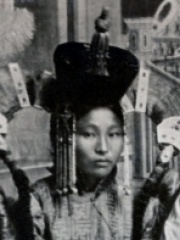
Sükhbaataryn Yanjmaa
1893 - 1962
HPI: 61.87
المرتبة: 9,424

Conrad I, Count of Luxembourg
1040 - 1086
HPI: 61.86
المرتبة: 9,425
Phraates I
190 BC - 171 BC
HPI: 61.86
المرتبة: 9,426
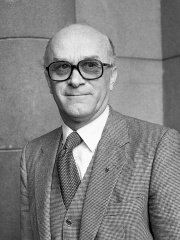
Raif Dizdarević
1926 - حتى الآن
HPI: 61.86
المرتبة: 9,427
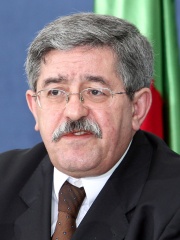
Ahmed Ouyahia
1952 - حتى الآن
HPI: 61.86
المرتبة: 9,428

Sabin of Bulgaria
800 - 766
HPI: 61.86
المرتبة: 9,429

John of Foix, Viscount of Narbonne
1450 - 1500
HPI: 61.86
المرتبة: 9,430
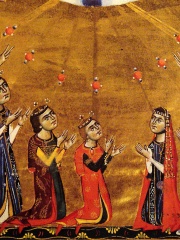
Thoros III, King of Armenia
1270 - 1298
HPI: 61.86
المرتبة: 9,431
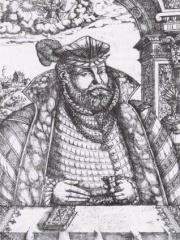
John Frederick II, Duke of Saxony
1529 - 1595
HPI: 61.86
المرتبة: 9,432

معاصرون
من بين المولودين في عام 190 BC، يحتل Phraates I المرتبة 8. قبله يأتي Julia, Lucius Mummius Achaicus, Seleucus of Seleucia, Menander I, Alexander II Zabinas, وServius Sulpicius Galba. بعده يأتي Orodes I of Parthia, وHypsicles. من بين المتوفين في عام 171 BC، يحتل Phraates I المرتبة 2. قبله يأتي Publius Cornelius Scipio Nasica.
آخرون وُلدوا في عام 190 BC
عرض جميع التصنيفات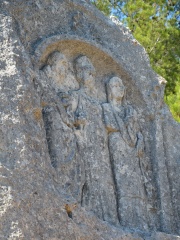
Julia
POLITICIAN
190 BC - 69 BC
HPI: 66.74
المرتبة: 2
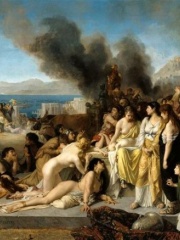
Lucius Mummius Achaicus
POLITICIAN
190 BC - 200 BC
HPI: 65.03
المرتبة: 3

Seleucus of Seleucia
ASTRONOMER
190 BC - 150 BC
HPI: 64.67
المرتبة: 4
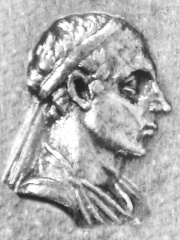
Menander I
POLITICIAN
190 BC - 130 BC
HPI: 64.62
المرتبة: 5
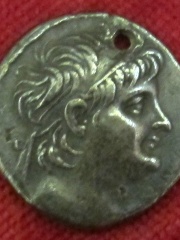
Alexander II Zabinas
POLITICIAN
190 BC - 123 BC
HPI: 64.38
المرتبة: 6

Servius Sulpicius Galba
POLITICIAN
190 BC - 130 BC
HPI: 62.46
المرتبة: 7
Phraates I
POLITICIAN
190 BC - 171 BC
HPI: 61.86
المرتبة: 8
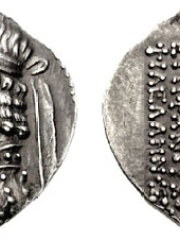
Orodes I of Parthia
POLITICIAN
190 BC - 90 BC
HPI: 61.78
المرتبة: 9

Hypsicles
MATHEMATICIAN
190 BC - 120 BC
HPI: 60.26
المرتبة: 10
آخرون توفوا في عام 171 BC
عرض جميع التصنيفات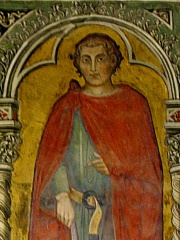
Publius Cornelius Scipio Nasica
POLITICIAN
230 BC - 171 BC
HPI: 62.88
المرتبة: 1
Phraates I
POLITICIAN
190 BC - 171 BC
HPI: 61.86
المرتبة: 2
في إيران
من بين المولودين في إيران، يحتل Phraates I المرتبة 241 من أصل 631. قبله يأتي Mohammad-Hossein Shahriar (1906), Ardeshir Zahedi (1928), Asadi Tusi (999), Abu al-Qasim al-Khoei (1899), Shapur IV (null), وMuhammad Husayn Tabatabai (1892). بعده يأتي Shams Pahlavi (1917), Al-Sarakhsi (1009), Ibn Khuzayma (838), Maryam Mirzakhani (1977), Orodes I of Parthia (-190), وMarjane Satrapi (1969).
آخرون وُلدوا في إيران
عرض جميع التصنيفات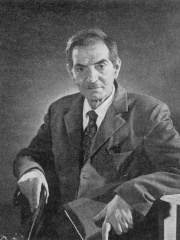
Mohammad-Hossein Shahriar
WRITER
1906 - 1988
HPI: 62.21
المرتبة: 235
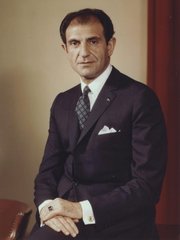
Ardeshir Zahedi
POLITICIAN
1928 - 2021
HPI: 62.14
المرتبة: 236

Asadi Tusi
WRITER
999 - 1072
HPI: 62.12
المرتبة: 237
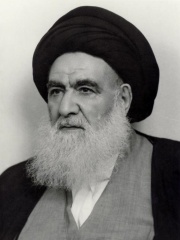
Abu al-Qasim al-Khoei
SOCIAL ACTIVIST
1899 - 1992
HPI: 61.98
المرتبة: 238
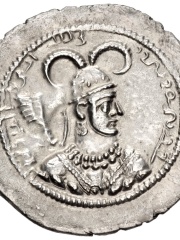
Shapur IV
POLITICIAN
HPI: 61.98
المرتبة: 239
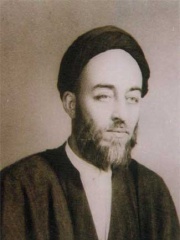
Muhammad Husayn Tabatabai
PHILOSOPHER
1892 - 1981
HPI: 61.88
المرتبة: 240
Phraates I
POLITICIAN
190 BC - 171 BC
HPI: 61.86
المرتبة: 241
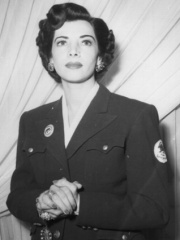
Shams Pahlavi
POLITICIAN
1917 - 1996
HPI: 61.85
المرتبة: 242

Al-Sarakhsi
LAWYER
1009 - 1090
HPI: 61.84
المرتبة: 243

Ibn Khuzayma
RELIGIOUS FIGURE
838 - 924
HPI: 61.83
المرتبة: 244

Maryam Mirzakhani
MATHEMATICIAN
1977 - 2017
HPI: 61.82
المرتبة: 245
Orodes I of Parthia
POLITICIAN
190 BC - 90 BC
HPI: 61.78
المرتبة: 246
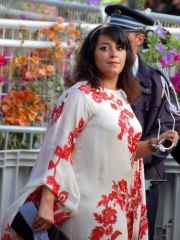
Marjane Satrapi
COMIC ARTIST
1969 - 2026
HPI: 61.73
المرتبة: 247
من بين سياسي في إيران
من بين سياسي المولودين في إيران، يحتل Phraates I المرتبة 129. قبله يأتي Shaul Mofaz (1948), Shahrokh Shah (1734), Amir Kabir (1807), Amir-Abbas Hoveyda (1919), Ardeshir Zahedi (1928), وShapur IV (null). بعده يأتي Shams Pahlavi (1917), Orodes I of Parthia (-190), Mohammad Beheshti (1928), Lotf Ali Khan (1769), Farahnaz Pahlavi (1963), وMohammad-Javad Bahonar (1933).

Shaul Mofaz
1948 - حتى الآن
HPI: 62.87
المرتبة: 123
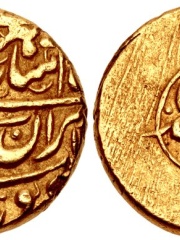
Shahrokh Shah
1734 - 1796
HPI: 62.62
المرتبة: 124
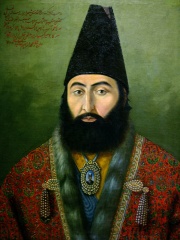
Amir Kabir
1807 - 1852
HPI: 62.51
المرتبة: 125

Amir-Abbas Hoveyda
1919 - 1979
HPI: 62.45
المرتبة: 126
Ardeshir Zahedi
1928 - 2021
HPI: 62.14
المرتبة: 127
Shapur IV
HPI: 61.98
المرتبة: 128
Phraates I
190 BC - 171 BC
HPI: 61.86
المرتبة: 129
Shams Pahlavi
1917 - 1996
HPI: 61.85
المرتبة: 130
Orodes I of Parthia
190 BC - 90 BC
HPI: 61.78
المرتبة: 131
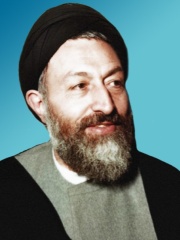
Mohammad Beheshti
1928 - 1981
HPI: 61.65
المرتبة: 132
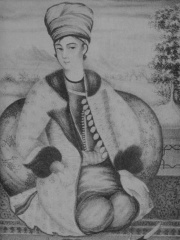
Lotf Ali Khan
1769 - 1794
HPI: 61.50
المرتبة: 133
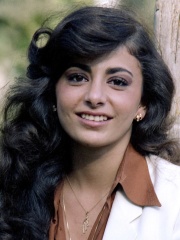
Farahnaz Pahlavi
1963 - حتى الآن
HPI: 61.20
المرتبة: 134
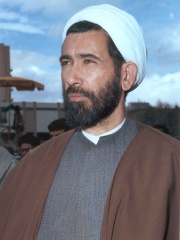
Mohammad-Javad Bahonar
1933 - 1981
HPI: 61.15
المرتبة: 135




